
Freenet is a peer-to-peer (P2P) network designed to provide anonymity and censorship resistance. Unlike traditional web browsing, where requests are routed through centralized servers, Freenet employs a distributed architecture, making it exceptionally difficult to track user activity or censor content. This unique approach has earned Freenet a reputation as a tool for accessing the dark web, though its capabilities extend far beyond this often-misunderstood association. This article explores the intricacies of Freenet, its functionalities, security implications, and the broader context of its role in the digital landscape.
Understanding Freenet’s Architecture and Functionality
At its core, Freenet operates as a decentralized network, meaning there is no single point of failure or control. Instead, data is distributed across a vast network of participating computers, each acting as a node. When a user searches for information, the query is not sent to a central server but rather disseminated across the network, with participating nodes relaying the request and ultimately forwarding the requested data back to the user. This process, known as data routing, is a key element of Freenet’s anonymity features. The data itself is also encrypted and fragmented, further obscuring its origin and destination. This makes tracing the source or recipient of information exceedingly difficult, if not impossible.
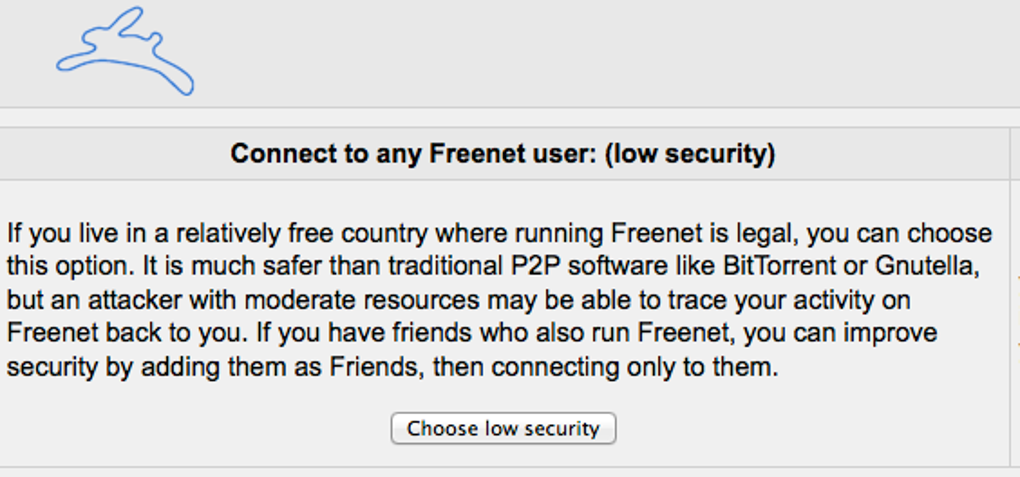
The network’s structure is dynamic and constantly evolving. Nodes join and leave the network, and the routing paths for data are constantly shifting, adding another layer of complexity for potential trackers. This inherent fluidity is crucial to Freenet’s ability to withstand attempts at censorship or surveillance. By distributing the responsibility of data storage and transmission across numerous independent nodes, it makes it practically impossible for any single entity to control or shut down the network.
Accessing and Navigating Freenet: A User’s Perspective
Accessing Freenet requires downloading and installing the client software, available for various operating systems. The user interface is relatively basic, reflecting its core function as a tool for anonymous communication and information sharing. Unlike a typical web browser, Freenet’s interface doesn’t present visually appealing web pages. Instead, it relies on a text-based system of hyperlinks, leading users through a network of websites and files stored within the Freenet ecosystem.
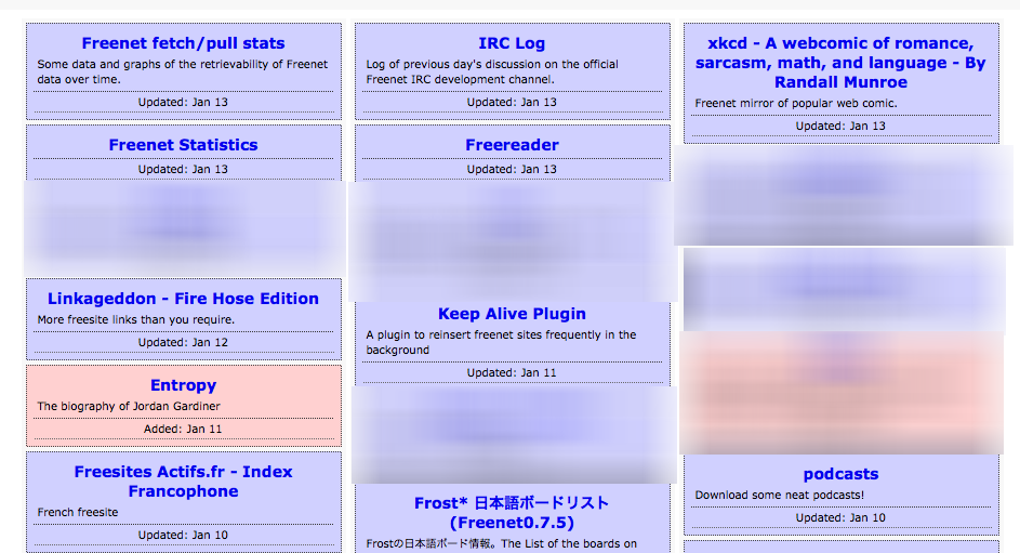
Navigating this network can be challenging for new users. The initial page often presents a collection of links, some leading to general information while others connect to more specialized content within Freenet’s “hidden” web. One prominent link often featured is “Linkageddon,” a directory serving as a gateway to a significant portion of Freenet’s content. However, it is crucial to note the explicit warning accompanying this link regarding potentially offensive and illegal material.
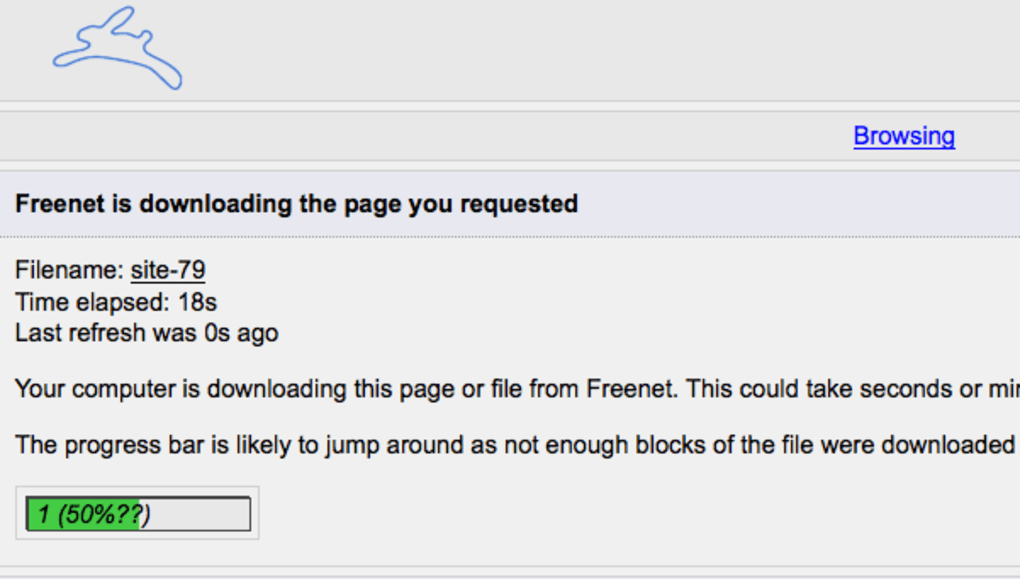
The speed of accessing information on Freenet can vary greatly depending on factors such as network congestion and the distance the data needs to travel across the network. The initial download and rendering of pages can be considerably slower than those encountered on the clearnet (the traditional, easily accessible internet). This is primarily due to the decentralized nature of Freenet and the emphasis on anonymity, which inherently introduces latency.
Security and Anonymity: The Strengths and Limitations of Freenet
Freenet’s primary strength lies in its ability to protect user anonymity and resist censorship. By distributing information across a multitude of nodes, it obscures user activity, making it immensely challenging to identify individuals and their online behavior. The data itself is encrypted and routed through multiple nodes, making it extremely difficult to intercept or trace. This capability makes Freenet a powerful tool for individuals living under repressive regimes or those seeking to protect their privacy online.
However, it’s crucial to acknowledge that Freenet’s anonymity is not absolute. While it significantly improves privacy compared to traditional internet browsing, determined adversaries with significant resources might still be able to uncover user identities through sophisticated techniques. Moreover, the software itself can be vulnerable to security flaws, although active community efforts regularly address these vulnerabilities.
Freenet’s Role in the Dark Web and Beyond
Freenet’s association with the dark web often overshadows its wider applications. While it does indeed provide access to parts of the dark web, it’s inaccurate to equate Freenet solely with illicit activities. Many users utilize Freenet for legitimate purposes, including sharing information that might be censored or suppressed on the clearnet, facilitating discussions on sensitive topics, and contributing to collaborative projects that emphasize anonymity and decentralized control.
The dark web, though often linked to illegal activities, also offers a space for freedom of speech and expression, particularly in regions with strict censorship laws. Freenet provides a pathway to this space, allowing users to access and exchange information that may be unavailable through traditional channels. However, users should remain acutely aware of the risks associated with exploring this area of the internet. The lack of regulation and the presence of illegal content are significant concerns.
Comparing Freenet to Other Anonymous Networks: Tor and I2P
Freenet is often compared to other anonymous networks like Tor and I2P (Invisible Internet Project). While all three aim to provide privacy and censorship resistance, they differ significantly in their architecture and functionalities.
Tor, for instance, relies on a network of volunteer-operated relays to obscure the user’s IP address. It is primarily designed for anonymous web browsing and is much more user-friendly than Freenet. I2P, on the other hand, uses a similar distributed approach to Freenet but is designed more for secure communication and data transmission, rather than general web browsing. Each network has its own strengths and weaknesses, and the best choice depends on the specific needs and priorities of the user.
The Future of Freenet: Ongoing Development and Challenges
Freenet remains an active and evolving project, with ongoing development efforts aimed at improving its performance, security, and user experience. The challenges facing Freenet include maintaining a healthy and active user base, addressing potential security vulnerabilities, and balancing user privacy with the need for moderation to prevent the spread of harmful content. The project’s success hinges on the continued contributions of its developers and users, ensuring Freenet remains a viable and robust tool for anonymous communication and information sharing in the years to come. The future of Freenet is inextricably linked to its community’s dedication to its core principles of freedom of information and digital privacy.
Despite the challenges, Freenet’s unique approach to anonymity and censorship resistance continues to hold significant relevance in today’s digital landscape, offering a vital tool for individuals seeking to maintain privacy and access information freely, regardless of geographical location or political constraints. As long as the need for anonymous and unrestricted communication persists, Freenet is likely to remain a valuable resource for individuals seeking to exercise their digital rights.
File Information
- License: “Free”
- Version: “0.7.5”
- Latest update: “July 15, 2022”
- Platform: “Windows”
- OS: “Windows Vista”
- Language: “English”
- Downloads: “47.2K”
- Size: “15.11 MB”


