
Front Office Football Seven (FOF7) isn’t just another sports game; it’s a meticulously crafted simulation that plunges players into the complex and demanding world of professional football management. Released in 2016 by Solecismic Software, FOF7 offers a level of depth and realism rarely seen in its genre, captivating players with its intricate systems and strategic gameplay. This in-depth review will explore the game’s features, strengths, and weaknesses, providing a comprehensive understanding of what makes FOF7 a unique and enduring experience for football enthusiasts.
Immersive Gameplay: Beyond the Gridiron
FOF7 distinguishes itself from other sports management games through its remarkably detailed and comprehensive simulation of the front office operations of a professional football team. Unlike games that focus primarily on on-field action, FOF7 places the player squarely in the role of general manager, demanding strategic thinking and careful planning across multiple facets of the organization.
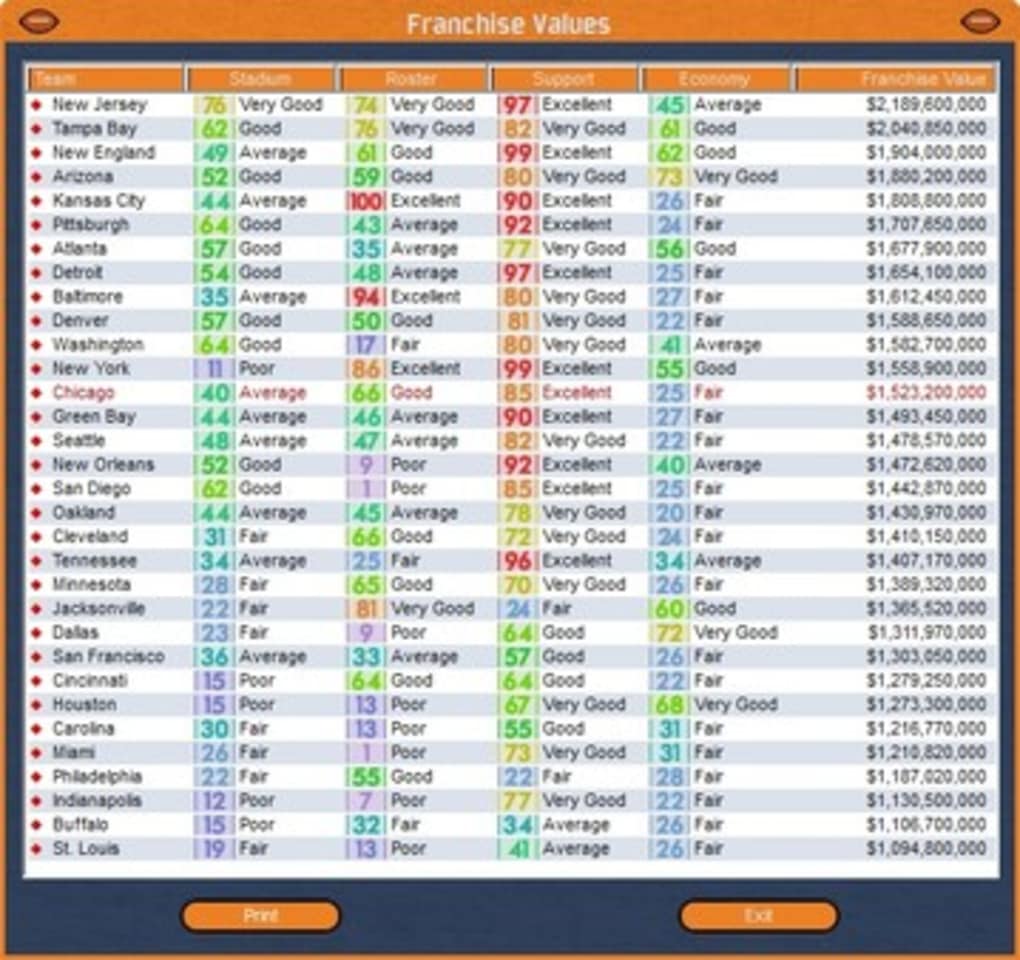
The game provides an incredibly granular level of control. Players are responsible for drafting and managing players, negotiating contracts, navigating the complexities of the salary cap, overseeing team finances, and making crucial decisions that shape the long-term trajectory of their franchise. From scouting potential prospects to handling player morale and public relations, every aspect of running a successful football team falls under the player’s purview. This depth of gameplay caters to players who enjoy the strategic intricacies of team management, offering a significant challenge and rewarding those who meticulously plan and execute their strategies.
The game’s engine is sophisticated, simulating numerous factors that influence a team’s performance, including player fatigue, injuries, and even the impact of coaching strategies. These elements contribute to the game’s realism, ensuring that every decision has tangible consequences and that no two playthroughs are ever quite the same. The ever-changing dynamics of the league, influenced by player development, free agency, and trades, create an engaging and unpredictable experience that keeps players coming back for more.
Realistic Simulation: The Engine of Engagement
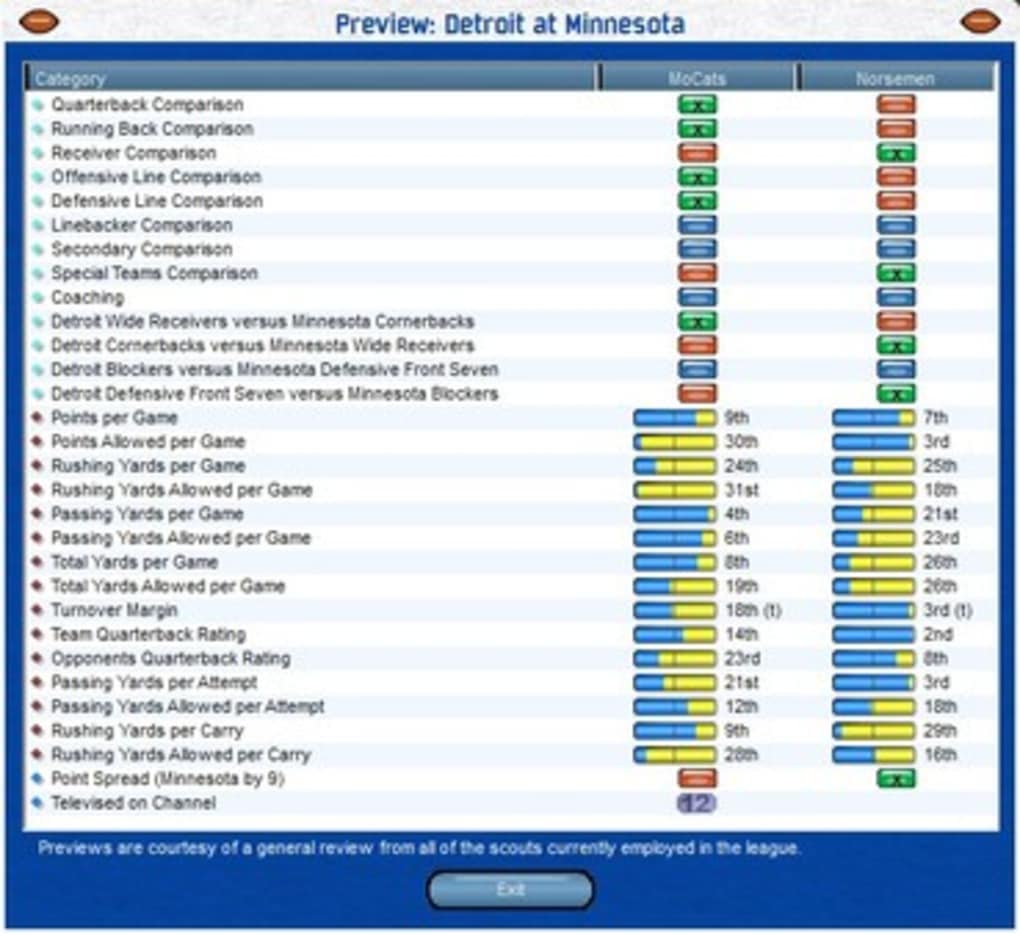
The heart of FOF7 lies in its robust and realistic simulation engine. This engine isn’t merely a collection of pre-determined outcomes; it’s a complex system that accounts for a wide range of variables, dynamically influencing the game’s progression. This creates a highly immersive experience where the player’s actions have significant and often unforeseen consequences.
Player development, for instance, isn’t a linear progression. Players develop at different rates, influenced by factors like practice schedules, training regimens, and even their individual personalities. Injuries are similarly realistic, with varying severities and recovery times. This level of detail ensures that no two seasons are identical, constantly challenging the player to adapt their strategies and adjust to unpredictable circumstances. The salary cap mechanism adds another layer of strategic complexity, forcing players to make difficult decisions about which players to retain, cut, or trade. This necessitates a comprehensive understanding of team finances and the ability to balance long-term planning with immediate needs.
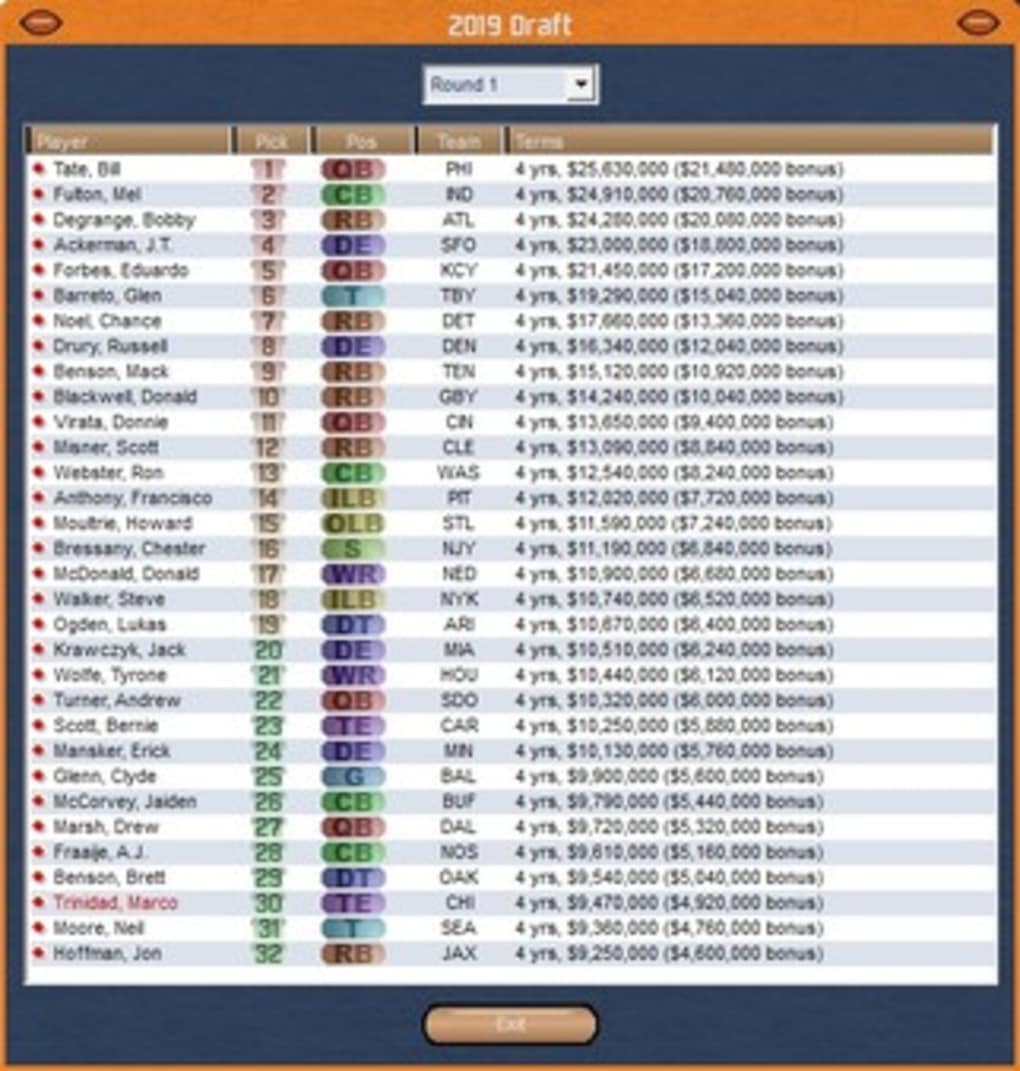
The game’s attention to detail also extends beyond the players themselves. The scouting system is intricate, requiring players to carefully evaluate potential draft prospects, assessing their strengths and weaknesses and projecting their future potential. This process involves analyzing game film, attending scouting combines, and networking with other teams, all contributing to the overall realism of the experience.
Strategic Depth: Beyond Simple Roster Management
While roster management is a crucial element of FOF7, the game goes far beyond simple player acquisition and release. The strategic depth of FOF7 is evident in its numerous interwoven systems, demanding a holistic approach to team building and management.
One of the key strategic elements is the development of a long-term plan. Unlike some sports management games where success can be achieved through short-term tactical adjustments, FOF7 encourages the creation of a comprehensive strategy that encompasses several seasons. This necessitates a keen eye for talent identification, adept contract negotiation, and careful financial management to create a sustainable winning organization.
The game also challenges players to balance various competing priorities. For example, the pursuit of immediate success might necessitate acquiring veteran players, even at a significant financial cost. However, this strategy could compromise long-term financial stability and hinder the development of younger players. Similarly, focusing solely on developing young talent might lead to several lean years before the team’s potential is fully realized. The game rewards players who can effectively balance short-term results with long-term sustainability, showcasing a masterful understanding of team building and resource management.
Interface and User Experience: Navigating the Complexity
Given the game’s complexity, the user interface plays a crucial role in determining the overall user experience. While FOF7 isn’t known for its visually stunning graphics, its interface is generally well-designed and functional. The menus are relatively intuitive, allowing players to quickly access the various information and tools they need to make informed decisions.
However, some players might find the sheer volume of information presented initially overwhelming. The game’s extensive data sets and statistical analysis can be daunting, particularly for new players unfamiliar with the nuances of football management. A steeper learning curve is inevitable given the depth of gameplay. However, the game’s comprehensive manual and online community resources can help mitigate this challenge. Mastering the interface and understanding the game’s mechanics unlocks a truly rewarding experience.
Community and Longevity: An Enduring Legacy
Despite its age, FOF7 maintains a dedicated community of players who actively participate in online forums, sharing strategies, discussing gameplay, and providing support to newcomers. This active community is a testament to the game’s enduring appeal and provides a valuable resource for players seeking assistance or wanting to engage in discussions related to the game. The game’s modding community also contributes significantly to its longevity, creating custom rosters, updated databases, and even modifications to enhance gameplay.
The game’s lack of flashy graphics, while a potential drawback for some, might actually contribute to its longevity. The focus on core gameplay mechanics rather than visual spectacle means the game hasn’t aged as drastically as some of its visually-focused contemporaries. The core gameplay remains compelling and engaging even years after its release, appealing to players who value strategic depth over visual fidelity. This focus on strategic depth and realistic simulation creates an enduring legacy for FOF7 within the sports management game genre.
Conclusion: A Masterclass in Sports Management Simulation
Front Office Football Seven stands out as a unique and compelling experience in the world of sports management simulations. Its intricate gameplay, realistic simulation, and strategic depth make it an engaging and challenging title for players who appreciate the intellectual stimulation of managing a professional football team. While the game’s interface might present a learning curve and the graphics are somewhat dated, the depth of the gameplay and the dedicated community surrounding it solidify FOF7 as a timeless classic in the sports management game genre. For those seeking a truly immersive and challenging sports management experience, Front Office Football Seven remains a highly recommended choice.
File Information
- License: “Full”
- Version: “2016”
- Latest update: “July 15, 2022”
- Platform: “Windows”
- OS: “Windows XP”
- Language: “English”
- Downloads: “470”


