
Gacha Life, a free-to-play casual game developed by Lunime, has captivated a significant audience, particularly among younger players, with its charming anime aesthetic and focus on character creation and storytelling. This in-depth exploration delves into the game’s features, mechanics, strengths, and weaknesses, examining its impact on its user base and the broader gaming landscape.
Character Customization: The Heart of Gacha Life
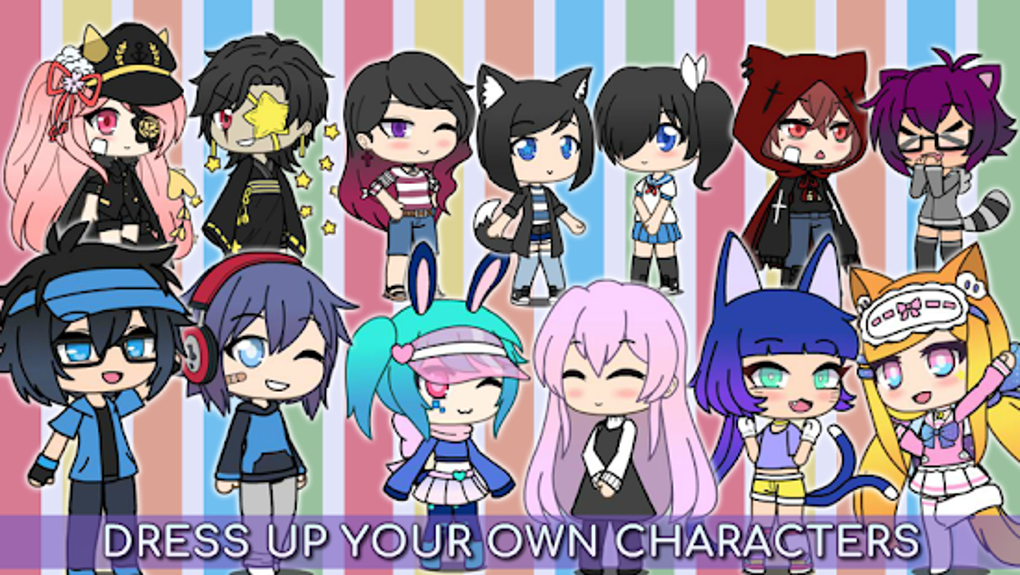
The core appeal of Gacha Life undeniably lies in its extensive character customization options. Players are empowered to design up to 20 unique anime-style characters, meticulously adjusting a vast array of features. This level of detail extends beyond basic attributes; players can personalize everything from facial features, hairstyles, and eye color to clothing, accessories, and even character poses and expressions. This unparalleled freedom allows for the creation of truly original characters, reflecting the player’s individual creativity and imagination. The sheer depth of customization options sets Gacha Life apart from many other dress-up and character creation games, providing a nearly limitless canvas for self-expression. The meticulous attention to detail in the character editor fosters a sense of ownership and attachment to the characters players create, encouraging deeper engagement with the game’s narrative and social aspects.
The ability to meticulously craft characters with unique personalities, backstories, and aesthetics encourages creative exploration. Players can spend countless hours perfecting their creations, experimenting with different styles and combinations, pushing the boundaries of the game’s capabilities to reflect their unique vision. This process goes beyond simply dressing up a character; it’s about crafting a unique persona, complete with a visual identity that resonates with the player’s personal style and preferences. This intricate character creation process fuels the game’s overall appeal, transforming it from a simple dress-up game into a robust platform for artistic expression.
Studio Mode and Skit Building: Visual Storytelling Simplified
Beyond the detailed character editor, Gacha Life features a Studio Mode, which serves as a simple yet effective platform for visual storytelling. Once characters are created, players can arrange them in various pre-designed scenes and backgrounds. This allows for the creation of engaging skits, short stories, or even memes, utilizing the customized characters as protagonists. The Skit Builder facilitates the addition of dialogue bubbles, allowing players to craft narratives and give their characters voice. While the animation capabilities are relatively limited, the simplicity of the system is both its strength and weakness. The lack of complex animation tools or voice acting means that stories are conveyed primarily through static visuals and text. This limitation, while potentially restricting for experienced storytellers, encourages creativity within the constraints of the system and often leads to inventive solutions.
The ease of use in Studio Mode makes it an accessible tool for young players who may not be familiar with more complex storytelling or animation software. This accessibility is a key factor in Gacha Life’s broad appeal. The lack of a steep learning curve allows users to focus on expressing their ideas and crafting narratives rather than wrestling with complicated interfaces or animation techniques. This makes Gacha Life an ideal entry point for aspiring young creators interested in exploring visual storytelling. Moreover, the simplicity of the system ensures that the creative process remains fun and engaging. The straightforward nature of the tool allows players to focus on the narrative and the characters, rather than getting bogged down in technical details.
Mini-Games and Life Mode: Additional Layers of Gameplay

Gacha Life’s features extend beyond character creation and storytelling. The game incorporates several mini-games, offering a welcome distraction from the main activities and providing a way to earn in-game currency, known as gems. These gems can then be used to unlock additional customization options, further enriching the character creation process. While the mini-games themselves are relatively simple, they serve a valuable purpose by providing a fun and rewarding alternative to the main gameplay loop. They introduce an element of progression and reward, incentivizing players to continue exploring the game’s various features.
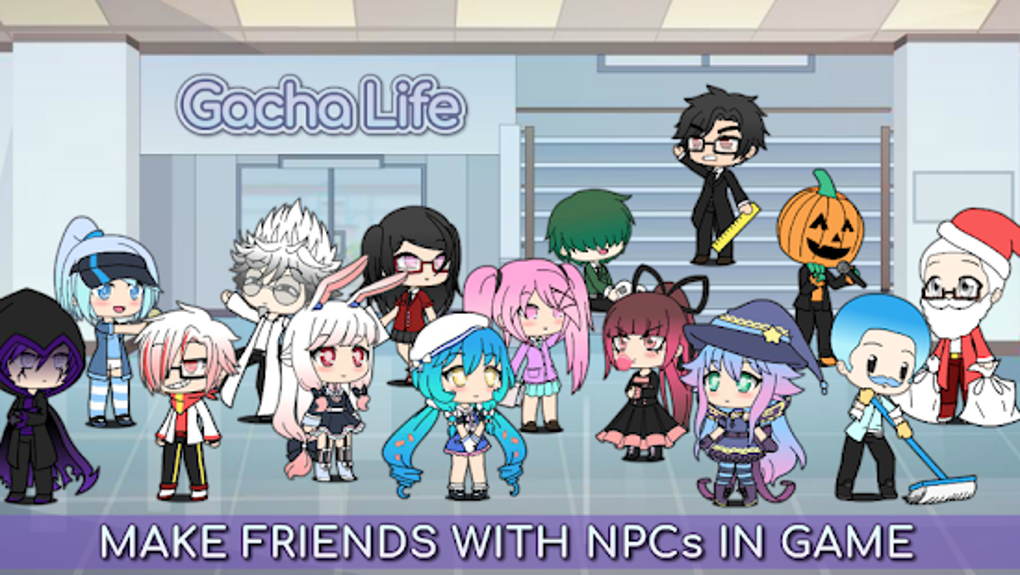
Furthermore, Gacha Life features a Life Mode, a less interactive aspect of the game where players can navigate various environments, interact with non-playable characters (NPCs), and uncover pieces of lore. However, Life Mode lacks the same depth and interactivity as the character creation and Studio Mode features. Conversations are mostly static, and exploration is largely linear, limiting the overall engagement in this particular aspect of the game.
This element of Life Mode, while not a central focus, provides context to the characters and helps add a bit of world-building. It serves as a supplementary activity that helps players expand the overall narrative of their characters within the game. While it doesn’t offer extensive interactivity, it serves to further enhance the overall Gacha Life experience by supplementing the primary focus on character creation and storytelling.
Gacha Life’s Strengths and Weaknesses: A Balanced Perspective
Gacha Life’s popularity stems from its unique blend of accessibility, creative freedom, and charming visuals. The deep character customization tools empower players to express their creativity, bringing unique characters to life. The streamlined Studio Mode provides an easy-to-use platform for visual storytelling, catering especially well to younger audiences. The inclusion of mini-games adds a layer of engaging gameplay, and the Life Mode, while limited, provides some context to the game’s narrative.
However, Gacha Life is not without its limitations. The lack of advanced animation tools, voice acting, and complex scripting restricts the storytelling capabilities. The Life Mode’s shallow interactivity and static dialogue also detract from the overall experience. The relatively simplistic nature of the game may not appeal to players seeking more complex or immersive gameplay.
The absence of complex narrative tools might be seen as a constraint for some. However, it also encourages creativity within the defined boundaries, leading players to develop innovative ways to express their narratives using the available resources. This limitation, therefore, ironically contributes to the unique charm of the game and the inventive approaches players adopt.
Conclusion: Gacha Life’s Enduring Appeal
Despite its limitations, Gacha Life has established itself as a popular and engaging platform for creative self-expression. Its focus on character customization and simplified storytelling, coupled with its intuitive interface and charming art style, has successfully captivated a large and dedicated player base. While it may not satisfy players seeking highly complex gameplay or immersive narratives, it provides a fantastic tool for younger audiences and those who appreciate the freedom of creating and sharing visual stories within a user-friendly environment. The game’s continued popularity speaks volumes about its ability to fill a specific niche in the gaming market, fostering creativity and community interaction amongst its enthusiastic player base. Its success highlights the potential for simple, accessible games to have a significant impact on players, particularly those who may be new to the world of digital creativity.
File Information
- License: “Free”
- Latest update: “April 21, 2025”
- Platform: “Android”
- OS: “Android 13.0”
- Language: “English”
- Downloads: “248.3K”
- Size: “104.40 MB”
- Download Options: “APK, Google Play”
- Filename: “air-com-lunime-gachalife-1001014-66464614-c44d9bbda19af039b1cb75b923db10e9.apk”


