
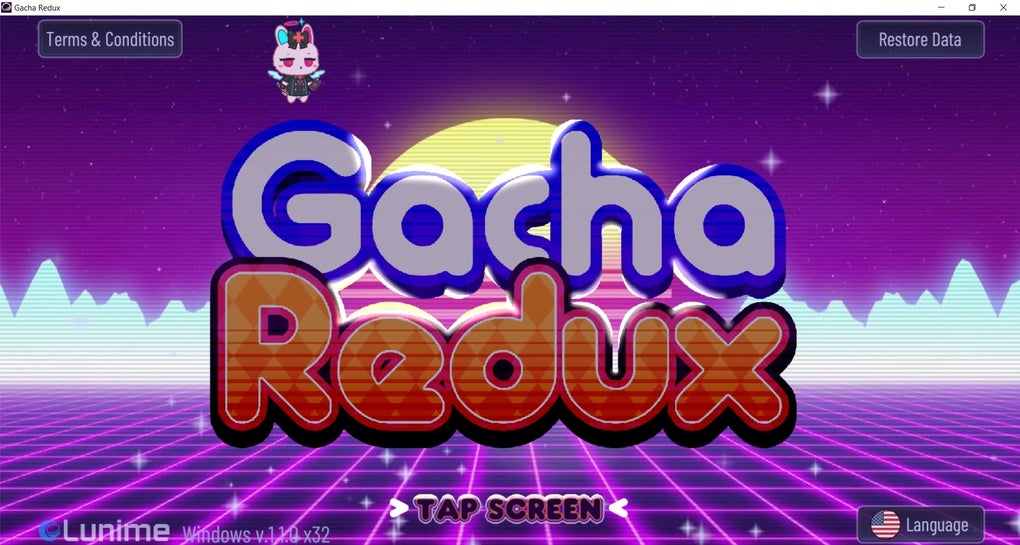
Gacha Redux, a modified version of the popular Gacha Life game, promised a free-to-play experience brimming with customization options. Developed by Dellt Dev, it aimed to capture the essence of the Gacha franchise while offering players a more accessible and arguably enhanced creative studio. However, while it attempted to address some common player frustrations with the official Gacha games, its own set of challenges ultimately hindered its widespread adoption and availability. This article delves into the features, promises, and ultimate shortcomings of Gacha Redux, examining why it ultimately fell short of its potential and disappeared from the digital landscape.
Gacha Redux: What it Offered and What it Lacked
Gacha Redux presented itself as a modified version of Gacha Life, inheriting its core gameplay loop of character creation and customization. Players could design anime-style avatars, outfitting them with a diverse array of clothing, accessories, and cosmetic enhancements. The game touted its key differentiator: the complete absence of in-app purchases. Unlike the official Gacha Life, where premium items often required real-money transactions, Gacha Redux claimed to offer everything in its virtual store for free. This was a significant draw for players frustrated by the pay-to-win aspects present in many other mobile games, particularly within the Gacha genre.
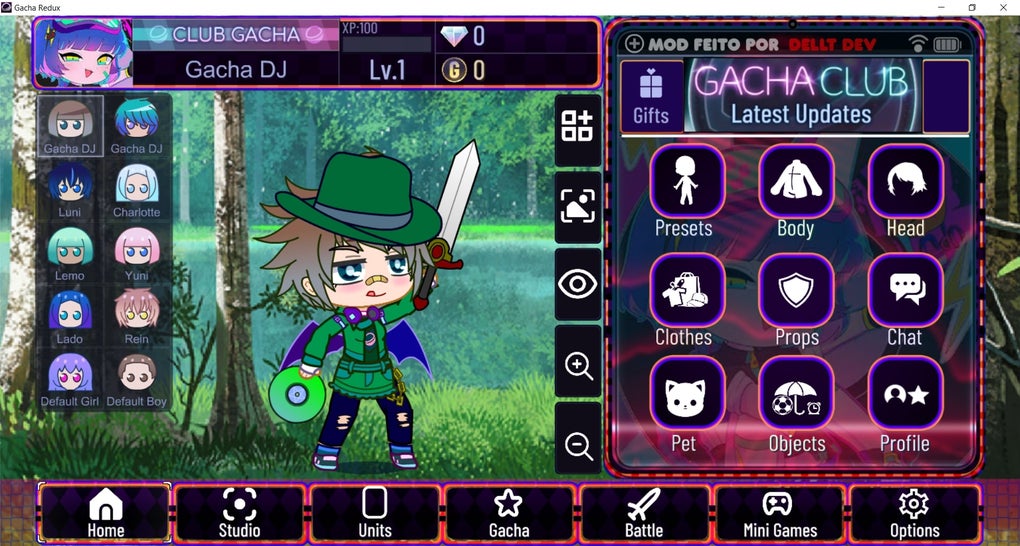
The game also boasted a streamlined user interface (UI), potentially providing a more user-friendly experience than its official counterpart. Specialized sections dedicated to jewelry, allowing players to fine-tune their character’s appearance with tiaras, bows, and various chains, were highlighted as additional features. This focus on character customization aimed to solidify its appeal to the target audience who appreciated the depth and breadth of creative freedom offered by the Gacha franchise.
However, despite these attractive features, Gacha Redux suffered from significant shortcomings that ultimately led to its demise. The most prominently reported issues revolved around installation and launch failures. Many users struggled to successfully install the application onto their devices, and even when installation was achieved, many users reported frequent crashes and unexpected shutdowns during gameplay. This fundamental instability significantly undermined the game’s overall usability and enjoyment, creating a frustrating experience for many potential players.
Furthermore, while the game promised a “free” experience by unlocking all store items, the breadth of available customization options was reportedly limited compared to the official Gacha games and other established competitors in the genre. The reduced selection of clothes and accessories, despite their being free to acquire, hampered the creativity of the players and decreased the overall long-term appeal of the game. A smaller content library, coupled with the technical instability, significantly impacted the user experience and contributed to the overall negative reception.
Comparing Gacha Redux to its Competitors and Alternatives
The market for character customization and role-playing games, particularly those within the Gacha genre, is incredibly saturated. Gacha Redux faced stiff competition from established titles such as Gacha Life, Gacha Club, and various other modified and unofficial versions of these games. While its free-to-play model was a compelling aspect, it wasn’t unique. Several alternative Gacha games offered similar or enhanced customization features, often with more stability and a larger content library.
The popularity and longevity of games like Gacha Life and Gacha Club speak to the refined user experience and dedicated community support they receive from their developers. These games often benefit from regular updates, bug fixes, and the introduction of new content, keeping players engaged and invested in the long-term experience. In contrast, Gacha Redux lacked this sustained support, leading to its early demise and removal from online distribution platforms.
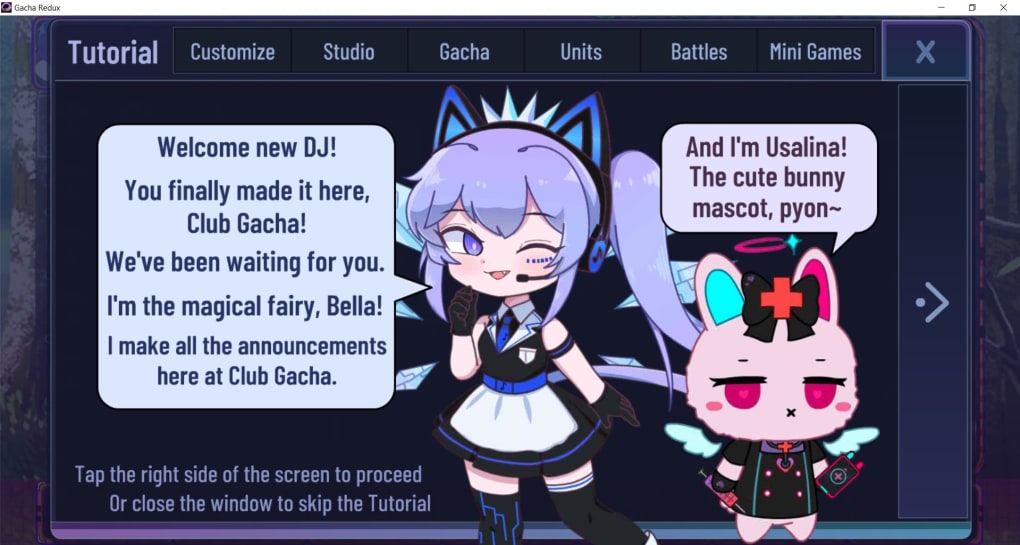
The lack of active maintenance and updates for Gacha Redux likely contributed to the prevalent instability and limited content. A continuously updated game can address technical glitches, improve the overall performance, and expand on the customization options, features, and storylines. This continual development is crucial for retaining players and ensuring their long-term engagement with the game. Gacha Redux’s absence of these crucial elements ultimately resulted in its failure to establish itself within the competitive landscape.
The Impact of Modding and the Gacha Community
Gacha Redux exists within a larger context of modding and fan-created content within the Gacha community. The franchise’s popularity has fostered a thriving modding scene, with individuals creating and sharing modifications to enhance the core game mechanics and aesthetics. These mods often introduce new characters, items, and customization features, adding further depth and personalization to the existing game.
Gacha Redux, as a mod itself, reflects this creative energy within the community. Its intention to provide a free and fully unlocked experience, eliminating paywalls, directly responds to common complaints about the monetization strategies employed within the official Gacha games. This act of modding can be seen as a direct expression of player agency and the desire to shape the gaming experience according to their preferences.
However, the unpredictable nature of modding also carries inherent risks. Unofficial modifications may introduce security vulnerabilities, glitches, or compatibility issues. The absence of official support and quality assurance processes in modded games, like Gacha Redux, often means that any technical problems or security flaws are left unaddressed, significantly impacting the overall user experience. This lack of official support and potential risks highlight a key challenge for mods trying to compete with fully supported official releases.
The Legacy of Gacha Redux: Lessons Learned
The story of Gacha Redux serves as a cautionary tale in the world of game development and modding. While the ambition to provide a free and fully customizable Gacha experience was commendable, the execution fell significantly short of expectations. The significant technical instability, coupled with the limited content selection, proved to be insurmountable obstacles.
The project’s eventual disappearance from distribution platforms emphasizes the importance of comprehensive testing, ongoing maintenance, and community engagement in the success of any game, regardless of its development origin. Focusing solely on appealing features without addressing fundamental issues of stability and functionality will ultimately lead to a negative user experience and a shortened lifespan for the game.
The lesson learned extends to both developers of modified games and players within the modding community. The allure of a free and completely unlocked version of a popular game is strong, but the potential for instability and the absence of official support should be carefully considered before embracing such modifications. Ultimately, Gacha Redux serves as a reminder that a successful game requires not only appealing features but also a robust foundation of stability and ongoing support to thrive within the competitive gaming landscape. The failure of Gacha Redux showcases the critical importance of balancing ambition with practical execution and ensuring that the fundamental elements of a game are properly addressed before focusing on any aesthetic or content-based enhancements.
File Information
- License: “Free”
- Version: “1.0”
- Latest update: “May 19, 2023”
- Platform: “Windows”
- OS: “Windows 7”
- Language: “English”
- Downloads: “23K”
- Size: “125.04 MB”


