
In the vast and ever-evolving universe of video games, where hyper-realistic graphics and complex narratives often dominate the landscape, there remains a powerful gravitational pull towards the classics. Among these enduring gems is Galaxy Strike, an amazing, free Windows game that masterfully captures the essence of retro-style intergalactic battles. Available for download on platforms like PhanMemFree, this title from Gametop serves as a delightful blast from the past for any classic video game fan, inviting players to experience the pure, unadulterated joy of arcade combat.
Galaxy Strike isn’t just another game; it’s a testament to the enduring appeal of simple yet captivating gameplay. Categorized under PC games with a subcategory of Classics, it leans into the golden age of arcade gaming, reminiscent of titles where quick reflexes and strategic maneuvering were paramount. While the reference content specifically mentions “Arkanoid” in connection with its classic subcategory, the primary description of “retro-style intergalactic battles” and its direct alternatives like “Galaxy Shooter - Space Attack” strongly suggest a classic vertical or top-down space shooter experience, where players pilot a spaceship against waves of alien invaders. This interpretation aligns with the spirit of classic arcade combat, offering an experience that is both challenging and incredibly rewarding.
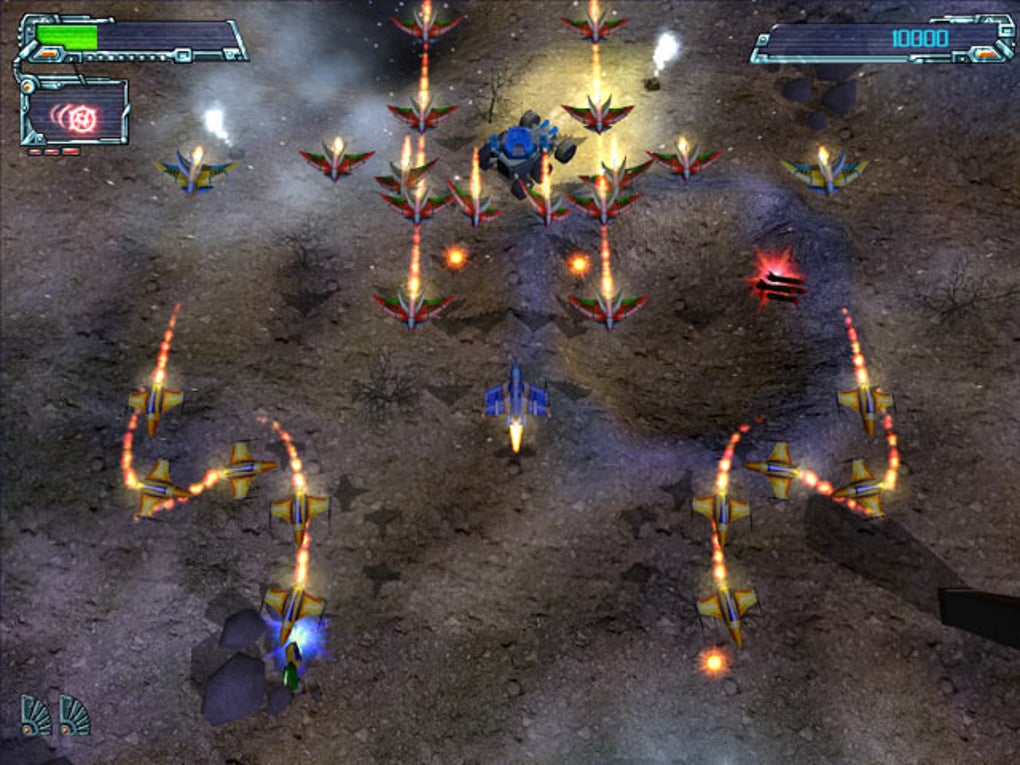
The game’s simplicity is its strength. There are no convoluted storylines to follow or complex skill trees to master. Instead, Galaxy Strike strips away the unnecessary layers, focusing purely on the core mechanics of piloting a craft, dodging enemy fire, and unleashing a barrage of your own. This direct approach makes it immediately accessible to players of all ages and skill levels, providing an instant dose of adrenaline and nostalgic fun. For many, it’s a bridge to their gaming past, recalling countless hours spent at arcade cabinets or in front of early home computers, captivated by the flickering pixels of an alien armada.
The Enduring Allure of Retro Arcade Gaming
The gaming industry has witnessed numerous shifts, from the 8-bit era to the photorealistic landscapes of today’s AAA titles. Yet, the charm of retro arcade games persists, captivating new generations while offering a comforting embrace to veterans. Galaxy Strike perfectly embodies this enduring allure, tapping into a timeless formula that prioritizes engagement over embellishment. Its appeal lies in its straightforward nature, challenging difficulty curves, and the intrinsic satisfaction of achieving a high score.
Revisiting the Classics: Galaxy Strike’s Place
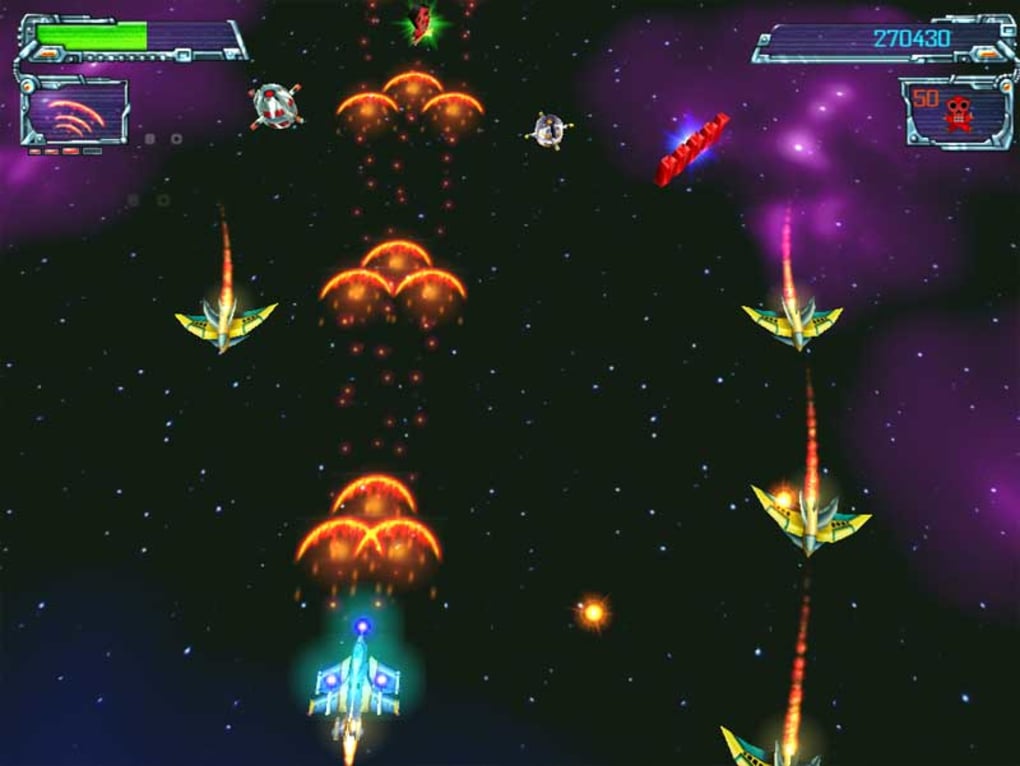
Galaxy Strike occupies a special niche within the vast library of PC games. It’s a classic in every sense of the word, designed to evoke the sensations of games from the late 20th century. The game eschews modern graphical prowess for a visual style that is both functional and nostalgic. Players aren’t just engaging with a game; they are participating in a curated experience that harks back to an era when game design was about maximizing fun within technological constraints. This focus on core gameplay mechanics over elaborate presentations is a hallmark of truly classic titles, and Galaxy Strike delivers on that promise.
Moreover, its availability as a free game further amplifies its status. In a world increasingly dominated by microtransactions and costly expansions, Galaxy Strike offers a complete, engaging experience without a price tag. This accessibility is crucial for its popularity, especially in regions where access to high-end gaming hardware or expensive software might be limited. It allows a broader audience to enjoy high-quality entertainment, fostering a sense of community around shared, simple pleasures.
The Mechanics of Nostalgia: Gameplay and Design
While specific intricate details of Galaxy Strike’s gameplay are not extensively outlined in the provided data, we can infer much from its classification as a “retro-style intergalactic battle” and its alternatives. Players can expect to control a lone spacecraft, pitted against an unending onslaught of alien adversaries. The objective is clear: survive for as long as possible, destroy as many enemies as you can, and achieve the highest score. This loop is the foundation of arcade gaming and the secret to its addictive quality.
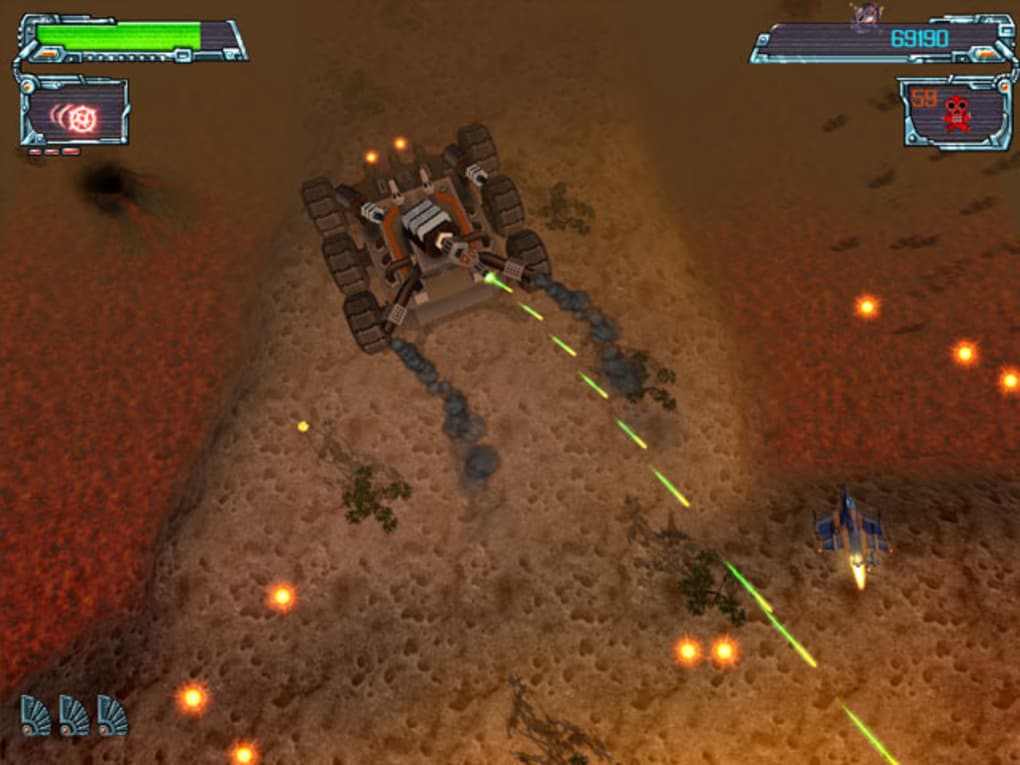
Typical mechanics would include:
- Intuitive Controls: Simple movement (left, right, up, down) and a primary fire button, allowing players to jump straight into the action without a steep learning curve.
- Wave-Based Combat: Enemies appear in increasingly challenging waves, each with distinct patterns and attack methods. This ensures a constant escalation of difficulty and keeps players on their toes.
- Power-Ups: Scattered throughout levels or dropped by defeated enemies, power-ups are crucial for enhancing the player’s ship with stronger weapons, shields, speed boosts, or even extra lives. These strategic pickups add a layer of tactical decision-making to the fast-paced action.
- Boss Battles: Periodically, players might encounter formidable boss ships, demanding more complex strategies and precise dodging to defeat. These encounters provide satisfying climaxes to sets of levels.
- High Score Chase: The ultimate goal in many retro games, including Galaxy Strike, is to outdo your previous best score or compete with friends. This simple metric provides endless replayability and a sense of accomplishment.
The design philosophy behind Galaxy Strike likely emphasizes clear visual feedback, distinct enemy types, and responsive controls. The “Arkanoid” reference, while primarily about block-breaking, could also subtly point to a level design where objectives are contained within a single screen, or enemies appear in fixed, patterned formations that need to be “cleared” before progressing, much like clearing blocks. Regardless, the core experience is about action, reaction, and the thrill of overcoming overwhelming odds through skill.
Diving Deeper into Galaxy Strike
Beyond its immediate gameplay, Galaxy Strike offers insights into how certain games achieve widespread adoption and enduring popularity, particularly in a global context. Its specific platform availability and regional usage statistics paint a picture of accessible gaming reaching diverse audiences.
Platform, Accessibility, and System Requirements
Galaxy Strike is a game built for accessibility. The original information states it’s available for users with “Windows XP and previous versions,” and can be downloaded on Windows 8 as well. This broad compatibility means that even those with older or less powerful computer systems can enjoy the game without requiring significant upgrades. This wide reach is a significant factor in its global appeal, ensuring that a vast segment of the PC-owning population can experience its delights.
The game is exclusively available in English, which, while limiting for some, still caters to a massive global demographic, especially in countries where English is widely understood or a primary second language. Furthermore, its minimal storage footprint is a notable advantage: “Galaxy Strike is a game that takes up less storage space than the average game in the section PC games.” In an age where many games demand hundreds of gigabytes of disk space, Galaxy Strike’s lean design ensures quick downloads and negligible impact on system resources, making it a truly “pick up and play” experience from a technical standpoint. This makes it an ideal choice for systems with limited hard drive space or slower internet connections.
User Engagement and Regional Popularity
The statistics surrounding Galaxy Strike’s downloads and usage are particularly revealing. Since its addition to PhanMemFree’s selection of programs and apps in 2011, the game has managed to achieve over 33,562 downloads. While the “last week it achieved 2 downloads” (as of the 2011/2017 data points) might seem low by modern standards, it indicates a sustained, albeit smaller, trickle of new players discovering the game years after its initial release or update. This longevity speaks volumes about its inherent replayability and the constant search for classic gaming experiences.
Perhaps most interestingly, the data highlights its “very heavily used in Indonesia, India, and Pakistan.” This regional popularity underscores the game’s universal appeal, especially in markets where gaming preferences might lean towards free, accessible, and entertaining titles that do not require cutting-edge hardware. These regions often have a vibrant community of gamers who appreciate solid gameplay mechanics over graphical fidelity, aligning perfectly with what Galaxy Strike offers. The widespread usage in these countries showcases the effectiveness of the free-to-play model for retro-style games and their ability to transcend cultural and economic barriers, delivering pure fun to a broad audience.
A Universe of Alternatives: Comparing Galactic Shooters
The genre of space combat and arcade shooters is a rich tapestry woven with countless titles, each offering its own spin on the fundamental premise of blasting aliens in space. Galaxy Strike sits comfortably within this tradition, but it is by no means alone. Examining its alternatives provides a deeper understanding of the genre’s diversity and the core elements that define it.
Beyond Galaxy Strike: Exploring Similar Titles
PhanMemFree.org lists several alternatives and related games that share Galaxy Strike’s spirit:
- Galaxy Shooter - Space Attack: Described as a “Free sci-fi vertical shooter,” this game immediately presents itself as a direct contemporary or successor to Galaxy Strike’s style. Vertical shooters are a staple of the arcade genre, demanding precise dodging and relentless firing.
- Alien Wars: A “Fun, challenging space shooter,” Alien Wars reiterates the genre’s commitment to engaging combat and difficulty. The term “challenging” often implies dynamic enemy patterns and tough bosses, characteristic of classic arcade experiences.
- Star Defender 4: This title encourages players to “Blast aliens in Star Defender 4,” signifying a focus on intense combat and enemy destruction. The “Star Defender” series is well-known for its space shooter pedigree, offering multiple levels and diverse alien types.
- Space Invaders: A truly iconic game, “Space Invaders” represents the foundational DNA of the space shooter genre. Its inclusion as an alternative underlines Galaxy Strike’s connection to the earliest and most influential arcade classics. The slow, methodical descent of enemy rows and the player’s limited lateral movement defined an era.
- Reincarnation: Described as “A truly chaotic old-school space shooter,” this game promises high-octane action reminiscent of the more frantic bullet-hell shooters, or at least a challenging environment with numerous projectiles and enemies.
- Last Space Fighter: A “3D top-down scroll shooter” where a “Human space colony was attacked by aggressive alien invaders.” This suggests a more modern take on the classic formula, incorporating 3D graphics while retaining the core top-down shooter perspective.
- Deadly Stars: Another free program by Gametop, this title suggests a similar developer philosophy to Galaxy Strike, likely focusing on accessible, engaging arcade action.
These comparisons highlight Galaxy Strike’s adherence to a well-established and beloved genre. While each game might offer unique graphical styles, weapon systems, or narrative elements, the core loop of flying a ship, shooting enemies, and surviving remains consistent. This consistency is precisely why these games continue to resonate; they offer a pure, distilled form of interactive entertainment.
The Free-to-Play Retro Landscape
The prevalence of free-to-play retro games like Galaxy Strike on platforms such as PhanMemFree.org speaks volumes about the current state of gaming. These titles serve multiple purposes: they offer a low-barrier entry point for casual gamers, provide a nostalgic trip for older players, and importantly, preserve the gaming heritage for future generations. For developers like Gametop, creating such games allows them to reach a massive audience and build a reputation for delivering accessible fun.
The free model ensures that games like Galaxy Strike aren’t confined to a niche audience willing to pay for vintage experiences. Instead, they become communal digital playgrounds, accessible to anyone with a compatible system and an internet connection. This model not only democratizes gaming but also keeps the spirit of arcade challenges alive, proving that compelling gameplay doesn’t always have to come with a hefty price tag or cutting-edge technology. The vibrant ecosystem of free retro games on PhanMemFree.org underscores a powerful truth: sometimes, the simplest forms of entertainment are the most profound and widely appreciated.
The Legacy and Future of Simple Space Combat Games
Galaxy Strike, like many of its retro brethren, carries a significant legacy that transcends its technical specifications. It represents a philosophy of game design that prioritizes immediate fun, skill-based challenges, and endless replayability. As the gaming industry continues its relentless march towards greater complexity, games like Galaxy Strike stand as steadfast reminders of the power of simplicity.
Why Galaxy Strike Still Matters
Galaxy Strike matters because it embodies several timeless principles of what makes a video game truly engaging:
- Pure Fun: It’s designed purely for entertainment. There’s no educational pretense, no social commentary, just the thrill of piloting a ship and obliterating enemies. This unadulterated fun is a cornerstone of gaming’s appeal.
- Skill-Based Mastery: Unlike games that rely on complex statistics or gear, success in Galaxy Strike is largely determined by player skill. Reflexes, pattern recognition, and strategic movement are key, offering a deeply satisfying sense of personal achievement with every high score.
- Accessibility: Its free nature, small file size, and compatibility with older operating systems make it incredibly accessible. This ensures that the joy of classic arcade action is not limited by economic barriers or technological limitations, allowing more people worldwide to participate.
- Nostalgia and Preservation: For many, Galaxy Strike is a direct link to their past. For younger players, it offers a glimpse into the foundational experiences that shaped modern gaming. Platforms like PhanMemFree play a crucial role in preserving these digital artifacts, making them available for discovery and enjoyment.
- Stress Relief: The straightforward, repetitive yet challenging nature of such games can be incredibly therapeutic. The focus required to dodge bullets and destroy enemies provides a welcome distraction from daily stressors, offering a meditative yet exciting escape.
The Timelessness of Arcade Fun
The enduring popularity of titles like Galaxy Strike is a testament to the timelessness of arcade fun. These games don’t need sprawling open worlds or cinematic cutscenes to captivate an audience. Their magic lies in the immediate feedback loop of action and reaction, the thrill of overcoming ever-increasing odds, and the simple satisfaction of a high score. They represent a fundamental truth about gaming: that at its core, it is about interaction, challenge, and the joy of play.
Galaxy Strike, offered freely by Gametop and distributed through platforms like PhanMemFree.org, serves as a vital bridge between gaming’s past and present. It’s a reminder that sometimes, the most sophisticated gaming experiences come not from cutting-edge technology, but from perfectly refined, classic mechanics. For anyone looking for a dose of pure, unadulterated retro space combat, Galaxy Strike offers an amazing, free voyage back to the golden age of arcade gaming—a journey that promises to be as challenging as it is delightful. Its persistent presence and quiet popularity in various corners of the world confirm its status not just as a game, but as a cherished piece of digital heritage, continuing to strike a chord with players seeking timeless fun in an ever-changing galaxy.
File Information
- License: “Free”
- Latest update: “February 8, 2017”
- Platform: “Windows”
- OS: “Windows 8”
- Language: “English”
- Downloads: “21.4K”
- Size: “15.12 MB”


