
Games for Windows Live (GFWL) was a digital rights management (DRM) and online services platform developed by Microsoft for PC games. Launched in 2006, it aimed to integrate the popular features of Xbox Live into the PC gaming experience, providing a unified platform for online multiplayer, achievements, and social networking. While initially promising, GFWL ultimately faced criticism and was eventually sunsetted, leaving behind a complex legacy in the history of PC gaming. This article will explore the features, impact, and ultimate decline of Games for Windows Live.
The Promise of Integrated PC Gaming
At its launch, GFWL presented a compelling vision for PC gaming. Microsoft aimed to bridge the gap between the console and PC gaming ecosystems, offering PC gamers access to similar features enjoyed by Xbox 360 users. The platform promised seamless online multiplayer experiences, achievement tracking mirroring the Xbox Live system, and a social networking component allowing players to connect with friends and rivals. The integration of a robust matchmaking system, powered by Microsoft’s TrueSkill technology, aimed to provide balanced and fair online competition. This was a significant feature, as at the time, many PC games struggled with effective matchmaking, leading to uneven gameplay experiences.
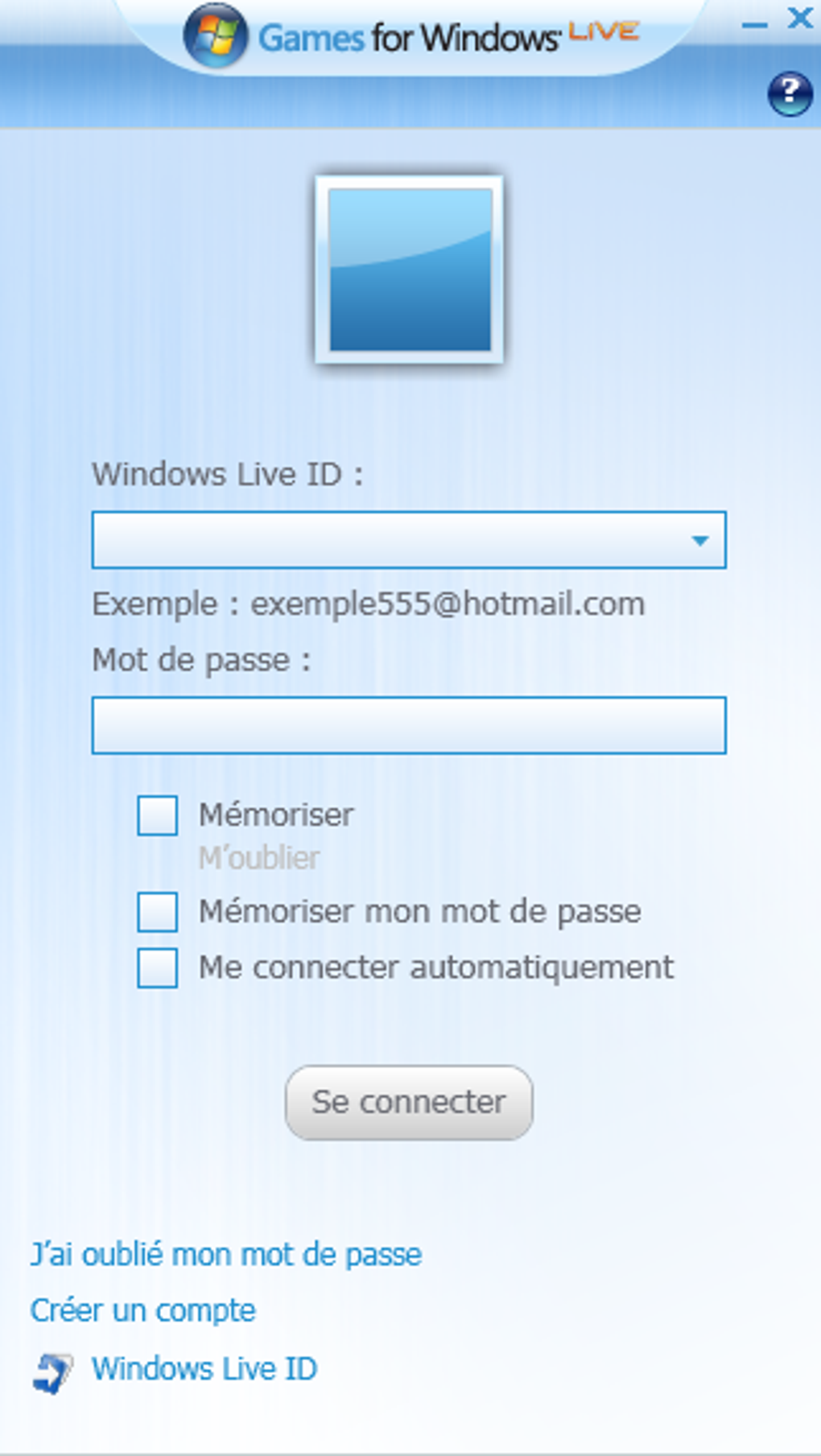
GFWL aimed to be more than just a multiplayer platform; it also functioned as a DRM system. Games utilizing GFWL required players to create an account and log in to play, effectively preventing unauthorized copying and distribution. This was a controversial aspect, as it added an extra layer of complexity to the gaming experience and introduced potential points of failure. However, for publishers and developers, it provided a mechanism to protect their intellectual property and combat piracy.
The inclusion of achievements and a GamerScore was a significant draw for many players. The familiar system from Xbox Live incentivized players to explore game mechanics, complete challenges, and strive for higher scores. This gamified element enhanced the single-player experience for many titles and fostered a sense of accomplishment and competition. The ability to compare achievements and GamerScores with friends added another layer of social interaction to the platform.
Features and Functionality of GFWL
GFWL offered a range of features designed to enhance the PC gaming experience, including:
-
Online Multiplayer: GFWL facilitated online multiplayer gameplay across a wide variety of titles. The platform’s matchmaking system utilized TrueSkill, an algorithm designed to match players of similar skill levels, promoting balanced and competitive gameplay. However, this system occasionally hindered the ability of friends with significantly different skill levels to play together.
-
Achievements and GamerScore: The system tracked player achievements within compatible games, awarding points (GamerScore) for completing various in-game tasks. This familiar system from Xbox Live proved popular, adding a layer of depth and replayability to many games.
-
Social Networking: GFWL allowed players to connect with friends, view their profiles, and communicate through text and voice chat. This social layer, while basic compared to dedicated social networks, fostered community and interaction among gamers. However, it was a feature that lacked the robust functionality and widespread adoption seen on other platforms.
-
Game Downloads and Purchases: The platform integrated with the Games for Windows Marketplace, enabling users to directly purchase and download compatible games. This streamlined the process of acquiring new titles and simplified game installation.
-
TrueSkill Matching: This innovative technology was designed to assess player skill and pair gamers in online matches based on their ability. While often effective at creating balanced gameplay, it sometimes proved a barrier for friends wishing to play together despite differing skill levels.
The Decline and Demise of GFWL
Despite its initial promise, GFWL’s popularity and efficacy waned over time. Several factors contributed to its eventual demise:
-
Technical Issues: GFWL suffered from numerous technical problems, including instability, frequent crashes, and difficulty connecting to servers. These issues created a frustrating experience for many users.
-
Security Concerns: The platform was not immune to security vulnerabilities, making it a potential target for hackers and malicious actors. This raised concerns about the security of player data and potentially compromised the integrity of games.
-
Lack of Innovation: As other online gaming platforms emerged with more advanced features, GFWL struggled to keep pace. Its social networking features were simplistic and its interface lacked modern usability.
-
Publisher Abandonment: Many game developers and publishers eventually abandoned GFWL support in favor of alternative solutions such as Steam, Origin, and other dedicated online services. This transition signaled the declining relevance of GFWL within the gaming industry.
-
Poor User Experience: The platform’s user interface was considered clunky and unintuitive, making it difficult for users to navigate and fully utilize its features. This lack of user-friendliness alienated potential customers.
In 2014, Microsoft announced the official shutdown of Games for Windows Live, effectively ending its lifespan. Many games originally relying on GFWL were either patched to remove the dependency or made unavailable, highlighting the platform’s failure to achieve lasting relevance in the competitive PC gaming marketplace.
Alternatives and Legacy
The demise of GFWL opened the door for other platforms to solidify their positions in the PC gaming market. Steam, in particular, benefited significantly from the GFWL’s shortcomings, gaining widespread adoption as the dominant PC game distribution and online service platform. Other services such as Origin (Electronic Arts), GOG (Good Old Games), and Epic Games Store also saw growth as gamers sought alternatives.
The legacy of Games for Windows Live is a mixed one. While it attempted to unify the PC gaming experience and bring features popular on consoles to PCs, its flawed execution ultimately led to its failure. The platform’s technical issues, security concerns, and lack of innovation overshadowed its initial promise. The experience serves as a cautionary tale for digital rights management systems and the need for user-friendly, robust online services in the ever-evolving world of PC gaming. Its decline paved the way for more successful and user-friendly platforms, permanently altering the landscape of PC gaming distribution and online interactions. Although GFWL is gone, its impact on the industry’s evolution remains a notable chapter in the history of PC gaming.
File Information
- License: “Free”
- Latest update: “July 11, 2023”
- Platform: “Windows”
- OS: “Windows Vista”
- Language: “English”
- Downloads: “407.4K”
- Size: “642.71 KB”


