
Gangstar Rio: City of Saints, the third installment in Gameloft’s Grand Theft Auto-inspired series, plunges players into the vibrant and chaotic streets of Rio de Janeiro. This open-world action-adventure game offers a compelling storyline, a diverse range of vehicles and weaponry, and a stunningly detailed recreation of the iconic Brazilian city. While not without its flaws, Gangstar Rio: City of Saints provides a captivating experience for players seeking a thrilling sandbox adventure with a distinctly Brazilian flavor.
A Story of Disillusionment and Rebellion
The game’s narrative centers around a Brazilian gangster disillusioned with his criminal crew. Tired of the life of crime, he seeks to break free from the shackles of his past and forge a new path. This personal journey forms the backbone of the main storyline, unfolding through a series of missions that progressively unveil the intricacies of Rio’s underworld and the complex relationships within it. Players are tasked with navigating treacherous alliances, outsmarting rival gangs, and ultimately confronting the consequences of their choices. The storyline, while not groundbreaking in its overall structure, effectively utilizes the game’s setting to create a compelling and engaging experience, blending action sequences with moments of character development and narrative intrigue. The missions themselves offer a diverse range of objectives, from high-speed chases and intense shootouts to stealth operations and intricate heists, keeping the gameplay fresh and exciting. The narrative threads weave together seamlessly, creating a story that feels both personal and relevant to the wider context of the game’s environment.

Exploring the Vibrant Cityscape of Rio de Janeiro
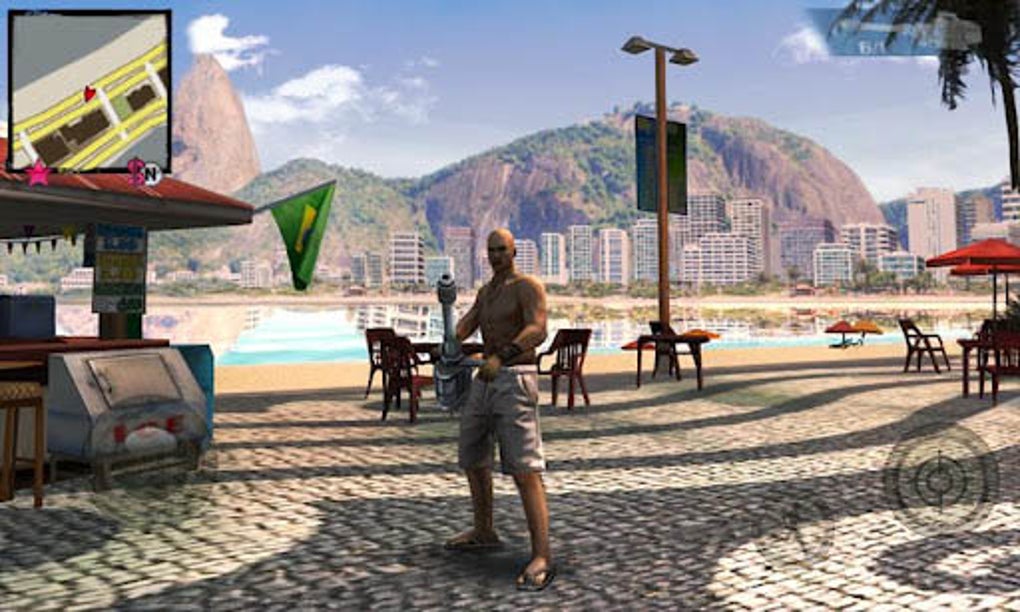
One of the most impressive aspects of Gangstar Rio: City of Saints is its remarkably detailed recreation of Rio de Janeiro. From the bustling city center to the sprawling favelas and the sun-kissed beaches, the game meticulously captures the unique character and atmosphere of the city. Players are free to explore this vast open-world environment at their own pace, discovering hidden locations, engaging in impromptu street races, or simply taking in the sights and sounds of this iconic metropolis. The level of detail extends beyond the visual representation; the soundscapes are equally immersive, with authentic Brazilian music and ambient noises enhancing the overall atmosphere. The diversity of the city’s districts is effectively captured, providing a rich tapestry of locations for players to explore and interact with. The game doesn’t shy away from depicting the contrasts within Rio, showcasing both the vibrant beauty and the grittier realities of the city. This multifaceted portrayal is a key element in creating an authentic and engaging game world.
Gameplay Mechanics and Controls
The game utilizes a combination of on-screen controls, including a virtual joystick for movement and buttons for actions such as sprinting, attacking, and shooting. While this control scheme is functional and intuitive, it inevitably falls short of the precision and fluidity offered by physical controllers. The touch-based controls work adequately for most gameplay scenarios, but players might find some limitations in the more demanding action sequences. The camera controls allow for easy panning and zooming, providing players with a good overview of their surroundings. The system is relatively straightforward to learn, making the game accessible to players of varying skill levels. However, the lack of customization options for the control scheme might be a limitation for some players. The developers have successfully adapted the controls to the mobile platform, ensuring a generally smooth and responsive playing experience.
A Diverse Arsenal of Vehicles and Weapons
Gangstar Rio: City of Saints offers players a wide array of vehicles to commandeer, ranging from sleek sports cars and powerful motorcycles to rugged off-road buggies and even tanks and airplanes. Each vehicle boasts its own unique handling characteristics, adding another layer of depth to the gameplay. Furthermore, the vehicles feature integrated radio stations playing a mix of Brazilian music and talk radio, which dynamically updates to reflect events within the game world. This attention to detail enriches the overall experience, creating a dynamic and responsive environment. The weapon selection is equally diverse, encompassing a variety of firearms, explosives, and melee weapons, allowing players to approach missions in various styles, from stealthy assassinations to all-out firefights. This freedom of choice ensures that the gameplay remains engaging and challenging throughout the game’s progression. The sheer variety of options available ensures that players can find a weapon or vehicle that suits their preferred playstyle.

Visuals, Sound Design, and Voice Acting
The game boasts impressive 3D graphics, meticulously rendering the landscapes and environments of Rio de Janeiro. The visual detail is particularly striking in the recreations of iconic landmarks and neighborhoods. However, while the graphics are generally impressive for a mobile game, some textures and character models show their age, particularly when compared to more modern open-world titles. The sound design, particularly the music and ambient sounds, is a considerable strength, effectively immersing the player in the atmosphere of Rio. Unfortunately, the voice acting is a weak point, often lacking in quality and relying on stereotypical portrayals of characters. The dialogue, while sometimes aiming for humor, can occasionally fall flat, impacting the overall immersion. The overall presentation is nevertheless quite striking, creating a world that is both visually appealing and sonically rich, despite some shortcomings in the voice acting.
Weaknesses and Limitations
While Gangstar Rio: City of Saints excels in many aspects, it is not without its flaws. The open-world exploration, while initially engaging, can become repetitive after a certain point, lacking the sheer depth and variety found in larger, more established open-world games. The control scheme, while functional, is not ideal for precise maneuvering, particularly during intense action sequences. The voice acting, as mentioned earlier, falls short of expectations, sometimes distracting from the overall experience. Furthermore, the game suffers from occasional technical glitches and bugs, which can disrupt the flow of gameplay. Despite these limitations, the game’s overall strengths outweigh its weaknesses, delivering a compelling and enjoyable experience for many players.
Conclusion: A Fun-Filled Rampage in Rio
Gangstar Rio: City of Saints offers a thrilling open-world experience set against the backdrop of the vibrant and chaotic city of Rio de Janeiro. The game’s strengths lie in its compelling storyline, its detailed recreation of the city, its diverse range of vehicles and weapons, and its generally immersive atmosphere. While issues such as the occasionally repetitive open-world exploration, the less-than-stellar voice acting, and some technical imperfections exist, they do not detract significantly from the overall enjoyable experience. For players seeking a fun, action-packed game with a unique setting and a decent story, Gangstar Rio: City of Saints remains a solid choice. Its combination of engaging gameplay, stunning visuals, and a compelling narrative makes it a worthwhile addition to any mobile gamer’s library. The game successfully captures the energy and vibrancy of Rio, offering a memorable open-world adventure that players are likely to revisit time and again.
File Information
- License: “Full”
- Version: “1.2.2b”
- Latest update: “May 24, 2023”
- Platform: “Android”
- OS: “Android 9.0”
- Language: “English”
- Downloads: “174.1K”
- Download Options: “Google Play”


