
GNU Backgammon is a free, open-source backgammon program available for various operating systems. More than just a game, it’s a sophisticated engine capable of playing at a championship level, analyzing games, and even learning and improving its gameplay through machine learning techniques. While its interface may appear initially simple, especially compared to modern, graphically rich backgammon games, GNU Backgammon offers a depth and versatility that appeals to both casual players and serious backgammon enthusiasts. This article delves into the features, capabilities, and history of GNU Backgammon, exploring its strengths and weaknesses.
Gameplay and Features
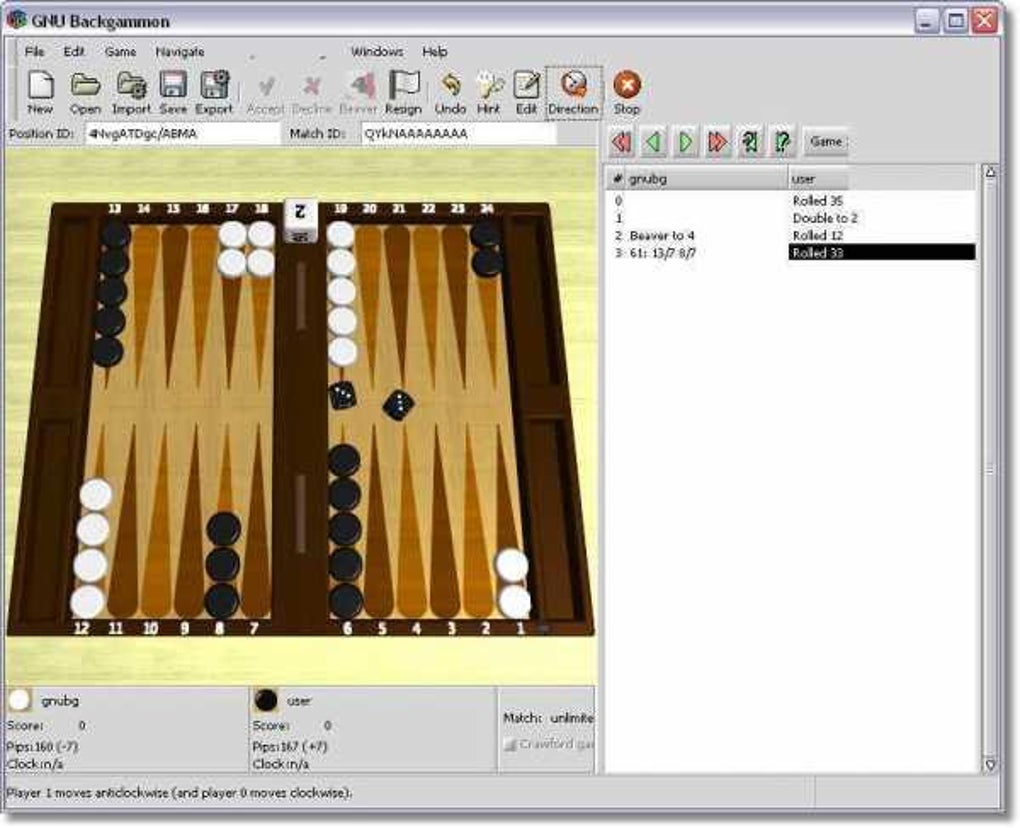
GNU Backgammon’s core strength lies in its powerful backgammon engine. Unlike many casual backgammon games that prioritize a visually appealing interface, GNU Backgammon focuses on the strategic and analytical aspects of the game. The original version featured a text-based interface, displaying the game board using ASCII characters. While this might seem outdated to players accustomed to visually rich graphics, the text-based interface contributes to the program’s lightweight nature and allows it to run on a wider range of systems with minimal resource requirements. Modern adaptations may incorporate more visually appealing interfaces, though the underlying engine remains the core of the experience.
Beyond simply playing a game, GNU Backgammon offers a range of features that cater to both casual and serious players:
-
Independent Game Play: The program can play against a human opponent, offering various difficulty levels (or skill levels) adjusted to the user’s preferences. This allows players of all skill levels to enjoy the challenge.
-
Tournament Matches: The software supports simulating tournament matches, allowing users to experience the competitive aspect of backgammon without needing to connect to an online server. This feature is particularly valuable for practicing tournament strategies and understanding the nuances of longer match formats.
-
Position Evaluation and Rollout: GNU Backgammon possesses a sophisticated evaluation function, assessing the strengths and weaknesses of a given position on the board. This is enhanced by its rollout capabilities – simulating multiple possible game outcomes from a specific point, allowing for more informed decision-making.
-
Self-Tuning Evaluation Functions: This is where GNU Backgammon’s machine learning capabilities come into play. The program can utilize Temporal Difference (TD) learning or supervised training methods to refine its evaluation function over time, leading to improved gameplay and strategic understanding. This continuous learning is a unique aspect that sets GNU Backgammon apart from many other backgammon programs.
-
Position Databases: The program maintains databases of game positions, used for both training its evaluation function and for analysis. This allows the engine to learn from past games, identify recurring patterns, and adapt its strategy accordingly. The database acts as a repository of strategic knowledge, constantly expanding and refining the engine’s capabilities.
-
Command-Line Interface (CLI): Initially, GNU Backgammon was primarily driven through a CLI. While this might seem less user-friendly than a graphical user interface (GUI), the CLI provides a direct and efficient way to interact with the engine, particularly for users comfortable with command-line tools and scripting. The CLI also enables automation of tasks, like running large-scale simulations or analyzing large datasets of game positions. Later versions often offer a GUI as well, improving user experience.
Technical Aspects and Development
GNU Backgammon’s architecture is built upon open-source principles, allowing for community contributions and modifications. This collaborative aspect is crucial to the program’s evolution and enhancement. The codebase is typically written in a programming language like C, known for its efficiency and performance, making the engine capable of handling complex game calculations quickly and effectively.
The project’s history reflects its ongoing development and improvement. The initial release was likely relatively simple, focusing on the core backgammon engine and basic gameplay. However, over time, developers have added new features, improved the evaluation function, and enhanced the program’s overall performance and capabilities. The integration of machine learning algorithms represents a significant milestone, showcasing the project’s commitment to pushing the boundaries of backgammon AI. This continuous evolution makes GNU Backgammon a dynamic and evolving project, continually adapting and improving based on user feedback, technological advancements, and algorithmic improvements.
Comparison with Other Backgammon Software
GNU Backgammon’s position in the backgammon software landscape is unique. Unlike many commercially available backgammon programs focusing primarily on appealing graphics and user-friendly interfaces, GNU Backgammon prioritizes the engine’s strength and analytical capabilities. This focus makes it a valuable tool for serious players and researchers interested in the algorithmic aspects of backgammon.
Compared to commercial programs, GNU Backgammon may lack the polished visual appeal and intuitive GUI of some competitors. However, its strengths lie in its open-source nature, powerful engine, and capacity for self-improvement through machine learning. This makes it a powerful tool for learning, practicing, and analyzing backgammon strategies, especially for players who prioritize a strong backgammon engine over a highly stylized interface.
User Reviews and Community Feedback
User reviews often highlight a dichotomy between GNU Backgammon’s powerful engine and the relatively simple interface. While many praise the program’s strength as a backgammon AI and its analytical capabilities, some users express frustration with the interface, particularly older text-based versions. This reflects the trade-offs inherent in the design philosophy of prioritizing the engine over purely aesthetic aspects.
The open-source nature of GNU Backgammon means community feedback plays a crucial role in its development. Constructive criticism and suggestions from users can lead to improvements in both the engine and the user experience. This community involvement contributes significantly to the ongoing evolution of GNU Backgammon and its adaptability to user needs.
Conclusion
GNU Backgammon represents a unique and valuable contribution to the world of backgammon software. While it may not appeal to those solely seeking a visually appealing game, its focus on a powerful backgammon engine, advanced analysis capabilities, and self-learning features makes it an essential tool for serious players, researchers, and anyone interested in the algorithmic challenges of backgammon. Its open-source nature ensures its continuous development and adaptation, fueled by the contributions of a dedicated community. Whether you’re a seasoned backgammon player or a curious programmer, GNU Backgammon offers a deep and rewarding experience that goes far beyond the typical casual backgammon game. Its legacy lies not in its visual elegance, but in its strength as a continually evolving and improving backgammon AI engine.
File Information
- License: “Free”
- Latest update: “May 24, 2023”
- Platform: “Windows”
- OS: “Windows XP”
- Language: “English”
- Downloads: “24.9K”
- Size: “50.53 MB”


