GO HOME for Android is a free-to-play adventure game developed by ItimatuSuzuka, offering a unique blend of nostalgic horror and action-packed gameplay. Set in a haunted residential area of Japan during the 2000s, the game eschews modern graphical polish for a distinctly retro aesthetic, making it surprisingly accessible and enjoyable for a broad range of players. This deliberate stylistic choice contributes to the game’s overall atmosphere, enhancing the unsettling and suspenseful elements inherent in its horror theme. Rather than relying on jump scares, GO HOME creates a persistent sense of unease through its environment, sound design, and the subtle creepiness that unfolds as players progress through the game’s narrative.
Gameplay and Mechanics
GO HOME for Android isn’t just about exploring a creepy setting; it presents players with a series of challenges and obstacles that require both strategic thinking and quick reflexes. The gameplay incorporates elements of exploration, puzzle-solving, and action, demanding a versatile approach from players. Navigating the environment involves uncovering hidden clues, interacting with objects within the game world, and carefully managing resources.
The game’s puzzles are integrated seamlessly into the narrative and environment, adding to the overall immersive experience. They aren’t overly complex, yet require sufficient thought and observation to solve, creating a satisfying sense of accomplishment upon successfully overcoming them. The integration of puzzles prevents the gameplay from becoming solely reliant on action sequences, offering a more balanced and engaging experience.
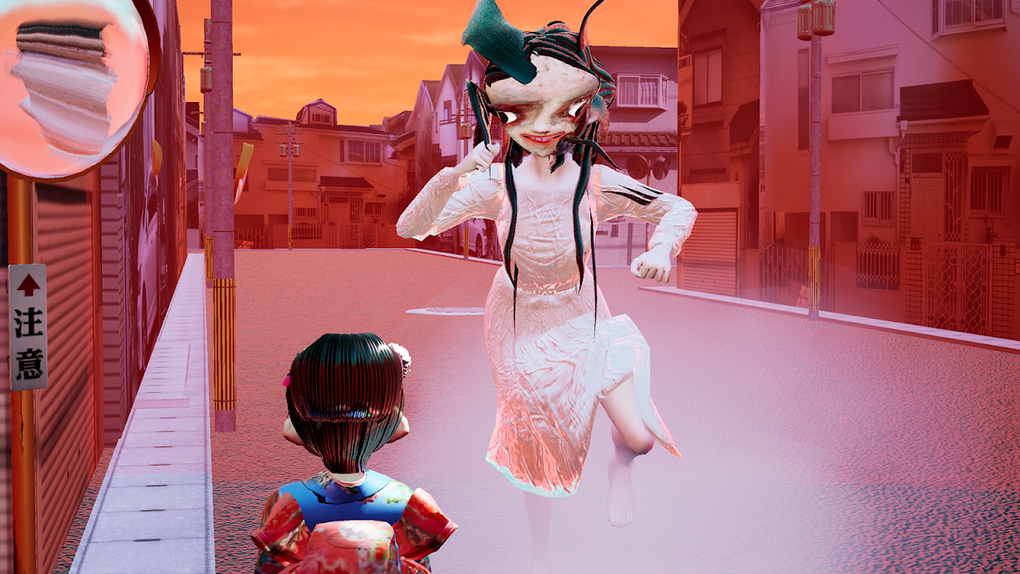
The action sequences in GO HOME are tense and engaging. Players encounter a variety of antagonists, each demanding a different strategic approach. The developers have avoided relying on generic enemy encounters; instead, each enemy has distinct behaviors and weaknesses that players need to identify and exploit to progress. This adds a layer of strategic depth to the otherwise straightforward action segments, making combat encounters more than mere button-mashing exercises.
The game cleverly utilizes the environment to its advantage. Players will find themselves using the surroundings to their benefit during both puzzle-solving and combat encounters. This innovative use of level design creates a cohesive and engaging gameplay loop, where the exploration, puzzle-solving, and action elements seamlessly complement one another. It avoids the pitfalls of compartmentalized gameplay, resulting in a more integrated and satisfying gaming experience.
Graphics and Sound Design
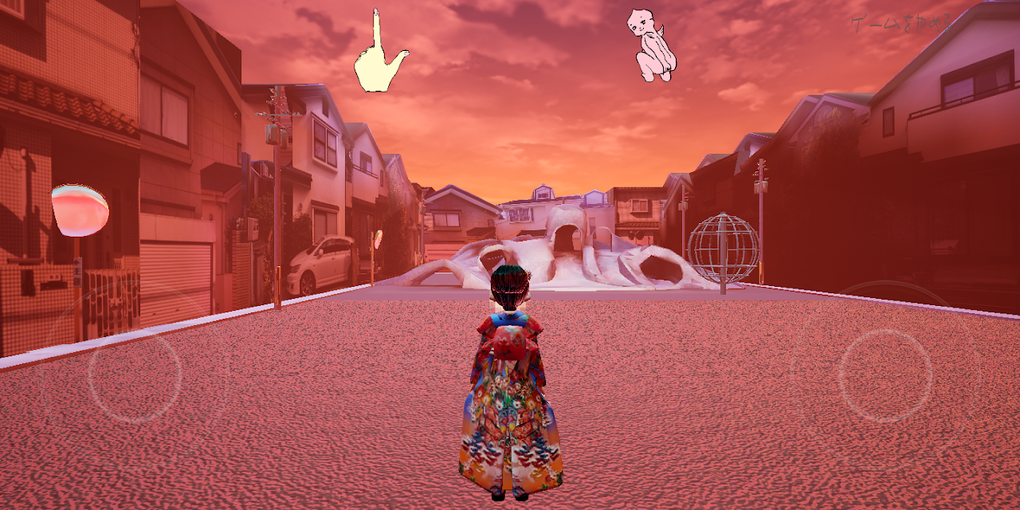
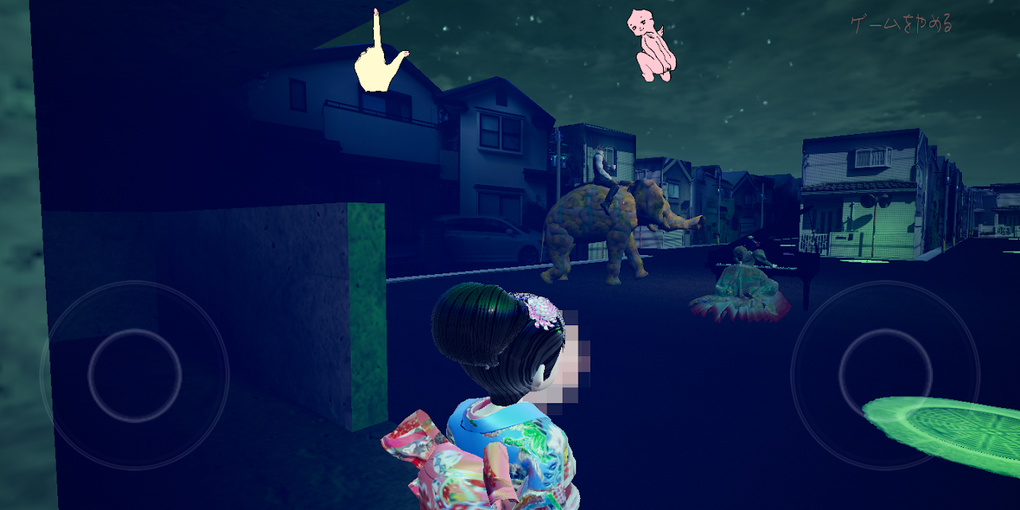
While not boasting cutting-edge visuals, GO HOME’s graphics are remarkably effective in conveying the game’s atmosphere. The developers have opted for a style that evokes a sense of nostalgia for the era in which the game is set, using a lower-polygonal aesthetic to achieve this. This decision, rather than being a limitation, enhances the game’s overall horror elements by creating a sense of unease and vulnerability. The deliberate lack of hyper-realism allows the player’s imagination to fill in the gaps, further intensifying the frightening experience.
The detailed depiction of the residential area itself is noteworthy. Each location within the game world has a distinct character and atmosphere, from the dimly lit alleyways to the unsettling interiors of the houses. This attention to detail enhances the game’s immersive qualities, making the environment feel both realistic and menacing. The game’s visual style perfectly aligns with the overall thematic elements, contributing to the game’s success in crafting a truly unsettling experience.
The sound design complements the graphics flawlessly. The background music is subtly unsettling, building suspense and creating an appropriate atmosphere of unease without overwhelming the player. Sound effects are equally well-executed, enhancing the impact of various gameplay moments. The interplay between sound and visuals contributes significantly to the overall horror experience, creating a more immersive and impactful gaming experience.
The audio design expertly utilizes environmental sounds to heighten the tension. Creaks, whispers, and distant noises create an almost palpable sense of dread, leaving the player constantly on edge, anticipating the next unexpected event. This meticulous attention to detail elevates GO HOME beyond a simple horror game, transforming it into a truly atmospheric and immersive experience.
Story and Setting
GO HOME’s narrative unfolds gradually, revealing more about the story’s mysteries as the player progresses through the game. The lack of explicit exposition allows the player to piece together the story through environmental clues, adding to the game’s overall sense of mystery and suspense. The game doesn’t explicitly hold the player’s hand; it encourages exploration and observation, rewarding players who take the time to investigate their surroundings.
The game’s setting in 2000s Japan is not merely a backdrop; it’s a crucial element of the game’s overall atmosphere. The specific era influences the visual style, the music, and even the types of enemies encountered. The use of this specific time period as a setting adds a layer of authenticity and immersive quality to the game, distinguishing it from other horror games that might opt for more generic settings.
The narrative and setting intertwine effectively, creating a unified and cohesive experience. The setting’s specific characteristics contribute to the story’s overall tone and themes, resulting in a more immersive and memorable experience for the player. The carefully crafted setting is instrumental in creating a believable and unsettling world for the player to inhabit.
Comparison with Other Games
While GO HOME shares similarities with other horror adventure games, its unique blend of nostalgia, atmospheric design, and strategic gameplay sets it apart from its contemporaries. Many horror games rely heavily on jump scares or overwhelming gore to create fear, but GO HOME adopts a more subtle and psychological approach.
Unlike games that focus solely on intense action sequences or intricate puzzles, GO HOME integrates both elements seamlessly, offering a varied and balanced gaming experience. The game’s pacing is well-managed, effectively balancing moments of intense action with periods of exploration and puzzle-solving, preventing the gameplay from becoming repetitive or monotonous.
The retro aesthetic further distinguishes GO HOME. The choice to forgo modern graphics enhances the game’s unsettling atmosphere, rather than detracting from its overall quality. This deliberate stylistic choice, combined with the game’s well-crafted sound design and atmospheric setting, results in a unique gaming experience that’s both memorable and effective.
Conclusion
GO HOME for Android is a remarkable achievement in the horror genre. It’s a testament to the power of atmosphere, clever design, and strategic gameplay. Its understated approach to horror, combined with its unique aesthetic and engaging narrative, makes it a captivating experience for players seeking a thrilling and unsettling adventure. The game manages to be both accessible and challenging, appealing to a broad range of players while still offering a significant level of depth and replayability. The thoughtful blend of nostalgia and innovative design elements makes GO HOME a standout title in the crowded mobile gaming market. It’s a game that truly deserves recognition for its unique approach to horror, its engaging gameplay mechanics, and its thoroughly immersive and unsettling atmosphere. For those looking for a spooky, yet engaging, mobile gaming experience, GO HOME is a must-try.
File Information
- License: “Free”
- Version: “1.0”
- Latest update: “February 13, 2024”
- Platform: “Android”
- OS: “Android 9.0”
- Downloads: “4K”
- Size: “58.87 MB”
- Download Options: “APK, Google Play”
- Filename: “com-gohome-szk-46-63615760-f9e8f90d2ee0aaa1b4decb623a0171fa.apk”