
The Google Earth Plugin, a now-defunct but historically significant application, offered users a revolutionary way to experience the world through the lens of Google Earth. While no longer supported, understanding its capabilities provides insight into the evolution of digital mapping and 3D visualization technologies. This article explores the features, functionalities, and legacy of the Google Earth Plugin.
Enhanced 3D Visualization with Google Earth
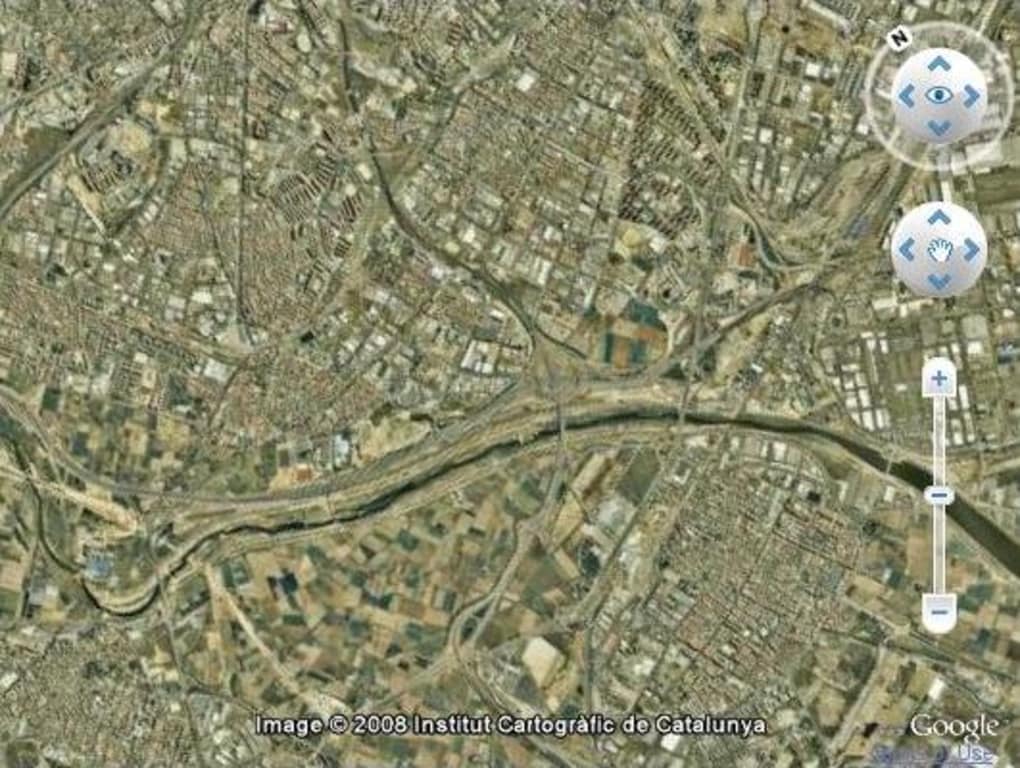
Google Earth, even in its standard form, provided users with unparalleled access to high-resolution satellite imagery. However, the Google Earth Plugin took this experience a step further by introducing enhanced three-dimensional views of numerous locations globally. This plugin acted as an extension, seamlessly integrating with the existing Google Earth application to offer a more immersive and detailed perspective. The plugin wasn’t merely a visual upgrade; it transformed how users interacted with the geographical data, allowing for exploration beyond the traditional two-dimensional map interface. The impact was significant, offering unprecedented realism and detail in exploring cities, landmarks, and geographical features.
Seamless Integration and User Experience
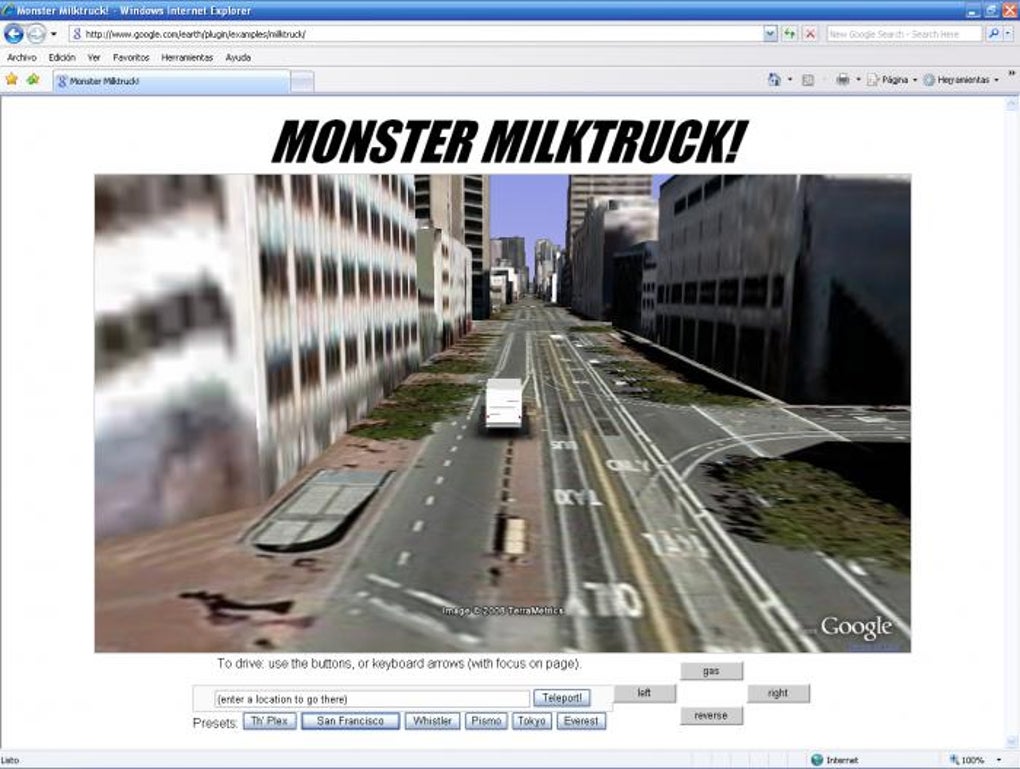
The Google Earth Plugin’s strength lay in its seamless integration with the Google Earth platform. Users didn’t need to learn a new interface or navigate a separate application. The plugin worked directly within the familiar Google Earth environment, making it intuitive and easy to use. Familiar controls like zooming, panning, and scrolling remained consistent, ensuring a smooth transition for existing Google Earth users. Crucially, the plugin added a dedicated icon or feature that activated the first-person perspective, allowing users to virtually “walk” through many famous cities and locations. This feature was a game-changer, transforming passive observation into active exploration. The ability to effortlessly switch between the first-person view, the traditional satellite view, and the terrain view provided unparalleled flexibility and control, allowing users to explore at various scales and perspectives. This simple yet powerful feature significantly enhanced the overall user experience. The plugin’s intuitive design ensured that the enhanced functionality didn’t compromise the ease of use that was a hallmark of Google Earth.
Amazing Realism and Detail: A New Level of Geographical Exploration
The Google Earth Plugin’s ability to render incredibly detailed 3D models was remarkable for its time. While processing power limitations meant that realism varied depending on the location and the available data, the plugin significantly enhanced the level of detail compared to the standard Google Earth views. Major cities, in particular, benefited greatly from the plugin’s capabilities, offering users a rich and immersive experience. Users could observe buildings, streets, and landmarks with unprecedented clarity, creating a far more engaging and informative exploration experience. This enhancement transcended mere visual appeal; it provided valuable context and understanding of geographical locations, benefiting students, researchers, and anyone seeking a deeper understanding of the world. The plugin’s commitment to accuracy and detail made it an invaluable tool for various purposes, from educational exploration to professional research.
Limitations and the Sunset of the Plugin

Despite its impressive capabilities, the Google Earth Plugin wasn’t without limitations. One notable drawback was the potential for image distortion when zooming in to extremely high levels of detail. This limitation was a common challenge for 3D rendering technology at the time, and while not necessarily a deal-breaker, it did impact the clarity and precision of the image at the highest zoom levels. Perhaps the most significant limitation, however, was the expiration of the Google Earth API (Application Programming Interface) at the end of 2016. This expiration date marked the end of the plugin’s lifespan, rendering it obsolete and incompatible with newer versions of Google Earth. The reliance on this API highlighted the plugin’s dependence on external resources and its inherent limitations in terms of long-term sustainability. The plugin’s ultimate demise served as a reminder of the ever-evolving nature of technology and the importance of software updates and maintenance.
The Legacy of the Google Earth Plugin
Although no longer functional, the Google Earth Plugin holds a significant place in the history of digital mapping and 3D visualization. It represented a crucial step forward in how users could interact with and explore geographical data, demonstrating the potential of 3D technology to enhance understanding and engagement. The plugin’s intuitive design, seamless integration, and focus on user experience served as a model for future applications. Its legacy extends beyond its functionalities; it represents a pivotal moment in the evolution of interactive geographical technology, inspiring subsequent developments and paving the way for even more sophisticated 3D mapping solutions. The success of the Google Earth Plugin highlighted the demand for immersive and interactive geographical exploration and further cemented Google Earth’s position as a leading platform for geographical visualization.
Comparison with Alternative Applications
While the Google Earth Plugin is no longer available, several alternative applications offer similar 3D visualization capabilities. Many modern 3D mapping applications have built-upon the foundation laid by the Google Earth Plugin, offering even more sophisticated features, improved rendering, and wider data integration capabilities. These alternatives often leverage more advanced rendering engines and benefit from improvements in processing power and data availability. However, the Google Earth Plugin’s simplicity and ease of use within the Google Earth ecosystem remain noteworthy. The plugin’s intuitive design and integration highlight the significance of user experience in the design of geographical visualization tools. While modern alternatives might offer greater capabilities, the plugin’s historical importance should not be overlooked.
User Reviews and Community Feedback
User reviews of the Google Earth Plugin, while limited in readily available online sources due to its age and discontinuation, generally reflected a positive reception. Users appreciated the enhanced realism and immersive experience it provided. The plugin’s seamless integration with Google Earth was frequently praised, emphasizing its user-friendly design and ease of use. However, some negative reviews mentioned occasional issues with image distortion at high zoom levels, reflecting the technological limitations of its time. The absence of widespread contemporary user reviews reflects the plugin’s age and obsolescence, yet the positive feedback available supports its historical significance and the positive reception it generally received during its operational period.
Conclusion: A Milestone in Interactive Geography
The Google Earth Plugin, despite its eventual discontinuation, represents a significant milestone in the development of interactive geographical visualization. Its seamless integration, enhanced 3D capabilities, and focus on user experience significantly improved how users interacted with geographical data. Though replaced by more advanced technologies, the plugin’s impact on the field of geographical visualization remains significant, showcasing the potential of 3D technology to enhance understanding and engagement. The lessons learned from its design and development continue to inform the development of contemporary 3D mapping applications, solidifying its place as a crucial stepping stone in the history of interactive geographical exploration. Its legacy continues to inspire innovative approaches to visualizing and exploring our planet.
File Information
- License: “Free”
- Version: “7.1.2.2041”
- Latest update: “July 27, 2020”
- Platform: “Windows”
- OS: “Windows 7”
- Language: “English”
- Downloads: “125.5K”
- Size: “819.16 KB”


