
Google Play Music, once a prominent player in the music streaming landscape, offered a unique blend of features that catered to both casual listeners and serious music enthusiasts. While the service has since been discontinued, its legacy continues to be discussed and analyzed within the context of the evolving music streaming market. This article delves into the features, strengths, weaknesses, and alternatives of Google Play Music, offering a comprehensive overview for those familiar with the service and those encountering it for the first time.
Google Play Music: A Multifaceted Approach to Music Consumption
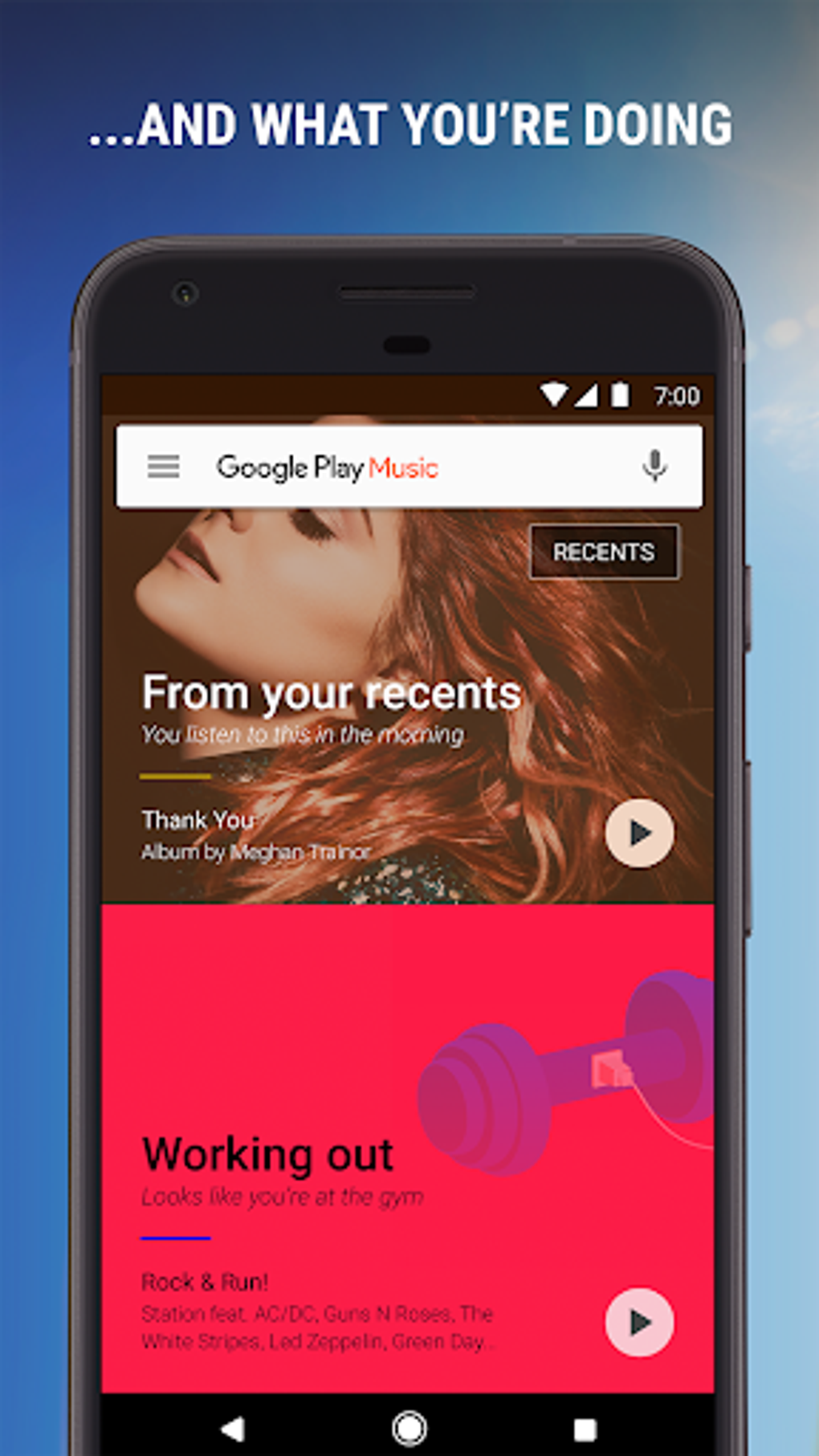
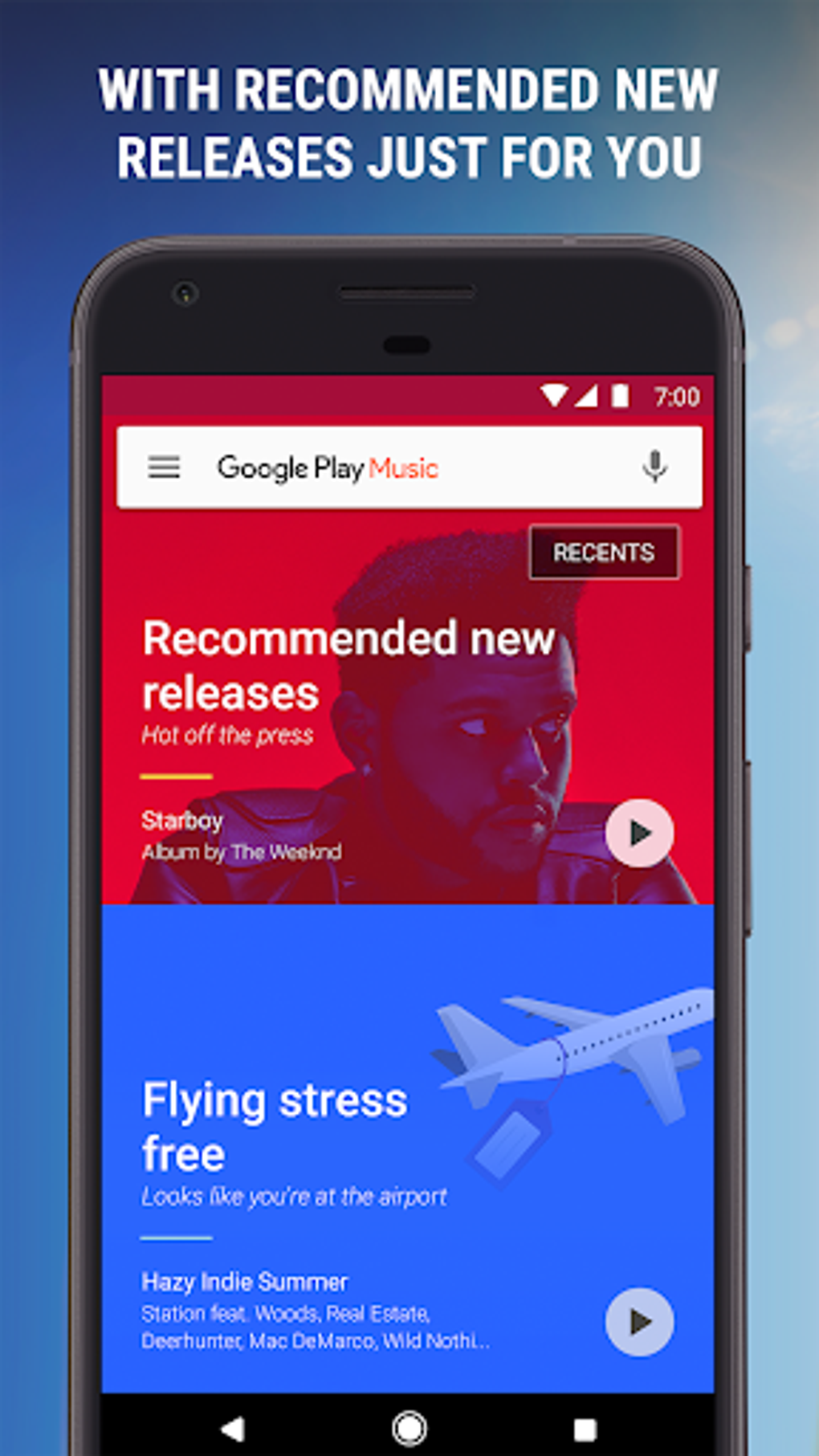
Google Play Music served a dual purpose: it functioned as both a local music player and a streaming service. This unique hybrid approach allowed users to seamlessly transition between offline playback of personally uploaded music and online streaming of millions of tracks. The app excelled in its organization, neatly categorizing music by artists, albums, playlists, and genres. Furthermore, it incorporated a sophisticated recommendation engine, generating personalized radio stations based on listening habits and preferences. The platform also boasted impressive streaming quality, providing high-resolution audio for an enhanced listening experience. The seamless integration between online streaming and offline access through cloud storage ensured uninterrupted musical enjoyment, a key feature for users who frequently switched between network connectivity.
Beyond the Music: YouTube Integration and Unique Features
One of Google Play Music’s standout features was its deep integration with YouTube and YouTube Red (now YouTube Premium). This integration extended the service’s capabilities beyond simply playing music, offering unique content synergy and access to additional video content. This crossover appealed to users who frequented both platforms, streamlining their entertainment experience. The ease of use and the app’s ability to maintain a well-organized music library were consistently praised by users. Compared to other standalone streaming services, Google Play Music offered a distinct advantage with its music locker (allowing users to upload their own music collection), YouTube integration, and a diverse selection of content options. However, the initial setup process was often cited as a minor hurdle for some users, suggesting potential improvements in the user interface and onboarding flow.
Addressing the Limitations of Google Play Music
Despite its numerous merits, Google Play Music had some noticeable shortcomings. One key omission was the lack of an integrated lyrics feature. For users who enjoy singing along to their favorite songs or analyzing song lyrics, this absence was a significant drawback, particularly when compared to competing platforms that offered this functionality. The initial setup process, as previously mentioned, presented challenges for some users. The interface and setup flow could have been streamlined to provide a more user-friendly experience from the outset. Finally, the demand for non-musical content within the app highlighted another area for improvement. While Google Play Music excelled in its music-centric features, the lack of diversified content beyond music created a gap in comparison to more comprehensive entertainment platforms.
Exploring Alternatives to Google Play Music
Following the discontinuation of Google Play Music, users sought out alternative platforms to manage their music libraries and access streaming services. Several options emerged, each with its own distinct features and target audience. Among the popular alternatives were:
-
Spotify Music: A widely acclaimed platform known for its vast music library, personalized recommendations, and user-friendly interface. Spotify offers both free and premium subscription tiers, providing varied access levels to its extensive catalog.
-
Samsung Music: A pre-installed music player on many Samsung devices, offering basic music management and playback capabilities. While not a comprehensive streaming service like Spotify, it served as a suitable option for users seeking a simple, integrated solution.
-
Music Player MP3 Songs Offline: This type of app focuses on local music playback and typically provides features like offline playlists, customizable equalizers, and varied audio formats support. These are generally useful for those who primarily listen to locally stored music files.
These alternatives each fulfilled different user needs and preferences, demonstrating the diversification within the music streaming and playback market. The choice of an alternative heavily depends on individual priorities, such as access to a large streaming library, personalized recommendations, local music file management capabilities, and other features.
Google Play Music Pricing Model: Free and All Access Tiers
Google Play Music offered two primary access models: a free tier and a paid “All Access” subscription. The free tier allowed users to upload and store up to 20,000 songs from their personal collection, access their music from any device, and enjoy ad-free playback of their uploaded tracks. This model catered to users who preferred to primarily listen to their own music library. The All Access model was a subscription-based service, similar to Spotify and other music streaming platforms. For a monthly fee, users gained access to unlimited music streaming, personalized recommendations, the ability to create custom radio stations, and all the features of the free tier. This subscription model provided a comprehensive streaming experience comparable to other market leaders.
Was Google Play Music the Right Choice for You?
The suitability of Google Play Music ultimately depended on individual user preferences and requirements. Music enthusiasts seeking a versatile platform with high-quality audio, a vast music library, and seamless YouTube integration found it to be a compelling option. Users who prioritized personalized recommendations and the ability to switch between online streaming and offline playback also appreciated its functionalities. However, the initial setup challenges and the lack of certain features like lyrics integration and broader content variety may have limited its appeal for some users.
User Reviews: A Mixed Bag of Experiences
User reviews of Google Play Music painted a varied picture of the service. While many praised its ease of use, vast library, and integration with YouTube, others voiced concerns about the initial setup, the lack of a lyrics feature, and the occasional issues with song playback. Some users even expressed frustration with the way the app handled uploaded music, with some reporting unexpected deletion of files from their local storage. These negative experiences highlight the importance of user feedback in shaping and improving a digital music service, underlining that while it had many strengths, improvements were needed to achieve a fully satisfactory experience for every user.
Google Play Music: A Conclusion
Google Play Music presented a unique approach to music management and streaming, combining local music playback with online access. Its integration with YouTube, high-quality audio, and personalized recommendations were strong selling points. However, its limitations, particularly in areas like user experience during setup and the lack of certain features commonly found in competitor platforms, ultimately contributed to its eventual discontinuation. While it may no longer be available, understanding its strengths and weaknesses provides valuable insight into the ongoing evolution of the music streaming market and the ongoing competition to create a truly user-friendly and comprehensive musical experience.
File Information
- License: “Free”
- Latest update: “November 26, 2023”
- Platform: “Android”
- OS: “Android 7.0”
- Language: “English”
- Downloads: “812.8K”
- Size: “2.80 MB”
- Download Options: “Google Play”
- Filename: “YouTubeMusics_v8.29.9113-1.W.apk”


