
Gramblr was a free application that allowed users to upload photos and videos to Instagram directly from their computers. While no longer available for download, its legacy serves as a useful case study in the evolution of social media management tools and the challenges faced by third-party applications attempting to integrate with ever-changing platform APIs. This article examines Gramblr’s functionality, its target audience, its strengths and weaknesses, and the reasons behind its disappearance from the software landscape.
Gramblr’s Core Functionality: Bridging the Desktop and Instagram
Gramblr’s primary function was simple yet powerful: it provided a desktop interface for managing and uploading Instagram content. In an era before Instagram’s robust mobile application dominated the market, this offered a significant advantage for users who preferred working on a larger screen and utilizing a more familiar keyboard-and-mouse workflow. The application bypassed the limitations of uploading solely through a mobile device, making content creation and scheduling more efficient for many users.
The uploading process itself was streamlined. Gramblr automatically handled aspects like photo and video cropping, adapting content to fit Instagram’s then-current specifications. This automated process saved users valuable time and effort, a key feature appreciated by both casual and professional users. Furthermore, Gramblr offered a range of filters that allowed users to enhance their images before posting. While the application didn’t provide the full suite of Instagram filters, it still presented a valuable editing option directly within the uploading process.
Beyond simple uploading, Gramblr incorporated a scheduling feature, allowing users to queue posts for later publication. This proved incredibly useful for businesses and individuals aiming to maintain a consistent online presence. The ability to schedule posts without requiring the computer to remain constantly on offered flexibility, freeing up users from needing to manually upload content at specific times. However, this scheduling function, while convenient, was not without its limitations; it required the computer to be powered on at the scheduled upload time, and it didn’t support bulk uploads, meaning each post had to be scheduled individually.
Gramblr’s Target Audience: Beyond Casual Users
While a casual Instagram user might find the convenience of uploading directly from their desktop appealing, Gramblr’s true value proposition lay in its utility for social media marketers and businesses. Its ability to manage multiple Instagram accounts simultaneously was a powerful feature, allowing professionals to handle numerous clients or projects efficiently from a single interface. The ability to switch between accounts seamlessly improved workflow and reduced the time wasted on repetitive tasks involved in managing several accounts through the native Instagram application.
The often-overlooked aspect of Gramblr was its potential (though ethically questionable) functionality around boosting post engagement. While the specifics aren’t fully documented, the application likely offered features to help increase the visibility of posts, possibly through integrations with third-party services that provided “likes” or other metrics for a fee. This practice, while bordering on or fully violating Instagram’s terms of service, speaks to a prevailing concern surrounding social media marketing and the use of tools to artificially inflate engagement metrics. It’s crucial to note that the ethical implications of such practices should always be carefully considered, and users should prioritize organic growth over artificial manipulation of their engagement numbers.
Advantages and Disadvantages of Gramblr
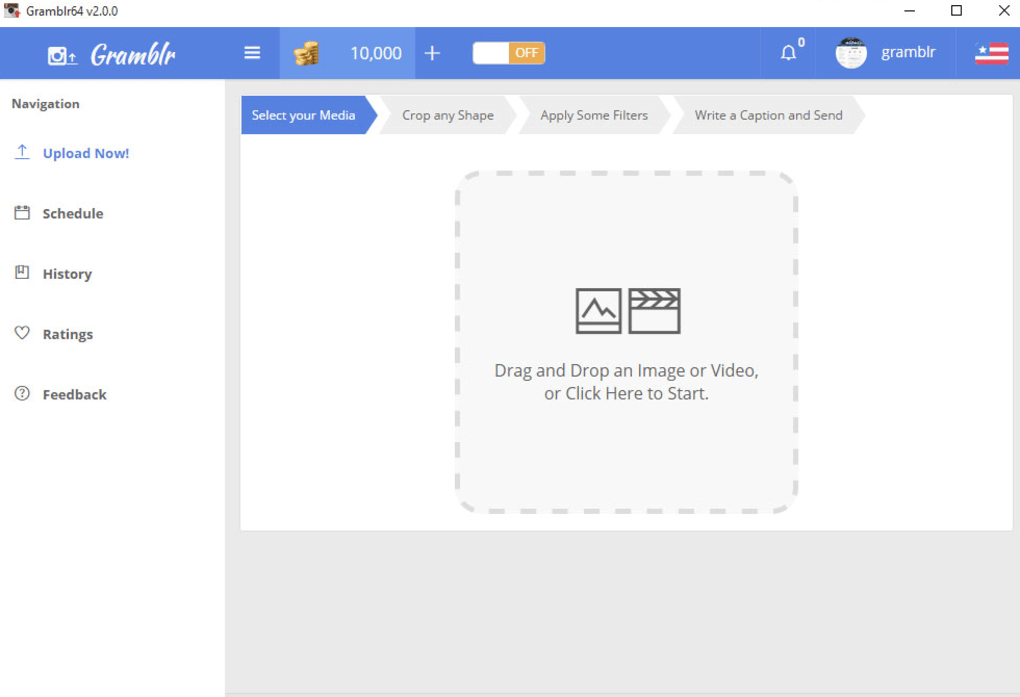
Gramblr offered several compelling advantages:
- Desktop Convenience: Uploading from a computer was far more comfortable for many than constantly using a mobile device.
- Multi-Account Management: The ability to switch between numerous accounts streamlined workflow for those managing multiple Instagram profiles.
- Scheduling Feature: The option to schedule posts in advance helped maintain a consistent publishing schedule.
- Automated Cropping and Filters: The automatic image adjustments and built-in filters simplified the uploading process.
- Multilingual Support: The application’s support for twelve different languages enhanced its accessibility globally.
- Free and Ad-Free: Unlike many similar applications, Gramblr was available without any subscription fees or intrusive ads.
However, Gramblr also had limitations:
- Download Unavailability: The most significant drawback is its removal from all official download sources. This suggests potential issues with the application, ranging from security vulnerabilities to conflicts with Instagram’s API.
- Limited Filter Selection: Gramblr didn’t include the complete range of Instagram filters, limiting creative control for users accustomed to the full palette.
- Scheduling Limitations: The inability to perform bulk uploads and the need for the computer to be on at the scheduled upload time were significant drawbacks to its scheduling capabilities.
- Uncertain Reliability: User reviews consistently highlighted instances of unexplained errors and difficulties using the application, suggesting potential bugs or instability issues.
- Ethical Concerns: While not explicitly mentioned as a feature, the potential for manipulating engagement metrics raised ethical considerations concerning the application’s use.
The Demise of Gramblr: Why It’s No Longer Available
The precise reasons behind Gramblr’s removal from online distribution platforms remain unclear. However, several possibilities stand out:
- Instagram API Changes: Instagram frequently updates its API, which could have rendered Gramblr incompatible or violated its terms of service. Third-party applications relying heavily on API access are often at the mercy of the platform’s decisions and may become obsolete with relatively short notice.
- Security Vulnerabilities: Security issues, whether identified internally by the developers or reported by users, could have prompted the removal of the application to prevent potential data breaches or malware distribution.
- Developer Cessation: The developers may have simply ceased maintenance and support for the application, leaving it unsupported and ultimately unavailable.
- Legal Action or Copyright Infringement: While less likely, legal action by Instagram or other entities over potential terms of service violations or copyright issues could have led to its removal.
The disappearance of Gramblr underscores the dynamic nature of the relationship between social media platforms and third-party applications. As platforms evolve and prioritize their own official tools, third-party applications often struggle to keep pace, resulting in their eventual obsolescence. This highlights the importance for developers to anticipate platform changes and adapt their applications accordingly, ensuring continued compatibility and user experience.
Conclusion: A Lesson in Platform Dependency
Gramblr’s story serves as a cautionary tale about the challenges inherent in developing third-party applications that rely heavily on external APIs. While it offered a convenient alternative for uploading Instagram content, its eventual disappearance underscores the importance of adapting to ever-changing platforms and prioritizing responsible practices in social media management. The absence of this once-popular application leaves a void, reminding us that even popular tools can become unavailable due to unforeseen circumstances, highlighting the importance of exploring alternative solutions and keeping abreast of changes in the digital landscape.
File Information
- License: “Free”
- Version: “2.9.104”
- Latest update: “June 26, 2020”
- Platform: “Windows”
- OS: “Windows 8.1”
- Language: “English”
- Downloads: “59.3K”
- Size: “4.12 MB”


