
In an era defined by digital convenience and an insatiable curiosity for our past, the quest to uncover and document family history has never been more accessible. Genealogy, the study of families and the tracing of their lineages and histories, has evolved from a niche hobby into a widespread passion, driven by the availability of vast digital archives and intuitive software tools. Among these, Gramps stands out as a powerful, free, and open-source solution for anyone eager to embark on or continue their genealogical journey. On platforms like PhanMemFree, Gramps is celebrated for democratizing access to professional-grade family tree mapping, allowing users to delve into their heritage without the financial barriers often associated with such specialized software.
Gramps, an acronym for Genealogical Research and Analysis Management Programming System, is more than just a simple family tree builder. It’s a comprehensive software suite designed to help individuals store, edit, and research genealogical data with meticulous detail. Unlike many alternatives that carry hefty price tags or demand recurring subscriptions, Gramps offers its full suite of functions completely free of charge, embodying the spirit of accessible knowledge and community-driven development that open-source projects champion. This commitment to accessibility makes it a preferred choice for amateur enthusiasts and seasoned genealogists alike, available for Windows users as a robust desktop application.
Understanding Gramps: A Deep Dive into Genealogy Software
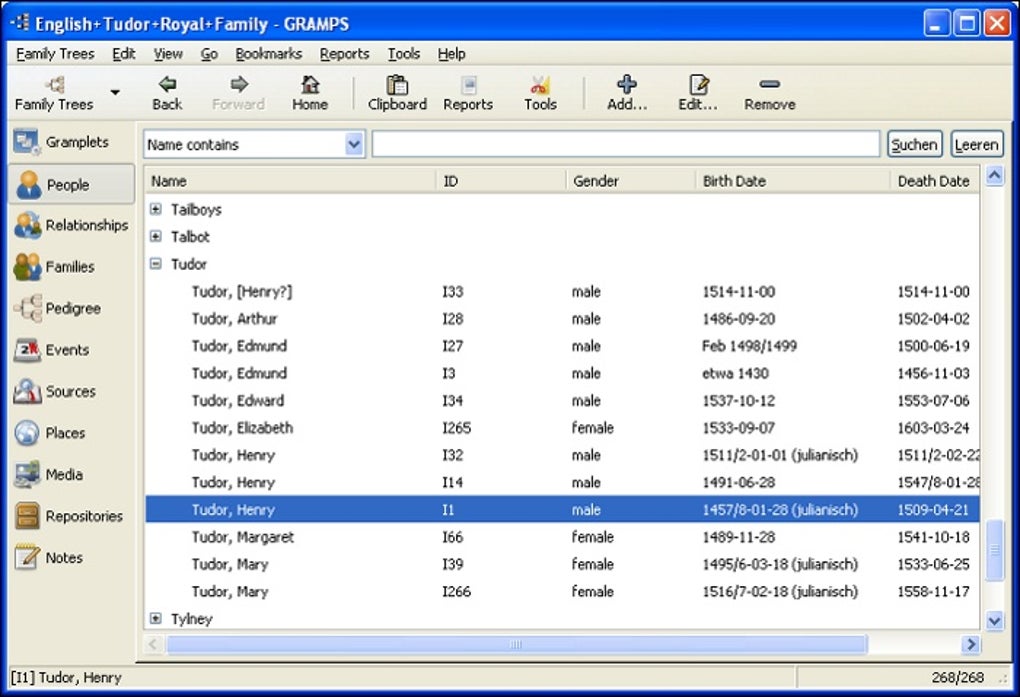
Gramps distinguishes itself through its flexibility and depth, providing users with the tools necessary to construct incredibly detailed and interconnected family trees. The software is designed with an intuitive, step-by-step approach that guides users through the intricate process of data entry, ensuring that even beginners can navigate its complexities. The core functionality revolves around the creation of individual profiles, where each family member is represented with a wealth of information. Standard fields prompt users for essential details such as name, sex, and date of birth, forming the foundational data for each entry.
However, Gramps goes far beyond these basics. It allows for the capture of a vast array of life events, relationships, and attributes, painting a rich picture of each ancestor’s existence. Users can document marriages, divorces, deaths, occupations, residences, and even significant historical events that impacted their lives. The software’s database is structured to handle these diverse data points efficiently, enabling users to establish complex relationships between individuals, families, and events. This meticulous approach to data organization ensures that once information is entered, it can be easily retrieved, analyzed, and presented in various formats.
The Power of Open Source in Education & Reference
Gramps firmly entrenches itself within the “Education & Reference” category on PhanMemFree, a testament to its primary role in facilitating learning and historical documentation. As an open-source project, Gramps benefits from a global community of developers and users who contribute to its continuous improvement and refinement. This collaborative model ensures that the software is constantly updated, bugs are promptly addressed, and new features are integrated based on user needs and advancements in genealogical research methodologies. The transparency inherent in open-source development also provides a layer of trust and security, as the code is openly available for scrutiny, mitigating concerns about data handling or hidden functionalities.
For those interested in education, Gramps serves as an invaluable teaching tool. History students, researchers, and educators can leverage its capabilities to demonstrate genealogical concepts, trace historical figures, or engage in hands-on family history projects. It promotes critical thinking and research skills, encouraging users to delve into historical records, conduct interviews, and synthesize information from various sources. The ability to visualize complex family structures and historical timelines makes it an excellent resource for making history tangible and personal. Its presence on PhanMemFree alongside other educational software, dictionaries, e-readers, and historical references reinforces its position as a go-to application for intellectual exploration and personal discovery.
Streamlining Your Genealogical Research with Productivity Features
While primarily a reference tool, Gramps also boasts significant “Productivity” features, making the arduous task of genealogical research more manageable and efficient. The meticulous organization of data, the ability to link events, and the robust search and filtering capabilities contribute to a streamlined workflow. Genealogists often deal with vast amounts of disparate information, and Gramps provides a structured environment to consolidate this data, preventing information overload and facilitating analysis. This is particularly useful when managing multiple research projects or collaborating with other family members.
The integration of multimedia elements further enhances productivity and the richness of the genealogical record. Users can attach photos, videos, and audio clips to individual profiles or specific events, bringing their ancestors’ stories to life. Imagine adding an old family photo to a profile, a recording of a grandparent recounting a story, or a video of a significant family event. These multimedia assets not only make the family tree more engaging but also serve as invaluable primary sources, preserving memories and visual information that might otherwise be lost. Furthermore, Gramps allows for linking to external websites or documents, providing a seamless way to connect your local database with online repositories of historical records, making research more interconnected and comprehensive.
Navigating Gramps: Features and Functionality
The design philosophy behind Gramps emphasizes user control and data integrity. Every piece of information entered into the system becomes part of a flexible database that users can rearrange and manipulate. This adaptability is crucial for genealogical research, which often involves discovering new information that requires existing data to be updated or recontextualized.
Comprehensive Data Management and Multimedia Integration
One of Gramps’ most compelling features is its comprehensive approach to data management. Beyond the basic biographical details, users can record:
- Events: Birth, death, marriage, divorce, baptism, census records, immigration, occupation changes, military service, and any other significant life events. Each event can have a date, place, description, and associated media.
- Attributes: Physical descriptions, religious affiliations, education levels, social statuses, and other defining characteristics.
- Sources and Citations: A critical component for any serious genealogist. Gramps allows users to meticulously document the sources for every piece of information, complete with citations, repository details, and confidence levels. This ensures the accuracy and verifiability of the genealogical data.
- Repositories: Keep track of where your sources are located, whether it’s a physical archive, a library, or an online database.
- Media Objects: As mentioned, photos, videos, audio files, and documents can be attached to individuals, events, or sources, enriching the narrative and providing visual or auditory evidence.
- Notes: Extensive free-form notes can be added to any entry, allowing for narratives, research questions, or additional details that don’t fit into structured fields.
This detailed level of data entry allows for the creation of incredibly rich and accurate family histories, moving beyond simple names and dates to construct full narratives of people’s lives.
Exporting and Sharing Your Family Legacy
Once the painstaking work of data entry and research is complete, Gramps provides powerful tools for visualizing and sharing your findings. The software isn’t just a database; it’s a presentation platform. Users can generate various reports and views, including:
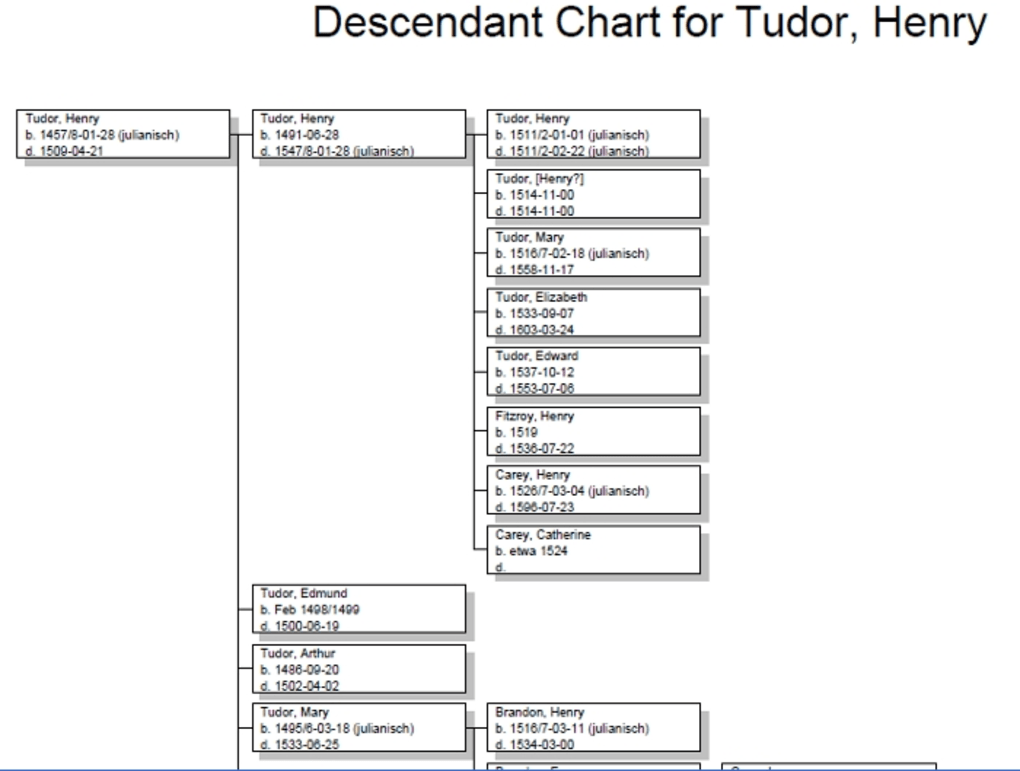
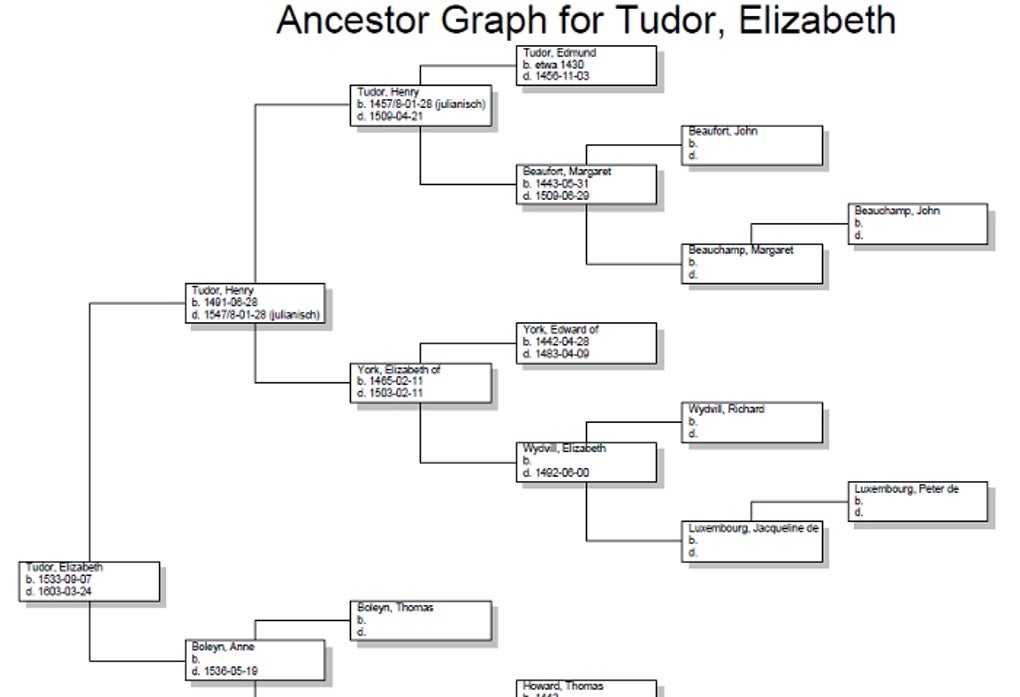
- Graphical Trees: Classic pedigree charts, descendant charts, and hourglass charts that visually represent family relationships.
- Text Reports: Detailed narratives, ancestor reports, descendant reports, and family group sheets that can be customized to include specific information.
- Timelines: A particularly engaging feature, Gramps can create chronological timelines of your family’s evolution, showing key life events against a backdrop of historical context. This helps in understanding the broader periods your ancestors lived through.
- Calendars: Generate calendars highlighting important family events such as birthdays, anniversaries, and death dates, making it easy to remember and honor ancestors.
Crucially, Gramps supports a wide range of export formats, enabling users to share their work with others or preserve it in universally accessible forms. Data can be exported to PDF for easy printing and sharing, SVG for scalable vector graphics (useful for large posters or digital displays), and ODT (Open Document Text) for further editing in word processors. This versatility means that a meticulously compiled family tree can be transformed into a unique and thoughtful gift for a loved one, a comprehensive research paper, or a beautiful wall display. The open nature of these export options further underscores Gramps’ commitment to data portability and user control, ensuring that your valuable research is never locked into a proprietary format.
Technical Specifications and Platform Availability
Gramps for Windows is a mature and stable application, currently at version 5.1.5, with its latest update released on May 24, 2023. It runs seamlessly on Windows 8.1 and later versions, making it compatible with most modern PC setups. The software is provided entirely in English, but it also supports a wide array of other languages, including Czech, Danish, German, Spanish, Finnish, French, Italian, Dutch, Norwegian, Polish, Portuguese, Russian, Swedish, Turkish, and Chinese, reflecting its global user base and developer community. This multilingual support makes Gramps accessible to genealogists around the world, irrespective of their native tongue.
The software has garnered significant attention, with over 10.5K downloads last month, indicating its sustained popularity on platforms like PhanMemFree. Its security status is robust, ensuring users can download and install it with confidence. Developed by the Gramps Project, a dedicated group of open-source contributors, the application benefits from continuous development and community support. Beyond Windows, Gramps is also available for other platforms, most notably Mac, extending its reach to a broader audience of users who prefer different operating systems. This cross-platform availability is a significant advantage, allowing users to choose their preferred environment without sacrificing functionality.
Security, Stability, and Community Support
The open-source nature of Gramps provides inherent benefits in terms of security and stability. With the source code publicly available, a global community can review it for vulnerabilities, contribute fixes, and ensure that the software adheres to high standards of reliability. This peer-review process often leads to more secure and stable applications compared to proprietary alternatives, where the code remains hidden. For sensitive personal and historical data, this transparency is a considerable advantage, offering peace of mind that your family’s legacy is handled with care.
PhanMemFree, in line with its commitment to providing secure software, ensures that all listed applications, including Gramps, undergo security checks. This commitment is evident in the “Security Status” displayed for Gramps, reassuring users of its integrity. Furthermore, the active community surrounding Gramps provides extensive support through forums, wikis, and documentation, assisting users with everything from installation and basic data entry to advanced usage and troubleshooting. This robust support ecosystem is a hallmark of successful open-source projects and a valuable asset for Gramps users.
Why Choose Gramps? Pros, Cons, and Alternatives
Like any software, Gramps comes with its own set of advantages and disadvantages, which users should consider when choosing their genealogy tool.
Pros:
- Completely Free to Use: This is Gramps’ most significant selling point, eliminating the subscription costs or upfront purchase prices associated with many competing genealogy programs.
- Open Source: Provides transparency, community-driven development, and the ability for advanced users to customize or extend the software.
- Comprehensive Features: Offers professional-grade tools for data storage, editing, research, reporting, and visualization, rivaling many paid alternatives.
- Step-by-Step Guidance: The interface guides users through the process, making it accessible even for beginners.
- Robust Data Export: Supports various formats (PDF, SVG, ODT), allowing users to share, print, and preserve their data without proprietary lock-in.
- Multimedia Integration: Capability to add photos, videos, and external links enriches the family history.
- Multi-Platform Availability: Available on Windows and Mac, catering to a diverse user base.
- Multilingual Support: Broad language options for a global audience.
Cons:
- Time-Consuming Data Entry: While comprehensive, the process of meticulously filling in fields for every individual and event can be very painstaking and time-intensive, especially for large family trees. This is a common challenge in genealogy software, but Gramps’ depth means more fields to fill.
- No Integrated Online Search/Discovery: Unlike some commercial services that connect directly to vast online databases (like Ancestry.com or MyHeritage) to automatically find records or suggest family members, Gramps is an offline desktop application. It doesn’t offer built-in functionality to search or discover online family members or historical records directly from within the application. Users must perform their online research independently and then manually input the findings into Gramps. This requires more manual effort for discovery but ensures complete control over data sources.
While Gramps excels as a standalone tool, users seeking integrated online search capabilities might consider platforms that offer subscriptions to large genealogical databases. However, for those who prioritize data control, privacy, and a robust offline management system, Gramps remains an unparalleled choice.
Beyond Gramps: Exploring Related Software Categories on PhanMemFree
PhanMemFree (Phanmemfree.org) serves as a comprehensive hub for a vast array of software, extending far beyond specialized genealogy tools like Gramps. A quick glance at its categories reveals the breadth of digital solutions available to users, often highlighting how various software types intersect and complement each other in enhancing productivity, security, and entertainment.
Enhancing Digital Life with Utilities & Tools
Under the “Utilities & Tools” section, users will find a plethora of applications designed to optimize their computing experience. While Gramps helps manage family history data, other utilities assist in managing the digital data itself. For instance, “File Managers” help organize documents, media, and Gramps export files; “Data Recovery” tools can be a lifesaver if genealogical research files are accidentally deleted; and “File Compression” utilities aid in archiving large multimedia-rich Gramps projects. These tools are essential for maintaining a healthy and efficient digital environment, ensuring that precious genealogical data is backed up and easily accessible. The intersection here is clear: effective use of utilities ensures the longevity and accessibility of the detailed work done in Gramps.
The Role of AI, Browsers, and Security in Modern Computing
Looking at broader categories on PhanMemFree, we see “AI” tools, “Browsers,” and “Security & Privacy” solutions that, while not directly related to genealogy, form the foundational ecosystem for any digital activity, including using Gramps.
“Web Browsers” are critical for the external research aspect of genealogy, enabling users to access online archives, historical societies, and genealogy websites to find records that will then be manually entered into Gramps. Tools like “Add-Ons & Tools” for browsers can enhance this research, perhaps with specific annotation or capture tools.
“Security & Privacy” tools are paramount for protecting the sensitive personal data often handled in genealogical research. “Antivirus” software protects against malware that could corrupt your Gramps database. “Password Management” tools secure your access to online genealogy sites, and “VPNs” offer privacy when conducting online research. Given that genealogical data often contains personal details of living and deceased individuals, robust security practices are not just recommended but essential.
Even “AI” tools, though seemingly distant, could play a future role. “AI Image Generator & Editor” could potentially be used to restore old family photographs, while “AI Writing Assistant” could help draft narratives for family histories based on the data compiled in Gramps. These categories showcase PhanMemFree’s commitment to offering a full spectrum of digital tools that support various aspects of a user’s digital life, from niche hobbies like genealogy to everyday computing essentials.
In conclusion, Gramps stands as a beacon for anyone passionate about family history, offering a powerful, free, and open-source platform to meticulously document and explore their heritage. Its comprehensive features, robust data management, and versatile export options make it a top-tier choice for genealogists. Available on PhanMemFree (Phanmemfree.org), Gramps exemplifies the value of community-driven software development and provides an accessible entry point into the rewarding world of genealogy. While it requires manual data entry and external online research, the control, flexibility, and cost-free nature it offers are unparalleled. For those ready to embark on the profound journey of discovering their roots, Gramps offers an exceptional companion, empowering users to weave the intricate tapestry of their family’s past, one ancestor at a time.
File Information
- License: “Free”
- Latest update: “May 24, 2023”
- Platform: “Windows”
- OS: “Windows 8.1”
- Language: “English”
- Downloads: “10.6K”


