
GSpot, a venerable piece of software, has earned its place in the annals of video codec detection. While its development has ceased, its legacy continues as a useful tool for users needing to identify the codecs used in their video and audio files, particularly those in DivX format. This guide delves into the functionalities, history, and impact of GSpot, offering a comprehensive overview for both seasoned tech users and newcomers alike.
Understanding GSpot’s Functionality: Decoding Your Media Files
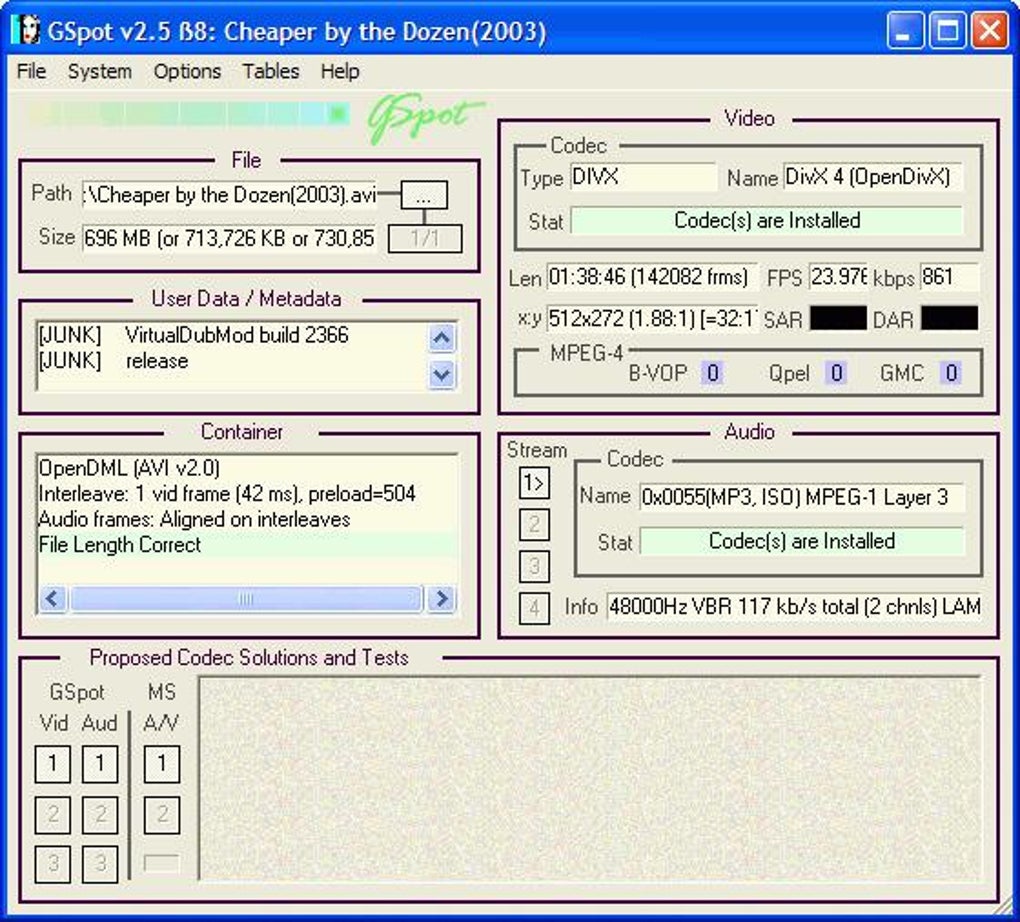
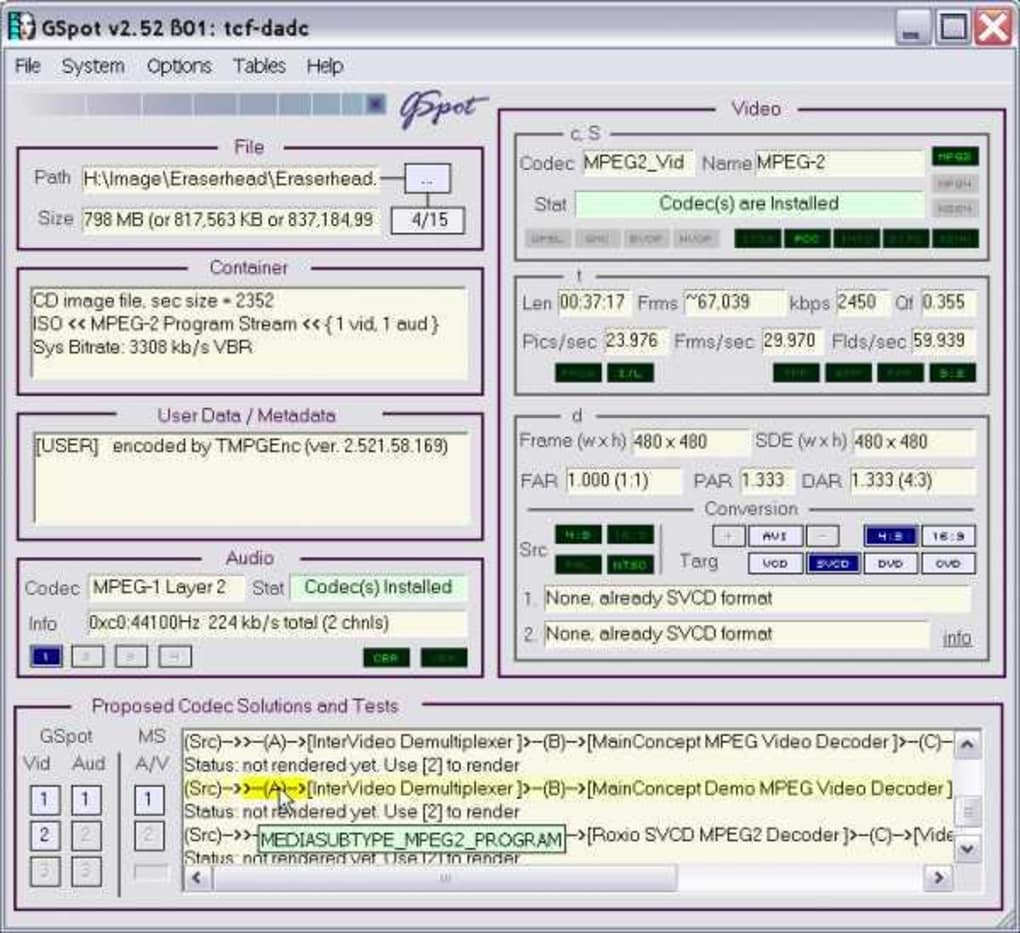
At its core, GSpot is a lightweight utility designed to analyze multimedia files and report the codecs (compression/decompression algorithms) utilized in their creation. This is crucial for troubleshooting playback issues, as incompatible codecs often lead to failed attempts at viewing or listening to media. GSpot simplifies this process by providing a user-friendly interface that presents clear and concise information, eliminating the need for manual codec identification.
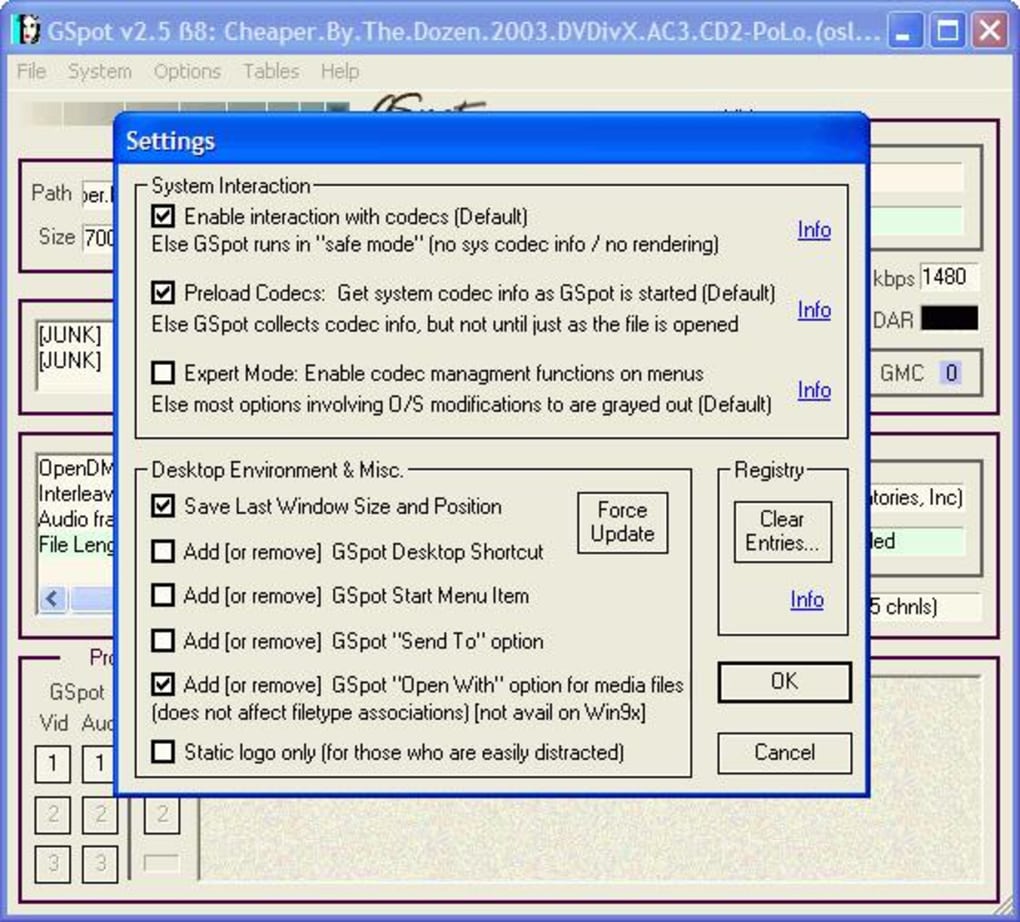
The program excels at identifying codecs within various video and audio formats, including but not limited to:
- DivX: A popular video codec known for its balance of compression and quality. GSpot’s proficiency in handling DivX files contributed significantly to its popularity.
- MOV and WMV: While support for these formats wasn’t entirely complete, GSpot offered partial compatibility, providing valuable insights into their codec composition.
- MP4: GSpot included support for various MP4 implementations, extending its usefulness beyond DivX-specific applications. This ability to identify the
ftyp(file type) further enhanced its diagnostic capabilities.
Beyond specific formats, GSpot’s real strength lay in its ability to dissect the underlying codecs, revealing crucial details for resolving playback problems. If a video fails to play, GSpot would pinpoint the missing or incompatible codec, guiding the user towards a solution. This simple, yet powerful functionality made it an invaluable tool for troubleshooting media-related issues.
A Look Back at GSpot’s History and Evolution
Initially released in 2007, GSpot quickly gained traction due to its ease of use and effectiveness. Its popularity was primarily fueled by the widespread adoption of DivX and the frequent need to identify compatible codecs for playback. The software went through several updates, primarily focusing on bug fixes and extending support for emerging formats like MOV, WMV, and MP4. However, the project seems to have ceased active development around 2017, with the last recorded update occurring then.
Despite the cessation of updates, GSpot remains functional for many users. Its concise design and focus on a specific task ensures it doesn’t require regular updates to function as intended. This is a testament to the robust coding and efficient design of the application. Many users continue to rely on it as a quick and efficient way to identify codecs, highlighting its enduring value even without active development.
The relatively small size of the program (around 409.73 KB) contributed significantly to its appeal, making it easily downloaded and installed even on systems with limited storage space. This was a critical factor during a time when internet speeds and storage capacities were significantly lower than today’s standards.
GSpot’s geographic reach was also noteworthy, with high usage reported in countries such as Turkey, Spain, and Germany. This widespread use underscored the program’s global relevance in addressing the universal problem of media codec compatibility.
GSpot’s Impact on the Media Landscape and User Experience
Before sophisticated media players with built-in codec detection and automatic download features became ubiquitous, GSpot filled a vital niche. It provided users with a simple and accessible means to diagnose media file compatibility issues. This significantly enhanced the user experience, reducing frustration and empowering individuals to resolve playback problems independently.
The program’s influence extended beyond individual users. For individuals involved in the creation and distribution of media, understanding the exact codecs used in their productions was (and remains) crucial. GSpot provided a simple tool to verify this information, streamlining workflows and facilitating collaboration.
Comparing GSpot with Modern Alternatives
While GSpot remains functional, the media landscape has evolved considerably. Modern media players often incorporate sophisticated codec detection and automatic downloading capabilities, largely rendering GSpot’s primary function redundant for many users. Programs like VLC Media Player are excellent examples, seamlessly handling a vast array of formats and codecs without requiring users to perform manual identification.
However, GSpot still holds some advantages:
- Simplicity: Its simplicity and focus on a single task provide an unmatched level of ease of use. For users who prefer a straightforward, no-frills approach, GSpot’s minimalist design might still be preferable.
- Lightweight Nature: Its small size still offers a significant advantage for users with limited storage space or low-bandwidth internet connections.
- Legacy Support: In some instances, GSpot may still be able to identify codecs in older or less-common formats that modern players might not readily recognize.
Despite these advantages, for most users, the comprehensive features of modern media players have surpassed the functionality of GSpot. The convenience of automatic codec handling and the broader functionality of modern players have made them the preferred choice for media playback and management.
The Future of GSpot and its Continued Relevance (or Lack Thereof)
Given that GSpot is no longer under active development, its future is likely to be one of gradual obsolescence. As new codecs and formats emerge, its compatibility will inevitably decrease. However, its lasting impact is undeniable. It served as a crucial tool during a critical phase in the evolution of digital media, simplifying a complex process for millions of users.
In conclusion, GSpot represents a significant chapter in the history of digital media management. Although superseded by more modern and comprehensive solutions, its legacy remains a testament to its simplicity, effectiveness, and importance during a time when understanding media codecs was essential for seamless media consumption. While it may not be the go-to solution for most users today, its contribution to the digital media landscape remains noteworthy.
File Information
- License: “Free”
- Version: “2.70a”
- Latest update: “March 9, 2017”
- Platform: “Windows”
- OS: “Windows 98”
- Language: “English”
- Downloads: “25.6K”
- Size: “409.73 KB”


