
Grand Theft Auto IV (GTA IV), released in 2008, stands as a landmark achievement in the open-world action-adventure genre. More than just a game, it’s a meticulously crafted experience that seamlessly blends gripping narrative, immersive gameplay, and a richly detailed world, leaving an indelible mark on gaming history. This exploration delves into the various aspects that contributed to GTA IV’s enduring legacy, examining its innovative mechanics, compelling characters, and the lasting impact it had on the gaming landscape.
A New Era of Realism and Immersion
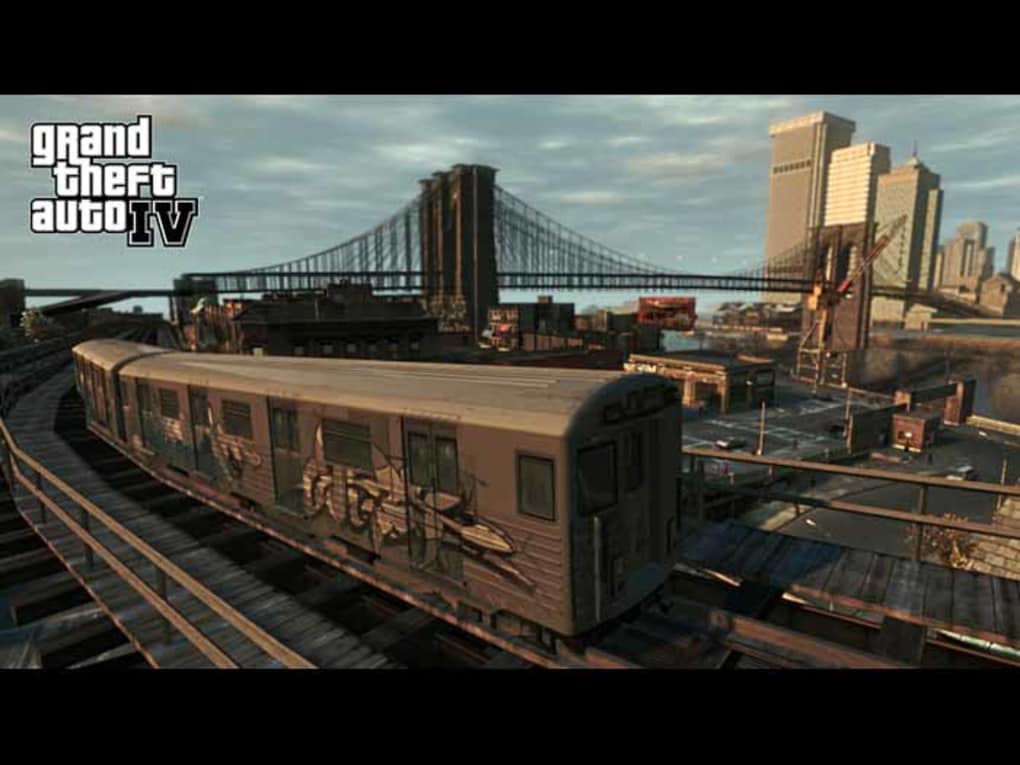
GTA IV marked a significant leap forward in terms of graphical fidelity and realism for the Grand Theft Auto franchise. Rockstar Games employed its proprietary Rage engine, a technological marvel for its time, pushing the boundaries of what was possible on consoles like the Xbox 360 and PlayStation 3. The engine’s capabilities weren’t limited to visual improvements; it powered a dynamic and responsive world that reacted to player actions in unprecedented ways. Liberty City, the game’s sprawling urban playground, felt more alive than ever before.
The level of detail was astounding. From the intricate architecture of the city’s buildings to the subtle nuances of pedestrian interactions, every element contributed to the game’s unparalleled sense of immersion. The city wasn’t just a backdrop; it was a living, breathing entity that shaped the narrative and gameplay experience. Driving felt weighty and realistic, the vehicles responded with a satisfying sense of heft and momentum, mirroring the physics of the real world. Even the smallest details, like the way rain reflected off the city’s surfaces or the distinct sounds of different neighborhoods, added layers of depth and authenticity. This attention to detail extended to the character models, which featured advanced facial animations and realistic movement, enhancing emotional connection with the protagonists and NPCs. The implementation of Euphoria, a procedural animation engine, further enhanced the realism by generating natural and believable character movements, adding an extra layer of immersion to the world.

Niko Bellic: A Relatable Protagonist in a Ruthless World
Departing from the often-over-the-top personalities of previous GTA protagonists, Niko Bellic emerges as a surprisingly relatable and nuanced character. His journey to Liberty City, fueled by the promises of a better life from his cousin Roman, quickly unravels into a harsh confrontation with reality. Niko’s experiences are marked by betrayal, violence, and the struggle to survive in a city teeming with corruption and moral ambiguity. Unlike his predecessors, Niko’s actions are often driven by a sense of pragmatism and survival, adding a compelling layer of moral complexity to the gameplay. His internal struggles, his yearning for a better life juxtaposed against the violence and cynicism that surrounds him, resonate deeply with players. His quest isn’t solely about wealth and power, but about finding his place in a world that has consistently let him down. This grounded approach to character development humanizes Niko, making his journey all the more impactful. The player is not simply witnessing a spectacle of violence; they are actively participating in a story of struggle, redemption, and the search for meaning in a brutal environment.
A Narrative Driven by Relationships and Consequences
GTA IV’s narrative isn’t simply a series of missions strung together; it’s a carefully woven tapestry of relationships and consequences. The player’s actions have tangible effects on the story and the characters Niko interacts with. Alliances are forged and broken, friendships strained and severed, all based on the choices made throughout the game. The branching narrative allows for multiple outcomes and creates a sense of player agency rarely seen in open-world games of the time. The story is not a linear progression but a reactive journey, shaped by player interaction and the choices made within the game’s world. This created a much more personal and emotionally investing experience for players, who felt a greater sense of ownership and responsibility for Niko’s fate.
Multiplayer Mayhem: Extending the Liberty City Experience
Beyond the single-player campaign, GTA IV’s multiplayer mode added another dimension to the Liberty City experience. Players could engage in a variety of competitive and cooperative activities, creating a vibrant online community. From deathmatches and races to cooperative missions, the multiplayer offered a diverse range of gameplay options, ensuring replayability and providing a platform for social interaction. The multiplayer mode wasn’t simply a tacked-on feature; it was fully integrated into the game’s world, allowing players to seamlessly transition between single-player and multiplayer modes. This immersive multiplayer component complemented the richness and depth of the main campaign, broadening the experience for the player base and offering extended engagement long after the credits rolled.
Lasting Impact and Legacy
GTA IV’s influence on the open-world genre is undeniable. Its advancements in graphics, gameplay, and storytelling set a new standard for the industry. Its focus on a relatable protagonist and the nuanced exploration of moral ambiguity paved the way for future open-world games to prioritize narrative depth and character development over simple action sequences. The game’s immersive world, with its attention to detail and realistic physics, demonstrated that an engaging story could thrive within a densely populated and vibrant urban environment, a model that many subsequent open-world games would strive to emulate. The game’s sophisticated narrative structure, built on player relationships and choices, pushed the boundaries of player agency within a sandbox environment, allowing players to feel a heightened sense of engagement and ownership over their experience. The game’s multiplayer mode, which added collaborative and competitive elements seamlessly integrated into Liberty City, created a vibrant community long after the single-player campaign was completed.
The release of GTA IV was met with widespread critical acclaim, earning numerous awards and solidifying its place as a genre-defining title. Its impact extends beyond its sales figures and critical reception, permeating the gaming landscape and inspiring countless developers to strive for similar levels of realism, immersion, and narrative depth in their own projects. GTA IV remains a testament to Rockstar Games’ commitment to pushing the boundaries of open-world gaming, creating an unforgettable experience that continues to resonate with players years after its release. Its innovative approach to storytelling, combined with its technical achievements, made it not just a great game, but a game that significantly changed the landscape of the industry, setting a new standard for future open-world titles. It continues to be studied and analyzed by game developers and designers, inspiring new approaches to character design, world-building, and player agency in open-world games. The game’s rich and detailed world, its immersive gameplay, and its compelling story have secured its place as a cornerstone in the history of video games. The legacy of GTA IV is one of innovation, impact, and enduring appeal, establishing it as a true classic in the world of open-world gaming.

File Information
- License: “Free”
- Version: “trailer”
- Latest update: “February 20, 2025”
- Platform: “Windows”
- OS: “Windows XP”
- Language: “English”
- Downloads: “2.8M”


