
Grand Theft Auto: San Andreas, the third 3D installment in the iconic Grand Theft Auto series, catapulted the franchise to new heights. Released in 2004, it transcended its predecessor, Grand Theft Auto: Vice City, by offering a sprawling open world, a compelling narrative, and a level of detail and ambition previously unseen in the gaming landscape. This exploration delves into the various aspects that made San Andreas a cultural phenomenon and a defining title in the sandbox genre.
A Vast and Immersive Open World
San Andreas is not just a city; it’s a state. The game’s map dwarfs its predecessors, encompassing three major cities – Los Santos (a thinly veiled Los Angeles), San Fierro (San Francisco), and Las Venturas (Las Vegas) – interconnected by vast stretches of countryside, deserts, and mountains. This sheer scale offered players unprecedented freedom to explore. Whether cruising down the highways in a souped-up muscle car, traversing the rugged terrain in a four-wheel-drive vehicle, or engaging in water-based activities, the possibilities were limitless. The diverse environments, from the bustling urban centers to the tranquil rural landscapes, contributed significantly to the game’s immersive quality. The environments themselves felt alive, populated with unique characters, vehicles, and activities specific to their regions. The sheer scale fostered a sense of discovery, rewarding players who ventured beyond the main story missions to uncover hidden locations, secrets, and side activities.
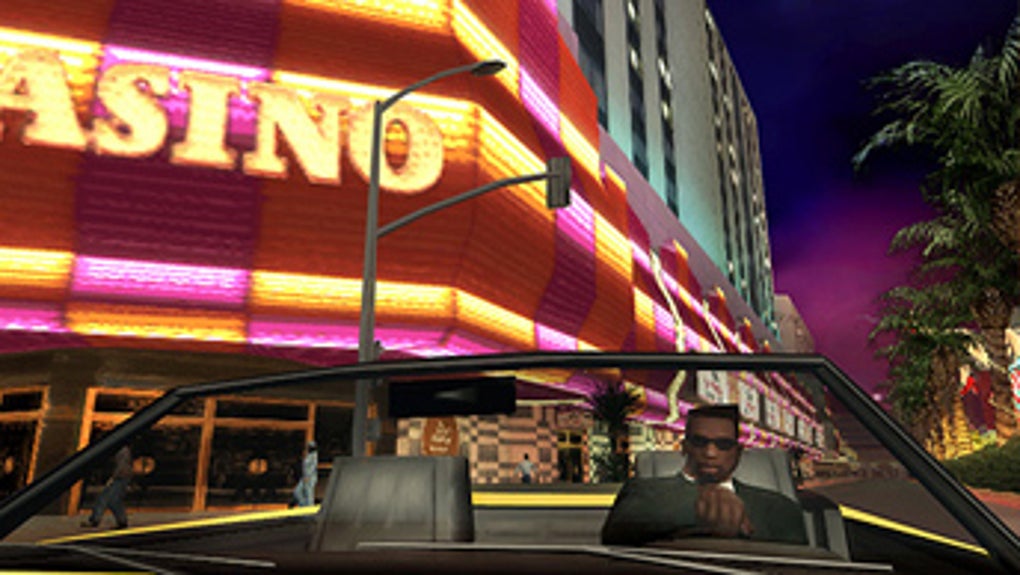
This expansive world wasn’t merely a backdrop; it was an integral part of the gameplay. Missions often required players to navigate these varied environments, making use of different vehicles and skills. This necessitated strategic planning and added a layer of complexity to the missions themselves, moving beyond simple point A to point B scenarios. The varied terrain also impacted gameplay mechanics; driving a car across the desert was different from maneuvering through the city streets, necessitating adaptable driving skills. The environment provided realistic challenges, enhancing the realism and immersion of the game.
A Compelling Narrative and Memorable Characters
Unlike many sandbox games that prioritize open-ended gameplay over narrative, San Andreas boasts a compelling storyline that drives the player forward. The game follows Carl “CJ” Johnson, who returns to his gang-infested hometown of Los Santos after five years in exile. Upon his return, he finds his family fractured, his neighborhood in turmoil, and himself embroiled in a complex web of gang violence, corruption, and betrayal.
The story unfolds through a series of missions, each contributing to the overarching narrative. These missions range from simple errands and robberies to elaborate heists and gang wars, keeping the gameplay fresh and engaging. The missions aren’t simply about completing objectives; they reveal more about CJ’s character and his relationships with other characters in the story, offering a more layered understanding of the protagonist.
The narrative is complemented by a cast of memorable characters, each with their own unique personalities, motivations, and backstories. The supporting characters are not mere plot devices; they have their own arcs, evolving over the course of the game, and their interactions with CJ are often poignant, humorous, and unexpected. The realism of these characters, and their interwoven relationships, added a significant layer of emotional depth to the narrative.
CJ’s journey isn’t just about escaping the clutches of the law; it’s about rebuilding his life, reconnecting with his family, and reclaiming his place in the community. This personal arc, interwoven with the larger narrative of gang violence and societal decay, elevates San Andreas beyond a typical action-adventure game. The player develops a vested interest in CJ’s success, making the story’s conclusion all the more impactful.
Gameplay Mechanics and Innovations
San Andreas builds upon the foundation established by its predecessors while introducing several innovative gameplay mechanics. The core gameplay loop revolves around completing missions, exploring the open world, and engaging in various side activities. However, San Andreas expands upon this with several key enhancements:
- Character Customization: Players can customize CJ’s appearance, skills, and even his physique through a comprehensive workout system. This level of character customization was groundbreaking for the time, allowing for greater player immersion and control over the protagonist’s abilities. The player’s choices directly impacted CJ’s abilities in missions and other aspects of the gameplay.
-
Vehicle Variety: The vast array of vehicles available, from cars and bikes to boats, planes, and even trains, expands the possibilities for exploration and mission completion. The handling of these vehicles also feels distinct, adding another layer of realism and enhancing the gameplay experience.
-
Mini-Games: Beyond the main missions, San Andreas is packed with diverse mini-games, such as bowling, basketball, and even dating simulations. These provided breaks from the main narrative, adding variety and replayability. These mini-games also often tied into the narrative and character progression.
-
Side Activities: Players can engage in a wide range of side activities, such as gang wars, property acquisition, and side quests. These activities add significant depth and replayability, encouraging players to explore the game world and its various facets.
-
Radio Stations: San Andreas boasts an impressive selection of radio stations, featuring a diverse range of 90s music, talk shows, and commercials. This feature not only provided an excellent soundtrack but also added to the immersive experience, reflecting the cultural atmosphere of the game’s setting.
These additions, along with the already established core mechanics of the Grand Theft Auto franchise, created an incredibly engaging and richly layered gameplay experience.
Technical Aspects and Legacy
The game’s graphics, while showing their age by today’s standards, were impressive for their time, particularly the detailed character models and expansive environments. The soundtrack, featuring a diverse selection of 90s hip-hop, R&B, and other genres, became a cultural touchstone and contributed significantly to the game’s atmosphere.
While San Andreas was lauded for its scale and ambition, it wasn’t without its flaws. Some missions were considered repetitive or frustrating, and certain aspects of the gameplay mechanics, such as the swimming mechanics, could be challenging. However, these shortcomings were largely overshadowed by the game’s overall achievements.
GTA: San Andreas’ influence on the gaming industry is undeniable. It set a new benchmark for open-world games, paving the way for future titles in the genre. Its expansive world, compelling narrative, and innovative gameplay mechanics have inspired countless imitators, yet few have managed to replicate the game’s unique blend of freedom, story, and immersion. San Andreas remains a landmark title, a testament to the potential of sandbox games and a game that continues to be enjoyed and celebrated by gamers around the world. Its cultural impact extended far beyond the gaming community, becoming a significant part of popular culture in its time. The game’s visuals, music, and story remain iconic even today, cementing its place in gaming history.

File Information
- License: “Full”
- Version: “2.2.19”
- Latest update: “September 9, 2024”
- Platform: “Mac”
- OS: “Mac OS X”
- Language: “English”
- Downloads: “2.2M”


