
Guitar Hero III: Legends of Rock, the third installment in Red Octane’s acclaimed music game franchise, catapulted the rhythm game genre to new heights upon its release. Building upon the success of its predecessors, Guitar Hero III offered a significantly enhanced experience, boasting a vastly expanded song list, improved gameplay mechanics, and innovative new features that redefined the series’ identity and broadened its appeal to a wider audience. This review delves into the key elements that made Guitar Hero III: Legends of Rock a landmark achievement in the world of music video games.
An Expanded Soundtrack for Every Rock Enthusiast
One of the most significant improvements in Guitar Hero III was the dramatic expansion of its music library. Previous installments had established a solid foundation, but Guitar Hero III went above and beyond, assembling a diverse and iconic collection of tracks spanning multiple decades and genres within the rock and roll spectrum. This carefully curated soundtrack included timeless classics alongside contemporary hits, ensuring there was something to resonate with virtually every rock music fan. The game featured a blend of hard rock anthems, punk rock bangers, metal masterpieces, and even some surprising inclusions that broadened the genre’s appeal. This eclectic mix catered to a broad range of tastes and ensured that the game maintained its replayability and continued to engage players long after initial completion. The inclusion of tracks like “Barracuda” by Heart, “Sabotage” by the Beastie Boys, and “Rock and Roll All Nite” by KISS served as immediate testaments to the game’s commitment to delivering both classic and memorable tracks. The game’s soundtrack wasn’t merely a collection of songs, but rather a journey through the history and evolution of rock music itself.
Beyond the core set of songs, the game introduced a robust unlockable content system. Players could earn new songs, guitars, venues, and even characters by achieving high scores and mastering challenging gameplay sections. This incentivized players to hone their skills and replay songs repeatedly, further enhancing the game’s overall lifespan and encouraging continued engagement. The unlockable content functioned as a reward system, adding an extra layer of depth and satisfaction to the gameplay experience beyond simply completing songs.
Enhanced Gameplay and New Game Modes
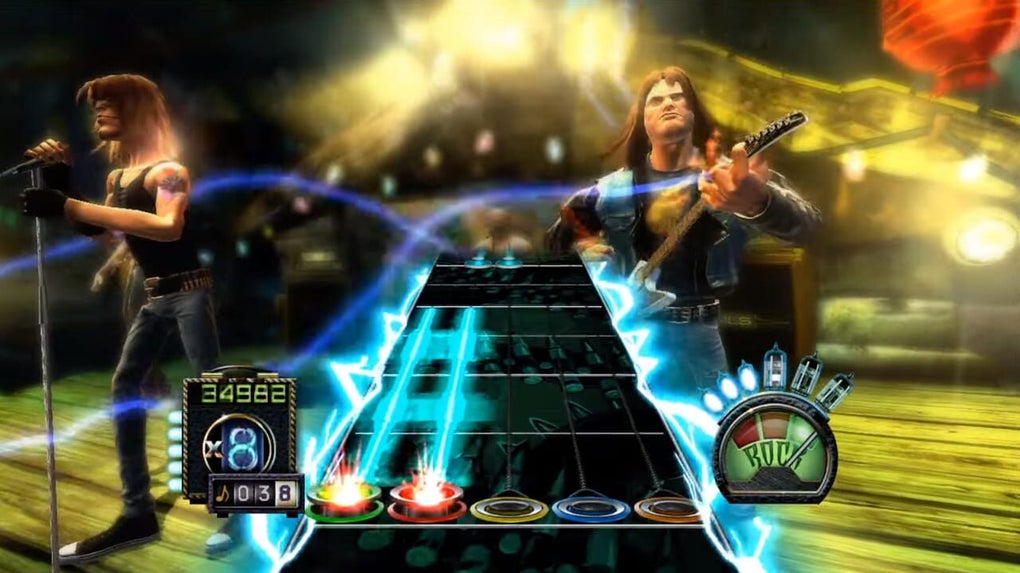
Guitar Hero III wasn’t just about adding more songs; it also refined the core gameplay mechanics and introduced innovative new features that enhanced the overall experience. The game’s controls remained largely the same, relying on the iconic plastic guitar controller, which required players to accurately time their button presses and strumming actions to match the rhythm of the song. However, the difficulty levels were fine-tuned, presenting a more challenging experience for seasoned players while maintaining an accessible entry point for newcomers. The introduction of new note patterns and increased complexity offered a greater sense of progression and achievement.
A notable addition was the introduction of a new multiplayer battle mode. This feature allowed players to compete directly against each other, adding a competitive dimension to the game that extended beyond simply trying to achieve a high score. In this head-to-head mode, players could sabotage each other’s performances, using special power-ups and strategic maneuvers to gain an advantage. This injection of competitive elements added another layer of depth and excitement to the gameplay, transforming it from a primarily solo experience into a thrilling social event.
Furthermore, Guitar Hero III introduced intense boss battles, which pitted players against formidable opponents in a series of challenging musical encounters. These battles demanded not only rhythm skills but also strategic thinking and quick reflexes, elevating the game’s challenge and offering a unique and exciting diversion from the standard song-playing experience. The boss battles offered a welcome change of pace and injected a compelling narrative element into the game, further immersing players in the world of rock and roll.
Immersive Environments and Authentic Rock Venues
The game’s presentation was also a significant step up from its predecessors. Guitar Hero III featured a variety of meticulously designed venues, each carefully crafted to reflect the unique atmosphere of different iconic rock concert settings. From intimate clubs to sprawling stadiums, each environment added to the overall immersion and authenticity of the experience. The visual detail and atmosphere were designed to make players feel like they were genuinely performing on stage in front of a roaring crowd.
The visual style was both vibrant and energetic, perfectly capturing the spirit of rock music. The graphics were detailed enough to be engaging without being overly demanding on the hardware of the time, ensuring that the game could be played on a wide range of systems. The attention to detail in the game’s visuals served as another element that added to the overall immersion and authenticity of the experience.
Guitar Hero III’s Legacy and Impact
Guitar Hero III: Legends of Rock was more than just a successful video game; it was a cultural phenomenon that helped solidify the rhythm game genre’s place in popular culture. Its combination of an expansive and iconic soundtrack, enhanced gameplay mechanics, and immersive presentation cemented its position as a landmark title in the series. The game’s innovative multiplayer mode and challenging boss battles added significant depth and replayability, keeping players engaged for hours on end. The unlockable content system provided further incentive for repeated gameplay, effectively extending the game’s life well beyond the initial playthrough.
The game’s impact extended beyond its initial release, influencing the development of future rhythm games and paving the way for innovative new titles. Guitar Hero III’s success demonstrated the potential of the rhythm game genre to capture a massive audience and establish itself as a mainstream form of interactive entertainment. The franchise’s overall success and cultural influence helped redefine the music game market and contributed to the development of numerous other successful titles in the genre. Even today, Guitar Hero III is fondly remembered for its contribution to the world of music video games, representing a high point in the franchise and a pivotal moment in the evolution of the genre as a whole.
Conclusion
Guitar Hero III: Legends of Rock stands as a testament to the power of refinement and innovation in video game design. By building upon the strengths of its predecessors while simultaneously introducing compelling new features and significantly expanding its scope, the game redefined what was possible within the rhythm game genre. Its enduring popularity is a testament to its enduring appeal, continuing to resonate with players who appreciate its blend of iconic music, challenging gameplay, and captivating presentation. Guitar Hero III remains a landmark achievement, a title that continues to inspire and entertain players years after its initial release. It is a game that successfully combined musical expertise, interactive gameplay, and immersive design, resulting in a truly unforgettable and impactful gaming experience.
File Information
- License: “Full”
- Latest update: “September 4, 2024”
- Platform: “Windows”
- OS: “Windows 11”
- Downloads: “3.7K”


