
GunZ: The Duel, a free-to-play online first-person shooter (FPS), captivated players with its unique blend of fast-paced action, intricate combat mechanics, and extensive character customization options. Released in 2003, the game quickly gained a dedicated following, renowned for its challenging gameplay and the strategic depth it offered beyond the typical FPS experience. While its graphics may not hold up to modern standards and connection issues plagued some players, GunZ’s innovative combat system and community-driven gameplay cemented its place in online gaming history. This in-depth review explores the game’s strengths and weaknesses, examining its gameplay mechanics, community aspects, and lasting legacy.
Innovative Combat: Beyond Simple Shooters
GunZ: The Duel differentiated itself from its contemporaries through its emphasis on advanced combat techniques. Instead of relying solely on gunplay, the game incorporated a dynamic melee system featuring swords, knives, and even cloaks, allowing for a diverse range of tactical approaches. This blended combat system rewarded players who mastered its nuances, fostering a unique skill ceiling beyond simple aiming and shooting.
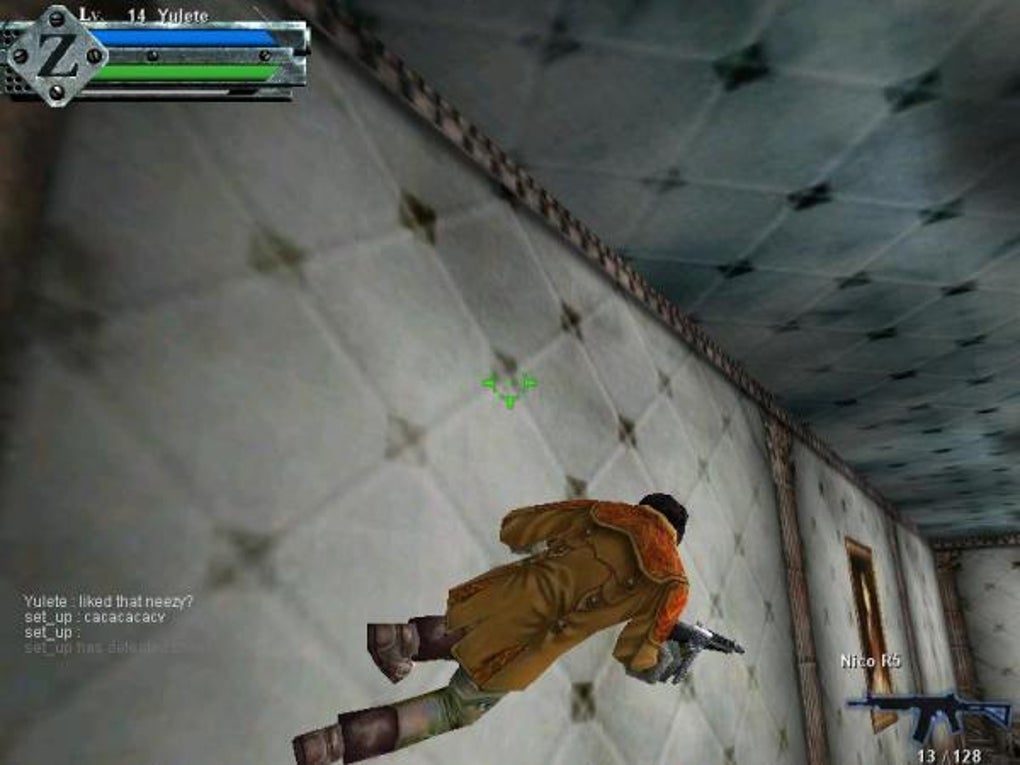
The heart of GunZ’s combat system resided in its “K-style” moveset. This involved a complex series of acrobatic maneuvers—jumps, dives, rolls, and wall-running—that players could chain together to create devastating combos. Mastering these moves was crucial for success, adding a layer of strategic depth rarely seen in other shooters. The skillful execution of K-style moves wasn’t just about dealing damage; it was about positioning, dodging enemy fire, and creating offensive opportunities. Players had to learn to predict opponent movements, anticipate their attacks, and react accordingly, making each encounter a thrilling test of reflexes and tactical prowess.
Weapon Variety and Customization
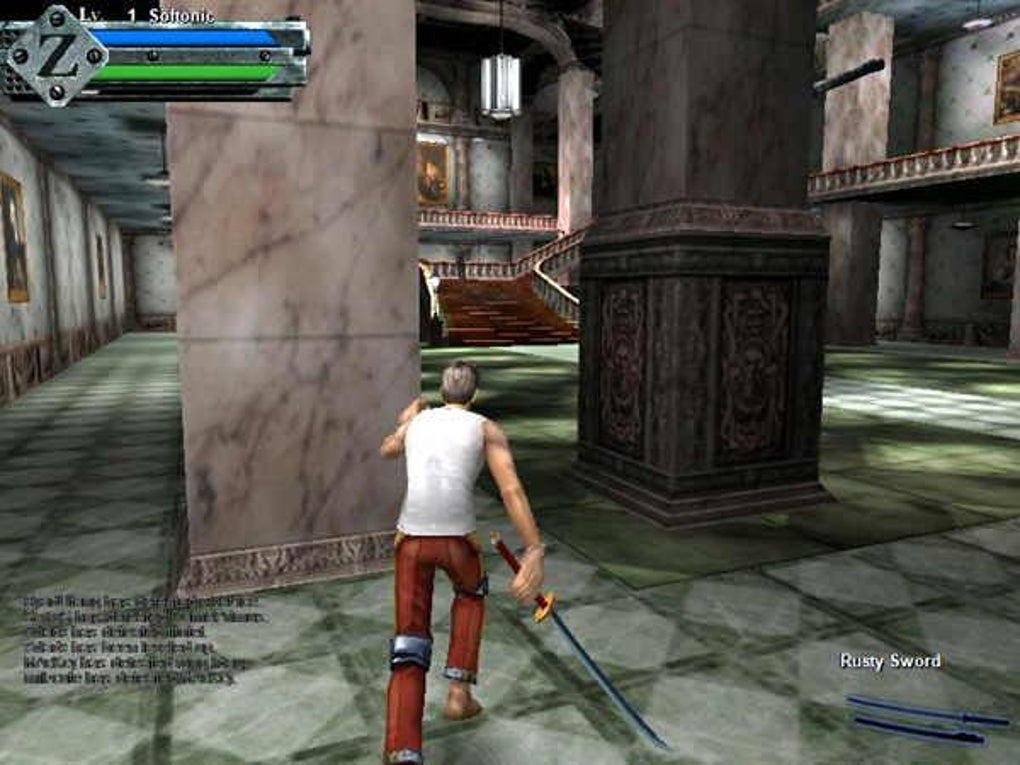
GunZ: The Duel offered a respectable array of firearms, each with its own unique attributes and strengths. From pistols and submachine guns to shotguns and sniper rifles, players could find weapons suited to their preferred playstyle. However, the game’s true strength lay in its close-quarters combat (CQC) options. Swords, knives, and other melee weapons added a layer of visceral intensity, rewarding precise timing and skillful execution.
Beyond weapons, GunZ provided extensive character customization. Players could personalize their avatars with a wide range of clothing and equipment, allowing for unique visual expression. This wasn’t purely cosmetic; certain equipment could provide minor stat boosts, adding another layer of strategic depth to character builds. The ability to create and customize clans further enhanced the social and competitive aspects of the game, fostering a sense of community and shared identity among players.
Game Modes and Community Engagement
GunZ: The Duel offered several game modes designed to cater to a range of player preferences. The standard free-for-all deathmatch mode provided a chaotic yet rewarding experience, pitting players against each other in a battle for survival. Team deathmatch provided a more structured competitive experience, requiring teamwork and coordination to dominate the battlefield. Capture the Flag, a classic objective-based mode, further tested players’ strategic thinking and collaborative skills.
The game’s clan system was a crucial element in fostering a strong sense of community. Players could form clans, compete against each other in organized duels, and participate in clan-based events. This aspect of GunZ fostered intense rivalries, creating a rich social ecosystem that extended beyond the individual player experience. The ability to create custom maps and game modes also helped ensure the longevity of GunZ, providing a platform for creative players to shape the gameplay experience.
The Rise and Fall of GunZ Clans
The clan system in GunZ wasn’t merely a social feature; it was the foundation for much of the game’s competitive landscape. Clans engaged in intense rivalries, organized tournaments, and developed unique strategies. These clans often boasted specialized roles within their membership, from skilled duelists to expert support players. The competitiveness and prestige associated with being a member of a successful clan fueled much of the game’s long-term engagement. However, as with any competitive online game, GunZ’s clan system also faced challenges related to toxicity, fairness concerns, and disagreements within and between clans.
Technical Aspects and Limitations
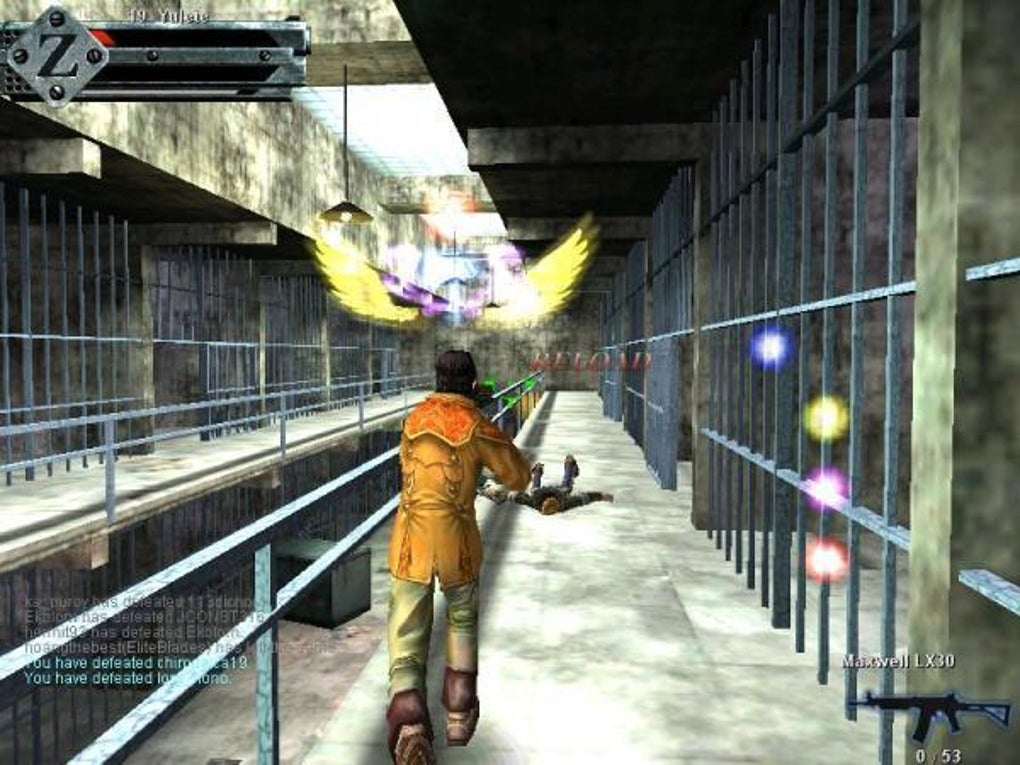
Despite its innovative gameplay, GunZ: The Duel suffered from several technical limitations. The graphics, while acceptable for its time, were far from state-of-the-art, and the limited number of maps sometimes resulted in repetitive gameplay. The soundtrack, too, was relatively simplistic and lacked the epic grandeur found in many contemporary shooters.
Perhaps the most significant drawback was the game’s susceptibility to connection issues. Lag and freezing were frequent complaints, particularly for players with slower internet connections. This negatively impacted gameplay, frustrating players and hindering the overall enjoyment of the experience. The reliance on dedicated servers also meant that player base fluctuations directly affected server stability and availability.
The Impact of Server Issues and Hacks
The issues with server stability were compounded by the presence of hackers. These players employed cheats to gain an unfair advantage, disrupting the competitive balance and discouraging honest players. While the developers implemented anti-cheat measures, the persistence of hackers remained a significant point of contention within the GunZ community. This undermined the integrity of the competitive landscape, and the difficulty in mitigating hacking attempts created frustrations for players who valued fair play.
GunZ 2: The Second Duel – A Sequel and Its Reception
The success of GunZ: The Duel led to the development of a sequel, GunZ 2: The Second Duel. This iteration aimed to address some of the shortcomings of the original, particularly the graphical limitations and connection problems. While GunZ 2 incorporated improvements in graphics and gameplay mechanics, it also shifted towards a more free-to-play model with in-app purchases, altering the initial experience of the first GunZ. This shift, along with other gameplay changes, met with mixed reception from the original fanbase, who felt the sequel departed from the core elements that made the first game so compelling.
Legacy and Lasting Influence
Despite its technical limitations and the mixed reception of its sequel, GunZ: The Duel left a significant mark on the online gaming landscape. Its innovative blend of FPS and melee combat, coupled with its deep character customization and clan-based community, created a unique and enduring gaming experience. The game’s influence can be seen in many subsequent online shooters that incorporated similar acrobatic movement systems or emphasized close-quarters combat mechanics. The passionate community that GunZ cultivated continues to this day, sharing memories, strategies, and a fondness for a game that challenged and captivated them in equal measure. Its impact resonates in the evolution of online shooters, highlighting the enduring appeal of fast-paced action and the power of a tightly knit, passionate community.
File Information
- License: “Free”
- Latest update: “August 4, 2010”
- Platform: “Windows”
- OS: “Windows 8”
- Language: “English”
- Downloads: “821K”
- Size: “220.93 MB”


