
Gwent, the popular collectible card game (CCG) born from the world of The Witcher 3: Wild Hunt, has carved its own niche in the competitive digital card game landscape. Initially a minigame within the acclaimed RPG, Gwent’s engaging mechanics and strategic depth propelled it to standalone success, offering a unique blend of accessibility and complexity that distinguishes it from its competitors. This comprehensive review explores the game’s features, strengths, weaknesses, and its overall place in the bustling world of digital card games.
Gameplay Mechanics: A Blend of Strategy and Skill
Gwent’s gameplay revolves around a turn-based, three-round card battle. Unlike many other CCGs that prioritize aggressive early-game plays, Gwent encourages a more thoughtful and strategic approach. Players must carefully manage their resources, anticipating their opponent’s moves and adapting their strategies accordingly. Each round is won by the player with the highest score, and the overall match is typically best-of-three. The core mechanics are relatively straightforward to grasp, making the game approachable for newcomers. However, the strategic depth unfolds gradually as players delve deeper into deck-building and advanced tactics.
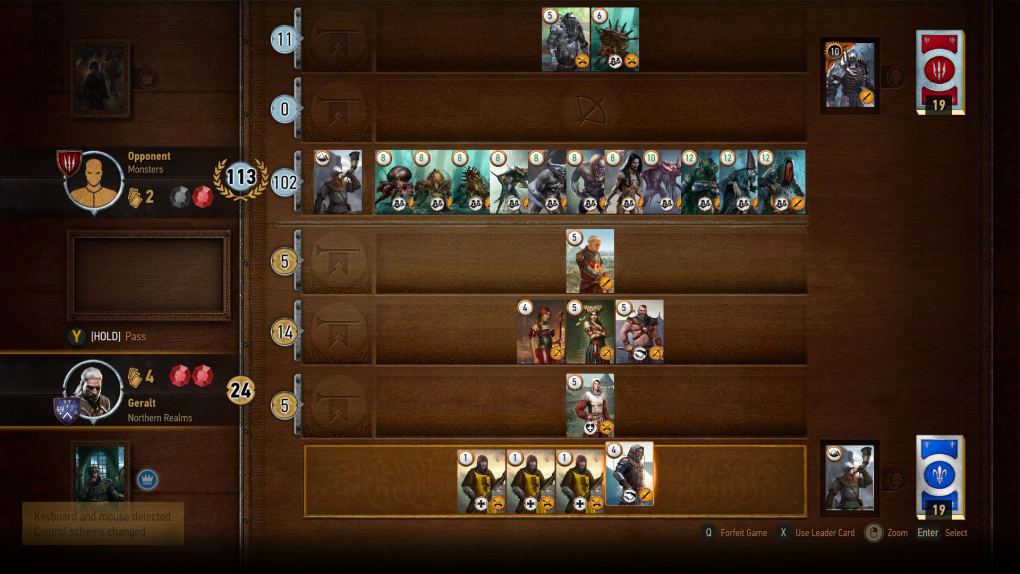
The key to success in Gwent lies in crafting a well-balanced deck that incorporates various card types and abilities. Units, the core cards, possess varying strengths and abilities, and strategically placing them on the board is crucial. Special cards, known as “abilities,” offer unique effects that can significantly influence the tide of battle. These abilities can range from boosting unit strength to directly impacting the opponent’s cards. Mastering these abilities and understanding their synergies is paramount for achieving victory.
Furthermore, Gwent introduces an element of bluffing and calculated risk-taking. Players can choose to pass a round, forfeiting their turn but gaining strategic advantages for subsequent rounds. This mechanic adds a layer of unpredictability and requires players to consider the long-term consequences of their actions. The game effectively blends tactical thinking with an element of chance, keeping players engaged and challenged throughout each match. The pacing is slower compared to some faster-paced CCGs, encouraging players to carefully consider each play rather than relying solely on speed and aggression.
Card Collection and Deck Building: Crafting Your Winning Strategy
Gwent’s extensive card pool, drawn from the rich lore of The Witcher universe, offers a vast array of choices for deck building. Each faction, representing a distinct group within the game’s universe, possesses unique units, abilities, and playstyles. This encourages diverse strategies and prevents meta-game stagnation. Players can collect cards through gameplay rewards, crafting, and in-game purchases, allowing them to tailor their decks to specific strategies and preferences.
The deck-building aspect of Gwent is one of its most compelling features. It goes beyond simply selecting powerful cards; it requires players to understand the synergies between different cards, factions, and abilities. Building a cohesive and effective deck demands careful planning and consideration of various factors, including card types, unit strengths, and ability combinations. The depth of deck-building choices contributes significantly to the game’s longevity and replayability. The focus on strategic deck construction, rather than relying heavily on powerful individual cards, ensures that matches are engaging and skill-based. Players who invest time and effort in refining their deck-building skills are more likely to succeed.
Game Modes and Community Interaction: Engaging with Other Players
Gwent offers a variety of game modes to cater to different player preferences. Ranked mode tests players’ skills against others of similar ranks, allowing for competitive play and the pursuit of higher ranks. Casual mode provides a more relaxed environment for players to experiment with new decks and strategies without the pressure of ranking. In addition to these core modes, Gwent also features special events, seasonal challenges, and limited-time game modes, which keep the gameplay fresh and exciting.
The game fosters a robust and engaged community, with regular updates, community events, and consistent developer interaction. This active community provides a platform for players to share strategies, discuss deck-building techniques, and engage in friendly competition. The game’s developers actively listen to player feedback and regularly incorporate improvements and adjustments based on community input, ensuring that the game remains balanced and enjoyable for all players. The active and responsive development team contributes significantly to the overall positive player experience.
Monetization and Free-to-Play Model: A Balanced Approach?
Gwent employs a free-to-play model with optional in-game purchases. While the game is entirely playable without spending any money, purchasing in-game currency can provide access to new cards and accelerate the collection process. The free-to-play rewards are comparatively generous compared to many other CCGs, providing ample opportunities for players to earn cards and build their collections through regular gameplay and daily login bonuses.
However, the best decks often require significant investment of time or real money. This can create a noticeable disparity between players who spend money and those who don’t, potentially impacting the balance of competitive gameplay. While the game is designed to be fair, the advantage afforded by substantial investment in the game’s card pool cannot be overlooked. This potential for a pay-to-win dynamic, while not entirely overwhelming, is a point of contention for some players. The developers’ efforts to maintain balance through regular updates and generous rewards mitigate this issue to some extent, but it remains a factor that players should consider.
Strengths and Weaknesses: A Critical Analysis
Strengths:
- Strategic Depth: Gwent’s gameplay offers a deep level of strategic thinking, encouraging long-term planning and calculated risk-taking.
- Unique Mechanics: The three-round structure and the ability to pass rounds add unique strategic elements not found in most other CCGs.
- Engaging Lore: The game’s setting in the Witcher universe appeals to fans of the series and offers a rich backstory to its cards and factions.
- Generous Free-to-Play Model: The free-to-play rewards are significantly more generous than in many competing CCGs.
- Active and Responsive Community: The game has a thriving community with consistent interaction from the developers.
Weaknesses:
- Slower Pace: The slower pace of the game may not appeal to players who prefer faster-paced CCGs.
- Pay-to-Win Potential: While the free-to-play system is generous, the best decks may require significant investment of time or money.
- Complexity Curve: While the basic mechanics are easy to learn, mastering the strategic nuances can take considerable time and effort.
Conclusion: A Worthy Contender in the CCG Arena
Gwent stands as a compelling contender in the crowded CCG market. Its unique blend of strategic depth, engaging lore, and generous free-to-play model make it an attractive choice for both casual and dedicated players. While the slower pace and potential pay-to-win aspects might deter some players, the overall gameplay experience, rich lore, and active community make Gwent a worthy game to explore. Its continued success hinges on the developers’ ability to maintain the game’s balance, expand its content in creative ways, and continue fostering a strong and engaged community. Whether you’re a seasoned CCG veteran or a newcomer to the genre, Gwent offers a rewarding and enriching experience that is likely to hold your attention for many hours of strategic card battles.
File Information
- License: “Free”
- Version: “1.0”
- Latest update: “July 15, 2022”
- Platform: “Windows”
- OS: “Windows 10”
- Downloads: “967”


