
Hacky is a premium simulation game developed by Napas Torteeka that immerses players in the world of cybercrime, albeit in a fun and engaging way. This typing-based simulator casts players as elite hackers, tasked with infiltrating networks and stealing data through the skillful execution of simple commands. The game’s retro-futuristic aesthetic, rendered in pixel art, creates a visually captivating cyberspace teeming with neon lights and a distinct 80s-inspired vibe. This review will delve into the game’s mechanics, strengths, weaknesses, and overall experience.
Gameplay: Mastering the Art of Virtual Hacking
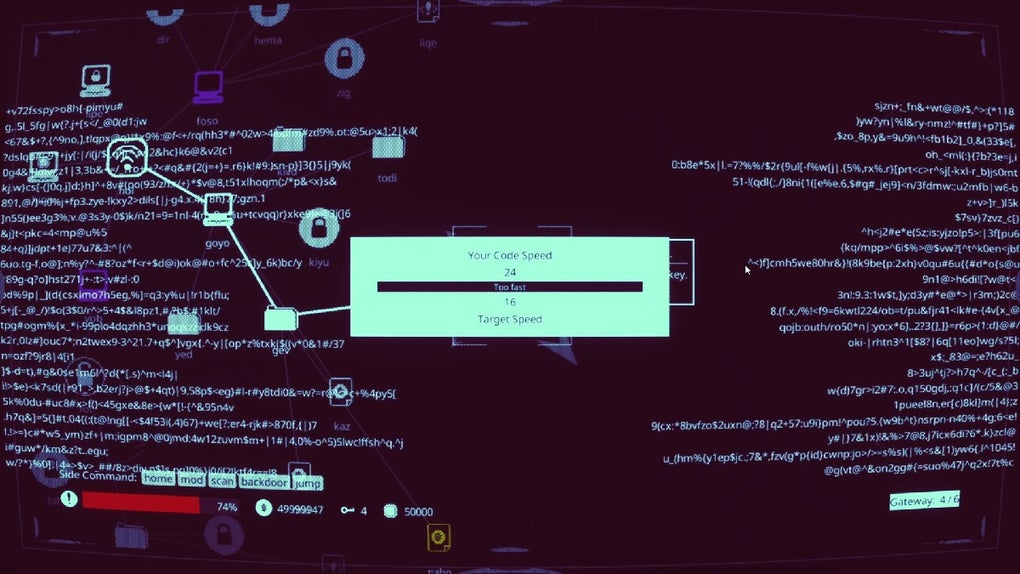
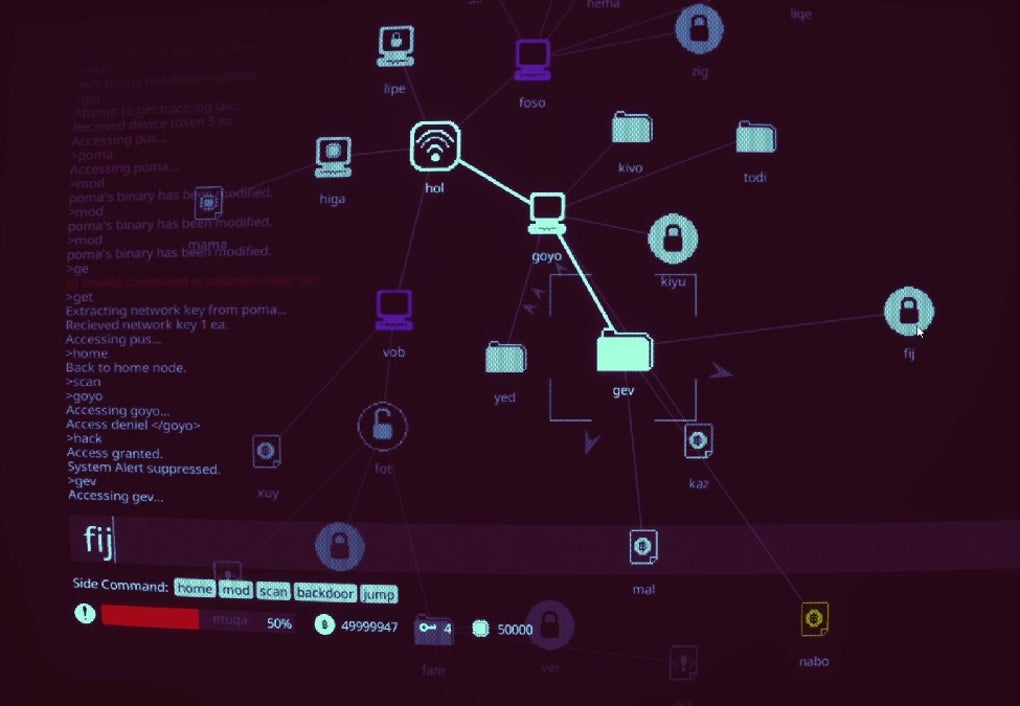
Hacky’s core gameplay loop centers around typing. Players must accurately and quickly type commands to navigate virtual networks, bypass security measures, and ultimately achieve their hacking objectives. The game’s intuitive keyboard controls make it remarkably accessible, even for those with limited typing experience. The initial stages offer a gentle introduction to the mechanics, allowing players to gradually build their typing speed and accuracy. As players progress, the challenges become more complex, requiring faster typing speeds and more strategic command execution. This progressive difficulty curve ensures that the game remains engaging even as the player’s skills develop. The increasing complexity of the networks reflects a compelling sense of progression, mirroring the escalating risks and rewards of a real-world hacking scenario, albeit within the safe confines of a game.
The game’s design cleverly integrates the act of typing into the core gameplay experience, transforming what might otherwise be a tedious activity into a core element of skill development and strategic decision-making. Successful commands lead to network penetration, data acquisition, and the unlocking of new abilities. However, incorrect or slow typing results in failed attempts, potentially leading to detection and the loss of valuable in-game resources. This high level of engagement directly links skill acquisition with rewarding gameplay.
Visuals and Sound: A Retro-Futuristic Escape
Hacky’s visual style is a standout feature. The pixel art aesthetic, reminiscent of classic arcade games, creates a visually striking and immersive cyberspace. The neon-soaked environments pulse with energy, emphasizing the game’s retro-futuristic setting. The color palette is vibrant and well-chosen, avoiding any visual fatigue despite the game’s relatively simple graphical style. The overall design effectively conveys a sense of atmosphere, immersing the player in the simulated world of hacking and enhancing the overall gaming experience. While the graphics aren’t photorealistic, their simplicity enhances the gameplay, avoiding the potential distractions of highly detailed visuals and keeping the focus firmly on the typing mechanics. The simplistic design also benefits users with lower-end systems.
Achievements and Progression: A Rewarding Journey
Hacky incorporates a system of 12 Steam achievements, providing players with additional goals and incentives to continue playing. These achievements range from simple tasks like completing a certain number of hacks to more complex challenges requiring specific strategies and a high level of skill. The achievement system adds a layer of depth to the gameplay, encouraging players to explore different aspects of the game and refine their typing skills. The structured progression, unlocked through successful hacks and achievement completion, offers a tangible sense of accomplishment, motivating players to continually improve their abilities.
Strengths and Weaknesses: A Balanced Perspective
Hacky offers a unique and engaging experience, particularly for those seeking to improve their typing skills while enjoying a casual yet captivating game. The typing-based mechanic is cleverly implemented, transforming what is typically a mundane task into a core element of the gameplay. The retro-futuristic pixel art style is visually appealing and well-executed, contributing to the overall immersive experience. The achievement system provides additional layers of motivation and rewards, encouraging players to push their abilities and explore various aspects of the game. The game’s accessibility makes it suitable for a broad range of players, regardless of prior experience with similar games.
However, the game also presents some limitations. The repetitive nature of the gameplay can become monotonous for players seeking more variety or complex challenges. After a certain point, the core mechanic of typing commands, while satisfying in its own right, may lack the strategic depth or dynamic elements that more sophisticated simulation games often offer. This repetitive element could potentially alienate players who crave greater diversity in gameplay or significant shifts in mechanics.
Furthermore, the game’s simplicity, while a strength in terms of accessibility, might be perceived as a drawback by players seeking a more intricate or complex hacking simulation experience. The focus on typing speed and accuracy could overshadow elements of strategic planning or decision-making, which might be present in a more elaborate simulation. This streamlining, while improving ease of entry, could limit the overall depth of gameplay for experienced gamers.
Overall Impression: A Fun and Engaging Typing Simulator
Hacky is a well-executed typing-based simulation game that successfully integrates its core mechanic into an enjoyable and visually appealing experience. The retro-futuristic setting, combined with its intuitive controls and rewarding achievement system, creates a unique and engaging gaming experience, particularly for those who want to improve their typing skills in a fun and immersive way. However, the repetitive nature of the gameplay might prove a deterrent for players seeking greater complexity or variety. Overall, Hacky offers a solid and enjoyable experience that’s perfect for casual gamers and those looking to improve their typing skills while enjoying a retro-styled adventure in the world of virtual hacking. While not groundbreaking in its scope or complexity, its focus on polish and accessibility makes it a worthwhile experience for the right player.
File Information
- License: “Full”
- Version: “varies-with-devise”
- Latest update: “January 22, 2025”
- Platform: “Windows”
- OS: “Windows 7”
- Language: “English”
- Downloads: “113”


