Hades

"Hades: A rogue-like action RPG with a rich narrative and immersive Greek mythology setting."

Hades, developed by the acclaimed Supergiant Games, is more than just an action-packed rogue-like dungeon crawler; it is a narrative-driven mythical RPG that profoundly invites players to defy the gods and escape the treacherous depths of the Underworld. As Zagreus, the immortal Prince of the Underworld, players embark on a thrilling, relentless journey to escape the clutches of his estranged father, Hades, and reach the surface world. This game masterfully weaves together exhilarating combat, a compelling narrative rich with Greek mythology, and an ingenious progression system that ensures every attempt at escape feels meaningful, revealing new layers of its darkly humorous and deeply emotional story.

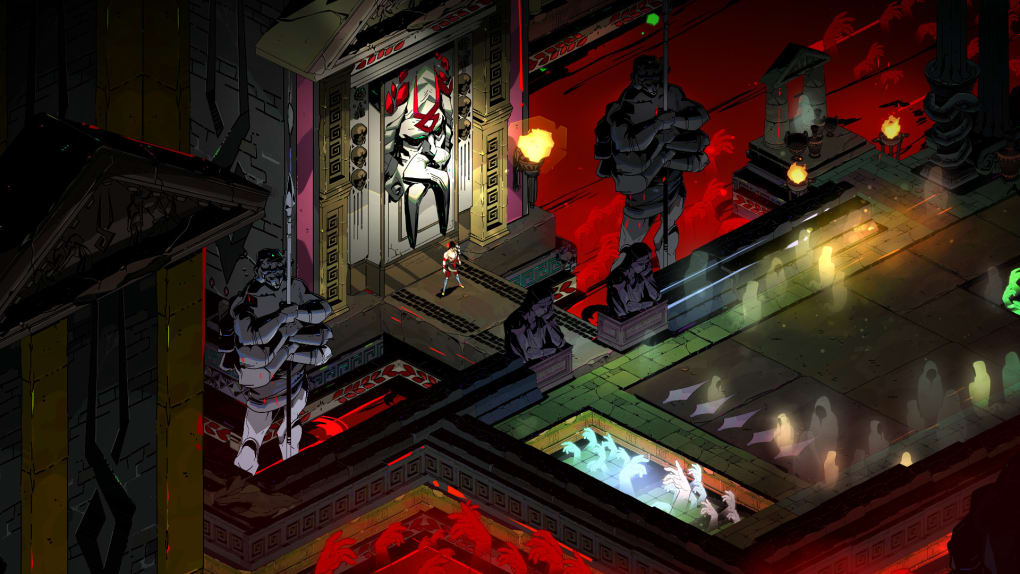
From its stylish, hand-drawn art style to its fully voiced cast of mythological figures, Hades captivates players from the moment they dive into its labyrinthine chambers. Armed with mythic weapons and an ever-changing arsenal of powers bestowed by the Olympian gods, each escape attempt is a fresh experience, riddled with unique challenges, formidable foes, and a constantly unfolding narrative. The game successfully blends the frenetic action of a hack-and-slash with the strategic depth of a rogue-lite, all underpinned by a story that refuses to be ignored, evolving and deepening with every death and rebirth of its charismatic protagonist. It’s a testament to Supergiant Games’ ability to innovate within established genres, delivering an experience that is both challenging and incredibly rewarding.

Defying the Gods: The Core Narrative

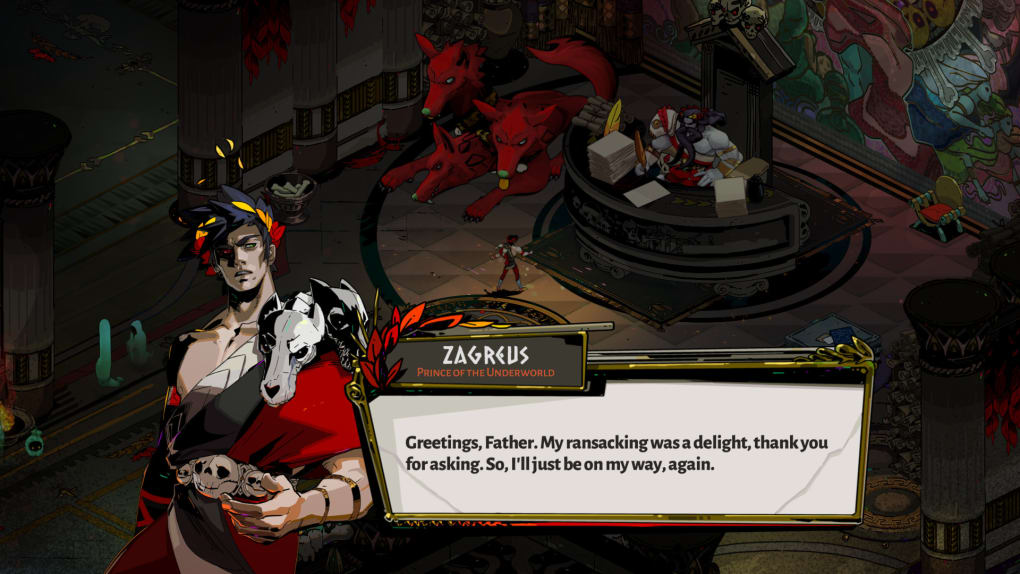
At the heart of Hades lies a deeply personal and surprisingly relatable narrative centered around familial struggles, particularly the “daddy issues” between Zagreus and his imposing father, Hades. The immortal Prince of the Underworld yearns for freedom and a connection to his distant relatives on Mount Olympus, prompting his repeated, often futile, attempts to breach the Underworld’s boundaries. This core motivation drives the entire game, making each death not an end, but a pivotal moment in the ongoing drama. Zagreus’s constant return to the House of Hades after each failed escape isn’t merely a gameplay loop; it’s an integral part of the story, allowing him to interact with the denizens of the Underworld, advance relationships, and uncover more about his lineage and the true reasons behind his father’s rigid rule.

The narrative unfolds organically through these repeated attempts. With every escape run, new dialogue is unlocked, characters reveal more of their backstories, and the overarching plot thickens. This innovative storytelling method ensures that players are constantly invested, eager not only to overcome the next boss but also to hear the next piece of dialogue from the fully voiced cast. The writing is sharp, witty, and often poignant, breathing new life into ancient Greek myths and portraying the gods and monsters not as distant, infallible beings, but as complex, flawed individuals caught in their own dysfunctional family drama.

Zagreus himself is a charismatic and endearing protagonist, whose rebellious spirit is tempered by a surprising depth of empathy and a mischievous sense of humor. His interactions with characters like Nyx, Achilles, Hypnos, and, of course, the Olympian gods, are highlights of the game, providing both comic relief and crucial plot points. The gods of Olympus, despite their ancient origins, are portrayed with distinct personalities and motivations, making their boons and occasional interventions feel genuinely impactful. Poseidon’s booming exuberance, Zeus’s self-assured authority, Athena’s sagely wisdom, and Artemis’s quiet intensity all contribute to a vibrant tapestry of personalities that Zagreus encounters on his journey. These relationships are not static; they evolve based on Zagreus’s actions, his successful escape attempts, and the gifts he bestows upon them. The intricate web of relationships, betrayals, and alliances among the Olympian and Underworld deities forms a rich backdrop against which Zagreus’s personal quest plays out, ensuring that the narrative remains compelling and fresh even after dozens of hours of gameplay. The genius of Hades’ storytelling lies in making the player’s progression through gameplay directly correspond to their progression through the narrative, creating an immersive and seamless experience where every action contributes to understanding the intricate world and its inhabitants.

Gameplay Mechanics and Roguelike Progression

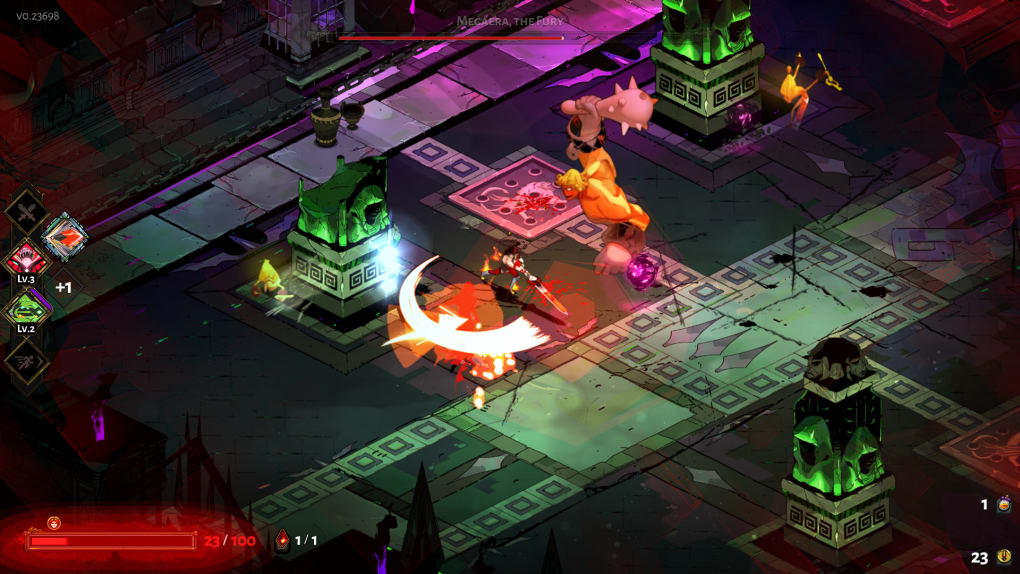
Hades offers a thrilling blend of fast-paced action combat and strategic roguelike mechanics. Players control Zagreus through various procedurally generated chambers of the Underworld, battling hordes of mythological foes with a diverse array of Infernal Arms. Each weapon—from the quick-hitting Stygius sword to the long-range Coronacht bow and the devastating Aegis shield—offers a unique playstyle, encouraging players to experiment and master different combat approaches. The controls are fluid and responsive, allowing for satisfying dodges, dashes, and special attacks that make combat feel impactful and engaging.

The core loop of Hades is defined by its roguelike nature: players attempt to escape, inevitably die, and return to the House of Hades, only to begin anew, albeit stronger and wiser. What sets Hades apart from many other roguelikes is its ingenious approach to progression. Death is not a setback but a necessary component of the game’s overall design. While each run starts Zagreus from scratch in terms of temporary power-ups, the game features several permanent progression systems that ensure constant forward momentum.

The most prominent of these are the Boons bestowed by the Olympian gods. As Zagreus traverses the Underworld, he encounters various Olympian symbols, offering him a choice of power-ups that augment his attacks, specials, cast, dash, and overall abilities. These Boons are randomized with each run, leading to thousands of potential character development paths. Players must adapt their strategies on the fly, building synergistic combinations of Boons that complement their chosen weapon and playstyle. For instance, combining Zeus’s lightning boons with Poseidon’s knock-away effects can create a powerful crowd-control build, while Artemis’s critical hit boons can turn any weapon into a devastating damage dealer. This system encourages dynamic decision-making and ensures that no two runs ever feel quite the same, mitigating the potential for the gameplay to feel repetitive or monotonous, an aspect that some might initially fear in a roguelike.

Beyond the Boons, there are other crucial elements that contribute to Zagreus’s ever-increasing power. Daedalus Hammers provide powerful modifications to weapons, fundamentally altering their attack patterns and adding new capabilities. Keepsakes, acquired from various characters, offer unique passive bonuses that can be swapped before each region, allowing for further strategic customization. The Mirror of Night, located in Zagreus’s room, is perhaps the most significant permanent upgrade system. Using Darkness collected during runs, players can unlock permanent talents such such as increased health, additional dashes, or improved boon rarity, providing a tangible sense of progression that carries over between all escape attempts. This ensures that even failed runs contribute to Zagreus’s overall strength, making subsequent attempts more manageable and empowering.

The challenge of Hades also lies in its formidable boss encounters. Each guardian boss remembers past encounters, adapting their dialogue and sometimes their tactics based on Zagreus’s prior performance. This not only deepens the narrative but also adds an extra layer of difficulty and immersion. The varying enemies in each biome, coupled with environmental hazards and unpredictable room layouts, demand constant vigilance and quick reflexes. While some might find the core mechanics to feel quite tedious over extended play, the sheer variety of builds, the engaging combat, and the compelling progression systems consistently pull players back for “just one more run.” For those who might eventually crave a fresher experience without diverting from the storyline or in-game universe, PhanMemFree highly recommends checking out the critically acclaimed sequel, Hades II, which promises to expand upon these beloved mechanics.

A Rich Tapestry of Greek Mythology

Hades breathes vibrant new life into the ancient and sprawling narratives of Greek mythology, transforming well-known figures and lesser-known tales into a cohesive, engaging, and often humorous modern epic. Rather than merely using Greek myths as a superficial backdrop, Supergiant Games expertly weaves the lore into the very fabric of the game’s world, characters, and gameplay mechanics. Every aspect, from the names of the weapons and abilities to the design of the environments and the personalities of its vast cast, is steeped in mythological authenticity, yet presented with a contemporary flair.

Players journey through iconic regions of the Underworld, such as Tartarus, Asphodel, Elysium, and the Temple of Styx, each rendered with exquisite detail and populated by creatures drawn directly from myth. The Furies, the Lernaean Hydra, the Minotaur, and the shades of fallen heroes are not just generic enemies; they are characters with distinct identities, often engaging in witty banter or revealing tragic backstories that deepen the player’s understanding of the Underworld’s inhabitants. This attention to detail creates an incredibly immersive experience, making players feel as if they are truly traversing a living, breathing mythological realm.

The Olympian gods, typically portrayed as distant and powerful, are presented in Hades with remarkable humanity and distinct personalities. Zeus, Hera, Poseidon, Demeter, Athena, Ares, Artemis, Aphrodite, and Dionysus all play crucial roles, offering Zagreus their divine aid in the form of Boons. Their personalities shine through in their dialogue and the effects of their powers. Zeus, the king of the gods, blesses Zagreus with electrifying chain lightning; Poseidon, the god of the sea, grants powers that knock back foes with surging waves; and Athena, the goddess of wisdom, bestows defensive boons that deflect damage. These interactions are not just functional; they are narrative opportunities, revealing the intricate relationships and often squabbles within the Olympian family, many of which directly impact Zagreus’s own quest.

Beyond the major gods, Hades delves into the deeper, darker corners of Greek mythology, featuring figures like Nyx, the primordial goddess of night, who acts as a maternal figure to Zagreus; Achilles, the legendary hero now serving as a trainer; Hypnos, the god of sleep, who greets Zagreus with sarcastic remarks after each death; and Eurydice, the heartbroken nymph. Even the minor characters and environmental details are infused with mythological references, from the descriptions of trinkets to the flavor text on various upgrades. This extensive and respectful incorporation of mythology elevates Hades beyond a simple action game, transforming it into an interactive odyssey that educates and entertains, inviting players to delve deeper into the rich lore it presents. The immersive gameplay, extensive character development options, and dynamic relationships with gods all contribute to an exceptionally engaging experience, cementing Hades as a benchmark for how to adapt ancient myths into modern interactive storytelling.

Building Relationships and Customizing Your Playstyle

One of Hades’ most distinguishing features, and a significant contributor to its immersive plot, is the innovative relationship system and the extensive possibilities for character customization. Beyond the fast-paced combat, the game fosters a deep sense of connection between Zagreus and the myriad of characters inhabiting the House of Hades and the Underworld. These relationships are not merely cosmetic; they are integral to both the narrative progression and the player’s mechanical advantage.

As Zagreus repeatedly returns to the House of Hades, he has the opportunity to interact with a fully voiced cast of gods, ghosts, and monstrous entities. Through dialogue, gifting Nectar and Ambrosia, and completing specific prophecies or side quests, players can deepen their bonds with these characters. Each character has their own story arcs and personalities, ranging from the loyal Dusa, the gorgon maid, to the stoic Skelly, Zagreus’s personal training dummy. These interactions are rich with humor, tragedy, and insight into the complex dynamics of the Underworld and Olympian pantheons. The fully voiced cast enhances this experience significantly, bringing each character to life with distinct vocal performances that perfectly match their mythological archetypes and Supergiant Games’ unique interpretations.

Building these relationships yields tangible benefits beyond narrative enrichment. Stronger bonds with specific characters unlock powerful Boons, Keepsakes, or unique story events that can drastically alter gameplay. For example, forming a strong bond with Cerberus, the three-headed hound of the Underworld, might grant a certain keepsake that benefits Zagreus in combat, while aiding a god like Demeter could unlock potent new frost-based Boons. This system actively encourages players to explore all dialogue options and engage with the social simulation aspects, transforming every return to the House of Hades into an anticipated opportunity for progression. The concept of a dysfunctional family ruling the Underworld is brought to the forefront through these interactions, as Zagreus often finds himself mediating disputes or uncovering secrets that reshape his understanding of his family and their domain.

The interplay between relationships and character customization truly allows for countless character builds and gameplay possibilities. Each run offers a chance to experiment with different weapon aspects (variants that significantly change a weapon’s behavior), a vast array of Boons from the Olympians, and various keepsakes. The sheer number of potential Boon combinations alone, especially when considering “Duo Boons” which combine powers from two different gods, means that players can constantly discover new and effective strategies. Want to focus on rapid-fire attacks and critical hits? Build around Artemis and Zeus. Prefer a defensive, health-regeneration tank? Look for Boons from Demeter and Aphrodite. This flexibility ensures that the game remains fresh and engaging for hundreds of hours, as players constantly tweak and refine their preferred playstyles. The ability to obtain permanent upgrades through the Mirror of Night further enhances this sense of progression, providing a foundational advantage that allows for even more adventurous build experimentation in subsequent attempts. This deep well of customization, tied seamlessly into the narrative and relationship systems, is a primary reason why Hades maintains its strong appeal and replayability.

Art Style, Voice Acting, and Overall Appeal

Hades distinguishes itself not only through its innovative gameplay and narrative but also through its exceptional presentation, particularly its stylish art direction and immersive voice acting. The game’s visual aesthetic is a masterclass in combining classical Greek mythology with a distinct, modern, hand-drawn art style. Every character, enemy, and environment is rendered with striking detail and vibrant colors, creating a visually cohesive and incredibly appealing world. The character designs are iconic, instantly recognizable, and infused with personality, making figures like the stoic Achilles, the fiery Megaera, and the imposing Hades himself feel alive and unforgettable. The animations are fluid and dynamic, enhancing the fast-paced combat and making every dodge, attack, and special move feel impactful and visually rewarding. This stylish art style is a significant factor in the game’s immersive plot, drawing players deeper into the mythical realm.

Complementing the stunning visuals is a superb level of voice acting that brings the entire cast to life. As noted, the game is fully voiced, and the quality of the performances is consistently high across the board. Each character, from major gods like Zeus and Poseidon to the various shades and minor NPCs in the House of Hades, is given a unique and memorable voice that perfectly captures their personality and mythological archetype. Zagreus’s own performance is a standout, conveying his rebellious spirit, sarcastic wit, and underlying compassion. The voice acting is crucial for the narrative-driven nature of Hades, making the thousands of lines of dialogue engaging and ensuring that players are always eager to hear the next piece of exposition or banter. This commitment to high-quality audio, including an equally excellent soundtrack, significantly enhances the overall immersion and emotional resonance of the game.

The combination of an immersive plot, numerous possible character builds, and an appealing progression system contributes to Hades’ widespread critical acclaim and enduring appeal. The game manages to strike a near-perfect balance between challenge and reward. While the gameplay can feel repetitive for some, especially in a rogue-like where death is a constant companion, the game’s core loop is so satisfying, and its progression systems so thoughtfully designed, that the repetition rarely feels like a chore. Instead, each run offers new opportunities to discover synergies, experiment with builds, and uncover more of the captivating story. The difficulty is punishing but fair, constantly pushing players to improve their skills and understanding of the game’s mechanics, fostering a deep sense of accomplishment with every successful escape.

Hades delivers a thrilling blend of combat, mythology, and storytelling that culminates in an exceptionally engaging experience. For those seeking an action-packed odyssey through Greek mythology with a compelling personal narrative, the game offers an exciting escape into the depths of the Underworld. Despite the minor concern of potential gameplay repetition, the game’s overall charm, artistic brilliance, profound narrative, and deep replayability shine through, making it an undeniable must-play title for fans of action RPGs and rogue-likes alike. It’s a game that not only pushes the boundaries of its genre but also sets a new standard for narrative integration in procedurally generated experiences, firmly establishing itself as one of the most beloved and influential games of its generation. Its legacy is further cemented by the anticipation for its sequel, Hades II, promising more of what made the original an instant classic.

File Information

  • License: “Full”
  • Version: “1.0”
  • Latest update: “May 7, 2024”
  • Platform: “Windows”
  • OS: “Windows 8”
  • Language: “English”
  • Downloads: “13K”