
Hearthstone: Heroes of Warcraft, developed by Blizzard Entertainment, has cemented its place as a leading digital collectible card game (CCG). Its blend of accessibility, strategic depth, and vibrant Warcraft-themed universe has captivated millions of players worldwide. This in-depth exploration delves into the game’s mechanics, monetization, community, and overall impact on the digital CCG landscape.
Gameplay Mechanics: Simplicity Meets Strategic Depth
Hearthstone presents a deceptively simple yet profoundly strategic gameplay loop. Players construct decks of 30 cards, choosing from nine distinct hero classes, each possessing unique abilities and card pools. Unlike some CCGs that overwhelm players with complex rules and intricate card effects, Hearthstone prioritizes streamlined mechanics. The core gameplay revolves around managing mana (resource points), summoning minions (combat units), casting spells, and strategically damaging the opponent’s hero to reduce their health to zero.
This simplicity serves as a gateway to a deep and rewarding strategic experience. The seemingly straightforward card interactions create a vast array of possibilities for deckbuilding and gameplay strategies. Each class possesses a unique playstyle, encouraging experimentation and mastery. Aggro decks focus on overwhelming opponents with early-game pressure, while control decks prioritize board control and late-game power plays. Combo decks rely on intricate card interactions to unleash devastating effects, and midrange decks aim for a balance between early aggression and late-game sustainability.
The game’s inherent randomness, stemming from the card draw mechanic and the dynamic nature of combat, adds another layer of strategic complexity. Players must adapt to unexpected circumstances, make calculated risks, and optimize their decision-making based on the cards available in their hand and the current board state.
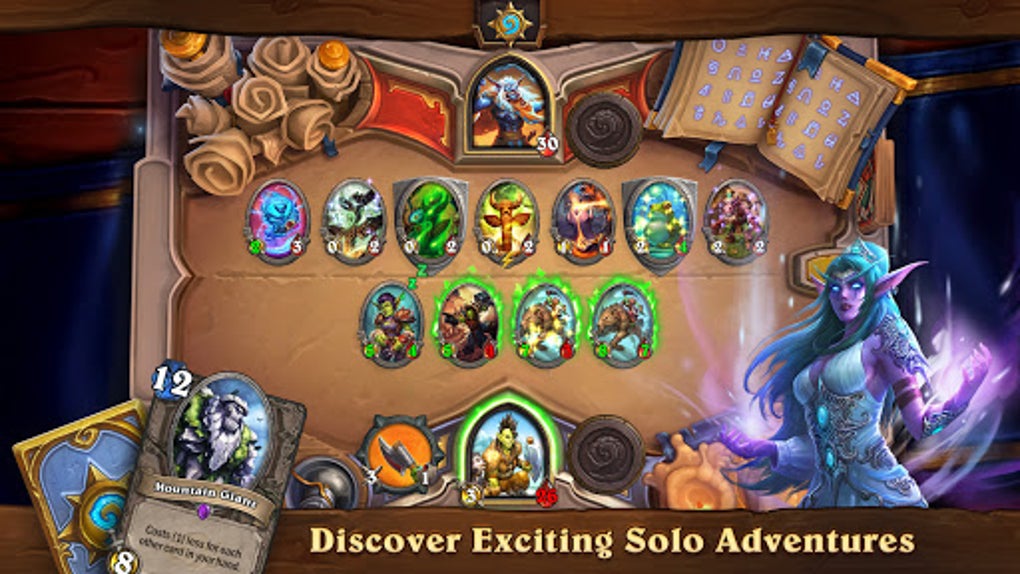
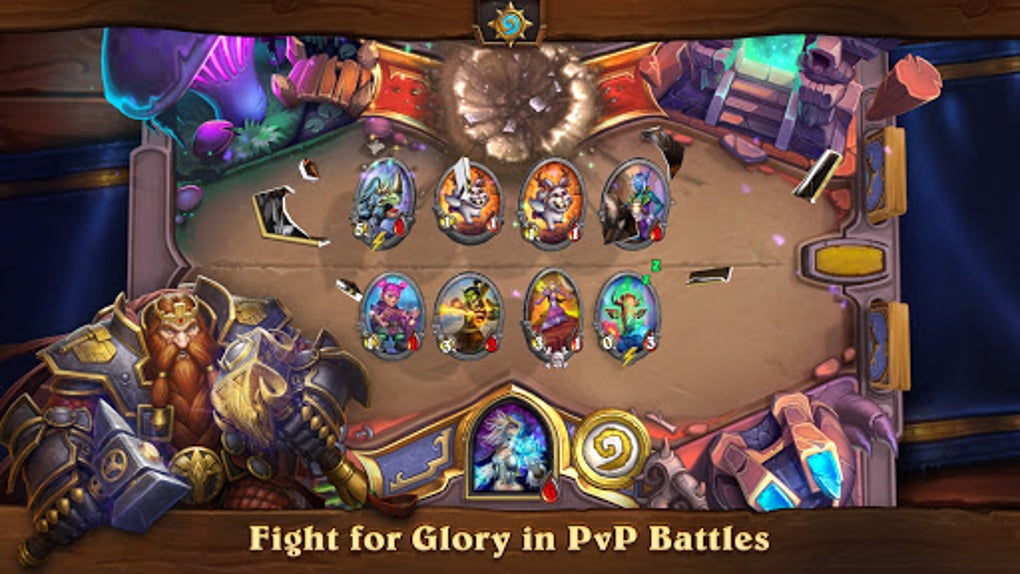
Beyond the core gameplay, Hearthstone offers several game modes to cater to diverse player preferences. The standard Ranked Mode tests players’ skills against others of similar rank, providing a competitive environment to climb the ladder and prove their mettle. Casual Mode allows for more relaxed play without impacting rank, perfect for experimenting with new decks or simply enjoying the game without pressure. The Arena mode, accessible via in-game currency or real-money purchases, presents a unique challenge: players build a deck from a randomized selection of cards and then compete in a series of matches, aiming to win a certain number of matches before suffering three losses. This mode rewards skillful deck construction and adaptation under pressure, offering a consistently fresh and engaging experience.
Finally, the single-player campaign, comprised of various expansions and adventures, offers an engaging narrative experience intertwined with challenging gameplay scenarios. This mode provides a crucial opportunity for new players to learn the game’s mechanics and explore different card interactions in a less competitive setting.
Monetization and Accessibility: A Balanced Approach?
Hearthstone employs a freemium model, offering free access to the core game while providing opportunities for optional purchases. Players can acquire card packs (containing randomized cards) using in-game gold earned through gameplay or real-money purchases. These packs expand their collection, allowing for greater deck diversity and strategic options. Expansions introduce new cards and mechanics, further enhancing the game’s longevity and replayability.
While the game is technically free-to-play, the monetization model creates an inherent imbalance. Players who invest real money gain a significant advantage, able to acquire a wider range of cards and build more competitive decks more quickly. However, diligent free-to-play players can still achieve high levels of success through consistent gameplay, strategic deckbuilding, and skillful play. The in-game quest system provides a steady stream of gold, allowing free players to progress at a reasonable pace, although this progress is undeniably slower than for paying players.
Blizzard’s careful balancing of card power and game mechanics attempts to mitigate the impact of monetary investment. While powerful cards exist, their effectiveness is often dependent on synergistic deckbuilding and skillful gameplay. This design prevents purely pay-to-win scenarios, although the disparity between the collection size and options available to paying versus free players remains a significant factor affecting competitive balance.
Graphics, Sound, and User Interface: Blizzard’s Polished Touch
Hearthstone embodies Blizzard’s reputation for high-quality production values. The game’s visuals are charming and vibrant, faithfully capturing the Warcraft universe’s aesthetic. Character models and card art are meticulously detailed, immersing players in the rich fantasy world. The user interface is intuitive and user-friendly, designed to facilitate smooth gameplay across various platforms. Card effects are visually appealing and clearly convey the game’s mechanics.
The game’s soundtrack complements the visual design, providing an immersive and enjoyable auditory experience. The music is well-composed and expertly integrated into the game’s various modes and scenarios. The sound effects are satisfying, further enhancing the engagement with the core gameplay loop.
The overall design prioritizes clarity and user-friendliness. Even complex card effects and game mechanics are presented in a clear and easily understandable manner, ensuring a smooth learning curve for new players while providing ample room for strategic depth as players progress.
Community and Competitive Scene: A Thriving Ecosystem
Hearthstone boasts a vast and active global community. Players connect online, share strategies, and discuss deckbuilding techniques, fostering a vibrant ecosystem of collaboration and competition. The game’s competitive scene is equally prominent, with professional players competing in high-stakes tournaments and showcasing exceptional gameplay. This competitive element significantly contributes to the game’s appeal, attracting both casual and dedicated players.
The game’s continuous updates, new expansions, and regular balance patches ensure that the meta (the current dominant strategies) remains dynamic and engaging. This constant evolution prevents the game from becoming stale, ensuring that players are continually challenged to adapt and refine their skills. The active community contributes significantly to this dynamic environment, constantly experimenting with new decks and strategies.
The strong community engagement extends beyond online forums and communities. Streaming platforms showcase numerous Hearthstone players, further amplifying the game’s visibility and promoting a sense of shared passion and competitive spirit.
Conclusion: A Lasting Legacy in the CCG Genre
Hearthstone’s enduring success stems from its successful balance of accessibility and strategic depth. While the monetization model favors paying players, the game remains enjoyable and rewarding for free-to-play users who dedicate sufficient time and effort. The game’s vibrant Warcraft theme, polished presentation, and thriving community have contributed to its long-lasting popularity and prominent place within the digital CCG genre. Despite potential criticisms regarding competitive balance and the pay-to-win aspects, Hearthstone undoubtedly remains a compelling and engaging title for both casual and hardcore card game enthusiasts. Its intuitive mechanics, diverse gameplay options, and consistent updates ensure that the game continues to attract and retain a loyal player base.
File Information
- License: “Free”
- Latest update: “July 31, 2025”
- Platform: “Windows”
- OS: “Windows XP”
- Language: “English”
- Downloads: “230.8K”
- Size: “5.11 MB”


