
Heaven Studio emerges as a remarkable testament to the enduring appeal of rhythm games and the boundless creativity of their fan communities. Designed as a comprehensive Windows-based application, Heaven Studio’s primary purpose was to empower users to craft custom remixes and entirely new experiences within the beloved Rhythm Heaven game series. This full-version software, while no longer readily available for download, carved out a significant niche by offering an expansive toolkit that democratized game design, allowing both seasoned developers and enthusiastic newcomers to inject their unique musicality and design sensibilities into the established Rhythm Heaven framework.
At its core, Heaven Studio represented a bridge between passive consumption and active creation. The Rhythm Heaven series, known for its quirky charm, deceptively simple mechanics, and infectious musicality, has captivated millions. However, like many beloved franchises, the finite nature of its official content often leaves players yearning for more. Heaven Studio stepped into this void, offering a platform where players could not only relive their favorite rhythmic challenges but also redefine them, remix them, and expand upon them with their own imaginative flair. Its user-friendly interface was a cornerstone of its appeal, ensuring that the barrier to entry for game creation was significantly lowered, thereby fostering a broader spectrum of creative engagement within the community. Through its extensive customization options, from modifying intricate gameplay mechanics and adjusting subtle sound elements to designing elaborate new levels, Heaven Studio cultivated an environment rich in musical expression and innovative game design, allowing fan ideas to genuinely come to life.
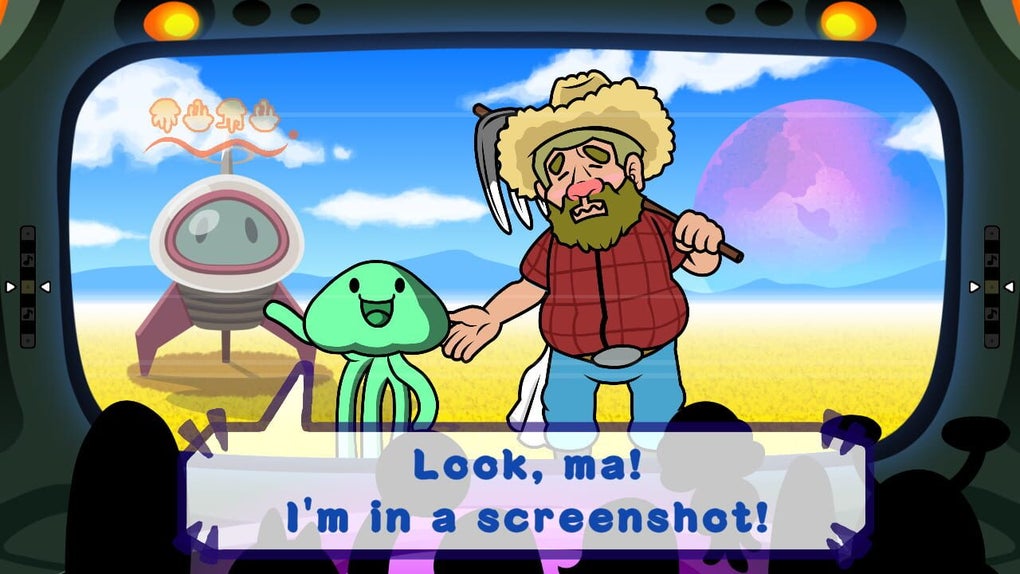
The Essence of Rhythm Heaven Customization
The allure of Heaven Studio lay fundamentally in its promise of customization, an offering that resonated deeply with the Rhythm Heaven fanbase. These games are not merely about pressing buttons; they are about internalizing rhythm, anticipating cues, and reacting with precise timing to a symphony of sounds and visuals. To be able to deconstruct this experience and rebuild it according to one’s own vision was a revolutionary concept for many. Heaven Studio provided the essential tools to do just that, transforming players into true artisans of rhythm.
Unlocking Creative Potential
Heaven Studio’s design philosophy was clearly centered on liberating the creative potential of its users. For years, fans of Rhythm Heaven might have imagined new minigames, dreamt of different musical arrangements for existing levels, or conceived of visual aesthetics that would complement the game’s unique style. Before tools like Heaven Studio, these ideas often remained confined to the realm of thought or rough conceptualizations. Heaven Studio provided the concrete means to translate these abstract visions into playable realities.
The application allowed users to dive into various facets of game creation, offering controls over elements that are usually locked away in proprietary game engines. This wasn’t just about superficial changes; it was about altering the very DNA of a Rhythm Heaven experience. Users could experiment with new music tracks, not just as background audio, but as the fundamental beat and structure upon which new gameplay mechanics would be built. This meant that a budding musician could compose an original piece and then directly integrate it into a Rhythm Heaven minigame, dictating the timing of player inputs, the appearance of visual cues, and the overall flow of the rhythmic challenge. The synergy between musical composition and game design became seamless, offering a potent platform for multidisciplinary creativity.
Furthermore, the creative freedom extended to the visual presentation. While Rhythm Heaven games boast a distinct art style, Heaven Studio users could potentially import custom graphics, animations, and background elements, allowing for themes and aesthetics that diverged significantly from the official releases. This capability enabled the creation of truly unique experiences that, while mechanically rooted in Rhythm Heaven, could feel entirely fresh and personal to the creator. The result was a proliferation of fan-made content that showcased a diverse array of artistic and musical talents, enriching the broader Rhythm Heaven community with an ever-expanding library of inventive challenges.
A User-Friendly Gateway to Game Design
Perhaps one of Heaven Studio’s most critical contributions was its commitment to user-friendliness. Game development, even for relatively simple experiences, can be a daunting prospect, often requiring specialized knowledge in programming, art, and sound design. Heaven Studio aimed to abstract much of this complexity, presenting an interface that was intuitive enough for individuals with little to no prior game development experience.
This accessibility was crucial for fostering a vibrant modding scene. Instead of requiring users to delve into complex scripting languages or intricate coding environments, Heaven Studio likely offered a more visual and direct approach. Imagine a timeline-based editor, similar to video editing software, where users could drag-and-drop elements, visually align audio tracks with gameplay events, and easily adjust parameters through sliders and dropdown menus. Such an interface would immediately make the creative process less intimidating and more approachable.
For instance, creating a new level might involve importing a music file, then using a graphical interface to mark out rhythmic cues, defining when a character jumps, claps, or performs any other Rhythm Heaven-esque action. The software would ideally handle the underlying synchronization, ensuring that visual prompts and audio cues are perfectly aligned with the beat. This “what you see is what you get” approach significantly reduced the learning curve, allowing creators to focus more on the artistic and design aspects rather than wrestling with technical minutiae.
Moreover, a truly user-friendly tool often comes with robust documentation, tutorials, and community support channels. While the source content doesn’t detail these, it’s reasonable to infer that for a tool designed for widespread use, there would have been resources to guide new users through their first steps in creating a custom rhythm game. This combination of an intuitive interface and supportive learning materials likely turned many Rhythm Heaven enthusiasts into aspiring game designers, proving that powerful creative tools don’t always need to be overwhelmingly complex.
Dive Deep into Heaven Studio’s Feature Set
The power of Heaven Studio lay in its meticulously crafted feature set, which provided an unparalleled degree of control over the game creation process. Beyond the basic ability to incorporate custom music, the software offered intricate tools that allowed users to truly dissect, modify, and reassemble the core components of a Rhythm Heaven experience.
Crafting Unique Gameplay Mechanics
One of the most exciting aspects of Heaven Studio was its capacity to allow users to modify fundamental gameplay mechanics. In Rhythm Heaven, each minigame has a distinct set of rules, input timings, and success conditions. Heaven Studio granted creators the ability to tweak these parameters, opening up a world of possibilities for novel challenges.
This could involve adjusting the “hit windows” – the precise moments when a player’s input is registered as correct. A creator could make a game significantly harder by shrinking these windows, demanding near-perfect timing, or conversely, make it more forgiving for casual play. Beyond simple timing, users could potentially alter the very nature of the minigames themselves. Imagine taking elements from “Karate Man” (hitting objects) and “Munchy Monk” (eating food) and combining them into a new hybrid game. Heaven Studio, through its comprehensive set of tools, would have provided the means to define new object behaviors, custom input sequences, and unique scoring systems that went beyond mere cosmetic changes.
For example, a user might decide to create a “remix” of a well-known minigame but introduce unexpected variations. Instead of a consistent beat, they could introduce tempo changes, irregular rhythms, or even dynamic visual cues that change based on player performance. This level of control allowed for experimental design, where creators could push the boundaries of what a Rhythm Heaven game could be, offering experiences that felt fresh even to veterans of the series. The ability to define custom triggers and responses meant that the game could react in personalized ways to player inputs, making each creation feel distinct and thoughtfully designed.
Mastering Sound and Visual Elements
In a rhythm game, sound is paramount, and visuals often serve as critical cues. Heaven Studio’s extensive options for adjusting sound and designing unique levels were therefore indispensable. Users could import their own audio files, not just for background music but also for individual sound effects, character voices, and rhythmic prompts. This allowed for complete sonic overhauls, transforming the auditory landscape of a minigame. The ability to precisely sync these custom sound elements with specific gameplay events was vital, ensuring that the created experience felt as polished and cohesive as an official Rhythm Heaven title.
Beyond audio, the visual customization capabilities were equally powerful. Users could design new backgrounds, create custom sprite sheets for characters and objects, and even implement unique visual effects that reacted to the rhythm or player actions. Imagine a minigame where the background pulses with the beat, or characters change expressions based on the accuracy of the player’s timing. Heaven Studio would have provided the tools to manage these visual layers, allowing for intricate choreography between sight and sound. This meant that creators weren’t just making a game; they were crafting a multisensory experience, where every visual flicker and auditory beat served a purpose in guiding the player through the rhythmic challenge. The combination of audio and visual customization allowed for truly immersive creations that could evoke entirely new moods and atmospheres, from whimsical and lighthearted to intense and challenging.
Designing Immersive Levels and Challenges
The term “unique levels” in the context of Heaven Studio implies far more than simply arranging existing assets. It speaks to the comprehensive control users had over the entire structure and flow of a rhythmic challenge. This involved not just placing objects but defining complex sequences, scripting unique events, and meticulously planning the pacing of a level.
Heaven Studio likely offered an intuitive level editor that allowed users to build their rhythmic narratives block by block. This could include tools for:
- Segmenting Levels: Breaking down a song into distinct phases, each with its own set of rules or rhythmic patterns.
- Event Scripting: Defining when specific visual cues appear, when character animations trigger, or when environmental changes occur, all synchronized to the underlying music.
- Difficulty Scaling: Implementing progressive challenges within a single level, starting easy and gradually increasing in complexity.
- Interactive Elements: Creating dynamic elements that respond to player inputs, leading to branching paths or different outcomes based on performance.
The ability to test these creations within the software itself was also crucial. An integrated play-testing mode would allow creators to immediately experience their designs, identify any synchronization issues, and refine the timing and placement of elements until they achieved rhythmic perfection. This iterative process of design, testing, and refinement is fundamental to game development, and Heaven Studio seemingly facilitated it in a manner accessible to a broad audience. By offering these detailed level design tools, Heaven Studio transformed the simple act of remixing into a sophisticated act of game authorship, fostering a deeper understanding of the meticulous craftsmanship behind the Rhythm Heaven series.
The Community and Legacy of Heaven Studio
While Heaven Studio’s download status might be “no longer available,” its impact on the Rhythm Heaven community and its broader legacy in the realm of fan-made content are undeniable. Tools like Heaven Studio don’t just facilitate creation; they cultivate communities and inspire future generations of game developers and artists.
Fostering a Vibrant Modding Scene
Heaven Studio was a catalyst for a vibrant modding scene around Rhythm Heaven. When players are given the tools to create, they naturally seek platforms to share their creations. This often leads to the formation of online communities, forums, and dedicated websites where users can upload their custom levels, receive feedback, and discover new content made by others.
Such a scene thrives on collaboration and friendly competition. Users might share tips and tricks for using Heaven Studio, help troubleshoot issues, or even collaborate on larger projects, combining their musical, artistic, and design talents. The ability to play custom-made levels by fellow fans creates an endless stream of new content, significantly extending the lifespan and relevance of the Rhythm Heaven games. It turns a beloved but static game into a dynamic, evolving platform, constantly refreshed by the collective imagination of its players. This collective creative output strengthens the emotional connection players have with the franchise, moving it beyond a mere product to a shared cultural phenomenon. The existence of Heaven Studio meant that the conversation around Rhythm Heaven wasn’t just about what Nintendo had released, but also about what the community was building.
Bridging Gaps for Budding Developers
Beyond entertainment, Heaven Studio served as an invaluable educational tool, particularly for budding game developers and musicians. It provided a practical, hands-on introduction to fundamental principles of game design without the steep learning curve often associated with professional development environments.
Users learned about:
- Pacing and Flow: How to introduce new mechanics gradually, build anticipation, and create a satisfying difficulty curve.
- Feedback Mechanisms: The importance of clear visual and auditory cues to inform the player of their performance.
- Synchronization: The critical relationship between music, visuals, and player input in rhythm games.
- Iterative Design: The process of creating, testing, and refining a game element until it’s perfect.
For aspiring musicians, it offered a unique context to apply their compositions, understanding how musical structure can dictate gameplay and vice-versa. For artists, it provided a canvas to see their visual designs come to life in an interactive environment. By offering a simplified yet powerful framework, Heaven Studio could have easily served as a stepping stone, inspiring individuals to delve deeper into programming, advanced game engines, or professional music production, armed with practical experience gained from a passion project. The approachable nature of the tool made it a perfect laboratory for experimentation, allowing creative individuals to gain tangible experience in various facets of multimedia development.
The Broader Landscape of Rhythm Game Creation
Heaven Studio, while specifically tailored for Rhythm Heaven, exists within a larger ecosystem of game modding and fan creation tools. Its significance can be fully appreciated by contextualizing it within this broader landscape, considering both its historical place and its implications for the future of user-generated content in gaming.
Heaven Studio’s Place in Modding History
Throughout gaming history, fan-made modifications (mods) have played a crucial role in extending the life of games, fostering creativity, and even influencing official game development. From the early days of custom Doom WADs to extensive total conversion mods for games like Half-Life and Skyrim, modding communities have consistently demonstrated the power of collective creativity. Heaven Studio fits squarely into this tradition, but with a specific focus on the unique demands of rhythm games.
Rhythm game modding presents distinct challenges compared to, say, a first-person shooter or a role-playing game. The precision required for audio-visual synchronization, the intricate timing of input cues, and the direct relationship between music and gameplay make rhythm game creation a specialized niche. Tools like Heaven Studio, by abstracting these complexities, allowed a wider audience to engage with this niche. It wasn’t just about swapping textures or adding new weapons; it was about fundamentally restructuring the interactive musical experience. In this sense, Heaven Studio represented a refined approach to modding, demonstrating how sophisticated editing tools could be made accessible for a genre known for its technical precision. It highlighted the power of dedicated community tools in maintaining the relevance and extending the artistic boundaries of a specific game franchise.
The Future of Fan-Made Content
The existence and eventual unavailability of tools like Heaven Studio raise important questions about the future of fan-made content. On one hand, game developers and publishers are increasingly recognizing the value of modding, sometimes even releasing official SDKs (Software Development Kits) to support community creations. This approach allows for greater control over intellectual property while still harnessing fan enthusiasm.
On the other hand, many powerful modding tools, especially those that delve deep into proprietary game files, are developed independently by passionate fans, often existing in a legal grey area. When such tools become unavailable, whether due to developer disinterest, legal pressures, or compatibility issues with newer operating systems, it leaves a void in the community. The Rhythm Heaven community, having lost Heaven Studio, must now either adapt existing tools, hope for a spiritual successor, or revert to more labor-intensive manual modding techniques.
The legacy of Heaven Studio underscores the immense potential of user-generated content to enrich gaming experiences. It serves as a reminder that a game’s longevity is often not solely dependent on its initial release but also on the creative contributions of its player base. Moving forward, the industry faces the challenge of striking a balance between protecting intellectual property and empowering the very communities that give games their enduring cultural significance.
Understanding the Program’s Status and Alternatives
The notice that “This download is no longer available. This could be due to the program being discontinued, having a security issue or for some other reason” is a common occurrence in the world of independent software development and fan-made tools. While the exact reason for Heaven Studio’s discontinuation isn’t specified, several factors typically contribute to such outcomes.
Potential Reasons for Discontinuation:
- Developer Support: Independent projects often rely on the passion and free time of their creators. If the original developers move on to other projects, lose interest, or face personal constraints, maintenance and availability can cease.
- Security Concerns: Software, especially that which interacts with system files or requires elevated permissions, can develop security vulnerabilities over time. If unaddressed, discontinuing the download might be a responsible measure.
- Compatibility Issues: As operating systems like Windows evolve (e.g., from Windows 10 to Windows 11), older software might become incompatible, leading to crashes or instability. Maintaining compatibility requires ongoing development, which might not always be feasible for hobbyist projects.
- Legal or Licensing Issues: Tools that modify commercial games often operate in a legal grey area. While many publishers tolerate fan-made content, explicit modification tools can sometimes run afoul of intellectual property rights, leading to takedown requests.
- Technical Obsolescence: The underlying technologies or game file formats Heaven Studio relied upon might have changed, rendering the tool ineffective or outdated.
The provided alternative, “Sidify All-In-One,” while listed as a “Streamlined Music and Podcast Downloader” with a respectable 4.4 rating, serves a fundamentally different purpose. It is a utility for acquiring audio content, not for creating or modifying game experiences. This highlights the unique gap that Heaven Studio once filled for the Rhythm Heaven community—a creative tool dedicated to game customization rather than mere media consumption. The absence of a direct, comparable alternative underscores Heaven Studio’s distinct value and the challenge faced by fans looking to continue creating custom Rhythm Heaven content.
In conclusion, Heaven Studio represented more than just a software application; it was a cultural artifact within the Rhythm Heaven fandom. It empowered a passionate community, fostered creative expression, and served as an informal academy for aspiring game designers and musicians. Its discontinuation is a loss, but its legacy endures in the custom content it inspired and the creative spirit it ignited, reminding us of the profound impact that accessible tools can have on extending the life and imagination surrounding our favorite games. The discussions and creations Heaven Studio enabled will forever be a part of the Rhythm Heaven story, a testament to what dedicated fans can achieve when given the right instruments for their artistic endeavors. For more insights into software alternatives or related downloads, users can often find extensive resources on platforms like PhanMemFree, which offers a wide array of applications across various categories, from gaming utilities to productivity tools, though a direct replacement for Heaven Studio’s specific functionality remains elusive. The ongoing need for such creation tools continues to drive innovation within fan communities, pushing the boundaries of what is possible through collective effort and shared passion.
File Information
- License: “Full”
- Latest update: “March 14, 2025”
- Platform: “Windows”
- OS: “Windows 11”
- Downloads: “4”


