
In the vast and ever-expanding universe of visual novels, some stories manage to carve out a unique niche, captivating players with their originality and emotional depth. “Her Tears Were My Light,” a fantasy visual novel crafted by NomnomNami for NaNoRenO 2016, stands as a shimmering example of such a title. Available for free download on platforms like PhanMemFree, this game transcends conventional storytelling by weaving a romantic adventure between two cosmic entities: Time and Space. It’s a tale that challenges perceptions of love, fate, and the very fabric of existence, inviting players to embark on a journey through causality itself in a desperate bid to reunite separated lovers.
At its core, “Her Tears Were My Light” is a poignant exploration of connection and longing, set against a backdrop of infinite void and nascent stars. Players assume the role of Time, an entity bestowed with the extraordinary ability to navigate the currents of temporal flow, moving effortlessly backward and forward through moments. Time’s world, once solitary, gains profound meaning upon befriending Space, a being of ethereal beauty whose tears possess the miraculous power to manifest new stars, illuminating the vast emptiness with celestial brilliance. Their bond, a cosmic ballet of intertwining destinies, forms the heart of the narrative. However, this nascent harmony is shattered by the enigmatic arrival of Nil, a third entity who tragically separates Space from Time. This act of cosmic severance propels Time into an urgent quest, leveraging their unique abilities to traverse disparate points in history, all in a relentless effort to reclaim their beloved Space.
What makes “Her Tears Were My Light” particularly compelling is its deft handling of a fantastical premise, grounded by relatable emotional stakes. The game manages to feel both epic in scope and intimate in its portrayal of affection and sorrow. It’s a testament to the power of narrative to transform abstract concepts like “Time” and “Space” into characters that players can deeply empathize with. The free nature of the game, alongside its engaging storyline, makes it an accessible entry point for newcomers to visual novels, while its unique mechanics and thematic depth offer a rewarding experience for seasoned fans. PhanMemFree.org proudly presents this gem, recognizing its contribution to the indie game landscape and its ability to deliver a memorable, thought-provoking adventure that resonates long after the credits roll.
The Cosmic Dance of Time and Space: A Unique Premise
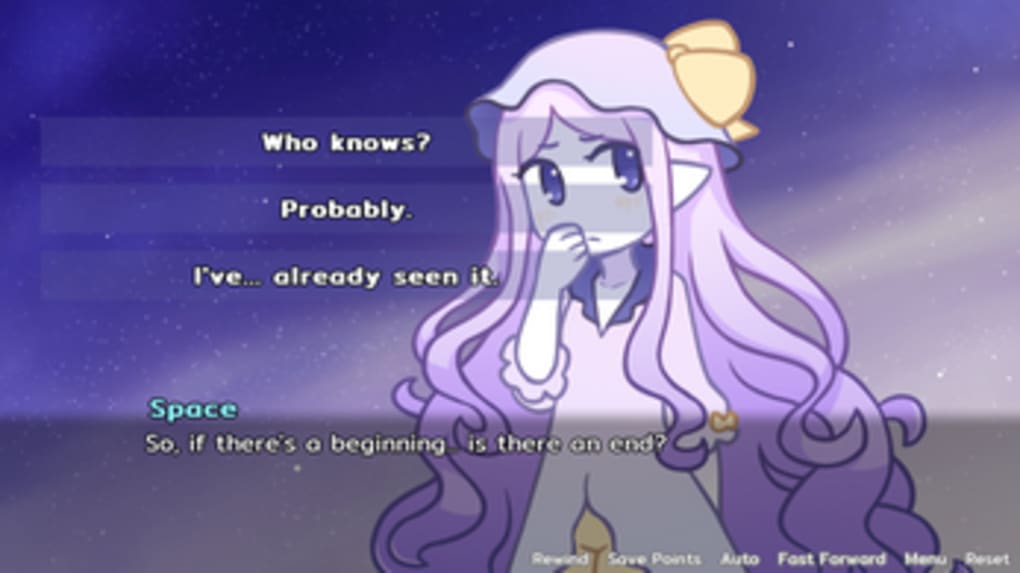
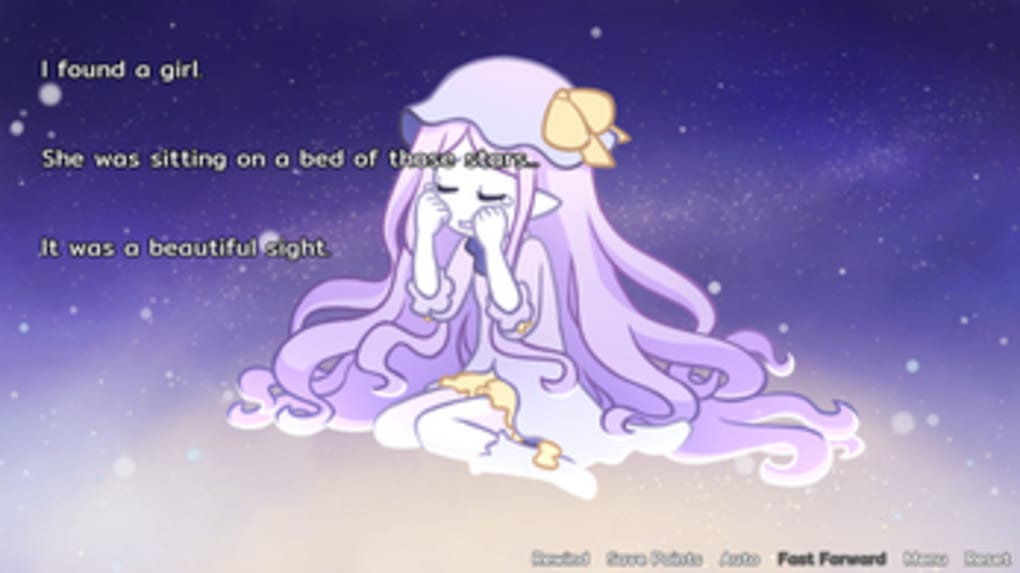
“Her Tears Were My Light” immediately distinguishes itself with a premise that is as poetic as it is profound. The central characters, Time and Space, are not merely personifications but living, feeling entities whose very existence embodies their namesakes. Time, the protagonist, possesses the extraordinary power to manipulate their own timeline, capable of moving through moments as if turning the pages of a cosmic book. This ability is not just a narrative device; it is the core mechanic through which the player attempts to influence outcomes and steer the story towards a favorable resolution. Space, on the other hand, is the genesis of all cosmic beauty. Her tears, born of emotion, condense into luminous stars, painting the void with light and life. This beautiful, almost mythological, portrayal of Space provides the literal “light” that Time desperately seeks, making the title “Her Tears Were My Light” resonate with deep thematic significance. It implies that Space’s essence, her very being and emotional output, serves as a guiding beacon for Time.
The relationship between Time and Space begins as one of friendship, blossoming into a deeper romantic bond as they explore the vast, empty canvas of existence together. Their initial journey to discover other life forms in the void sets the stage for both wonder and conflict. This early phase of their relationship, while brief, establishes a profound connection that makes their eventual separation all the more agonizing for the player. The narrative elegantly posits that these two entities are intrinsically linked, their destinies intertwined, their very beings complementary. Time gives form to events, while Space provides the arena in which they unfold; together, they constitute the universe as we know it.
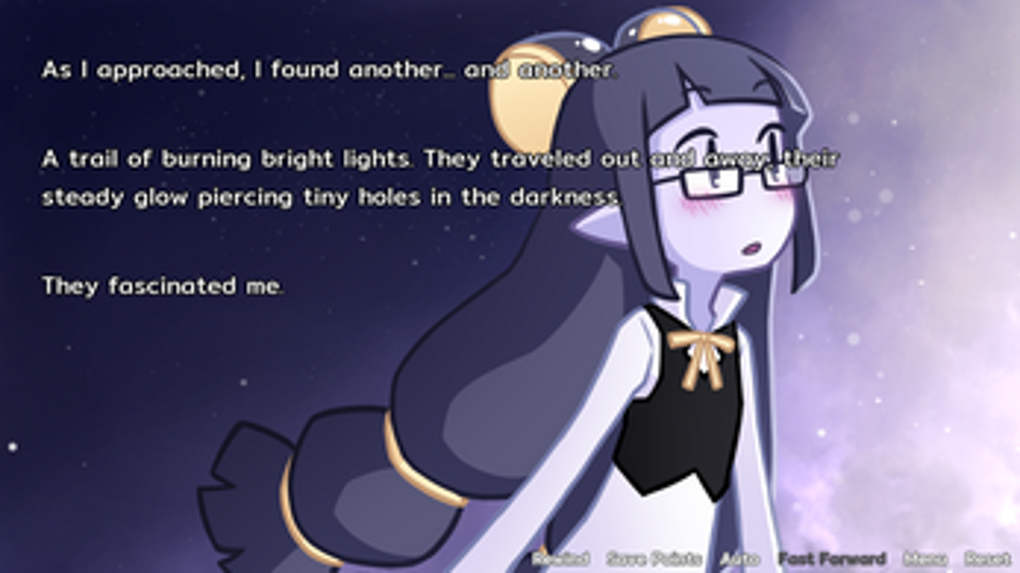
The arrival of Nil, the catalyst for their separation, introduces a pivotal antagonist (or perhaps, a misunderstood third party) into this cosmic equilibrium. Nil’s exact motivations remain veiled at the outset, but her actions immediately create a sense of urgency and despair for Time. The brilliance of the game’s premise lies in how it frames this conflict: not as a grand battle with physical weapons, but as a deeply personal struggle against separation and a quest to mend the fabric of reality. Time’s power, which might seem omnipotent, is tested by the emotional weight of loss and the intricate dance of causality. The game challenges players to think about fate, free will, and the consequences of altering established timelines, all while navigating a deeply emotional love story. This unique blend of cosmic fantasy and intimate romance is a hallmark of NomnomNami’s creative vision, setting “Her Tears Were My Light” apart as more than just a simple visual novel, but a narrative experiment in the very nature of being.
An Unconventional Love Triangle: Relationships and Genre
The love story at the heart of “Her Tears Were My Light” is anything but conventional, and this distinctiveness is one of its greatest strengths. The game embraces the Yuri genre, a style of fiction that focuses on romantic love between two females. In this narrative, all three central figures—Time, Space, and Nil—are depicted as girls, and their interactions are imbued with genuine romantic affection. This choice of genre is not merely a stylistic one; it adds a layer of depth and inclusivity to the storytelling, appealing to a broader audience while celebrating diverse forms of love. The relationships are portrayed with sensitivity and warmth, making the emotional stakes incredibly real for players.
The “unconventional” aspect extends beyond the gender of the characters. The very nature of their beings—cosmic entities personifying fundamental aspects of reality—lends a unique philosophical dimension to their romance. Time and Space’s initial bond is portrayed as a pure, almost primordial connection, born out of shared solitude and mutual discovery. When Nil enters their existence and causes their separation, it’s not just a personal heartbreak but a cosmic disruption. The love triangle element is subtle yet powerful, as Nil’s intervention suggests a complex web of desires and relationships that the player, as Time, must unravel. Is Nil an aggressor, a rival, or perhaps another lonely entity seeking connection in a vast universe? The narrative encourages players to explore these ambiguities, leading to different interpretations and outcomes.
The iterative gameplay, where Time revisits past conversations armed with new knowledge, allows for a deep dive into the nuances of these relationships. Players are not just passive observers but active participants in shaping the emotional landscape. Each replay offers an opportunity to understand the characters’ motivations more fully, to empathize with their struggles, and to attempt to forge a different path. This mechanic subtly highlights the fragility of connections and the profound impact of even minor choices. The game uses this structure to delve into themes of jealousy, longing, sacrifice, and ultimately, the enduring power of love in the face of insurmountable odds.
By portraying a Yuri love story between such iconic, abstract entities, “Her Tears Were My Light” challenges preconceived notions of romance and expands the boundaries of visual novel storytelling. It speaks to the universal desire for companionship and understanding, regardless of form or origin. The emotional resonance of Time’s quest to save Space, coupled with the intriguing presence of Nil, makes for a compelling and emotionally rich narrative that resonates deeply with players who appreciate stories that dare to be different. It’s a beautifully crafted example of how a unique genre approach can elevate a fantasy premise into a truly unforgettable experience, celebrating love in its most expansive and inclusive forms.
Mastering the Flow of Time: Gameplay Mechanics and Narrative Structure
“Her Tears Were My Light” masterfully integrates its unique premise of time manipulation directly into its gameplay mechanics, offering players an engaging and innovative interactive experience. As a visual novel, the primary mode of interaction is point-and-click, making it highly accessible to a broad audience. Players primarily use their mouse to navigate dialogue choices and advance the story, but it’s the underlying engine and narrative structure that truly set this game apart. Built on the Ren’Py game engine, it ingeniously exploits the engine’s rollback and persistent data mechanics to create a recursive narrative loop that perfectly mirrors Time’s abilities.
The core gameplay loop involves Time replaying the same pivotal conversation or sequence of events multiple times. However, each “replay” is not simply a do-over; it’s an opportunity for Time (and thus, the player) to leverage previously gathered information to alter the outcome. When Time experiences a “non-standard game over” – essentially, an undesirable ending or a failure to progress – this isn’t a punitive setback. Instead, it’s an informational checkpoint. The knowledge gained from that particular path, no matter how brief or seemingly fruitless, becomes persistent data that Time carries into the next iteration of the conversation. This means that previous choices, even those that led to a dead end, contribute to a deeper understanding of the situation, allowing Time to make more informed decisions in subsequent attempts.
This iterative process beautifully simulates Time’s unique power: the ability to move forward and back, learning from past events to influence future ones. Players are encouraged to experiment with different dialogue options, observe the immediate consequences, and then, with a literal or metaphorical “rollback,” return to an earlier point equipped with new insights. This creates a sense of continuous progression, even when experiencing what might traditionally be considered a “failure.” Each playthrough, regardless of outcome, contributes to the player’s cumulative understanding of the characters, their motivations, and the complex dynamics of the love triangle.
The game is structured around reaching specific endings: two normal endings and a singular “true ending.” The journey to these resolutions is not linear but a spiral, with each loop providing more context and guiding Time closer to the definitive conclusion. This design choice elevates the game beyond a simple choose-your-own-adventure story. It transforms the act of playing into an act of discovery, mirroring Time’s own struggle to piece together fragmented realities and navigate a labyrinth of choices. The simplicity of the point-and-click interface belies the depth of the narrative and mechanical complexity, allowing players to focus on the story’s emotional core while actively participating in its unfolding. By cleverly leveraging the capabilities of the Ren’Py engine, “Her Tears Were My Light” offers a uniquely immersive and thought-provoking gameplay experience that is inextricably linked to its central theme of time manipulation and the pursuit of a destined connection.
Aesthetic Charm and Emotional Depth: Design and Story Impact
Beyond its inventive mechanics and compelling premise, “Her Tears Were My Light” captivates players through its delightful aesthetic and surprisingly profound emotional depth. The game features “moe-like” character designs, depicting Time, Space, and Nil as undeniably cute girls. This art style, characterized by large eyes, soft features, and an overall endearing appearance, contributes significantly to the game’s charm and accessibility. Far from being a superficial choice, the moe aesthetic serves to humanize these cosmic entities, making them relatable and their emotional struggles more poignant. When characters like Time and Space, who represent such grand, abstract concepts, are rendered with such sweet, expressive designs, their longing and heartache become all the more impactful. The “cute girls doing cute things” trope is often associated with lightheartedness, but here, it’s skillfully subverted to amplify the weight of their cosmic separation.
Despite its “short runtime” – listed as a con by some reviewers on PhanMemFree – the game manages to deliver an “amazing storyline.” This speaks volumes about the efficiency and emotional punch of its narrative. The brevity doesn’t detract from its impact; instead, it refines the experience, ensuring every line of dialogue and every choice carries significant weight. The story’s power lies in its ability to quickly establish a deep emotional connection between Time and Space, making their separation truly feel like a rupture in the fabric of existence. The player, embodying Time, experiences this loss firsthand, fueling the desperate, iterative quest to reunite with Space. The journey is one of perseverance, hope, and an unwavering belief in the strength of their bond.
The emotional depth is further amplified by Space’s unique ability to create stars from her tears. This beautiful, melancholic imagery is central to the game’s theme and title. It suggests that her sadness, her very vulnerability, is the source of cosmic beauty and light. For Time, her tears are not just a symbol of sorrow, but a beacon, a guiding force in the vast, dark void. This metaphor provides a profound emotional anchor for the player’s quest. It transforms the act of saving Space into an act of preserving light, beauty, and hope in the universe. The storyline, though concise, explores themes of loneliness, connection, loss, and the lengths one would go to for love. The impact of these themes is heightened by the visual narrative, where the expressions and subtle movements of the moe-designed characters convey a rich tapestry of feelings.
The strength of “Her Tears Were My Light” lies in its ability to merge an appealing visual style with a deeply resonant narrative. The cute aesthetics draw players in, but it’s the surprisingly rich emotional journey and the profound exploration of love and existence that leave a lasting impression. It’s a testament to indie game development that such a short, free title can evoke such strong feelings and provide such a memorable storytelling experience, proving that impactful narratives don’t always require expansive runtimes or complex graphics. This game’s fusion of design and story creates a harmonious whole that is both charming and emotionally captivating.
PhanMemFree’s Verdict: Pros, Cons, and Lasting Impressions
“Her Tears Were My Light” stands as a testament to the creative potential of indie game development, offering a refreshingly unique experience within the visual novel genre. From PhanMemFree’s perspective, this title delivers a compelling package of innovation, charm, and emotional resonance, making it a highly recommendable free-to-play option for those seeking a story-driven adventure.
Pros:
- Unique Game Concept: The most striking advantage is its incredibly original premise. Casting Time and Space as characters in a romantic tragedy, and empowering the protagonist with actual time-traveling abilities directly tied to gameplay, creates an innovative narrative framework that sets it apart from typical visual novels. This fresh approach makes the story inherently intriguing and thought-provoking.
- Cute Moe-like Character Design: The endearing “moe-like” art style is a significant draw. It makes the cosmic entities relatable and approachable, adding a layer of warmth and charm to what could otherwise be a very abstract narrative. The expressive character designs effectively convey a wide range of emotions, enhancing the player’s connection to Time, Space, and Nil.
- Simple Game Mechanics: The point-and-click interface ensures that the game is easy to pick up and play, even for those new to visual novels. This simplicity allows players to focus entirely on the unfolding narrative and the emotional weight of the choices, rather than grappling with complex controls.
- Amazing Storyline: Despite its concise nature, the storyline is universally praised for its depth and emotional impact. It skillfully explores themes of love, separation, fate, and perseverance, creating a powerful and memorable journey that resonates deeply. The innovative use of the Ren’Py engine’s rollback feature further enriches this storyline by making every failed attempt a step towards understanding.
Cons:
- Short Runtime: One of the primary criticisms is its relatively short length. While the story is impactful and well-paced, some players might wish for a more extended narrative to delve further into the rich universe NomnomNami created. However, this brevity also ensures that the story remains tight and impactful, avoiding unnecessary filler.
- The Beginning of the Story Can Be Confusing: Initial playthroughs, especially before understanding the unique rollback mechanic, might feel disorienting. The iterative nature of revisiting the same conversation can be perplexing until players grasp that each attempt provides new information, not just a chance to “get it right.” This initial confusion, however, often gives way to appreciation once the design philosophy is understood.
“Her Tears Were My Light” is more than just a free visual novel; it’s an elegantly crafted narrative experiment that explores profound themes with grace and charm. It succeeds in transforming abstract concepts into deeply personal struggles, inviting players to ponder the very essence of existence and connection. The game’s innovative use of time-travel mechanics, combined with its endearing aesthetics and heartfelt story, creates an experience that lingers long after the credits roll. It serves as an excellent example of how indie developers can push the boundaries of storytelling, proving that emotional depth and originality can triumph over grand budgets and extensive playtimes. For anyone looking for a unique, emotionally resonant, and utterly captivating journey, PhanMemFree wholeheartedly recommends diving into the cosmic embrace of “Her Tears Were My Light.” It is a shining star in the constellation of free-to-play visual novels.
In conclusion, “Her Tears Were My Light” is a remarkable achievement for a free indie game. It provides a narrative that is both epic in its conceptual scope and intimate in its emotional delivery. By intertwining philosophical themes with a heartfelt Yuri romance and ingenious gameplay mechanics, NomnomNami has crafted a visual novel that truly stands out. It’s a journey not just through time and space, but through the enduring power of love to overcome separation and reshape destiny. As available on Phanmemfree.org, it invites players to explore a universe where every tear can ignite a star, and every moment holds the potential for reunion, making Time’s relentless pursuit of Space a poignant and unforgettable odyssey.
File Information
- License: “Free”
- Version: “1.4”
- Latest update: “February 4, 2020”
- Platform: “Windows”
- OS: “Windows 10”
- Language: “English”
- Downloads: “729”
- Size: “69.06 MB”


