
Hill Climb Racing, developed by Fingersoft, is a captivating physics-based arcade racing game that blends elements of distance challenges, puzzle-solving, and addictive gameplay. Its simple yet engaging mechanics have earned it a considerable following, appealing to players seeking a quick, fun experience without the complexities of deeply immersive racing simulators. The core objective is deceptively simple: drive as far as possible without crashing your vehicle. However, the game’s physics engine and varied terrains introduce significant challenges, making each playthrough a unique test of skill and strategy.
Gameplay Mechanics: Mastering the Hills and Valleys
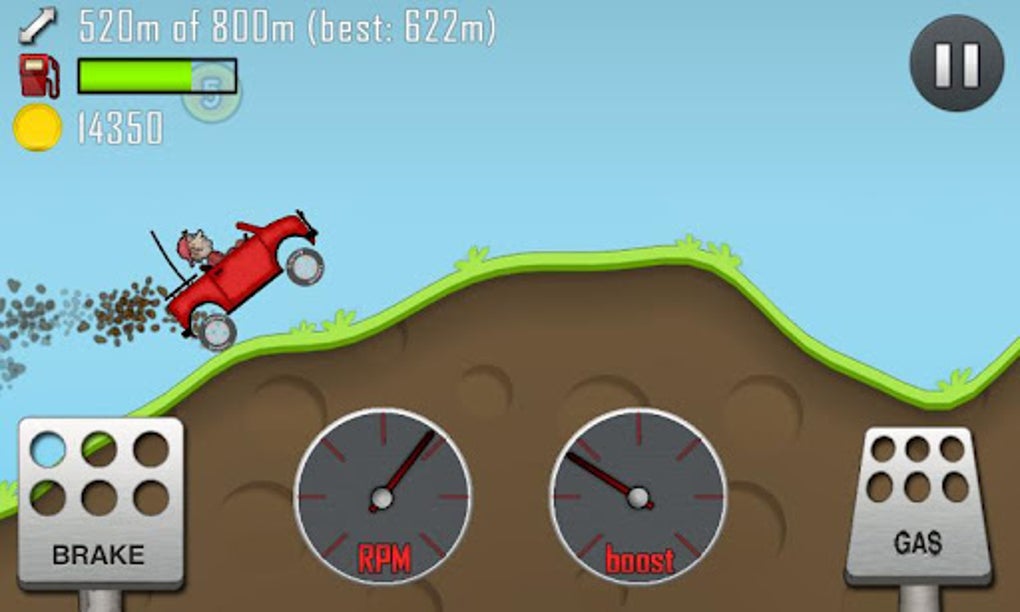
The gameplay revolves around controlling a vehicle, typically a car or other off-road vehicle, across a diverse range of environments. Players use simple controls to accelerate and brake, navigating hills, ramps, and varied landscapes. The physics engine is a key component of the game’s appeal. Vehicles react realistically to changes in terrain and speed, resulting in exciting moments of controlled movement and spectacular crashes. Mastering the delicate balance between acceleration and braking is essential to navigating challenging sections and maximizing distance traveled. A depleting fuel gauge adds another layer of strategic depth; efficient driving and timing are crucial to prevent running out of gas mid-race.
The game’s progression is driven by collecting in-game coins earned throughout each run. These coins can be used to upgrade various aspects of the player’s vehicle, improving performance, handling, and potentially extending the vehicle’s range. Upgrades significantly impact the player’s ability to conquer increasingly difficult terrains and achieve higher scores. The process of strategically upgrading vehicles adds a layer of long-term engagement and encourages repeated gameplay.
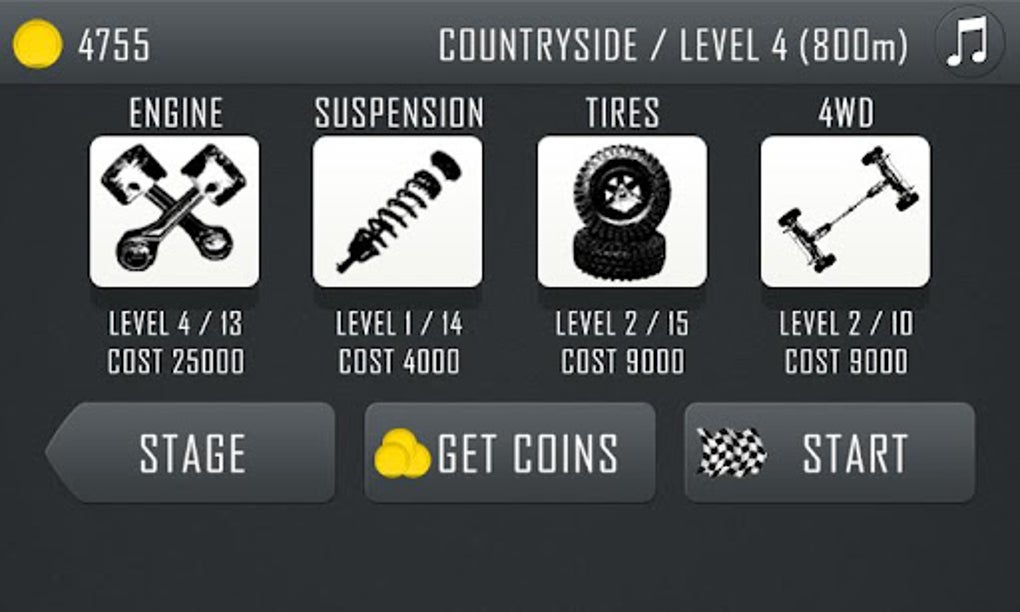
Beyond the standard car, Hill Climb Racing offers a variety of vehicles, each with distinct handling characteristics and performance attributes. This provides an extra layer of variety and allows players to experiment with different driving styles and approaches to achieve the best results. The diversity in vehicle options keeps the game fresh and engaging, preventing the experience from becoming monotonous.
Visuals and Sound Design: Simple Aesthetics, Effective Immersion
Hill Climb Racing’s graphics are intentionally simplistic. The game prioritizes clear, smooth animation over high-fidelity visuals. This design choice contributes to the game’s accessibility, ensuring a smooth and consistent performance across a wide range of devices, even older models. The absence of overly complex visuals prevents performance issues that might detract from gameplay, ensuring a consistently enjoyable experience. While not visually stunning, the animations are effectively designed to convey the vehicle’s movement and reactions to the terrain, providing a satisfying visual experience.
The sound design, although not a primary focus, complements the gameplay effectively. Sound effects provide appropriate feedback for actions, such as acceleration, braking, and collisions, enhancing the overall immersion. The audio cues reinforce the physics engine’s feedback, enhancing the player’s sense of control and the consequences of their driving decisions. The simplicity of the sound design aligns with the overall aesthetic of the game, contributing to a cohesive and undistracting experience.
Progression and Challenges: A Constantly Evolving Experience
Hill Climb Racing isn’t just about driving; it’s about overcoming challenges. The game’s progression system is designed to present players with gradually more difficult terrains and situations, encouraging them to adapt and improve their driving skills. The increasing difficulty acts as a natural progression curve, keeping the gameplay exciting and rewarding.
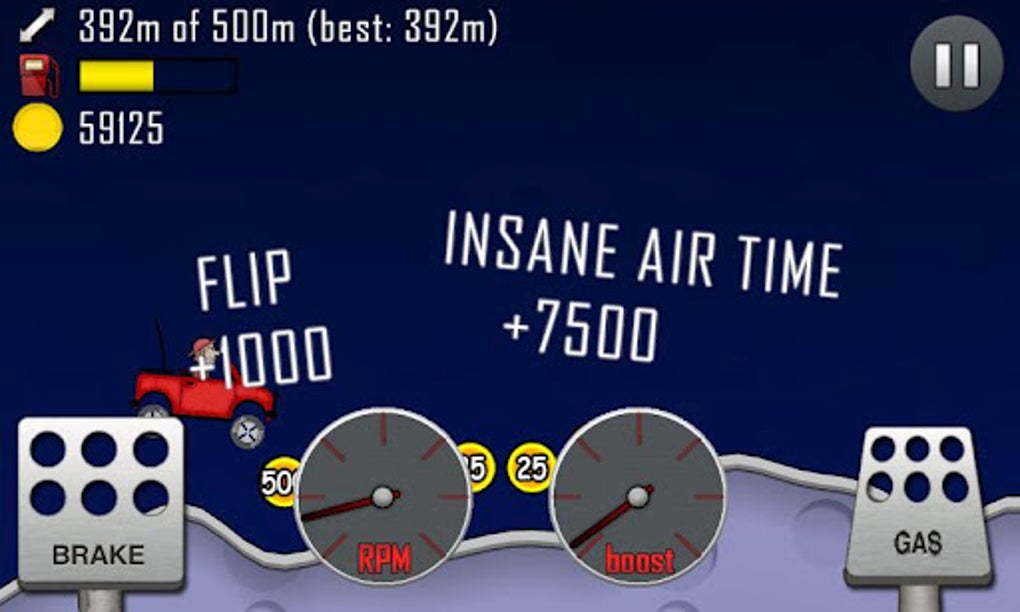
The different levels and environments present unique obstacles and challenges. Players will need to adjust their driving strategies to navigate steep inclines, treacherous descents, and unexpected jumps. The game’s physics engine ensures that each level provides a unique experience, requiring precise control and strategic decision-making.
Beyond individual levels, the game offers a range of unlockable vehicles and upgrades, providing long-term engagement and replayability. The acquisition of new vehicles and the incremental improvement of existing ones provides continuous motivation to revisit older levels and attempt to achieve even higher scores. The desire to master each level with different vehicles and upgraded configurations encourages a significant amount of replayability.
Monetization and In-App Purchases: A Balanced Approach
Hill Climb Racing’s monetization strategy is largely based on in-app purchases. Players can opt to purchase in-game currency, which can then be used to acquire upgrades and unlock vehicles more quickly. However, the game is designed so that these purchases are not essential to progress. The gameplay is fully enjoyable without ever having to spend any real money. This approach ensures the game remains accessible to everyone while offering players an optional path to accelerate their progress. The option to purchase upgrades doesn’t compromise the experience for players who choose not to spend any real money.
The balance between free and paid options prevents a pay-to-win scenario. While purchasing in-game currency can speed up progress, it doesn’t grant an unfair advantage over players who choose to earn upgrades through consistent gameplay. The overall fairness of the monetization strategy contributes to the game’s appeal and ensures a positive player experience for all users.
Hill Climb Racing 2 and Beyond: Evolution of a Classic
Fingersoft has released a sequel to the original Hill Climb Racing, titled Hill Climb Racing 2. This sequel builds upon the original game’s formula while introducing several enhancements, including improved graphics, more vehicles, and expanded online multiplayer capabilities. The sequel offers a more polished and comprehensive experience while retaining the core mechanics that made the original game so popular. The introduction of multiplayer modes allows players to compete against others, further enhancing the overall game’s replayability and competitive aspects.
The success of Hill Climb Racing and its sequel demonstrate the game’s enduring appeal. The simple yet engaging gameplay, combined with the satisfying physics engine and gradual progression system, has made it a popular choice across a broad demographic of players. The game’s continued relevance in a constantly evolving mobile gaming market showcases the effectiveness of its design and development principles.
Conclusion: A Timeless Arcade Experience
Hill Climb Racing is a testament to the enduring appeal of simple yet engaging gameplay. Its physics-based arcade formula, combined with strategic progression and a balanced monetization model, ensures hours of fun for players of all skill levels. While its graphics are simple, they serve the game’s purpose effectively, enhancing the overall experience without distracting from the core gameplay. Whether you’re a casual gamer looking for a quick and enjoyable distraction or a more dedicated player seeking a challenging and rewarding experience, Hill Climb Racing is worth exploring. Its success speaks to its ability to seamlessly blend ease of access with compelling, strategic gameplay. The continued success and evolution of the franchise demonstrates its enduring appeal and establishes it as a significant player in the mobile arcade racing genre. Its lasting popularity highlights a fundamental truth about gaming: simple, well-executed mechanics can create a truly compelling and enduring experience.
File Information
- License: “Free”
- Latest update: “June 19, 2025”
- Platform: “Android”
- OS: “Android 13.0”
- Downloads: “2.7M”
- Size: “115.53 MB”
- Download Options: “APK, Google Play”
- Filename: “com-fingersoft-hillclimb-738-70887422-102136e023344155b9cfb9ca429ddb37.apk”


