
Hitman: Codename 47, released in 2000, stands as a landmark title in the stealth-action genre. While the Hitman franchise has seen numerous iterations, Codename 47 holds a special place in the hearts of many gamers, particularly for its challenging gameplay and rewarding sense of accomplishment derived from successful, silent assassinations. Unlike later entries that sometimes prioritized spectacle over precision, Codename 47 focuses intently on the core tenets of stealth and methodical planning, making it a brutal yet satisfying experience for those willing to master its demanding mechanics. This review will delve into what makes Codename 47 a significant and enduring entry in the Hitman saga.
A Refined Approach to Assassination
Codename 47 significantly improves upon its predecessors in several key areas. Most notably, it introduces a far more sophisticated AI for the non-player characters (NPCs). Guards are more perceptive, patrolling their assigned areas with increased vigilance. They respond more realistically to unusual occurrences, making accidental discovery and subsequent escape much more difficult. This enhanced AI drastically alters the gameplay experience, shifting the focus from brute-force takedowns towards strategic planning and precise execution. The game rewards the player for mastering the art of stealth, offering more significant rewards for completing missions without alerting the guards.
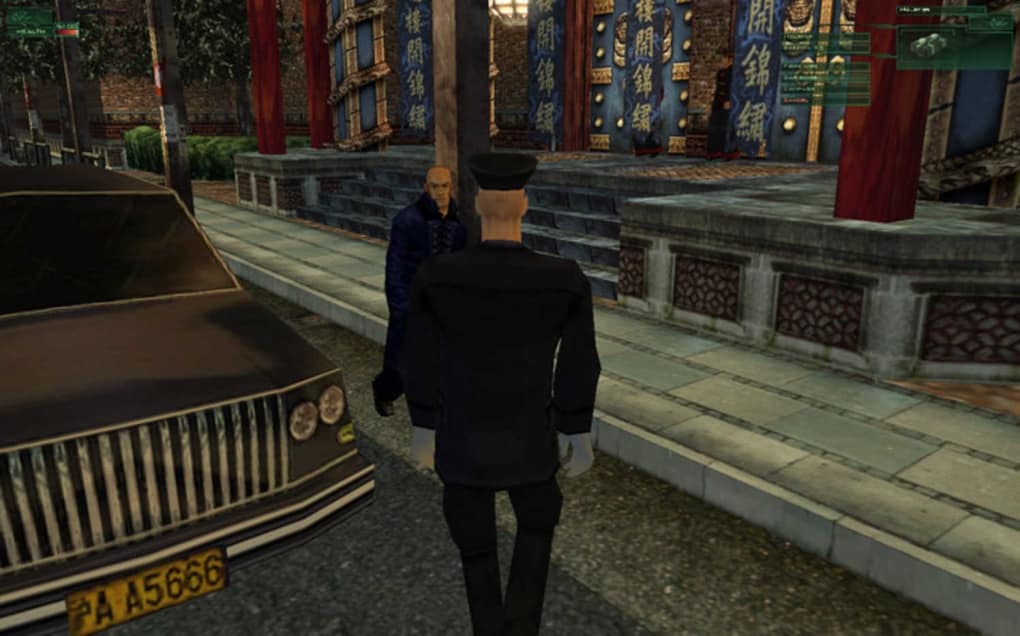
Furthermore, the game boasts a much wider array of methods for eliminating targets. While previous games offered limited approaches, Codename 47 introduces a myriad of creative ways to dispatch enemies, ranging from simple, discreet eliminations to elaborate, multi-step plans involving environmental hazards or misdirection. This expanded range of options encourages experimentation and player agency, allowing for replayability and a higher degree of customization in how one approaches each mission. The satisfaction of pulling off a flawlessly executed assassination, especially one involving unconventional methods, is a key element of the game’s appeal.
The Brutal Beauty of Difficulty
One of the most defining characteristics of Hitman: Codename 47 is its unforgiving difficulty. This isn’t a game that holds the player’s hand; it demands patience, precision, and a thorough understanding of the game’s mechanics. The challenge is not simply in the heightened awareness of the guards but also in the complexity of the level design. Levels are intricate and layered, containing multiple pathways, hiding spots, and opportunities for both stealth and subterfuge. This complex design necessitates careful observation and meticulous planning. It rewards players who take the time to scout the environment, identify weaknesses in security, and develop a comprehensive plan of attack.
The game’s difficulty is not simply arbitrary; it’s intricately woven into the game’s design. The increased challenge emphasizes the importance of observation and planning, compelling players to truly engage with the game’s mechanics and the environment. It fosters a sense of accomplishment upon successful completion, transforming the simple act of killing into a complex puzzle that requires patience, skill, and strategy. The difficulty is not simply about punishment; it’s about rewarding strategic thinking and skillful execution. Failing a mission is not a sign of weakness, but an invitation to learn from one’s mistakes and refine one’s approach. This learning curve, however challenging, is a core component of the game’s enduring appeal.
A Memorable, if Flawed, World

Hitman: Codename 47 features a diverse range of locations, each with its own unique atmosphere and challenges. From the bustling streets of a European city to the dense foliage of a jungle setting, the game’s environments are richly detailed and contribute significantly to the overall immersive experience. Each level is a sandbox for players to explore, offering numerous opportunities for creativity and experimentation. The variety of settings keeps the gameplay fresh and prevents monotony, ensuring that each mission feels unique and engaging.
However, the game is not without its flaws. The infamously difficult jungle level is frequently cited as a major hurdle for even experienced players. Its dense foliage, challenging terrain, and unpredictable encounters can feel frustratingly overwhelming. This level highlights a potential inconsistency in the game’s design, where the difficulty sometimes veers into unfair territory, particularly for players unfamiliar with the intricacies of the game’s mechanics. While the overall difficulty contributes significantly to the game’s appeal, this specific level exemplifies a situation where the challenge might overshadow the enjoyment for some players.
Legacy and Influence
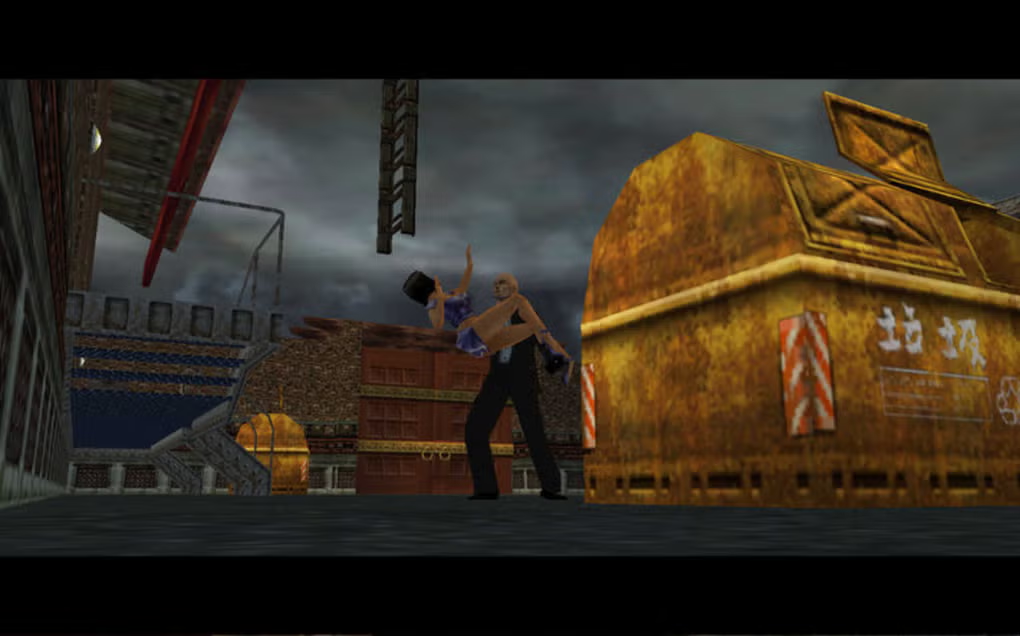
Despite its technical limitations by modern standards, Hitman: Codename 47’s impact on the stealth-action genre is undeniable. Its sophisticated AI, diverse assassination methods, and emphasis on strategic planning paved the way for countless successors. The game’s legacy can be seen in many modern stealth titles, which borrow heavily from its core gameplay loop of observation, planning, and precise execution. Codename 47’s focus on methodical gameplay and rewarding stealth over brute force established a template that continues to influence game design today.
The game’s enduring popularity is a testament to its innovative gameplay and satisfying sense of accomplishment. While the visuals may feel dated now, the core mechanics and gameplay loop remain remarkably engaging. The intense focus on stealth, the intricate level design, and the rewarding challenge continue to appeal to players who appreciate a meticulously crafted and demanding experience. Hitman: Codename 47 may not be for everyone, but for those willing to embrace its challenging nature, it remains a rewarding and unforgettable classic. Its impact on the stealth-action genre is lasting, and its influence can be seen in countless titles that followed in its wake. The game stands as a testament to the enduring appeal of well-designed challenges and meticulously crafted gameplay, making it a must-play for fans of the genre and a noteworthy example of early 2000s game design ingenuity.
File Information
- License: “Full”
- Version: “varies-with-device”
- Latest update: “April 6, 2017”
- Platform: “Windows”
- OS: “Windows 10”
- Language: “English”
- Downloads: “31.3K”


