
House Flipper 2 stands as a premium simulation game developed by the creative minds at Frozen District, offering players an unparalleled opportunity to delve into the intricate world of home renovation and interior decoration. This highly anticipated sequel to the acclaimed original, House Flipper, not only builds upon its predecessor’s beloved gameplay but also introduces a host of innovative mechanics and a significantly enhanced visual experience. Set in the charming, yet fictional, community of Pinnacove, players assume the role of an aspiring home flipper, dedicated to revitalizing forgotten properties and breathing new life into the town’s architectural landscape.
From the moment players embark on their journey, House Flipper 2 grants them immense creative freedom, allowing them to transform dilapidated structures into dream homes from the ground up. Whether it’s meticulously stripping down old wallpaper, smashing crumbling walls, or carefully selecting the perfect shade of paint, every action contributes to a deeply satisfying and immersive experience. The game challenges players to think like true designers and contractors, balancing aesthetic appeal with structural integrity and client satisfaction. This blend of creative expression and practical problem-solving defines the core appeal of House Flipper 2, making it a must-play for enthusiasts of simulation, design, and even those who simply enjoy the therapeutic process of transformation.
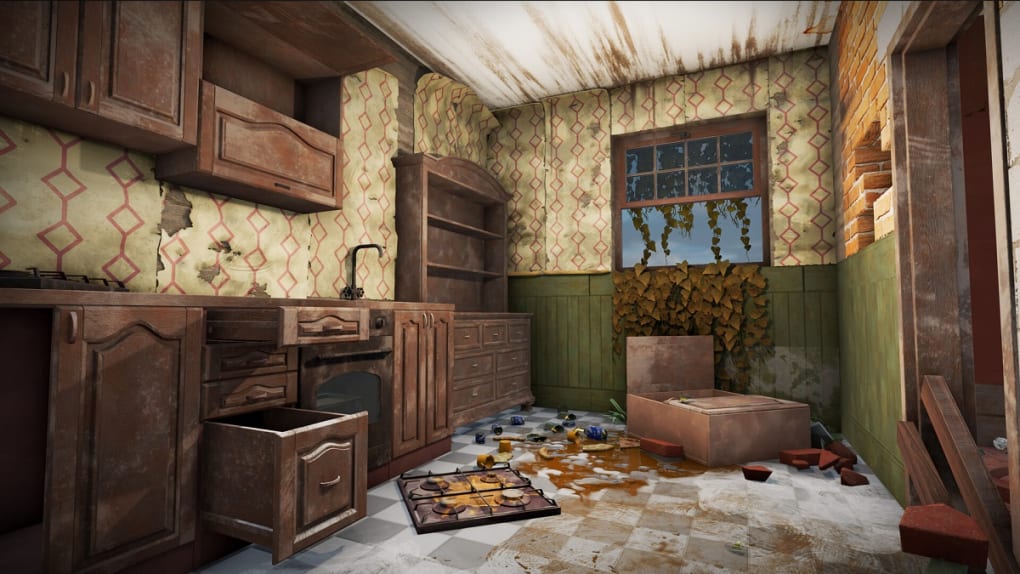
Embarking on Your Flipper Journey: Game Modes and Visuals
House Flipper 2 distinguishes itself through its engaging game modes and breathtaking visual presentation, offering players diverse ways to experience the joy of home renovation. Whether you prefer a structured narrative or boundless creative freedom, the game provides a platform for every kind of aspiring flipper.
Story Mode: From Humble Beginnings to Renovation Master
Much like the first installment, House Flipper 2 features an immersive Story Mode that serves as a guided introduction to the world of home flipping. Here, players receive a continuous stream of projects via their in-game emails, each presenting a unique challenge and a detailed set of instructions. These projects vary significantly in scope and complexity, ranging from “simple jobs” like minor repairs and quick clean-ups for a neighbor, to “detailed and time-consuming renovations” involving extensive structural changes, plumbing overhauls, and complete interior redesigns.
As players progress through Story Mode, they’ll encounter a diverse clientele with distinct preferences and backstories, each house telling its own tale of neglect or unrealized potential. Completing these projects not only earns players in-game currency but also builds their reputation within Pinnacove, unlocking more complex and lucrative opportunities. The mode is designed to teach players the ropes, gradually introducing them to new tools, techniques, and design philosophies, making it an excellent starting point for those new to the series or simulation games in general. The satisfaction derived from meticulously following client specifications and witnessing their delight at the transformed space is a cornerstone of this mode, offering a sense of accomplishment that is both rewarding and motivating.
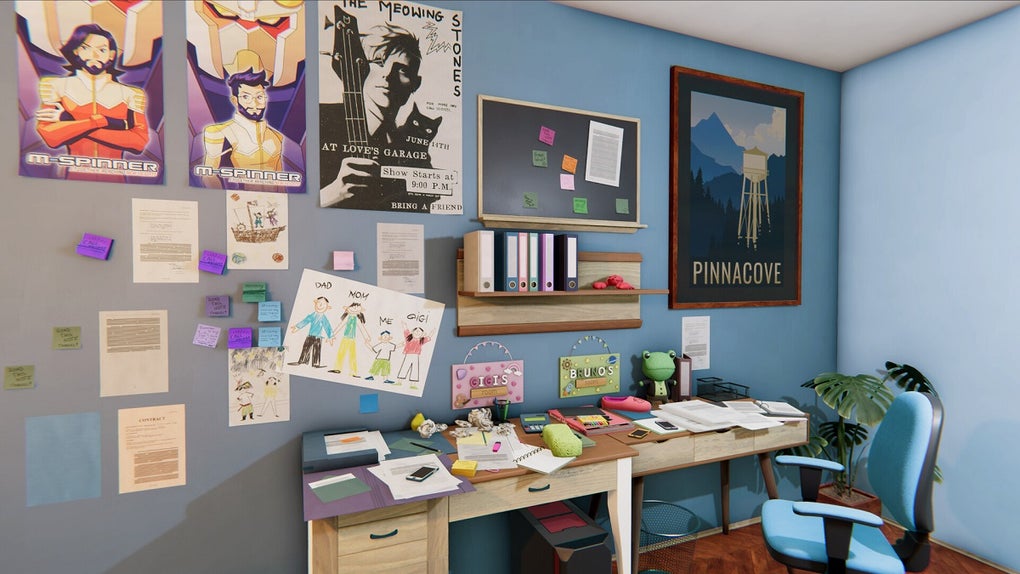
Sandbox Mode: Unleash Your Inner Architect
For players who yearn for unbridled creative expression, House Flipper 2’s Sandbox Mode is a veritable playground. This mode is the epitome of “freeform and laidback” gameplay, allowing players to “create projects from scratch” without the constraints of client demands or specific instructions. In Sandbox Mode, the world is truly your canvas. Players can choose an empty plot of land and build a house from its foundations, deciding on its architectural style, layout, and size. This includes everything from laying down floor plans and erecting walls to designing intricate rooflines and landscaping the surrounding garden.
Beyond construction, Sandbox Mode provides access to an expansive catalog of furniture, decorations, materials, and appliances, enabling players to design and furnish homes that reflect their wildest imaginations. Experiment with daring color palettes, combine diverse architectural styles, or simply build a cozy cottage – the possibilities are limitless. This mode is perfect for those who enjoy the pure act of creation, offering a therapeutic escape where design principles are self-imposed, and the only critic is oneself. It’s also an ideal space for testing out new design ideas, practicing renovation techniques, or simply unwinding by crafting the perfect virtual living space.
Immersive Visuals and First-Person Perspective
Regardless of the chosen game mode, House Flipper 2 presents all of its experiences with “high-quality 3D graphics” that push the boundaries of visual fidelity in simulation games. The attention to detail is evident in every texture, light reflection, and environmental element, making each dilapidated house feel genuinely aged and every renovated room shimmer with newfound polish. The game’s realistic rendering creates an environment where players can truly “feel as if you’ve stepped foot into each house in person.” From the subtle decay of a peeling wall to the gleam of a freshly polished countertop, the visuals are designed to immerse you completely.
Crucially, the game adopts a “first-person perspective,” which is integral to the immersive experience. This viewpoint allows players to better visualize every aspect of their work. It provides a precise sense of scale and depth, crucial for accurately placing a furniture piece, aligning a wall decal, or getting a better look at every angle of the room as you decorate. This perspective makes the physical acts of swinging a hammer, painting a wall, or mopping a floor feel more tangible and engaging. The combination of stunning graphics and an intimate first-person view elevates House Flipper 2 beyond a mere game into a comprehensive “interior design and home-building experience,” where players are truly at the heart of every transformation.
The Art of Renovation: Deeper Dive into Gameplay Mechanics
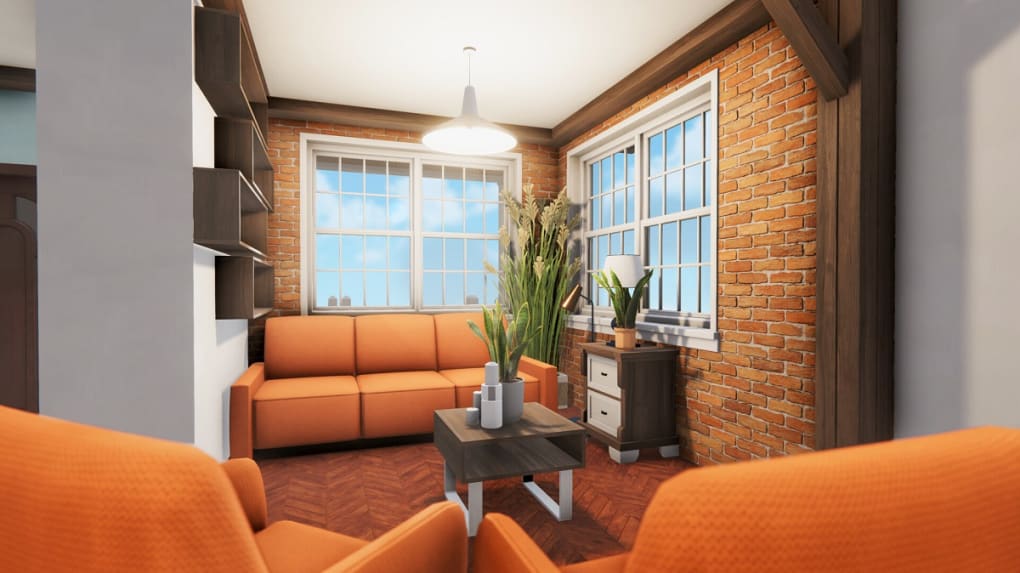
House Flipper 2 doesn’t just offer beautiful visuals; it provides a robust and satisfying set of gameplay mechanics that make the process of renovation both challenging and deeply rewarding. The game masterfully simulates the various tasks involved in home improvement, empowering players with an extensive array of tools and a vast catalog of customization options.
A Tool for Every Task: Expanding Your Flipper Arsenal
At the core of House Flipper 2’s gameplay is a comprehensive arsenal of tools, each designed for a specific aspect of home renovation. Players will find themselves mastering a range of implements, from the destructive power of a sledgehammer used for demolishing old walls, to the delicate touch required for plastering cracks and imperfections. The process of renovation is broken down into satisfying, granular tasks. You’ll wield a paint roller to apply fresh coats of paint, a mop and vacuum cleaner to banish grime and dust, and a trowel for laying down new tiles with precision.
Beyond the basics, the game introduces more complex systems, requiring players to engage with electrical wiring, plumbing installations, and even basic landscaping tools for exterior touch-ups. Each tool interaction is designed to be intuitive yet offer a sense of physical engagement, making the act of repairing a leaking pipe or installing a new electrical outlet feel genuinely productive. The game effectively simulates the progression of a project: starting with demolition and clean-up, moving on to structural repairs and utility installations, then finishing with aesthetic improvements. This iterative process, where players see tangible results with every swing of the hammer or stroke of the brush, is a major source of the game’s addictive appeal, fostering a deep sense of accomplishment as a crumbling room transforms into a habitable, beautiful space.
Decorating Dreams: Customization and Personalization
Once the structural work is complete, House Flipper 2 truly shines in its “decorating spaces” aspect, offering an unprecedented level of customization and personalization. The game boasts an extensive furniture catalog filled with an eclectic mix of styles, from sleek modern pieces and minimalist designs to rustic charm and classic elegance. This vast selection ensures that players can always find the perfect items to match their vision or fulfill specific client requests.
The customization extends beyond just furniture. Players have access to an enormous array of color palettes, allowing for subtle variations in hue and tone, as well as a rich selection of textures and materials for floors, walls, and countertops. Want to install luxurious marble in the bathroom, warm hardwood in the living room, or vibrant wallpaper in a child’s bedroom? The options are virtually endless. Placement mechanics are precise, offering fine control over item positioning, rotation, and even snapping to grids for perfect alignment. This level of detail allows players to express their unique stylistic preferences, creating homes that feel truly bespoke. The process of decorating becomes an artistic endeavor, involving thoughtful consideration of spatial flow, lighting, and overall ambiance. It’s an iterative process of trial and error, moving pieces around, changing colors, and adding accent details until the perfect harmony is achieved, turning a house into a personalized home.
Pinnacove: A Community Awaiting Transformation
The setting of House Flipper 2, the fictional town of Pinnacove, is more than just a backdrop; it’s a living, breathing community that provides context and purpose for the player’s home-flipping endeavors. The game expertly weaves the player’s actions into the fabric of this town, creating a sense of impact and progression beyond individual house transformations.
Exploring the Fictional Town and its Inhabitants
Pinnacove is depicted as a town with character, likely a blend of coastal charm and suburban tranquility, offering a diverse array of properties awaiting a flipper’s touch. As players navigate through the game, they’ll encounter houses nestled in various neighborhoods, each with its own architectural style and history. Some might be grand, decaying estates, while others are modest bungalows in need of a refreshing update. This variety ensures that no two projects feel exactly the same, keeping the gameplay fresh and engaging.
More than just structures, Pinnacove is populated by an unseen yet influential cast of inhabitants – your clients. While direct interaction might primarily be through in-game emails detailing their project needs, the implied stories behind their homes give each renovation a deeper meaning. Players learn about the quirks, desires, and sometimes heartbreaking situations that lead residents to seek a flipper’s help. This creates a subtle narrative layer, where the player isn’t just a contractor but a vital member of the community, helping people achieve their dream living spaces or recover from unfortunate circumstances. Building a strong reputation through successful renovations directly impacts the types of projects offered and the town’s overall perception of your business, making your work feel genuinely impactful within Pinnacove.
The Business of Flipping: Buying, Renovating, Selling
While Story Mode focuses on client-based projects, the very title “House Flipper 2” alludes to the core economic loop that often defines this genre: buying, renovating, and selling properties for profit. This aspect is crucial for players who want to build a real estate empire within Pinnacove. The game implicitly or explicitly challenges players to identify “undervalued properties” – houses that are rundown, aesthetically unappealing, or structurally flawed but hold significant potential.
The business aspect involves careful financial management. Players must learn to budget their renovations, allocating funds wisely for materials, labor (if any), and tools, all while keeping an eye on the potential market value of the property. The goal is to maximize the return on investment. This means making strategic design choices that appeal to a broad buyer base, ensuring the renovations are high-quality, and presenting the finished home in the best possible light. The process of purchasing a dilapidated property, investing time and resources into its transformation, and then successfully selling it for a substantial profit is incredibly satisfying. It combines the creative fulfillment of interior design with the strategic challenge of market economics, allowing players to experience the full spectrum of the home-flipping business, growing their capital to take on even bigger and more ambitious projects in Pinnacove.
Beyond the Blueprint: System Requirements and Overall Experience
House Flipper 2 offers an undeniably rich and immersive experience, but like any graphically intensive simulation, it comes with certain technical considerations. Understanding these requirements is key to ensuring a smooth and enjoyable gameplay journey.
Weighing the Visual Splendor Against Technical Demands
To fully appreciate the “astounding visuals” and “immersive experience” that House Flipper 2 brings to the table, players should take note of its “minimum system requirements.” The game, with its high-quality 3D graphics, detailed textures, intricate lighting, and expansive environments, demands a capable system to run optimally. Specifically, your device will need “at least 20 GB of available storage space” to accommodate all the necessary game files, updates, and expansions. Furthermore, a “64-bit processor and operating system” are essential to handle the complex computations and memory management required for such a detailed simulation.
These “high-spec requirements” are not arbitrary; they are a direct consequence of the game’s ambition to deliver a lifelike and dynamic home renovation experience. The complex physics involved in demolition, the realistic rendering of materials, and the sheer volume of interactive objects within each property all contribute to these demands. While some players might find these specifications a bit steep, they are ultimately “worth it” for the unparalleled visual fidelity and fluid gameplay that House Flipper 2 offers. Running the game on a system that meets or exceeds these requirements ensures minimal to no issues, allowing players to focus entirely on the creative process of flipping houses without being hindered by performance bottlenecks.
The Verdict: A Comprehensive Home-Building Experience
House Flipper 2 successfully creates an “all-encompassing interior design and home-building experience” that caters to a broad audience of simulation enthusiasts. Whether you are “someone who enjoys tinkering with various home design tools and decorating spaces” or finds solace in “the calming nature of breaking down old walls and repairing rooms,” this game has something to offer. Its success lies in its ability to blend these seemingly disparate activities into a cohesive and engaging whole.
The game’s strengths, as highlighted by its core features, include “Two unique game modes” that cater to different playstyles, “Visually appealing graphics” that elevate the immersion, and an “Immersive first-person POV experience” that truly puts you in the shoes of a flipper. These pros significantly outweigh the singular drawback of “Steep system requirements,” especially for players who value graphical fidelity and a deep, detailed simulation. Compared to the original House Flipper, the sequel refines existing mechanics, introduces new tools and options, and wraps it all in a visually superior package, making every renovation project feel fresh and exciting.
House Flipper 2 is more than just a game; it’s a creative outlet, a therapeutic escape, and a challenging business simulator rolled into one. It empowers players to transform neglected spaces into beautiful, functional homes, experiencing the satisfaction of hard work and artistic vision. For anyone looking to explore the rewarding world of home renovation from the comfort of their computer, House Flipper 2 comes highly recommended by PhanMemFree, promising hours of engaging, inspiring, and ultimately, profoundly satisfying gameplay. The game is available for Windows, and more information can be found on Phanmemfree.org.
File Information
- License: “Full”
- Version: “varies-with-devices”
- Latest update: “July 11, 2023”
- Platform: “Windows”
- OS: “Windows 7”
- Language: “English”
- Downloads: “65.9K”


