
In the vast and ever-evolving landscape of indie gaming, where creativity often blossoms outside the confines of massive budgets, Scopophobia Studios has carved out a unique niche with their compelling free horror visual novel, HOUSE HUNTED. Launched as a free-to-play simulation for Windows, this game takes a seemingly innocuous, universally relatable task – moving into a new home – and twists it into a descent into urban dread and Lovecraftian horror. Far from a simple point-and-click adventure, HOUSE HUNTED challenges players to confront unsettling mysteries and make choices that steer them directly into the path of an unspeakable terror, all wrapped in a distinct visual package that sets it apart from its contemporaries.
At its core, HOUSE HUNTED invites players to step into the shoes of a prospective homeowner, eager to settle into a new life in a tranquil suburban town. What begins as an ordinary house-hunting expedition quickly unravels into an increasingly creepy narrative, where the idyllic scenery serves as a chilling counterpoint to the dark, escalating premise. This unsettling contrast, coupled with an impressive art style that blends urban photographic backgrounds with striking pop art-inspired characters, makes HOUSE HUNTED a memorable experience for fans of indie horror and visual novels alike. Its ability to evoke a sense of unease through a relatable setup, followed by a rapid escalation into the bizarre, is a testament to Scopophobia Studios’ talent for crafting effective atmospheric horror. Despite a relatively short playthrough, the game’s cleverly designed multiple endings ensure high replayability, offering players fresh perspectives and hidden details with each successive run, making every decision weigh heavily on the unfolding nightmare.
The Unsettling Allure of the Suburban Dream
The concept of finding a new home is, for many, a deeply personal journey filled with dreams of fresh starts and new beginnings. It’s a process fraught with anticipation, hope, and the mundane realities of paperwork and logistics. HOUSE HUNTED expertly taps into this universal experience, using its inherent familiarity as a springboard into something far more sinister. The game’s genius lies in its ability to transform the ostensibly benign act of seeking shelter into an encounter with existential dread, demonstrating that even the most ordinary settings can harbor extraordinary horrors.
A Seemingly Mundane Beginning
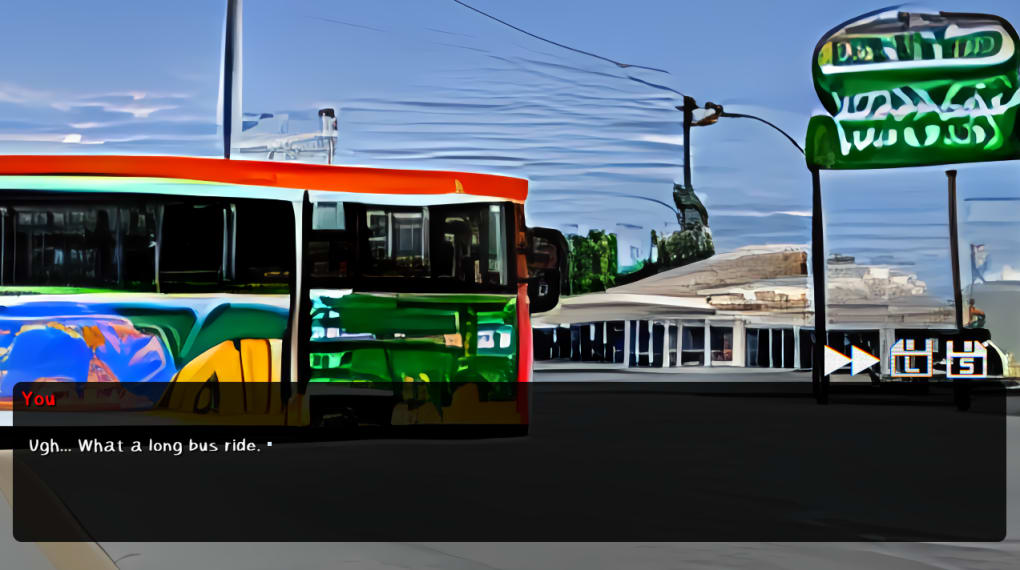
Players begin their journey in HOUSE HUNTED as a hopeful individual, stepping off a bus into what appears to be a perfectly normal suburban town. The initial moments paint a picture of tranquility, implying a narrative about the simple joys and challenges of settling into a new community. This carefully constructed façade of normalcy is crucial; it lulls the player into a false sense of security, making the subsequent descent into horror all the more jarring and effective. The suburban backdrop, with its neat houses and quiet streets, is a symbol of safety and domesticity, which the game then systematically undermines. It preys on the subconscious fears associated with new environments – the unknown neighbors, the strange sounds, the lingering feeling that something is just off.
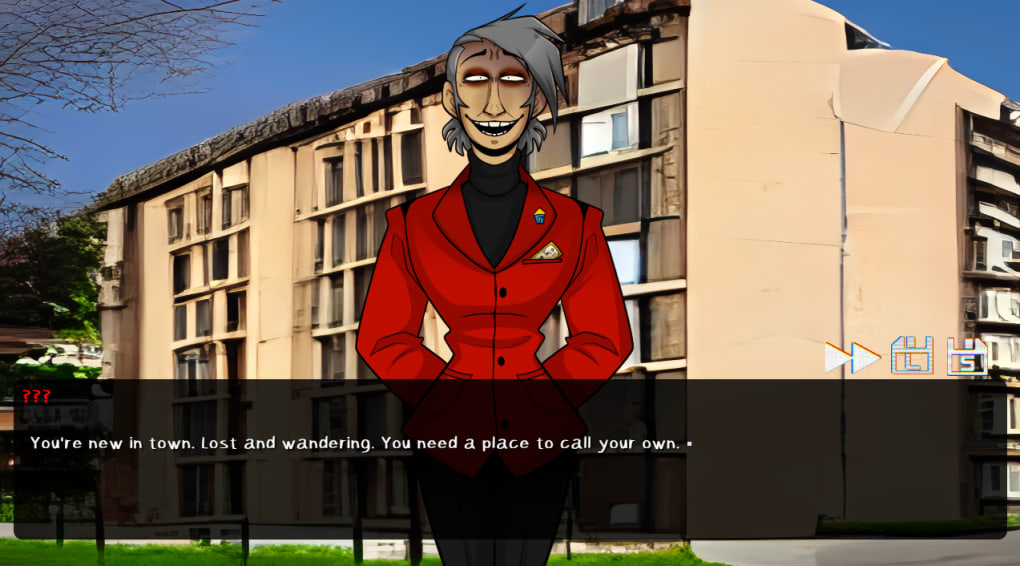
However, this comforting illusion is shattered almost immediately upon the player’s arrival. A mysterious “agent” materializes, greeting the protagonist with cryptic pronouncements that defy comprehension. This encounter serves as the pivotal moment, a narrative fork in the road where the mundane path diverges sharply into the terrifying. The agent, with their ambiguous demeanor and unsettling dialogue, acts as a harbinger of the bizarre, signaling that this house-hunting venture is anything but ordinary. The player is left with an immediate sense of bewilderment and unease, questioning the nature of their surroundings and the intentions of the people they meet. This initial interaction is a masterclass in establishing an atmosphere of dread, setting the stage for an experience where reality itself seems to bend and twist. The suburban dream quickly becomes a waking nightmare, demonstrating how easily our perceptions of safety can be distorted by the unexplained and the unknown, making the search for a home a quest for survival against unseen forces. The gradual revelation that the “agent” is more than they seem, and the “new place” holds more than just empty rooms, transforms the narrative into a relentless exploration of the uncanny.
Crafting a Tense Atmosphere
The brilliance of HOUSE HUNTED extends beyond its initial hook; it lies in its sustained ability to craft and maintain a genuinely tense atmosphere throughout its duration. This is not a horror game that relies on cheap jump scares, but rather one that meticulously builds a pervasive sense of dread, allowing it to seep into the player’s consciousness. The tension in HOUSE HUNTED is a fluctuating entity, constantly shifting between moments of palpable fear and deceptive lulls of false security. This dynamic ebb and flow keeps players on edge, never quite knowing when the next unsettling revelation will occur or from which corner the next terror will emerge. One moment might present a seemingly innocuous conversation or a serene visual, only for the next to introduce a disturbing detail or a chilling implication that rattles the player’s composure. This constant oscillation ensures that the player’s guard remains up, their senses heightened, anticipating the inevitable creepiness that permeates the game’s world.
The narrative of HOUSE HUNTED is expertly designed to be an “increasingly creepy visual novel experience.” Each decision the player makes, no matter how small or inconsequential it might seem, has the potential to steer the story into darker and more perilous territory. This agency is critical; it imbues the player with a sense of responsibility for the unfolding horror, making the consequences feel more immediate and personal. Whether it’s choosing to investigate a strange sound, trusting a dubious character, or ignoring an ominous warning, these choices are not merely plot devices but active participations in the game’s descent into madness. These decisions can lead to a “wrong turn,” propelling the player “face to face with a literal monster.” This progression from subtle unease to overt horror is carefully paced, ensuring that the escalation feels earned and impactful. The game masterfully uses its visual novel format to draw players into the psychological depths of its horror. Through evocative dialogue and environmental descriptions, it paints vivid pictures of a world that is slowly but surely succumbing to an otherworldly influence. The unsettling contrast between the bright, idyllic scenery and the growing darkness beneath its surface amplifies the horror, making the familiar uncanny and the beautiful grotesque. It’s a testament to the game’s design that even during moments of calm, an underlying current of dread persists, reminding players that they are never truly safe in this suburban nightmare. The tension isn’t just about what is seen, but about what is implied, what is hidden just out of sight, and the growing realization that the biggest monster might be the unfolding reality itself.
A Distinctive Visual and Narrative Approach
Beyond its compelling story and atmospheric tension, HOUSE HUNTED distinguishes itself through a truly unique artistic vision and a narrative depth that elevates it above many free-to-play titles. Scopophobia Studios has clearly invested in crafting an experience that is both visually arresting and conceptually rich, blending distinct artistic choices with thematic elements that resonate deeply with players.
Pop Art Meets Urban Horror
One of the most striking aspects of HOUSE HUNTED is its impressive art style, which plays a pivotal role in establishing its identity and amplifying its horror. The game marries urban, photographic settings with a modern pop art approach for its character designs. This stylistic fusion creates a visually dynamic experience, where the realistic, sometimes gritty, backdrops provide a grounded, relatable foundation, while the stylized characters inject a sense of the surreal and the uncanny. The characters, with their bold lines, vibrant colors, and exaggerated features, are reminiscent of iconic pop culture figures from animations like The Amazing World of Gumball or the distinct visual style of the band Gorillaz. This choice of character design is not merely aesthetic; it serves a crucial narrative purpose. By presenting characters in a style that is both familiar and slightly off-kilter, the game immediately establishes an uneasy feeling. They are relatable, yet distinctly alien, contributing to the overall sense of disquiet that permeates the story. This choice effectively enhances the “urban feel” of the game, making it particularly resonant for players who have grown up in cities or suburban environments. The blend of photographic realism in the backgrounds with the stylized characters creates a subtle disassociation, suggesting that something isn’t quite right, mirroring the game’s central theme of a mundane reality slowly unraveling.
Furthermore, the game introduces a “wide variety of characters, each with their distinct designs.” This diversity in character appearance, from the enigmatic agent to other residents encountered, adds layers to the uneasy feeling. Each character’s unique visual presentation hints at hidden depths, unspoken motives, or perhaps even a connection to the unfolding horror. The pop art style allows for quick character recognition and leaves a lasting impression, ensuring that each interaction, no matter how brief, feels significant. This visual language becomes integral to the storytelling, allowing the game to convey personality, mood, and subtle narrative clues without relying solely on dialogue. The vibrant, almost cheerful aesthetic of the characters contrasts sharply with the darkening narrative, creating a dissonance that is both visually engaging and deeply unsettling, proving that horror doesn’t always need to be dark and gritty to be effective. It is this audacious and distinct artistic choice that helps HOUSE HUNTED carve out its own identity within the crowded genre of indie horror.
Lovecraftian Whispers in a Modern Setting
While HOUSE HUNTED initially presents itself as a grounded horror experience, its narrative quickly delves into dimensions that can only be described as “Lovecraftian heights.” This isn’t just about jump scares or conventional monsters; it’s about the erosion of sanity, the revelation of cosmic truths, and the unsettling understanding that humanity occupies a fragile place in a universe teeming with incomprehensible entities. The game masterfully employs elements of cosmic horror by taking its “instantly relatable premise”—the search for a new home—and infusing it with an alien, unknowable threat. The suburban setting, usually a bastion of safety and routine, becomes a stage for forces that defy human logic and understanding. The horror isn’t just in what you see, but in what you realize—the slow, creeping dread that your reality is a mere facade, masking something ancient and malevolent.
The game achieves this Lovecraftian atmosphere by subtly hinting at a larger, unseen threat. The mysterious agent, the strange occurrences, and the increasingly bizarre dialogue all contribute to a sense of impending cosmic doom. The “literal monster” that players eventually face is not merely a creature but a manifestation of a truth that shatters conventional understanding, prompting questions about sanity and existence. This psychological element is paramount: as players progress, they aren’t just scared by external threats, but by the growing feeling that their own mind is struggling to process the impossible. The game preys on the fear of the unknown, the terror of insignificance in the face of vast, uncaring cosmic entities. By placing this grand, existential horror within the mundane confines of a suburban town, HOUSE HUNTED makes the dread feel more intimate and inescapable. The horror isn’t happening in a faraway, gothic castle, but right where you live, or plan to live. This juxtaposition makes the Lovecraftian whispers all the more impactful, as the player is forced to confront ancient evils in the very places they once considered safe, turning a simple act of house-hunting into a journey through existential terror, blurring the lines between the physical and the metaphysical, and leaving an indelible mark on the player’s perception of reality.
Replayability and Player Choice
In an era where many games strive for hundreds of hours of content, HOUSE HUNTED takes a different approach, proving that impact doesn’t always equate to length. Its design philosophy prioritizes intense, focused experiences, yet it manages to achieve remarkable replayability through clever narrative construction and the power of player choice.
Short but Sweet, with Endless Possibilities
One of the standout characteristics of HOUSE HUNTED is its relatively short playthrough time. A single run through the narrative can be completed in “less than fifteen minutes,” a duration that might seem like a “con” to some players accustomed to epic sagas. However, this brevity is, in fact, one of the game’s greatest strengths. It encourages immediate re-engagement, allowing players to quickly restart and explore alternative paths without a significant time commitment. This “short but sweet” approach is a deliberate design choice that perfectly complements the game’s core mechanic: its “distinct, multiple endings.” The true value and depth of HOUSE HUNTED aren’t unlocked in a single playthrough, but through the cumulative experience of exploring all possible narrative branches. Each decision point, no matter how minor, can subtly or dramatically alter the course of events, leading to a completely different conclusion. This non-linear storytelling ensures that the player’s choices truly matter, making each replay a fresh and engaging experience rather than a repetitive chore.
The incentive to delve back into the game is further enhanced by the presence of “added details you’d definitely miss during your first run.” These subtle nuances, hidden dialogues, and contextual clues are meticulously placed throughout the game, rewarding vigilant players who are willing to experiment with different choices. Uncovering these hidden elements provides another layer of understanding to the unsettling narrative, deepening the lore and enriching the overall horror experience. It’s akin to peeling back layers of an onion, with each playthrough revealing more of the twisted truth behind the suburban facade. This design philosophy transforms the short runtime from a potential drawback into a compelling feature, fostering a sense of curiosity and encouraging players to actively seek out every permutation of the story. The drive to unlock all endings and piece together the full picture of the cosmic horror lurking beneath the mundane makes HOUSE HUNTED an exceptional example of how a concise game can offer immense replay value, inviting players to become active participants in unraveling its mysteries rather than passive observers.
Minor Bumps in the Road
While HOUSE HUNTED shines brightly in many aspects, like any indie title, it’s not entirely without its minor imperfections. The primary point noted by reviewers and players alike pertains to “minor translation issues for English dialogue.” In a visual novel where dialogue is a crucial vehicle for storytelling, atmosphere, and conveying player choices, even subtle linguistic awkwardness can occasionally break immersion or lead to slight confusion. These issues might manifest as slightly unnatural phrasing, grammatical errors, or choices of words that don’t quite capture the intended nuance. Given that the game is developed by an indie studio, such challenges are understandable and often a common hurdle when localizing content, particularly when resources are limited compared to larger studios. For a game that relies so heavily on its narrative to build tension and deliver its Lovecraftian themes, perfectly polished dialogue is ideal, but these instances are generally minor and don’t significantly detract from the overall experience. Most players are able to look past these infrequent linguistic quirks, recognizing them as small blemishes on an otherwise compelling and well-crafted game.
Beyond the dialogue, some might also initially perceive the “short playthrough” as a “con.” In a gaming culture that often values hours of content, a game that can be completed in less than fifteen minutes might seem to offer insufficient value. However, as previously discussed, this brevity is meticulously balanced by the game’s multiple endings and high replayability. The intent is not to provide a lengthy, sprawling epic, but a concentrated, impactful, and repeatable horror experience. The game is designed to be consumed in short, intense bursts, encouraging players to revisit and re-evaluate their choices, rather than offering a one-and-done narrative. Therefore, while a short initial experience might be seen as a minor negative by some, it is intricately tied to the game’s strengths in replay value and narrative branching. These “minor bumps” are easily forgivable, especially considering the game’s free-to-play nature and the overall quality of its unique art style, relatable premise, and effective horror. The fact that these are the most significant criticisms speaks volumes about the high standard set by HOUSE HUNTED in delivering a memorable and distinctive indie horror experience.
Why HOUSE HUNTED Stands Out
In the crowded market of visual novels and indie horror games, HOUSE HUNTED by Scopophobia Studios manages to carve out a distinct identity and leave a lasting impression. It’s a testament to effective game design that focuses on strong core mechanics, unique aesthetics, and a compelling narrative, rather than relying on extensive length or elaborate graphics. The game’s capacity to transform a mundane concept into a deeply unsettling experience is its greatest strength, making it a standout title for a specific niche of players.
The primary reasons HOUSE HUNTED shines are multifaceted. First and foremost is its “great, relatable premise.” The universal experience of house-hunting provides an immediate entry point for players, allowing them to connect with the protagonist’s initial aspirations. This relatable foundation then serves as a powerful contrast when the narrative plunges into the terrifying and the inexplicable, making the horror feel more personal and impactful. The suburban setting, often associated with safety and normalcy, is subverted to become a breeding ground for cosmic dread, a technique that enhances the game’s Lovecraftian undertones.
Secondly, the “impressive art style” is undeniably a major draw. The fusion of urban photographic backgrounds with vibrant, pop art-inspired character designs creates a visual language that is both unique and highly effective. This aesthetic choice not only sets HOUSE HUNTED apart from its peers but also actively contributes to the game’s unsettling atmosphere. The stylized characters, reminiscent of popular animations, add an uncanny valley effect that keeps players on edge, making the familiar feel just a little bit wrong. This visual distinctiveness is a crucial element in establishing the game’s memorable identity.
Lastly, and perhaps most importantly for its long-term appeal, are the “distinct, multiple endings.” This feature transforms a game that could otherwise be a brief, one-shot experience into a highly replayable narrative. The promise of uncovering new details, exploring different outcomes, and understanding the full scope of the story incentivizes players to engage with the game repeatedly. Each playthrough offers fresh insights and a chance to experience the horror from a slightly different angle, ensuring that the game remains engaging long after the first credits roll.
When compared to other indie horror visual novels like Don’t Toy With Me, The Man from the Window, or even alternatives like JOHN DOE and ERROR143, HOUSE HUNTED holds its own with its unique blend of artistic flair and narrative ingenuity. While games like JOHN DOE also offer surreal dating sim experiences, HOUSE HUNTED focuses more directly on a creeping existential horror rooted in a familiar setting. Its ability to create genuine tension and unease within a short timeframe, coupled with a rewarding replay loop, makes it a highly recommended title. Despite the “minor translation issues for English dialogue” and its “short playthrough,” these are easily forgivable imperfections that do not diminish the overall quality of the experience. The innovative design, the profound sense of dread it evokes, and its distinctive visual identity solidify HOUSE HUNTED’s position as a must-play free horror visual novel from Scopophobia Studios. It’s a testament to the fact that compelling horror doesn’t always need an expansive runtime or a massive budget, but rather a keen understanding of atmosphere, player psychology, and artistic vision. For fans of indie games seeking a memorable, relatable, and genuinely creepy experience that pushes the boundaries of the visual novel genre, HOUSE HUNTED is an unmissable journey into the heart of suburban terror, readily available on PhanMemFree for Windows users.
File Information
- License: “Free”
- Version: “1.0”
- Latest update: “May 27, 2022”
- Platform: “Windows”
- OS: “Windows 8”
- Language: “English”
- Downloads: “1.2K”
- Size: “294.73 MB”


