
“I Hate This Game.” The title itself is a paradox, a declaration of both animosity and undeniable fascination. This seemingly simple game, a retro-inspired puzzle experience, has garnered attention not for its soothing gameplay, but for its deliberate, almost sadistic, difficulty. It’s a game designed to challenge, frustrate, and ultimately, perhaps, to reward the persistent player with a sense of accomplishment that few other games can match. This exploration will delve into what makes “I Hate This Game” so uniquely infuriating and strangely compelling.
The Retro Revival: Nostalgia and New Challenges
“I Hate This Game” isn’t just a simple collection of frustrating puzzles; it’s a deliberate nod to the challenging game design of the past. Think of the notoriously difficult NES games of the 80s and 90s, where progress was measured in painstakingly earned pixels and fueled by sheer stubbornness. This modern iteration captures that spirit, leveraging the visual aesthetics and control schemes of classic gaming while pushing the boundaries of difficulty in ways that were previously impossible, thanks to the increased capabilities of modern game design. This clever blending of old-school charm and modern-day cruelty is a key ingredient in its unique appeal.
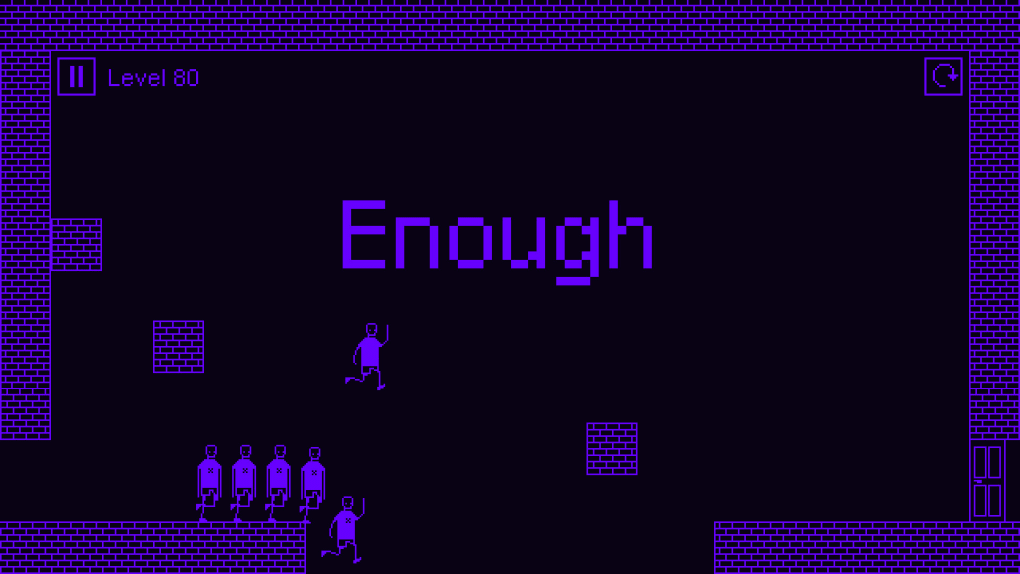
The game’s retro pixel art style isn’t just a stylistic choice; it enhances the feeling of playing a vintage title. The simplistic graphics allow the focus to remain on the gameplay mechanics, highlighting the challenges without distraction. The developers wisely recognize that the aesthetic should support the core gameplay loop—to make the frustration palatable and even nostalgic for those who cut their teeth on equally unforgiving games of their youth. It’s a smart design decision that cleverly ties the game’s inherent difficulty to its retro presentation, creating a symbiotic relationship that reinforces its overall impact.
The game mechanics, likewise, borrow from the frustrating yet often rewarding techniques of older games. Precise movements are often essential, and one wrong move can mean spending many minutes replaying a particular section, or even an entire level. The feeling of accomplishment that comes with finally overcoming a particularly difficult obstacle is magnified by the knowledge that many others will not see the reward of this perseverence. This isn’t simply a matter of trial and error; it requires patience, observation, and a willingness to experiment until success is achieved.
More Than Just Difficulty: The Design of Frustration
The challenge in “I Hate This Game” isn’t simply random; it’s meticulously crafted. Each level introduces new mechanics and obstacles, forcing players to constantly adapt and learn. The developers haven’t just thrown a bunch of impossible challenges at the player; there is a clear progression of mechanics and challenges in each level. Players constantly learn new skills and techniques to master the ever-increasing complexity of the game, only to have these skills tested again in the face of fresh, unusual hurdles. It’s a testament to careful game design, a calculated escalation of difficulty intended to push players to their limits. This controlled increase in difficulty is a core aspect of the game’s design, preventing it from becoming monotonous.
The game’s difficulty is also punctuated by a surprisingly witty sense of humor. The frustrating design is occasionally juxtaposed with moments of comedic relief, both in the level design itself and in the game’s overall presentation. This creates a unique emotional rollercoaster that keeps players engaged even when they’re tearing their hair out. The game expertly walks the line between frustrating and amusing, understanding that a constant stream of pure frustration would quickly lead to burnout. The infrequent doses of humor act as welcome breaks, refreshing the player’s sense of engagement and preventing them from giving up entirely.
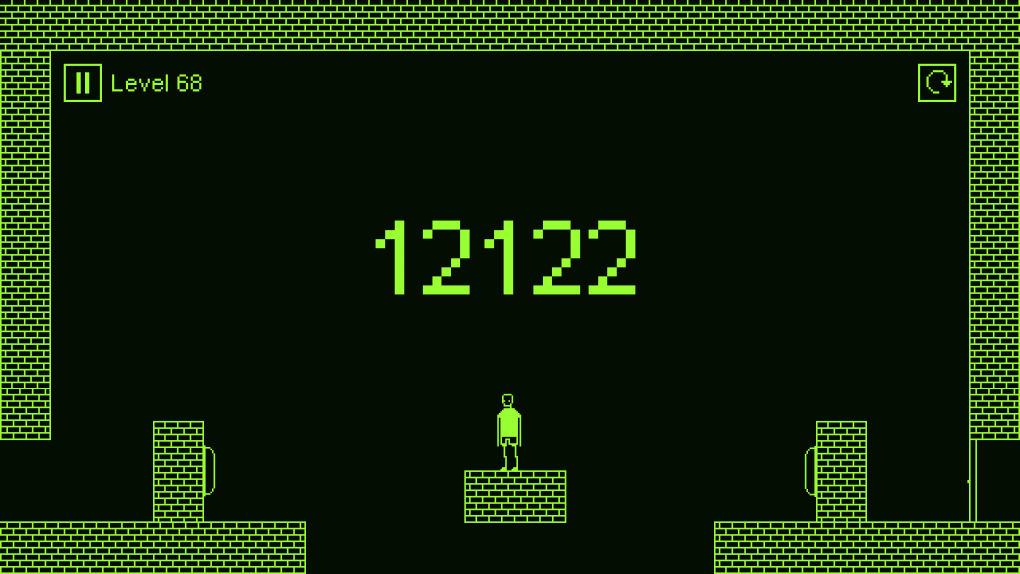
Furthermore, the structure of the game encourages players to engage in problem-solving. Many of the puzzles demand creativity, demanding that the player experiment with different approaches and learn from their mistakes. It’s not merely a matter of repeating the same action until it works. Players must think critically and strategically. It’s this element of problem-solving that sets “I Hate This Game” apart from many other difficult games that rely solely on reflexes and rapid response times. It’s a game that values thoughtful strategy over brute force; it challenges the player’s intellect as much as their reflexes, creating a far more nuanced and rewarding (albeit frustrating) experience.
The Community and the Culture of Frustration
The game’s popularity has fostered a vibrant online community. Players share tips, strategies, and lament their failures—all adding to the game’s overall appeal. The collective experience of frustration and eventual triumph becomes a shared bonding experience, creating a culture of perseverance among the game’s players. This online community significantly contributes to the game’s lasting success. It provides a support system for frustrated players and facilitates the sharing of knowledge and strategies. This element of shared experience strengthens the bond between players and enhances their overall engagement with the game.
The game also benefits from a constant stream of content. While the core game is challenging enough, the developers have expanded it with additional levels. This ongoing development keeps players coming back for more, creating a long-term engagement that goes beyond simply beating the game. This constant updating and expansion ensures that the community remains actively engaged and provides a continuous source of frustration, and ultimate satisfaction, for players.
The Psychological Hook: Why We Keep Playing
The question remains: why do people keep playing “I Hate This Game”? It’s not a game that offers a gentle learning curve or satisfying instant gratification. Part of the appeal lies in the psychological principles of the challenge. The persistent difficulty creates a compelling loop of frustration and reward. The struggle fuels the determination; the setbacks are followed by a sense of pride and achievement with the ultimate triumph. This inherent complexity becomes a powerful attractor, appealing to players who derive satisfaction from overcoming extreme challenges. It’s about conquering a seemingly impossible obstacle, a personal testament to one’s perseverance.
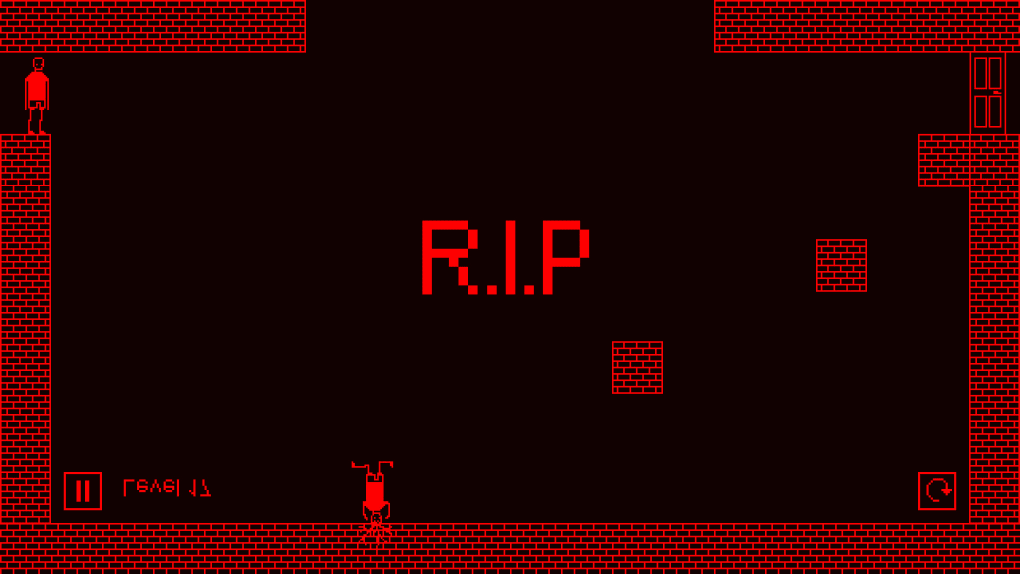
Beyond the psychological aspects, the game’s overall presentation plays a role in its success. The retro aesthetic, the subtle humor woven into the design, and the ever-present difficulty create a unique atmosphere that hooks players into a cycle of frustration and satisfaction. This atmosphere, combined with the community and the ongoing updates and content, keeps players returning for more.
In conclusion, “I Hate This Game” is far more than just a difficult game. It’s a carefully crafted experience that leverages retro aesthetics, challenging mechanics, a strong sense of humor, and a supportive online community to create a uniquely compelling and frustrating experience. Its popularity isn’t a fluke; it’s a testament to the power of a well-designed challenge, one that pushes players to their limits, while at the same time offering moments of satisfaction and a profound sense of accomplishment. The game’s lasting impact lies in its ability to tap into our innate desire to overcome adversity, turning frustration into a fuel for a strange kind of fun.
File Information
- License: “Full”
- Version: “varies-with-device”
- Latest update: “June 8, 2023”
- Platform: “Windows”
- OS: “Windows 7”
- Language: “English”
- Downloads: “10.5K”


