
ICQ, a name derived from “I Seek You,” is a free messenger app and VoIP client available for Windows PCs. Unlike many contemporary messaging platforms that prioritize user data collection, ICQ distinguishes itself with a focus on user privacy and a unique approach to identity management. This article explores the features, functionalities, and overall user experience of ICQ, comparing it to similar services and examining its strengths and weaknesses.
Identity and Security: A Unique Approach to Privacy
One of ICQ’s most striking features is its user identification system. Instead of requiring personal information like a name or address, users are identified by a unique five-digit Unique Identification Number (UIN) assigned upon registration via a phone number. This streamlined registration process significantly reduces the amount of personal data collected and stored by the platform, setting it apart from many competitors who demand extensive personal information during account creation.
This privacy focus extends beyond user registration. ICQ employs end-to-end encryption for all voice and video calls, leveraging a ZRTP-based algorithm and VoIP technology to ensure confidentiality. This means that conversations are protected from third-party access and remain private between the communicating parties. Furthermore, ICQ allows users to delete messages at any time, effectively removing them from both the sender’s and recipient’s chats. This “self-destruct” feature enhances privacy and control over the information shared.
The cloud-based nature of ICQ allows seamless synchronization across multiple devices. Users can effortlessly switch between their computer, laptop, or mobile phone and continue their conversations without interruption. This portability is a significant convenience, further enhancing the usability of the application. While the ability to send messages to oneself might seem peculiar, it functions as a rudimentary cloud storage option for short-term needs, permitting the sharing of images, videos, and GIFs. However, it is crucial to emphasize that this feature should not be considered a permanent or reliable long-term storage solution.
Communication Features: Beyond Basic Messaging

ICQ offers a broad range of communication features designed to enhance user interaction. Private chats between individuals, encrypted group chats accommodating up to 25,000 participants, and integrated polling features are all key aspects of the platform. The ability to create large group chats makes ICQ particularly useful for organizing events and facilitating discussions among numerous individuals, while the anonymity options allow for open communication without revealing personal details.
The inclusion of an API bot further enhances functionality. Developers can utilize the ICQ API to create bots designed to automate tasks, provide information, conduct surveys, and more. This feature opens up the platform to a variety of applications, especially for businesses seeking interactive customer service solutions. ICQ also offers a unique alternative to blogging through its channel feature. Users can create channels, publish text-based posts along with media attachments, and notify subscribers akin to traditional messaging. This allows for anonymous content creation and dissemination, avoiding the public profile often associated with conventional blogging platforms.
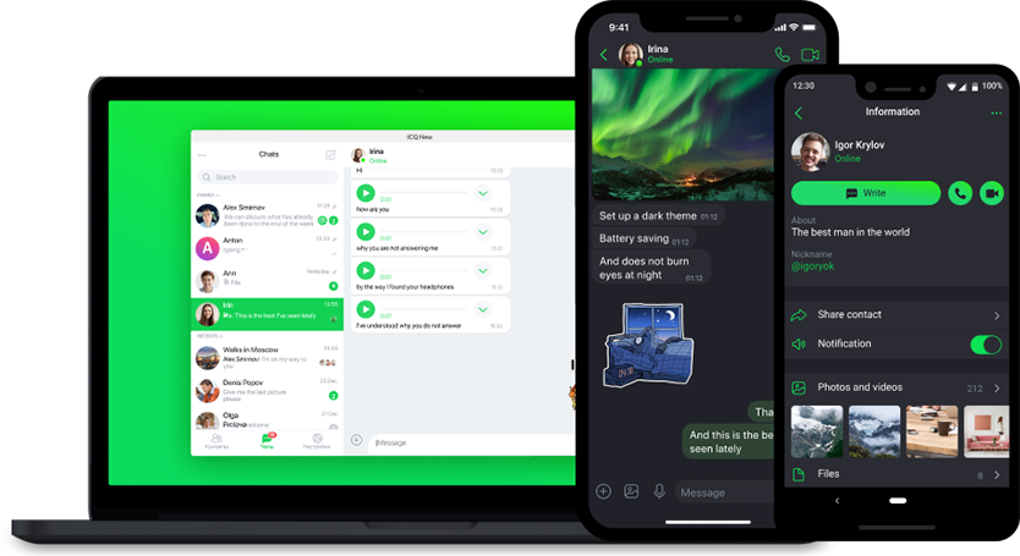
Beyond text messaging, ICQ incorporates an array of additional communication enhancements. Users can send stickers, leverage the application’s AI-powered suggestions for stickers and replies, utilize digital masks during video calls, and engage in global searches to connect with individuals based on selected parameters like gender, age, and location. This diverse feature set caters to a variety of communication needs and preferences. ICQ also allows integration with multiple social media platforms like Instagram, Twitter, Facebook, Tumblr, and Medium for seamless content sharing, maximizing the user’s online reach.
ICQ vs. Telegram: A Comparative Analysis
While numerous messaging apps exist (WhatsApp, Zoom, Microsoft Teams, Facebook Messenger), Telegram stands as the closest competitor to ICQ in terms of privacy focus. Both applications are cloud-based, offer encrypted communication, support group chats, and provide channel features. However, a key difference lies in the scalability of group chats. Telegram allows for group chats of up to 200,000 users, significantly exceeding ICQ’s 25,000-user limit.
Both services offer robust encryption protocols, ensuring secure communication. Telegram, however, has gained widespread popularity and boasts a much larger user base than ICQ, placing it more firmly within the mainstream of messaging apps. While ICQ prioritizes privacy, Telegram’s expansive user base and feature-rich environment offer a compelling alternative. The choice between these platforms often hinges on the balance between privacy and the desire for a larger, more actively engaged community.
Strengths and Weaknesses of ICQ
ICQ presents a compelling blend of features, however, like any platform, it exhibits both strengths and weaknesses.
Strengths:
- Strong Privacy Focus: The unique UIN system, end-to-end encryption for calls, message deletion feature, and optional anonymity options significantly enhance user privacy.
- Feature-Rich: ICQ offers a diverse range of features beyond basic messaging, including large group chats, API bots, channels, and integration with other social media platforms.
- Easy to Use: The interface is generally user-friendly, making the application accessible even for those unfamiliar with similar services.
- Cross-Platform Compatibility: The ability to seamlessly synchronize across various devices enhances usability and convenience.
Weaknesses:
- Smaller User Base: Compared to mainstream apps like WhatsApp and Telegram, ICQ’s user base is considerably smaller, limiting the reach of communication.
- Limited Marketing: ICQ’s less prominent market presence might lead to lower user discovery and adoption.
- Channel Functionality: While the channel feature is novel, its functionality is not as developed or widely used as similar features on other platforms.
Conclusion: A Niche Player with a Strong Privacy Focus
ICQ offers a viable alternative to other messaging platforms, particularly for users who prioritize privacy and appreciate a unique approach to online communication. While its smaller user base might pose a limitation for some, its robust privacy features and comprehensive functionalities make it a compelling option for those who value data security and control. The platform’s unique features like the channel system and API bot integration provide opportunities for creative communication and engagement, catering to specific user needs that are not always met by more mainstream messaging applications. Ultimately, the decision to utilize ICQ depends on the individual’s priorities and preferences. For users who value privacy above all else, ICQ may be the ideal messaging solution, offering a level of security and anonymity not always found within the crowded landscape of instant messaging platforms.
File Information
- License: “Free”
- Latest update: “June 12, 2025”
- Platform: “Windows”
- OS: “Windows XP”
- Language: “English”
- Downloads: “545.7K”
- Size: “108.93 MB”


