
ICUII Video Chat, a product released in 2007, represented an early foray into the world of video conferencing. While today’s landscape is dominated by sleek, feature-rich platforms like Zoom and Google Meet, ICUII offers a fascinating glimpse into the evolution of real-time video communication technology. This examination will delve into its functionalities, user experience, reception, and its place in the history of video chat applications.
ICUII Video Chat’s Features and Functionality
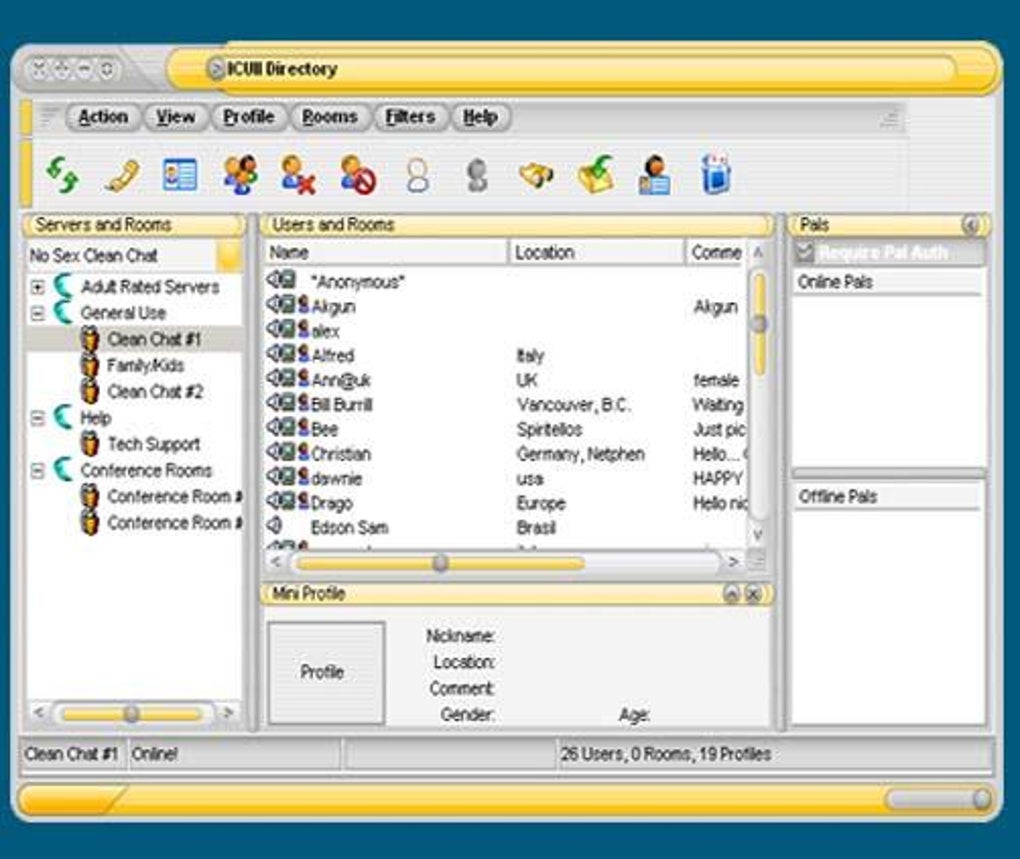
ICUII Video Chat was a Windows-based application designed for one-on-one and multi-person video chats with integrated audio. Its core features included:
-
Real-time video and audio conferencing: The application’s primary function was enabling real-time video and audio communication, a crucial feature for its time, although the quality and stability likely paled in comparison to modern standards.
-
User directory with invisibility option: Users could browse a directory of other ICUII users and opt for invisibility, offering a level of privacy control. The functionality and scale of this directory remain unclear based on available information.
-
Quick Messaging System (QMS): Integrated instant messaging allowed for text-based communication alongside video calls, a standard feature in modern video conferencing applications.
-
Pal List and Message Center: A contact list (Pal List) allowed users to easily connect with frequent contacts, and a message center facilitated message storage and retrieval, akin to a basic inbox function.
-
Offline Quick Message System: This allowed users to send messages even when contacts were offline, a useful feature for asynchronous communication.
-
G-Rated and Adult Areas: This suggests a level of community or content segregation within the platform. The specific implementation and moderation of these areas are unknown.
-
Auto-Updates: The application featured automatic updates, a practice now standard in software development for delivering bug fixes and new features.
-
Improved Network Support and DirectX Support: Specific upgrades mentioned in release notes highlight improved compatibility with various network configurations and support for a wider range of cameras.
-
Security Features (Imposter Stopper, Panic Button): ICUII attempted to address security concerns with features like “Imposter Stopper,” which aimed to prevent unauthorized camera access, and a “Panic Button” to quickly minimize the application. The effectiveness of these features is debatable based on later user reviews.
-
Multiple Monitor Support: This advanced feature allowed for a more optimized user experience across multiple monitors, a relatively novel offering at the time.
The software’s reliance on DirectX for camera support is indicative of its era, where direct hardware interaction was more prevalent than the standardized interfaces common today. The mention of router and firewall compatibility suggests that the application attempted to overcome network limitations that were more common with older internet infrastructure.
ICUII Video Chat: User Experience and Reception
While the feature list suggests a reasonably comprehensive video conferencing application for its time, user reviews paint a contrasting picture. A review from August 27, 2018, mentions difficulties signing on, suggesting persistent login issues. A more critical review from June 3, 2007, points out several significant flaws:
-
High CPU usage: The application was reported to consume excessive CPU resources, leading to overheating and system slowdowns. This is a severe issue highlighting potential performance inefficiencies.
-
Poor Customer Service: The reviewer cited extremely poor customer service and unhelpful documentation. This suggests a lack of adequate support for users experiencing difficulties.
-
High Price and Clumsy Interface: The combination of a high price (the specific cost is not mentioned) and a described “clumsy” interface further detracts from the user experience. The reviewer indicates a preference for more buttons and fewer windows, pointing towards potential usability issues.
-
Functionality Issues: The review notes problems with in-call chat functionality, which undermines a core feature of a video conferencing platform. The user’s difficulties with this feature are amplified by the fact they had paid for a subscription, raising concerns about the value proposition.
These negative reviews highlight the challenges faced by early video conferencing applications. The technological limitations of the era, coupled with potential shortcomings in development, support, and user interface design, resulted in a less-than-optimal experience for some users.
The significant difference in time between the release date (2007) and a later user review (2018) suggests that the application may have remained available for an extended period despite its apparent shortcomings. This prolonged availability might be attributed to a niche user base or a lack of significant competition in the early days of readily accessible video conferencing.
ICUII Video Chat: Technical Specifications and Availability
ICUII Video Chat was a trialware application available for Windows 98 and earlier versions, only in English. It required relatively little disk space compared to other communication software of its time, indicating efficient resource management, at least in terms of installation footprint. Its popularity, as indicated by download statistics, suggests some degree of adoption, particularly in Turkey, Canada, and the United States. The application was developed by Icuii and reached version 8.0, with its last update in May 2007. The small file size (5.84 MB) is notable considering the limitations of internet speeds at the time. This might have contributed to its adoption in regions with less robust internet infrastructure.
ICUII Video Chat: A Historical Context
ICUII Video Chat’s existence and subsequent reception provide valuable insights into the early stages of video conferencing technology. It highlights the technological challenges, design limitations, and the importance of customer support in the development of user-friendly applications. While it may not have achieved the widespread success of its modern counterparts, its existence demonstrates the evolving demand for real-time video communication and the incremental steps taken to achieve user-friendly and reliable applications. The limitations exposed in user reviews underscore the importance of ongoing development, testing, and feedback collection to enhance the user experience and ensure software stability and performance. Compared to today’s standards, ICUII Video Chat serves as a testament to how far the technology has progressed in providing seamless and reliable video conferencing experiences. Its legacy lies in illustrating the journey towards the sophisticated and widely accessible video chat applications that we now take for granted.
File Information
- License: “Trial version”
- Version: “8.0”
- Latest update: “May 7, 2007”
- Platform: “Windows”
- OS: “Windows 98 SE”
- Language: “English”
- Downloads: “15.7K”
- Size: “5.84 MB”


