
The digital landscape is a constantly evolving entity. Software that was once indispensable often fades into obscurity as technology advances. IE Tab Extension, a browser add-on designed to integrate Internet Explorer rendering capabilities into other browsers, stands as a testament to this dynamic evolution. While no longer actively maintained or supported, its history offers a valuable glimpse into the complexities of web browser compatibility and the challenges faced by developers in a rapidly changing technological environment. This exploration delves into the history, functionality, and significance of IE Tab Extension, considering its impact and legacy in the context of modern web browsing.
The Rise of Browser Compatibility Issues: IE Tab Extension’s Context
In the early to mid-2000s, the internet experienced a period of significant growth and diversification. While various browsers existed, Internet Explorer held a dominant market share, particularly within the enterprise sector. Many websites were designed and optimized specifically for Internet Explorer, leading to significant compatibility problems in other browsers like Firefox, Netscape Navigator, or early versions of Chrome. Websites built with older technologies or specific versions of Internet Explorer’s rendering engine often rendered incorrectly, resulting in broken layouts, dysfunctional features, and a generally frustrating user experience in alternative browsers.
This incompatibility wasn’t merely a matter of aesthetics. It presented significant challenges for businesses relying on web-based applications and for individuals accessing critical online services. The absence of consistent rendering across different browsers could lead to operational inefficiencies, data loss, and security vulnerabilities. Furthermore, the lack of cross-browser compatibility was a barrier to innovation, preventing developers from fully exploiting the potential of different browsing environments and hindering the development of more flexible and responsive web applications.
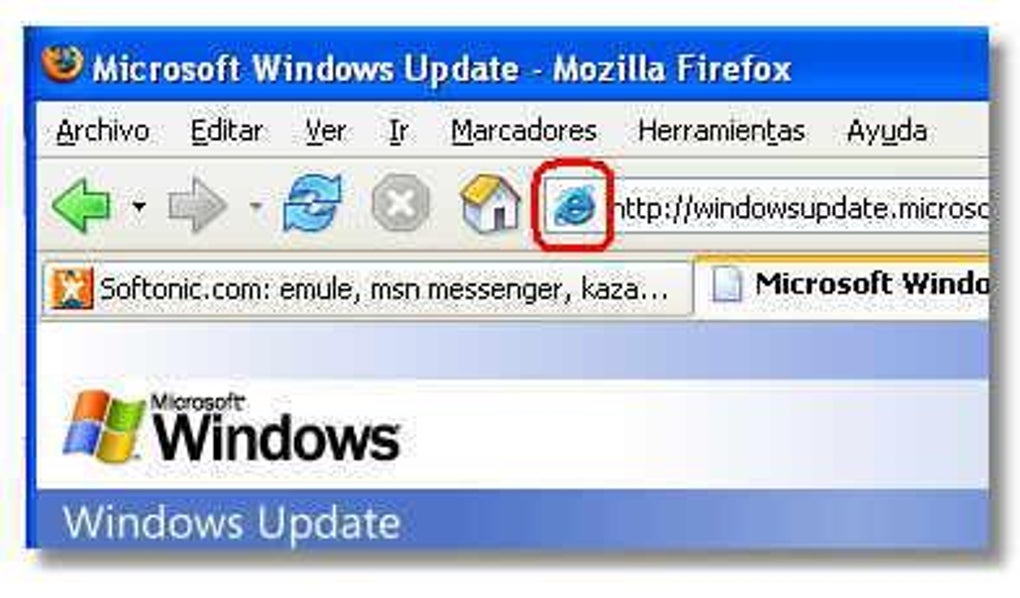
IE Tab Extension emerged as a direct response to these challenges. By integrating the Internet Explorer rendering engine into alternative browsers, it sought to provide a bridge between different browsing platforms and ensure consistent website functionality regardless of the user’s preferred browser. This solution addressed a crucial need, offering users a workaround for websites that were heavily reliant on Internet Explorer’s specific rendering capabilities.
Functionality and Features of IE Tab Extension
IE Tab Extension was designed as a straightforward add-on for browsers like Firefox. Its primary function was to allow users to render web pages using Internet Explorer’s rendering engine within the host browser. This meant users could open a specific website or webpage within an IE Tab, bypassing the host browser’s rendering engine and utilizing Internet Explorer’s instead. This approach effectively addressed the compatibility issues stemming from variations in rendering engines.
The extension’s user interface was relatively simple. Typically, users could access the functionality through a dedicated button or menu option within their host browser. Clicking this button would open a new tab or window that utilized the embedded Internet Explorer engine. The process was generally seamless, and users could easily switch between the host browser and the IE Tab as needed.
While the core functionality was simple, the impact on users was substantial. It enabled access to websites that were otherwise unusable or dysfunctional in other browsers. This feature was particularly beneficial for individuals and organizations heavily reliant on legacy web applications or intranet systems that were designed to work solely or optimally with Internet Explorer.
The Decline of IE Tab Extension and the Shift in Browser Landscape
The popularity and necessity of IE Tab Extension began to wane as the web browser landscape evolved. The emergence and subsequent dominance of web standards, combined with the improved cross-browser compatibility of modern browsers, significantly reduced the reliance on IE Tab Extension. Web developers increasingly adopted standardized coding practices, ensuring that their websites functioned reliably across different browsers.
The rise of more robust and feature-rich browsers, capable of handling a wider range of web technologies, also contributed to the decline of the need for IE Tab Extension. Browsers such as Chrome, Firefox, and Safari incorporated advanced rendering engines and improved compatibility features, making workarounds like IE Tab Extension increasingly redundant.
Furthermore, Microsoft’s decision to eventually discontinue support for Internet Explorer also signaled the end of the line for IE Tab Extension. With the primary rendering engine becoming obsolete, maintaining and updating the extension became unsustainable. This led to the eventual abandonment of the project, leaving the extension in a state of unsupported legacy software.
The Legacy of IE Tab Extension
Despite its obsolescence, IE Tab Extension holds a significant place in the history of web browser development. It serves as a reminder of a time when browser compatibility was a major hurdle and a testament to the ingenuity of developers in finding creative solutions to challenging technical problems. It showcased the importance of cross-browser compatibility and highlighted the need for developers to prioritize web standards to ensure a seamless online experience for all users.
The legacy of IE Tab Extension also lies in its contribution to the broader evolution of web technologies. Its existence spurred a greater focus on web standards and cross-browser compatibility, directly influencing the development of more robust and versatile rendering engines and browser technologies. The challenges posed by its existence acted as a catalyst, prompting the development of more standardized web development practices that ultimately reduced the need for such workarounds.
Today, the need for an add-on like IE Tab Extension is minimal, thanks to the widespread adoption of web standards and the improved cross-browser compatibility features of modern browsers. However, the story of IE Tab Extension stands as a reminder of a period when compatibility issues were prevalent and of the innovative solutions employed to overcome these challenges. Its place in internet history serves as a valuable lesson in technological evolution and the constant quest for a seamless and universal online experience. The experience with IE Tab Extension emphasizes the importance of adhering to web standards, promoting consistent cross-browser compatibility, and fostering a more inclusive digital landscape for all users.
File Information
- License: “Free”
- Latest update: “December 2, 2009”
- Platform: “Windows”
- OS: “Windows 2000”
- Language: “English”
- Downloads: “33.7K”
- Size: “215.07 KB”


