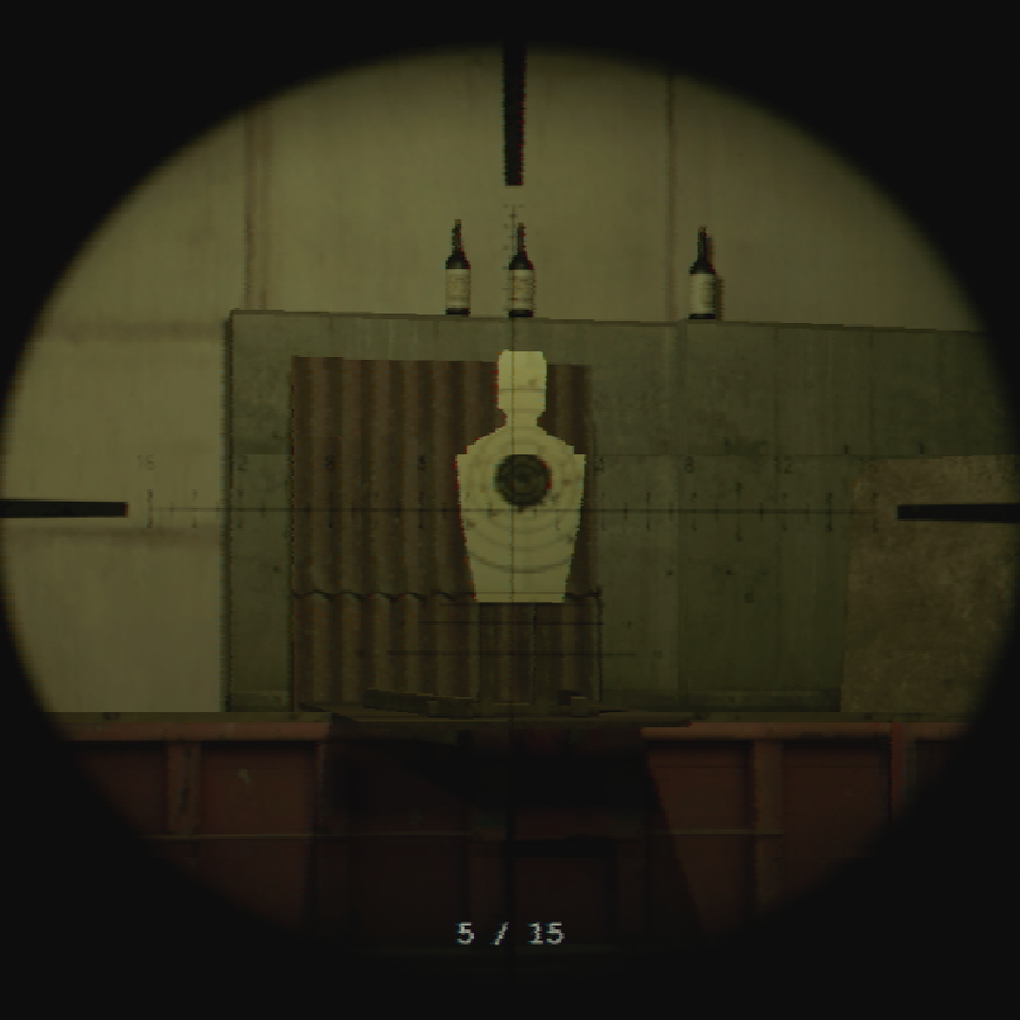
In the ever-evolving landscape of first-person shooters, certain titles carve out a niche by daring to be different. “IGI 2: Covert Strike” is one such game, a sequel that attempted to elevate the tactical espionage genre by blending stealth and action in a unique way. Released as the second installment following the original “Project IGI,” this game, particularly its single-player demo, offered players a glimpse into a world of international intrigue, high-stakes missions, and the solitary heroism of an elite operative. Long after its initial release, the demo continues to be a point of interest for those seeking a challenging and thought-provoking FPS experience that, while imperfect, aimed for a greater sense of strategic depth than many of its contemporaries.
Developed by Innerloop Studios and published by Codemasters, “IGI 2: Covert Strike” introduces players once again to the enigmatic ex-SAS operative David Jones. His mission? To prevent global catastrophe by thwarting the nefarious plans of international terrorists. This premise alone sets a grand stage for a game that promised a refreshing departure from the typical run-and-gun mechanics, instead emphasizing intelligence, planning, and meticulous execution. For many, the single-player demo served as the gateway to understanding this philosophy, allowing a taste of the intricate level design and the demanding gameplay that defined the full experience. Even as technology has advanced and gaming preferences have shifted, the core elements presented in this demo remain a fascinating case study in game design, showcasing both ambitious vision and the challenges of execution.
The Return of David Jones: A Blend of Stealth and Action
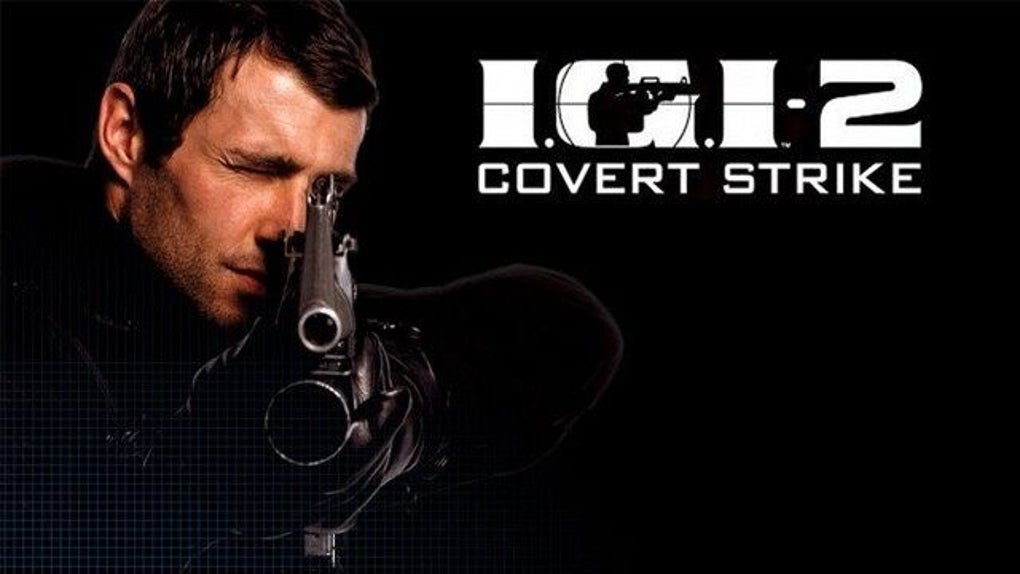
“IGI 2: Covert Strike” immediately positions itself as a more sophisticated take on the first-person shooter. It’s not merely about pointing and shooting; it’s about decision-making, adaptation, and a careful balance between remaining undetected and engaging when necessary. The single-player demo encapsulates this ethos, providing a snapshot of the intense, pressure-filled scenarios David Jones routinely faces. The game’s design philosophy encourages players to think like a covert operative, weighing the risks and rewards of every action, and understanding that sometimes, the quietest approach is the most effective.
Setting the Stage: Global Threats and Covert Operations
The narrative backbone of “IGI 2: Covert Strike” is an intricate web of international espionage. David Jones is not just a soldier; he’s an intelligence asset, deployed to various hotspots across the globe to prevent a looming world catastrophe. The game’s 19-level mission campaign spans three continents, suggesting a truly global scale for its operations. From the desolate, snowy landscapes of Russia to the bustling, sun-baked environments of North Africa and the lush, dense jungles of Southeast Asia, each location is designed to offer unique tactical challenges and visual variety. The demo, in its limited capacity, hints at this expansive world, showcasing a meticulously crafted environment that feels both realistic and ripe for covert infiltration. Players are tasked with missions that vary wildly in nature, from surgical base assaults to discreet surveillance and complex infiltration operations. This diversity ensures that the gameplay rarely feels monotonous, constantly demanding new strategies and approaches from the player. It’s this commitment to varied scenarios within a grand narrative that truly sets the stage for a compelling covert operations experience.
Gameplay Philosophy: Subtlety Over Brute Force
One of the defining characteristics of “IGI 2: Covert Strike,” as highlighted even in the demo, is its unwavering encouragement of subtlety and intelligence. Unlike many FPS titles where a direct, aggressive approach is often rewarded, IGI 2 frequently penalizes players for reckless behavior. The game strives to make players feel like a genuine covert operative, where blowing up every obstacle is a last resort, not a primary tactic. Missions are often designed with multiple pathways and approaches, allowing players to choose whether to disable alarms, silently take down guards, hack security systems, or use environmental cover to their advantage. This emphasis on strategic thinking is a core differentiator. The satisfaction comes not from racking up a high kill count, but from flawlessly executing a plan, leaving no trace, and achieving objectives without raising alarms. The demo provides a crucial introductory lesson in this philosophy, forcing players to observe, plan, and execute with precision. It’s a challenging but rewarding experience for those who appreciate a more cerebral approach to action gaming, where every bullet fired and every shadow utilized carries significant weight.
Mission Design and Arsenal: The Tools of a Covert Operative
The effectiveness of any tactical shooter lies not only in its core mechanics but also in the breadth of its mission design and the versatility of its arsenal. “IGI 2: Covert Strike” attempts to deliver on both fronts, offering a diverse array of challenges and a substantial collection of weaponry to tackle them. The single-player demo provides a representative slice of what players can expect from the full game, from the intricate environmental layouts to the tactical decisions involved in weapon selection.
A Campaign of Global Intrigue: From Base Assault to Infiltration
The full version of “IGI 2: Covert Strike” boasts an impressive 19-level mission campaign, each meticulously crafted and set in real-world inspired locations across three continents. This global scope is crucial to the game’s narrative, painting a picture of a vast, interconnected conspiracy that David Jones must unravel. Missions are far from monolithic; they range from intense, all-out base assaults where a player might need to strategically clear an area of hostiles, to delicate covert surveillance operations requiring patience and keen observation, and complex infiltration tasks where undetected movement is paramount. For instance, a mission might see Jones infiltrating a heavily guarded research facility in Russia, requiring him to bypass laser grids, disarm explosive devices, and extract critical data, all while avoiding direct confrontation. Another might place him in a dense jungle environment, tracking a high-value target with only a sniper rifle and a suppressed pistol, relying on environmental cover and the sounds of nature to mask his movements. The demo provides a taste of this variety, usually featuring a mission that demands a blend of stealth and tactical engagement, showcasing the game’s commitment to varied gameplay scenarios. This diversity ensures that players are constantly challenged to adapt their strategies and utilize different facets of Jones’s skillset, keeping the campaign fresh and engaging throughout its considerable length.
Mastering the Arsenal: Over 30 Real-World Weapons
A covert operative is only as good as their tools, and “IGI 2: Covert Strike” equips David Jones with an extensive and diverse arsenal. Players have access to more than 30 accurately real-world modeled weapons, ranging from classic assault rifles like the AK-47 and M16, to silenced pistols such as the SOCOM, various sniper rifles, submachine guns, shotguns, and heavy weaponry. Beyond firearms, the game also includes tactical equipment like binoculars (essential for reconnaissance and target tagging), grenades, and explosives for breaching or creating diversions. The weapon modeling aims for realism, not just in appearance but also in handling, recoil, and ballistic properties, adding a layer of authenticity to the gameplay. Crucially, the choice of weaponry is often a strategic decision dictated by the mission objectives. For a stealth mission, a suppressed pistol and a knife would be preferred, allowing for silent takedowns and minimal sound detection. For a base assault, an assault rifle with an attached grenade launcher might be more appropriate. Players must consider ammunition conservation, weapon effectiveness against different types of enemies, and the noise generated by each firearm. The demo allows players to experiment with a selection of these weapons, providing an understanding of their weight, feel, and utility in specific combat situations. This vast choice of weaponry not only enhances tactical depth but also allows players to tailor their approach to their preferred style, whether they lean towards silent assassinations or more aggressive, yet still calculated, engagements.
Assessing the Experience: Innovations and Persistent Challenges
“IGI 2: Covert Strike” arrived with high expectations, particularly after its predecessor, “Project IGI,” had introduced a compelling, albeit rough, vision for tactical espionage. While the sequel did make significant strides in certain areas, it also struggled with some of the same fundamental issues that had plagued the first game. The single-player demo offered an early insight into this duality, presenting both the game’s ambitious improvements and its frustrating shortcomings.
Building on a Foundation: Improvements Over Project IGI
One of the most immediate takeaways from “IGI 2: Covert Strike,” and evident in its demo, is that it is, by most measures, a superior game to its predecessor. “Project IGI” was lauded for its innovative premise and expansive levels but criticized for its lack of a save system (forcing players to restart entire missions if they died) and often clunky mechanics. “IGI 2” addresses several of these concerns, offering a more refined and polished experience. The introduction of in-mission save points, for example, was a significant quality-of-life improvement that made the game less punishing and more accessible without entirely sacrificing its difficulty. The overall gameplay flow felt smoother, and the graphics, for the time, were enhanced, contributing to a more immersive environment. The level design also showed greater sophistication, offering more varied objectives and more elaborate layouts that genuinely encouraged the “subtlety and intelligence” the developers championed. This refreshing mix of stealth and shooting gameplay, combined with the extensive 19-level mission campaign and wide, real-world modeled locations, presented a more cohesive and engaging package. The vast choice of weaponry also expanded tactical options, allowing players greater flexibility in how they approached challenges. These improvements were crucial in positioning “IGI 2” as a more mature and thoughtful entry in the tactical shooter genre, even if it didn’t fully realize its potential.
The Achilles’ Heel: Criticisms of AI and Stealth Mechanics
Despite the significant improvements, “IGI 2: Covert Strike” inherited some of its predecessor’s most glaring flaws, particularly in its artificial intelligence and the depth of its stealth mechanics. The “extremely flawed AI” remained a persistent criticism, and it’s a letdown that unfortunately overshadowed many of the game’s positive attributes. Enemies often exhibited inconsistent behavior; at times they would be unrealistically perceptive, spotting Jones from impossible distances or through solid objects, while at others they would be oblivious to clear disturbances or nearby gunfire. Their patrol paths could be predictable, yet their reactions to alerts were often illogical, leading to frustrating and immersion-breaking encounters. In a game that heavily emphasizes stealth and strategic planning, a dependable and believable AI is paramount. The lack of it undermined the core gameplay loop, making stealth feel less like a skill-based endeavor and more like a trial-and-error exercise against an arbitrary system.
Compounding this issue were the “limited stealth elements” and “stale stealth elements.” While the game encouraged stealth, the mechanics to truly support deep, engaging covert action were surprisingly basic. There was often little nuance beyond staying out of an enemy’s direct line of sight. Environmental interactions for stealth were minimal; players couldn’t consistently manipulate the environment to create diversions, hide bodies effectively, or leverage shadows in a sophisticated manner. This meant that while the intention was for players to use subtlety, the tools provided to execute that subtlety felt underdeveloped. Players yearned for more intricate systems like dynamic lighting and shadow play, more interactive cover mechanics, and more robust ways to distract or incapacitate enemies non-lethally. The absence of these deeper mechanics meant that the stealth gameplay, rather than being an engrossing chess match, often devolved into a simpler game of hide-and-seek, falling short of the “deep stealth action that gamers are looking for” that contemporary and future titles would deliver. These fundamental issues were indeed a major point of contention and a significant reason why the game, despite its ambitions, never quite reached its full potential.
Adding to these technical shortcomings, the game also suffered from some less critical but still noticeable deficiencies. The “unobtrusive music,” while not necessarily bad, often failed to build tension or enhance the atmospheric experience in a memorable way. It simply existed in the background without significantly contributing to the emotional or strategic impact of a mission. More jarring was the “awful voice acting.” The delivery of lines often felt flat, lacking conviction or genuine emotion, which made it difficult to connect with the characters or fully immerse oneself in the narrative. In a game striving for a realistic, gritty espionage thriller vibe, subpar voice work can quickly pull players out of the experience, diminishing the overall production value. These combined factors meant that while “IGI 2: Covert Strike” had a strong concept and some laudable improvements, it was ultimately held back from true greatness by these persistent, foundational flaws.
Technical Details and the Demo Experience
For many players, the “IGI 2: Covert Strike Single-player demo” was their first encounter with David Jones’s latest mission. Demos serve a crucial role in gaming, offering a free, accessible preview that allows potential players to gauge whether a game aligns with their preferences and their system’s capabilities. The specifications of this particular demo are a testament to the era in which it was released, reflecting the hardware and software standards of the early 2000s.
System Requirements and Accessibility: Diving into the Demo
The “IGI 2: Covert Strike Single-player demo” was designed for the Windows platform, specifically catering to operating systems like Windows XP. This indicates its vintage, as Windows XP was a prevalent OS during the game’s release period. Its relatively small size of 131.06 MB made it a manageable download for the internet speeds of the time, allowing a wide audience to access and try it out. The demo version, noted as V24.3(305), released on August 28, 2019 (likely a re-release or update to the demo on PhanMemFree, as the original game was much older), signifies that the game was kept somewhat current even years after its initial launch, or at least the demo package received updates for wider compatibility.
PhanMemFree, a platform dedicated to providing access to a wide array of software and games, has facilitated the distribution of this demo, ensuring its continued availability to interested users. With a significant number of downloads—125.3K overall and 2.5K in the last month alone on PhanMemFree—it’s clear that the game, even in its demo form, continues to hold a nostalgic appeal or sparks curiosity for new players exploring classic titles. Its free license made it an attractive option for anyone wanting to experience tactical stealth action without an upfront cost. Developed by Codemasters, a reputable name in the gaming industry, the demo reflected a commitment to showcasing a quality product, even if the full game had its imperfections. The demo’s existence allowed players to test the waters, get a feel for the unique blend of stealth and action, assess the notorious AI, and see if the tactical challenges resonated with their playstyle, all without committing to a purchase. This accessibility has undoubtedly contributed to its enduring presence on platforms like PhanMemFree.
Conclusion: The Legacy of a Flawed Gem
“IGI 2: Covert Strike,” particularly through the lens of its widely available single-player demo, stands as a fascinating artifact in the history of first-person shooters. It represents a genre that, at its core, sought to blend the visceral excitement of action with the cerebral demands of tactical espionage. On one hand, the game made commendable strides beyond its predecessor, “Project IGI,” offering a more polished experience with a compelling 19-level campaign, diverse real-world locations, and a vast, accurately modeled arsenal of over 30 weapons. The developers clearly aimed for a refreshing mix of stealth and shooting gameplay, emphasizing intelligence and subtle approaches over brute force, a philosophy that still resonates with a segment of the gaming community.
However, the game’s ambitions were ultimately tempered by some significant shortcomings. The “extremely flawed AI” and “limited, stale stealth elements” remained persistent criticisms, preventing “IGI 2” from achieving the truly engrossing and deep stealth action its premise promised. The unimpressive AI could lead to frustrating encounters, undermining the strategic planning the game encouraged. Furthermore, the “unobtrusive music” and “awful voice acting” detracted from the overall immersion, making it harder for players to fully engage with the narrative and atmosphere.
Despite these flaws, “IGI 2: Covert Strike” retains a cult following and is frequently referenced when discussing tactical shooters of its era. Its free single-player demo, readily available on platforms like PhanMemFree, continues to serve as an entry point for those curious about its unique blend of action and strategy. It offers a glimpse into a world where David Jones, an ex-military operative, single-handedly works to prevent international terrorism. While it didn’t revolutionize the stealth genre, it carved out its own niche by daring to be different. The game’s legacy is one of a flawed gem: a title that had immense potential, delivered on some fronts, but ultimately fell short of perfection. Yet, for those who appreciate its unique approach and are willing to overlook its imperfections, “IGI 2: Covert Strike” remains a memorable, albeit challenging, journey into the heart of covert operations.
File Information
- License: “Free”
- Version: “2”
- Latest update: “August 28, 2019”
- Platform: “Windows”
- OS: “Windows XP”
- Language: “English”
- Downloads: “127.1K”
- Size: “131.06 MB”