
I’m on Observation Duty 4, the latest installment in Notovia’s horror puzzle series, takes players on a chilling journey through grainy, black-and-white security footage. This isn’t your typical spot-the-difference game; here, the differences are anomalies – unsettling occurrences ranging from mysteriously moving furniture to ghostly apparitions and potentially dangerous intruders. This review delves into the game’s mechanics, atmosphere, strengths, and weaknesses, providing a comprehensive look at what awaits players in this unsettling experience.
Gameplay Mechanics: A Simple Yet Effective Formula
The core gameplay loop of I’m on Observation Duty 4 is refreshingly straightforward. Players act as security personnel, tasked with monitoring a series of rooms via live security camera feeds. The objective is simple: identify and report anomalies within a six-hour in-game timeframe (00:00 to 06:00). These anomalies aren’t always immediately obvious; they can be subtle shifts in the environment – a misplaced object, a flickering light, or the sudden appearance or disappearance of items. The challenge lies in discerning these changes from the static background, particularly given the game’s stylistic choice of monochrome visuals.
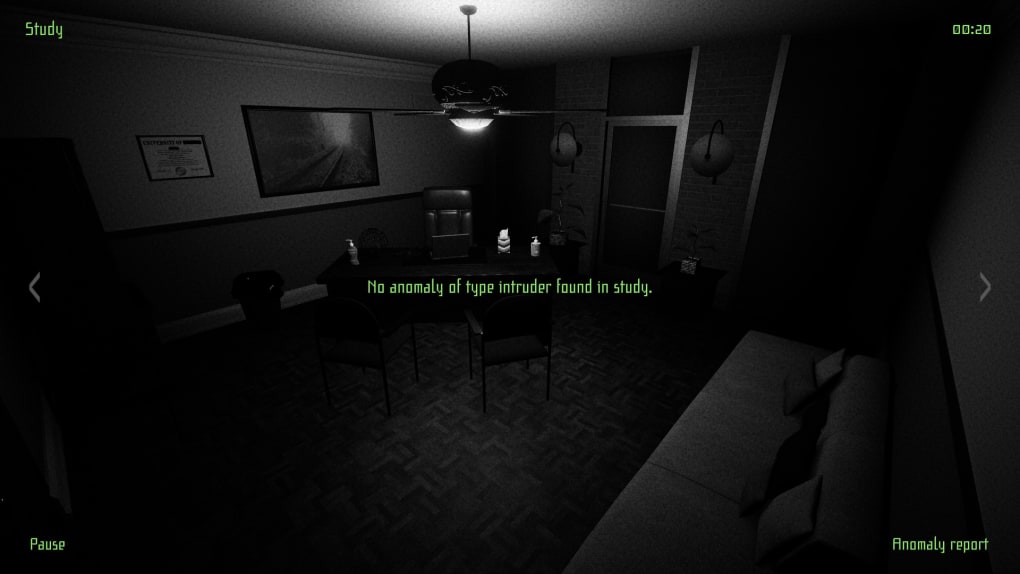
The game adds a layer of tension by introducing the possibility of intruders and ghostly apparitions. These aren’t just visual anomalies; they represent a potential escalation of the situation, raising the stakes and amplifying the sense of unease. Failure to report a sufficient number of anomalies before the in-game timer runs out results in a game over screen. The random nature of anomaly occurrences necessitates keen observation and a methodical approach to monitoring each room, adding an element of unpredictable suspense. Switching between cameras is crucial, as anomalies can appear in any monitored area, requiring constant vigilance.
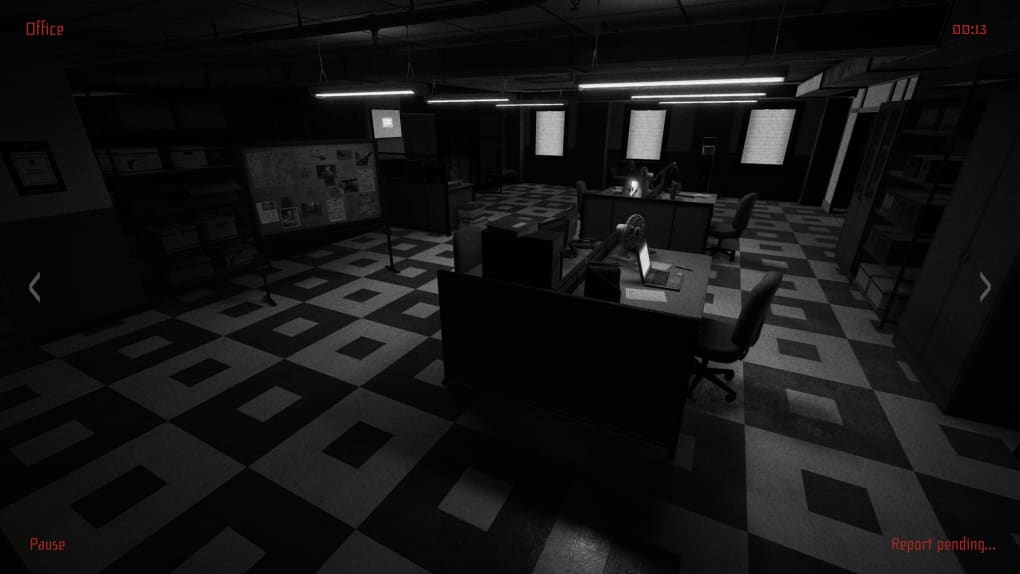
The simplicity of the mechanics is both a strength and a weakness. On one hand, it creates an accessible entry point for players unfamiliar with the genre, making it easy to pick up and play. On the other hand, the lack of complexity might lead to a sense of repetitiveness for those seeking more intricate gameplay. The core experience centers around meticulous observation, testing players’ powers of concentration and their ability to identify even the most minute visual differences in a high-pressure environment. The reward for successful observation and reporting comes not only from progressing through the game, but also from the growing sense of unease and paranoia created by the ever-present possibility of something sinister lurking just out of sight.
Atmosphere and Aesthetics: A Return to Found Footage Roots
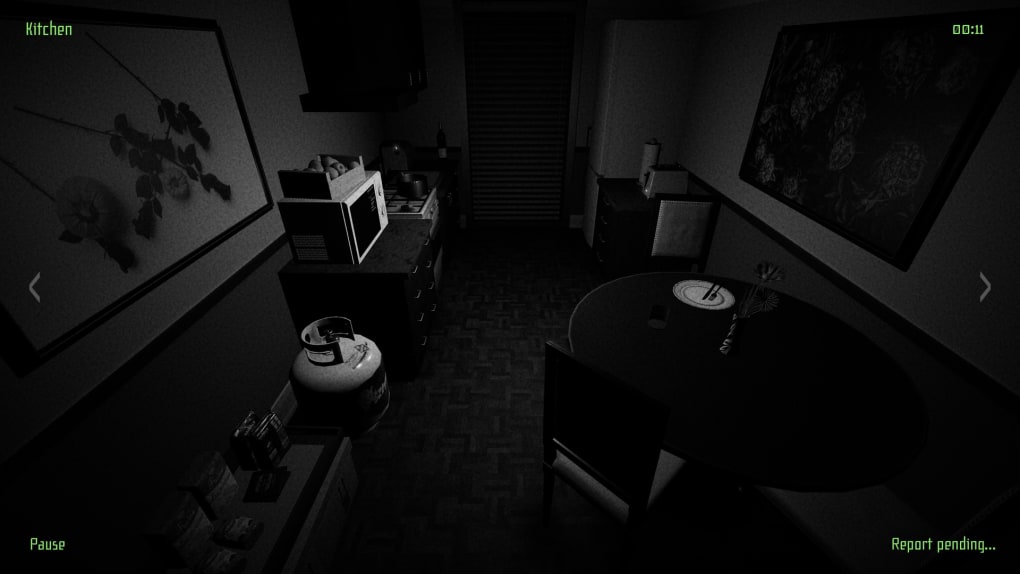
Unlike some of its predecessors, I’m on Observation Duty 4 opts for a stark, black-and-white aesthetic. This decision significantly contributes to the game’s atmosphere, evoking a sense of classic found-footage horror. The grainy, low-resolution footage adds to the realism, making the unsettling anomalies even more impactful. The lack of color enhances the sense of unease, emphasizing the shadows and the subtle movements that hint at something beyond the ordinary. The decision to present everything in monochrome greatly enhances the game’s overall chilling effect. The limited color palette and the intentionally low-quality visuals create a very unique sense of dread. Players must strain their eyes to spot the anomalies, forcing a closer scrutiny of the environment, further heightening the feeling of vulnerability.
The absence of a musical score is a deliberate creative choice that intensifies the unsettling atmosphere. Instead of relying on a soundtrack, the game relies primarily on silence punctuated by occasional sound effects. This silence effectively emphasizes the subtle visual cues and amplifies the feeling of isolation and vulnerability as players navigate the silent, potentially haunted environments. The infrequent sound effects become jarring interruptions to the oppressive silence, increasing tension and enhancing the sense of foreboding. The combination of the black-and-white visuals and the sparse soundscape contributes to an overall experience that is both suspenseful and deeply unnerving.
Strengths and Weaknesses: A Balanced Perspective
I’m on Observation Duty 4 offers a unique blend of accessibility and chilling atmosphere. Its simple mechanics make it easy to pick up and play, appealing to casual gamers and horror enthusiasts alike. The stripped-down visual style, combined with the absence of music, creates a truly immersive and unsettling experience. The return to the series’ roots with the monochrome footage, while challenging, effectively enhances the game’s sinister atmosphere. The removal of monotonous anomalies from previous installments also adds to the sense of unpredictable tension. The footage is less tightly packed, providing more breathing room (or rather, more room to be unnerved).
However, the game’s simplicity also limits its replayability. The core gameplay loop, while effective, can feel repetitive after several playthroughs. The black-and-white aesthetic, while contributing to the atmosphere, can also make it considerably more difficult to spot anomalies, particularly in darker areas of the footage. The reporting user interface (UI), as noted by some players, takes up a disproportionate amount of screen space, which could potentially detract from the immersive experience. Some players may also find the game less scary than its predecessors, despite the atmospheric choices.
Comparison with Previous Installments: A Return to Form?
I’m on Observation Duty 4 marks a noticeable shift in style and gameplay compared to some of its predecessors. While earlier installments might have incorporated more diverse anomaly types or more vibrant visuals, this installment focuses on a more streamlined and suspenseful approach. The return to the black and white format evokes the feeling of classic found-footage horror, which some may find a welcome change. The reduced number of anomaly types eliminates some of the repetitive elements, which is a positive element. This streamlined approach allows the game to effectively build tension through the anticipation of what might happen next and heightens the sense of unease, putting more focus on the core elements of the game. The decision to return to the series’ core concept creates a more focused and intense experience, although some long-time fans might miss the wider variety of anomaly types found in previous versions. The change in presentation style is a significant departure but also helps to create a distinctive and unforgettable gaming experience.
Conclusion: A Worthy Addition to the Series?
I’m on Observation Duty 4 provides a solid and engaging horror experience, particularly for those who appreciate a more minimalist approach to gameplay and atmospheric horror. Its simplicity is both a strength and a weakness. While accessible and easy to pick up, it may lack the depth and replayability of other games in the genre. The decision to return to the series’ roots with black-and-white footage and a sparse soundscape enhances the eerie atmosphere while posing a greater challenge to the player’s observational skills. This deliberate choice reinforces the overall unsettling tone of the game. Ultimately, I’m on Observation Duty 4 offers a tense, atmospheric experience that is sure to leave an impression, even if it might not be for everyone. Whether or not it is a worthy addition to the series depends largely on individual preferences, with its streamlined approach to classic horror elements possibly appealing more to some than others. While the simplicity of the gameplay might not appeal to all players, it undoubtedly succeeds in creating a tense and memorable experience, making it a worthwhile exploration for fans of atmospheric horror.
File Information
- License: “Full”
- Version: “varies-with-devices”
- Latest update: “June 14, 2023”
- Platform: “Windows”
- OS: “Windows 10”
- Language: “English”
- Downloads: “1.4K”


