
ImageGrab is a free screen capture software designed for Windows operating systems. While it might not boast the flashy features of some modern screen capture utilities, its simplicity and effectiveness have earned it a dedicated user base over the years. This review delves into the program’s capabilities, limitations, and overall user experience, providing a comprehensive assessment of its suitability for various needs. We will examine its functionality, ease of use, system requirements, and compare it to other alternatives currently available on the market.
ImageGrab’s Core Functionality: Capturing Images and More
At its heart, ImageGrab is a straightforward screen capture tool. Its primary function is to allow users to quickly and easily capture images of their computer screen. This includes capturing the entire screen, specific windows, or selected regions. The captured images can then be saved in various common image formats, making them readily usable for various purposes.
Beyond basic screen captures, ImageGrab offers additional functionalities that enhance its versatility. Although not explicitly detailed in the provided information, based on its categorization and description as “Video software” with a subcategory of “TV Tuners & Video Capture,” it’s reasonable to assume ImageGrab may have capabilities beyond still image capture. This could include functionality for recording video from the screen, potentially capturing video input from connected devices like webcams or capture cards, or offering options for manipulating captured video clips. These functionalities would significantly broaden its appeal beyond simple screenshot creation. However, further investigation into the software’s capabilities is needed to fully confirm these potential features and their level of sophistication.
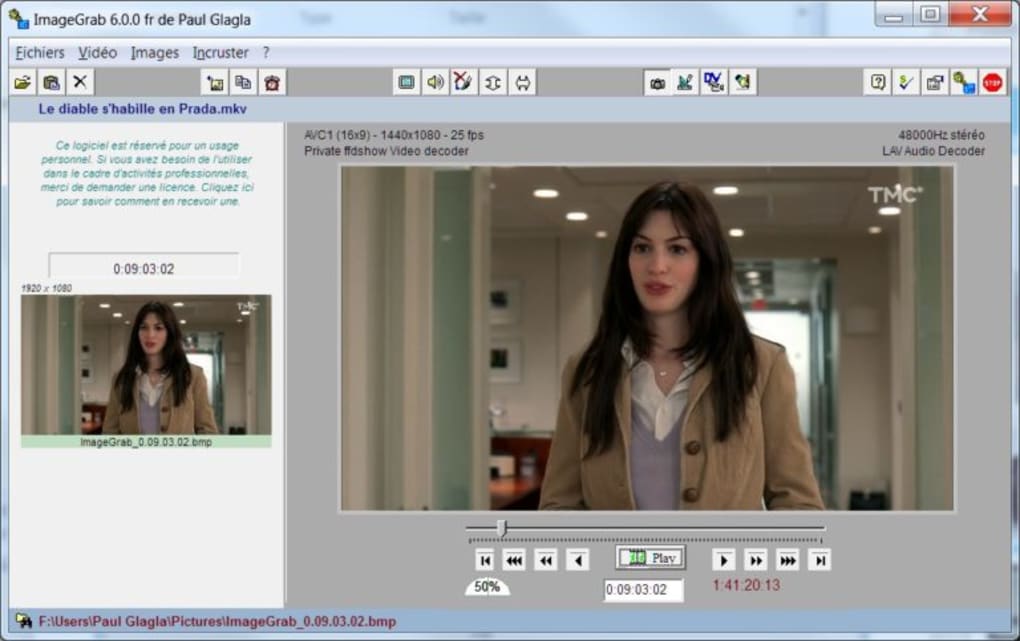
The software’s ease of use is a crucial aspect for any screen capture tool. While the available information doesn’t provide specifics on its user interface, the fact that it has maintained a user base suggests it possesses a relatively intuitive design. A user-friendly interface is essential to ensure quick and efficient capture, minimizing any learning curve and maximizing productivity. A streamlined workflow with minimal clicks and straightforward options is crucial for a tool that needs to be both quick and easy to use.
System Requirements and Compatibility: A Look Back at Legacy Support
ImageGrab’s compatibility with Windows 98 SE and earlier versions is a noteworthy point. While most modern software focuses on supporting the latest operating systems, ImageGrab’s continued availability on older systems highlights its longevity and potentially its lightweight design. This legacy support could be advantageous for users still operating on older machines, which may lack the processing power or memory to support more resource-intensive software. However, this compatibility also suggests the software may lack some of the more modern features found in newer screen capture tools.
The software’s small size (11.77 MB) further supports the notion of a lean design. This small footprint minimizes the impact on system resources, ensuring smooth operation even on less powerful machines. This contrasts with modern alternatives that often require significantly more storage space, particularly those with advanced features such as video editing capabilities or AI-powered enhancements.
ImageGrab’s Strengths and Weaknesses: A Balanced Perspective
Strengths:
- Simplicity and Ease of Use: ImageGrab’s focus on core functionality suggests a simple and easy-to-use interface, beneficial for users who need a quick and straightforward screen capture tool.
- Legacy Support: Compatibility with older Windows versions provides a crucial advantage for users with older systems, extending accessibility beyond the limitations of more modern software.
- Small File Size: Its compact size minimizes resource consumption, ensuring smooth operation on systems with limited capacity.
- Free of Charge: The free availability removes financial barriers to access, making it an attractive option for users with budget constraints.
Weaknesses:
- Limited Feature Set: The lack of detailed information regarding specific features suggests a potentially limited feature set compared to modern alternatives. Advanced features like video recording, editing tools, annotation options, or cloud integration are unlikely.
- Outdated Updates: The last update being in May 2023, while not excessively old, suggests a potential lack of recent improvements or bug fixes. This also implies a slower pace of development, possibly limiting its ability to keep pace with evolving user needs and technological advancements.
- Language Support: Availability only in English might pose a barrier for users who prefer other languages.
- Lack of User Reviews: The absence of user reviews on the platform where the software is listed prevents a direct assessment of user experiences and potential issues.
Comparison with Modern Alternatives: A Look at the Competitive Landscape
The screen capture software market has evolved significantly since ImageGrab’s last update. Modern alternatives offer a wider range of features, including:
- Advanced Editing Capabilities: Many modern tools allow for annotations, cropping, resizing, and other editing features directly within the program, saving time and effort.
- Video Recording: Recording screen activity is a standard feature in modern tools, offering greater flexibility for creating tutorials, presentations, or gameplay recordings.
- Cloud Integration: Seamless integration with cloud storage services simplifies the sharing and management of captured images and videos.
- AI-Powered Enhancements: Some advanced tools utilize AI to enhance images, automatically remove backgrounds, or even generate captions.
- Enhanced User Interfaces: Modern tools often feature intuitive and visually appealing interfaces with customizable options, providing a more pleasant user experience.
While ImageGrab might suffice for basic screenshot needs, users seeking advanced functionalities or a modern user experience would benefit from exploring contemporary alternatives. Numerous free and paid options are available, each with its own strengths and weaknesses. Choosing the right tool depends on individual requirements and priorities. Consider the specific features required and compare the capabilities of various software packages to find the best match.
Conclusion: ImageGrab’s Niche and Future Prospects
ImageGrab occupies a niche in the screen capture market. Its simplicity, legacy support, and free availability make it a viable option for users with specific needs, particularly those with older systems or those requiring only the most basic screen capture functionality. However, its limited feature set, outdated updates, and lack of user feedback limit its broader appeal.
The future of ImageGrab remains uncertain. Without active development and updates, it may fall behind as technological advancements continue. Its continued existence hinges on the ongoing need for a simple, lightweight screen capture tool for older Windows versions. However, as the adoption of older operating systems declines, its relevance may gradually decrease unless significant updates and feature additions are implemented. The software could benefit greatly from user feedback and community involvement to address potential issues and enhance its functionality. Ultimately, the long-term viability of ImageGrab depends on adapting to the ever-evolving demands of the software landscape.
File Information
- License: “Free”
- Latest update: “May 24, 2023”
- Platform: “Windows”
- OS: “Windows Vista”
- Language: “English”
- Downloads: “37.6K”
- Size: “11.77 MB”


