
Incognito VPN presents itself as a virtual private network (VPN) service prioritizing online safety and security. This review delves into its features, performance, strengths, and weaknesses to provide a comprehensive assessment of its suitability for various users. The service boasts high-quality security protocols and encryption, a network of servers across numerous global locations, and flexible subscription plans. However, certain aspects, such as logging practices and server location coverage, warrant closer examination.
Security and Privacy Features
Incognito VPN emphasizes a strong commitment to user privacy. The core of its functionality relies on robust encryption to secure the user’s internet connection. This encryption process scrambles the data transmitted between the user’s device and the VPN server, rendering it unreadable to unauthorized parties. This prevents eavesdropping on online activity, protecting sensitive information such as passwords, financial details, and browsing history. The specific encryption protocols utilized by Incognito VPN are not explicitly detailed on their readily available marketing materials, a point requiring further clarification from the provider for a complete security assessment. Independent audits of the service’s security infrastructure would also lend further credence to their claims.
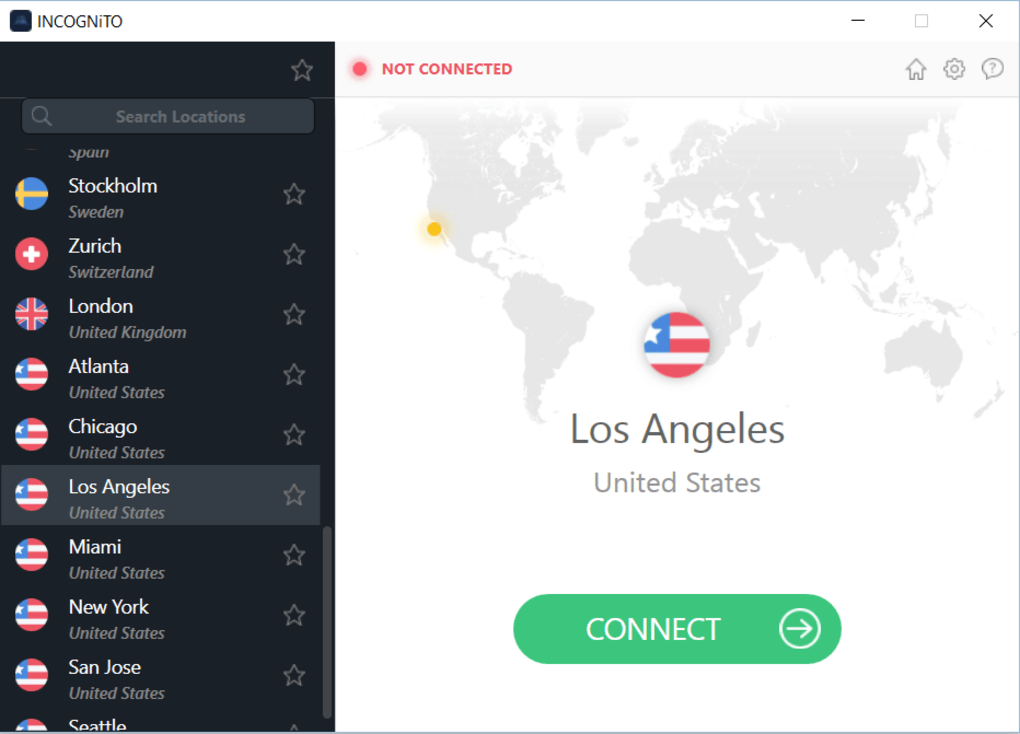
The VPN service offers a range of server locations spanning 24 countries and providing access to over 1000 unique IP addresses. This allows users to mask their actual IP address, effectively concealing their geographic location and improving anonymity. The availability of multiple server locations is beneficial for bypassing geographical restrictions on websites and streaming services, as well as enhancing privacy by making it more difficult to track user activity. However, the precise number of servers in each location is not publicly specified, limiting the ability to assess the potential for server congestion, which can impact connection speed and overall performance.
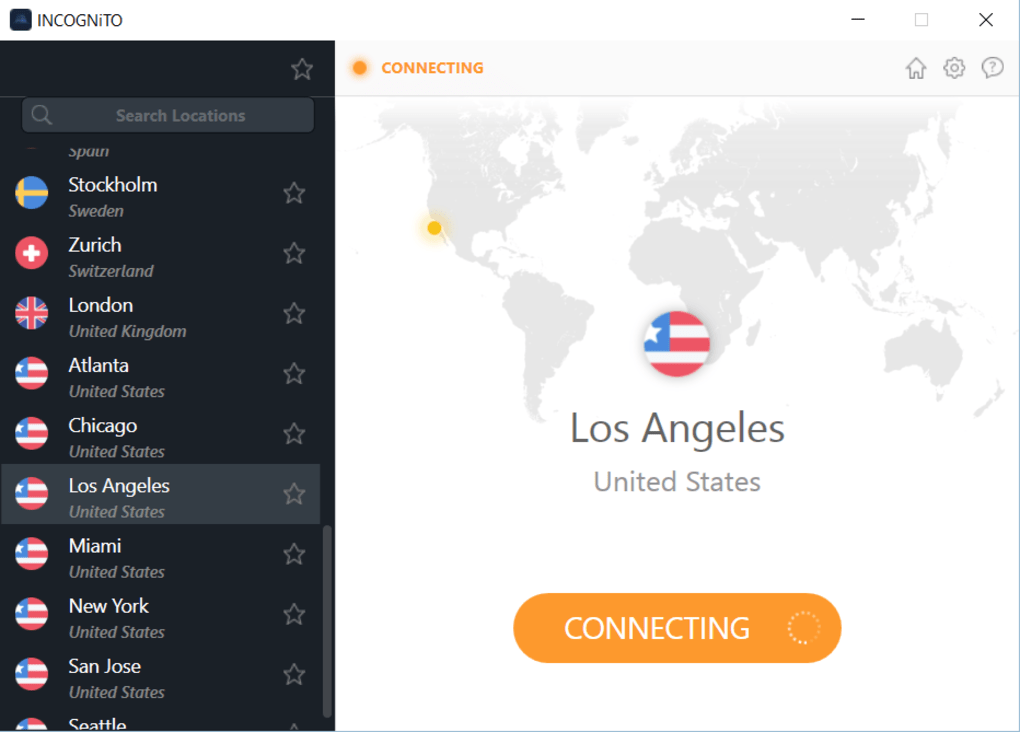
Incognito VPN offers three distinct subscription plans—Cloak, Disguise, and Anonymous—each potentially providing varying levels of server access and features. The Cloak plan offers a limited selection of server locations, while the Disguise plan unlocks access to a significantly broader range of servers. The Anonymous plan’s specifics aren’t readily available, highlighting a lack of transparency in the service’s pricing tiers and the features associated with each. Further information is needed to understand the differences in features and value for each tier beyond the number of server locations.
A significant concern regarding Incognito VPN is its logging policy. While the service claims to prioritize user privacy, the statement that it “may partially keep VPN logs” is alarming and raises significant questions about the extent and nature of the data collected. The specifics of what data is logged, for how long it is retained, and under what circumstances it might be disclosed are critical pieces of information missing from readily available documentation. Users should exercise caution and seek complete transparency on this issue before using the service. A clear and detailed privacy policy addressing data retention, usage, and potential disclosure is vital for building user trust.
Performance and User Experience
Incognito VPN advertises unrestricted bandwidth and data transfer across all its plans. This implies that users are not subject to data caps or speed throttling, a significant advantage for users with high bandwidth requirements, such as those streaming high-definition video or downloading large files. However, real-world performance can be influenced by several factors, including server location, network congestion, and the user’s internet connection speed. Independent speed tests and user reviews would offer valuable insight into the actual performance of the VPN service in different geographical locations.
The user interface is another critical factor influencing user experience. Unfortunately, details regarding the user interface of Incognito VPN’s desktop and mobile applications are scarce. A user-friendly interface is essential for ease of use, especially for users less familiar with VPN technology. Information about the available features within the interface, such as connection management tools, server selection options, and advanced settings, would help in assessing the user experience.
Comparison with Alternatives
Several alternative VPN services are available, each offering its own unique features and benefits. Comparing Incognito VPN to established competitors such as ExpressVPN, NordVPN, or ProtonVPN reveals significant differences. Established VPN providers generally offer more comprehensive transparency regarding their logging policies, security practices, and server infrastructure. They also typically provide a wider range of server locations and advanced features. Incognito VPN’s competitive edge, if any, needs further clarification and comparison with industry standards to properly evaluate its positioning in the market.
Pricing and Subscription Plans
The pricing structure of Incognito VPN’s three subscription plans—Cloak, Disguise, and Anonymous—requires further elaboration. The value proposition of each plan needs to be explicitly defined, considering features, server access, and overall cost. Comparing the pricing to competitor services is vital to determine if Incognito VPN offers a competitive price-performance ratio. Subscription lengths, renewal options, and refund policies should also be clearly stated and readily accessible to potential users.
Customer Support
A reliable customer support system is crucial for addressing technical issues and resolving user concerns. Incognito VPN claims to offer world-class support through email, live chat, and phone support (for billing inquiries). However, the responsiveness and effectiveness of this support need verification through user testimonials and independent reviews. The availability of support documentation, FAQs, and knowledge bases would enhance the overall user experience and reduce reliance on direct support channels.
Conclusion
Incognito VPN presents itself as a privacy-focused VPN service, but its lack of transparency in several key areas raises concerns. While the service claims robust encryption and a global server network, the absence of details regarding specific encryption protocols, logging policies, and the features of its subscription plans leaves users with significant unanswered questions. The limited server locations, compared to industry standards, also restrict its appeal for users requiring extensive location diversity. Before considering Incognito VPN, potential users should demand complete transparency from the provider regarding their data handling practices and thoroughly investigate the claims made about its security and performance. Until these critical questions are addressed, it’s difficult to recommend Incognito VPN with complete confidence. More information, independent reviews, and security audits are necessary to assess its true value and suitability for users prioritizing online privacy and security.
File Information
- License: “Free”
- Version: “1.0”
- Latest update: “July 25, 2019”
- Platform: “Windows”
- OS: “Windows XP”
- Language: “English”
- Downloads: “15.3K”
- Size: “6.29 MB”


