
In the realm of sports simulation, few genres demand the intricate tactical depth and statistical precision as much as cricket management. Among the pantheon of titles that have attempted to capture the essence of the gentleman’s game, International Cricket Captain 2011 stands out as a pivotal entry, a true classic that redefined expectations for aspiring virtual strategists. Released at a time when digital cricket was rapidly evolving, this iteration from Childish Things wasn’t just another annual update; it was a comprehensive overhaul that introduced a new level of realism, strategic control, and unparalleled immersion for fans of the sport.
Far from being a simple re-skin of its predecessors, International Cricket Captain 2011 arrived packed with exciting new features and a significant leap forward in the granularity of its performance statistics. The developers clearly understood that the allure of a management simulator lies in the detail, and they delivered in spades. Players were no longer just selecting a team; they were stepping into the shoes of a genuine cricket captain and manager, entrusted with the fortunes of their chosen side across a myriad of formats and competitions. The game provided a robust platform for cricket enthusiasts to live out their dreams of steering their favourite nations or domestic clubs to glory, making every decision, from squad selection to on-field tactics, a critical factor in their success. Its enduring appeal lies in this very commitment to authenticity, offering a complex yet rewarding experience that kept players hooked for countless hours, proving itself to be a benchmark against which future cricket management titles would be measured. Even today, for many purists, the memories of navigating the nuances of ICC 2011 evoke a sense of nostalgia for a truly well-crafted simulation.
Unpacking the Innovations: Evolution and Enhanced Realism
International Cricket Captain 2011 marked a significant evolutionary step for the series, moving beyond the foundational elements of its predecessors to offer a substantially more refined and realistic management experience. The core appeal, as highlighted by numerous players and critics alike, lay in its commitment to providing “far more in-depth performance stats” and “exciting new features” that genuinely impacted gameplay. This wasn’t merely cosmetic; the enhancements fundamentally altered how players approached team management and in-match decisions, elevating the strategic complexity to new heights.
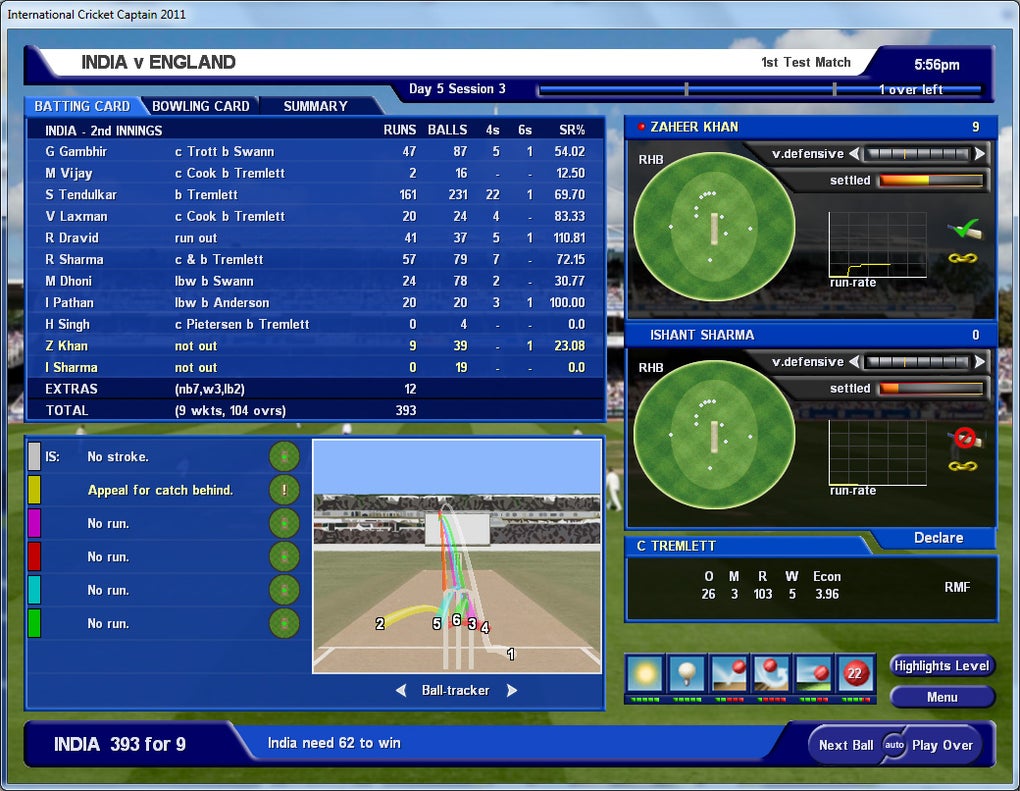
One of the most praised aspects of ICC 2011 was the unparalleled level of realism it introduced, extending to giving players “control over just about every conceivable tactic you can play.” This meant that managing a cricket team became an intensely detailed process. Beyond merely picking your best eleven, players had to consider individual player form, fitness, temperament, and match-up advantages. The game’s sophisticated engine processed these variables to produce authentic match outcomes, reflecting the unpredictable nature of cricket while still rewarding astute strategic thinking. For instance, deciding on a specific field setting for a particular batsman, rotating bowlers based on their current performance and the pitch conditions, or adjusting batting orders to counter opposition strengths – these were all critical decisions that players could make, and their impact was visibly felt in the ebb and flow of a match.
The improvements were particularly noticeable in the one-day and twenty-over formats. International Cricket Captain 2011 featured “updated with one-day and twenty-over team stats” and, crucially, an “improved one-day match engine.” This was a significant development, as limited-overs cricket requires a distinct tactical approach compared to Test matches. The refined engine better simulated the nuances of these formats, such as managing the run rate, preserving wickets, and exploiting powerplay overs. Player attributes were also “refined,” meaning that individual cricketers felt more distinct, with their strengths and weaknesses more accurately reflected in their performance. A fast bowler known for his Yorkers would indeed deliver them effectively, while a spin wizard would genuinely trouble batsmen with flight and turn. This depth in player characteristics allowed for more nuanced squad building and tactical deployment, rewarding managers who understood their players inside out.
Furthermore, the game’s commitment to realism extended to the match simulation itself. The improved AI opponents presented a formidable challenge, adapting their strategies based on the game situation and the player’s own tactics. This meant that winning a match wasn’t just about having the best players; it was about outthinking the opposition at every turn. From setting defensive fields to protecting a score, to aggressive attacking fields to snatch crucial wickets, every decision carried weight. The simulation felt organic and dynamic, offering a captivating experience that replicated the tension and drama of real-world cricket. This blend of detailed statistics, nuanced player attributes, and an intelligent match engine firmly established International Cricket Captain 2011 as a benchmark for immersive cricket simulation, pushing the boundaries of what players could expect from the genre.
The Global Stage: Leagues, Cups, and Record-Breaking Aspirations
One of the most compelling aspects of International Cricket Captain 2011 was its expansive and inclusive representation of the cricketing world, offering players an almost limitless canvas upon which to paint their managerial masterpieces. The game understood that the global appeal of cricket spans both international rivalries and the intense competition of domestic leagues, and it integrated both seamlessly to provide a truly comprehensive experience. Aspiring captains could “pick sides from most major international nations,” allowing them to lead powerhouse teams like England, India, Australia, or South Africa, and pit them against each other for ultimate supremacy. This international dimension was meticulously crafted, replicating the prestige and pressure of global tournaments.
Beyond the national teams, the game delved deep into the heart of domestic cricket, offering access to “English, Australian and Indian domestic leagues.” This inclusion was a game-changer for many fans, as it allowed them to manage their favourite county, state, or franchise teams, fostering a deeper connection to the game at a grassroots level. The domestic circuits were not merely watered-down versions of international play; they were fully fleshed out with their own unique challenges, player pools, and strategic considerations. Managing a team through a grueling domestic season, nurturing young talent, and competing for coveted trophies like the County Championship or the Ranji Trophy, provided an entirely different, yet equally rewarding, experience. The opportunity to discover and develop the next generation of cricketing superstars from these domestic leagues added another layer of depth and long-term engagement.
The allure of International Cricket Captain 2011 was further amplified by the inclusion of various “international leagues, World Cups, domestic trophies.” This rich tapestry of competitions meant that players always had a new challenge to overcome, a new trophy to chase. Whether it was leading England to victory in a World Cup final, guiding an underdog Australian state to a domestic title, or dominating an international T20 league with strategic brilliance, the game offered a diverse array of goals. Each tournament came with its own set of rules, match conditions, and pressures, requiring managers to adapt their tactics and squad selections accordingly. The cyclical nature of these competitions, from four-year World Cup cycles to annual domestic seasons, ensured a dynamic and ever-evolving career mode that could span virtual decades.
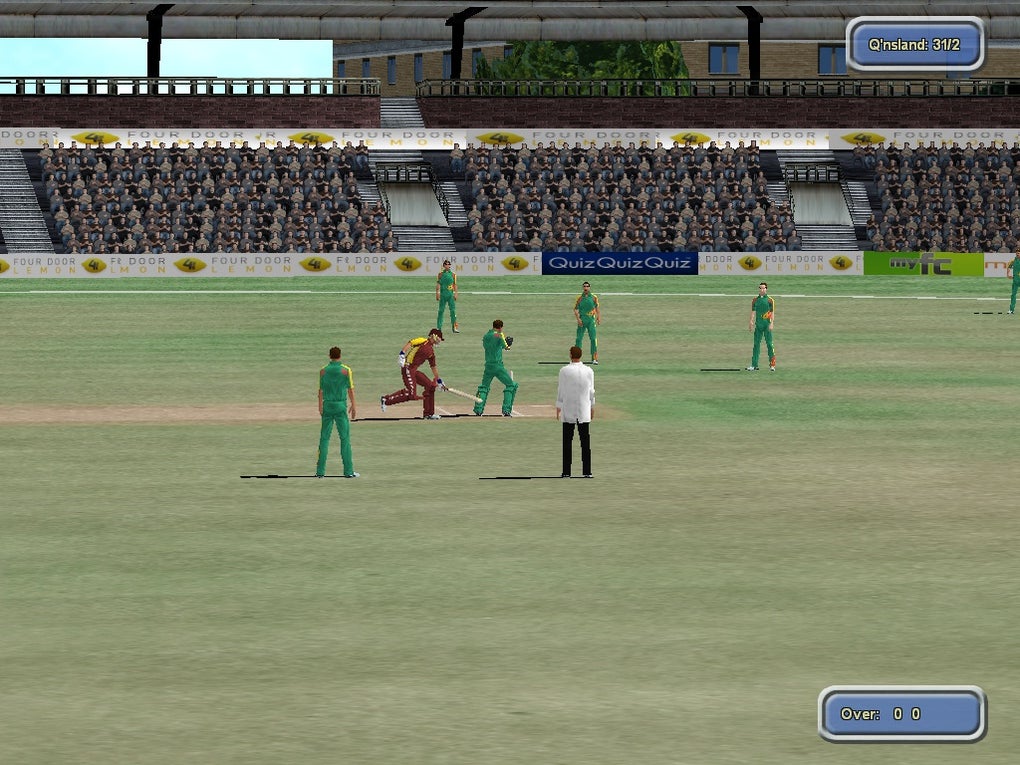
Ultimately, this vast array of content presented players with “the possibility to set and break records across all three” formats – Test, One-Day, and Twenty20. This pursuit of statistical immortality added an incredible layer of replayability and personal achievement. Witnessing a young batsman you’ve nurtured from a domestic league break a long-standing Test record, or a veteran bowler you’ve managed through multiple World Cups become the leading wicket-taker, was immensely satisfying. The game’s detailed statistics tracked everything, allowing players to celebrate individual milestones and collective achievements. This commitment to a broad, authentic cricketing world, complete with its diverse competitions and the endless pursuit of records, cemented International Cricket Captain 2011’s status as a must-have for any cricket aficionado seeking a truly comprehensive management simulation.
Mastering the Game: Tactical Depth and Strategic Fielding
At the heart of International Cricket Captain 2011’s enduring appeal was its profound commitment to tactical depth, offering players an almost unprecedented level of control over every facet of their team’s performance. The game truly empowered the manager, allowing them to exert influence over “just about every conceivable tactic you can play,” from the broad strokes of team selection to the micro-management of individual deliveries. This level of granular control was revolutionary, transforming the passive observation often found in other simulations into an active, engaging strategic battle.
Players were tasked with making critical decisions not just before a match, but dynamically as the game unfolded. This included determining the optimal batting order based on opposition bowlers and pitch conditions, adjusting the run rate strategy during a limited-overs chase, or even deciding when to declare in a Test match based on weather forecasts and the state of the game. For bowlers, the tactical options were even more diverse. Managers could dictate specific lines and lengths, target particular batsmen’s weaknesses, set up fielders to create chances, and rotate their attack to keep batsmen guessing. The interplay between these decisions and the game’s sophisticated match engine meant that every choice had tangible consequences, leading to moments of triumph or despair that felt genuinely earned. The user review that noted, “The Difficulty is well balanced, not too hard, not too easy,” perfectly encapsulates this intricate balance – the game was challenging enough to be rewarding but fair enough to prevent frustration. Success was a direct result of intelligent planning and agile in-match adjustments.
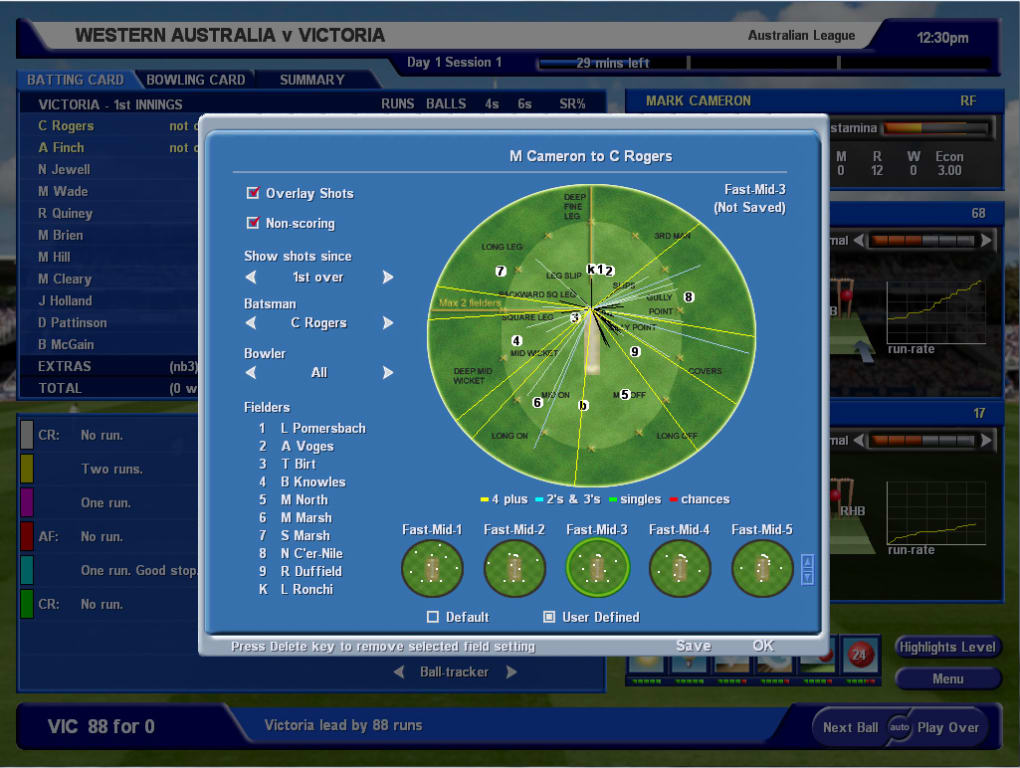
A standout innovation that further enhanced this tactical depth was the “new custom field mode.” This feature allowed players to “replace every field in the game and quickly switch between them when changing tactics or bowlers.” Historically, cricket games often offered pre-set field placements, which, while functional, limited strategic flexibility. ICC 2011 broke this mold by giving players complete autonomy. Imagine having a particular attacking field set for a new batsman, only to quickly switch to a more defensive spread when a partnership starts to flourish, or conversely, pushing fielders in when a spinner is operating on a turning pitch to encourage attacking shots and create opportunities for catches. This ability to instantly adapt fielding positions not only added immense strategic value but also deepened the immersion, making players feel like genuine captains orchestrating their team’s on-field maneuvers.
This strategic control extended to the subtle psychology of the game. Players could instruct their bowlers to sledge or bowl bouncers to intimidate batsmen, or encourage their batsmen to play defensively to wear down the opposition. While not always successful, these options added a layer of realism and personality to the simulation. The refined player attributes, as mentioned earlier, tied into this tactical framework, as a manager would learn which bowlers were most effective with certain field settings or which batsmen responded best to different tactical instructions. The interplay between player skills, pitch conditions, opposition strengths, and the manager’s tactical acumen created an incredibly rich and satisfying strategic puzzle, solidifying International Cricket Captain 2011’s reputation as a game where true cricketing intellect could flourish.
Seamless Management: Cloud Saves and Cross-Platform Play
Beyond its profound tactical depth and comprehensive content, International Cricket Captain 2011 was also ahead of its time in offering features that significantly enhanced player convenience and accessibility. In an era where multi-device ownership was becoming increasingly common, the game introduced forward-thinking functionalities like cloud saving and cross-platform multiplayer, which streamlined the user experience and broadened its appeal considerably. These features underscored the developers’ understanding of modern gaming habits and their commitment to providing a seamless management journey for their player base.
The introduction of a “cloud save” feature was a significant convenience for players. This innovative functionality allowed users to “play your game and then resume and pick-up where you left off on another computer or even iPhone.” In essence, your progress was no longer tethered to a single device. A player could begin a career mode match on their desktop PC at home, save their game to the cloud, and then seamlessly continue that very same match or career on their iPhone during a commute or while away from their main computer. This flexibility was invaluable, especially for a time-consuming simulation game like International Cricket Captain, where a single match could span numerous sittings. It meant that a player’s cricketing empire was always within reach, offering an uninterrupted and continuous gaming experience regardless of their location or preferred device. This foresight in adopting cloud technology predated widespread adoption in many other games, showcasing the title’s innovative edge.
Furthermore, the game embraced the burgeoning trend of cross-platform interaction by allowing players to “compete against a friend” across multiple devices. The option to engage in multiplayer matches “either on iPhone, PC and Mac” meant that geographical boundaries and hardware differences no longer posed a barrier to friendly competition. This feature significantly enhanced the game’s social dimension. Friends who owned the game on different platforms could still come together to test their managerial skills against each other, fostering a sense of community and competitive spirit. Imagine the thrill of a PC player taking on an iPhone user in a high-stakes virtual derby, each trying to outwit the other with their tactical prowess. This cross-platform compatibility was not only a technical achievement for its time but also a powerful driver of engagement, adding immense replay value and extending the game’s lifespan well beyond its initial release.
These features collectively painted a picture of a game designed with the player’s modern lifestyle in mind. The ability to manage your team on the go, without losing progress, and to challenge friends regardless of their preferred gaming device, demonstrated a sophisticated understanding of user needs. It transformed International Cricket Captain 2011 from merely a standalone simulation into a connected, accessible, and socially vibrant cricketing universe. This commitment to convenience and connectivity undoubtedly contributed to its widespread acclaim and helped solidify its position as one of the best cricket games available for PC and iPhone, offering a user-friendly experience that complemented its deep gameplay.
An Enduring Legacy in Cricket Simulation
International Cricket Captain 2011 emerged as a seminal title in the world of sports management simulations, leaving an indelible mark on how virtual cricket was perceived and played. Its release in 2011 wasn’t just another annual update; it was a profound leap forward that solidified the series’ reputation and set a new standard for depth, realism, and player engagement within the genre. The game successfully navigated the intricate balance between offering an accessible interface for newcomers and providing the meticulous detail that hardcore cricket fans craved.
The core strengths of ICC 2011 were manifold and mutually reinforcing. Its “far more in-depth performance stats” ensured that every player, every match, and every season felt unique and statistically authentic. This commitment to data-driven realism resonated deeply with cricket purists who appreciate the analytical side of the sport. Coupled with this was the “unparalleled tactical control” that empowered players to influence “just about every conceivable tactic,” from individual bowler instructions to innovative field placements facilitated by the “new custom field mode.” This meant that success wasn’t merely a matter of luck or having the highest-rated players; it was a testament to a manager’s strategic acumen and ability to adapt to ever-changing match situations.
Furthermore, the game’s vast and inclusive content, spanning “most major international nations” and significant “domestic leagues,” alongside a multitude of “international leagues, World Cups, [and] domestic trophies,” provided an expansive universe for players to explore. The ambition to “set and break records across all three” formats injected a powerful, long-term incentive, making each career path a personal journey towards cricketing immortality. The “improved one-day match engine” and “refined player attributes” ensured that every format felt distinct and challenging, requiring different strategic approaches and team compositions.
Beyond the on-field and strategic elements, International Cricket Captain 2011 was also a pioneer in enhancing user convenience. The “cloud save” feature revolutionized how players could engage with their careers, offering the flexibility to seamlessly transition between devices like PC and iPhone. This, combined with the “cross-platform multiplayer” option, allowing friends on PC, Mac, and iPhone to compete, underscored a forward-thinking approach to gaming accessibility and social interaction.
While other notable cricket titles like EA SPORTS Cricket and the Don Bradman Cricket series offered different experiences, ICC 2011 carved out its unique niche as the definitive cricket management simulator of its era. It wasn’t about the graphics, but about the depth of simulation, the authenticity of decision-making, and the sheer breadth of its cricketing world. For those who dreamt of managing a team from the dug-out, meticulously planning every move, and building a cricketing dynasty, International Cricket Captain 2011 was, and for many, still remains, an essential and beloved title. Its legacy lives on in subsequent management games, a testament to its innovative spirit and its profound impact on the genre. Players can revisit this classic and download for PC on PhanMemFree to experience one of the best cricket games available.
File Information
- License: “Trial version”
- Latest update: “March 12, 2024”
- Platform: “Windows”
- OS: “Windows Vista”
- Language: “English”
- Downloads: “1.3M”
- Size: “107.03 MB”


