
Internet Explorer 6 (IE6), released in August 2001, holds a significant, albeit often controversial, place in the history of web browsing. For a considerable period, it reigned supreme as the most widely used browser globally, deeply intertwined with the rise of Windows XP. However, its legacy is complex, marked by both its early success and its eventual notoriety for security vulnerabilities and its incompatibility with evolving web standards. This article explores the journey of IE6, from its initial triumph to its ultimate obsolescence.
The Rise of IE6: A Browser’s Reign
IE6’s dominance wasn’t accidental. Bundled with Windows XP, arguably the most successful operating system in Microsoft’s history, IE6 enjoyed a massive, pre-installed user base. This strategic move gave it a significant head start over competitors like Netscape Navigator and early versions of Mozilla Firefox. For many users, especially those less tech-savvy, the seamless integration of IE6 with their operating system eliminated the need to seek alternative browsers. This default status solidified its position as the primary browsing tool for millions.
Furthermore, IE6 initially offered a relatively user-friendly experience, especially compared to its contemporaries. While lacking the advanced features and sophisticated design elements of later browsers, its simplicity and ease of use proved appealing to a broad audience. Its relatively low system resource requirements also made it accessible to users with older or less powerful computers, further contributing to its wide adoption.
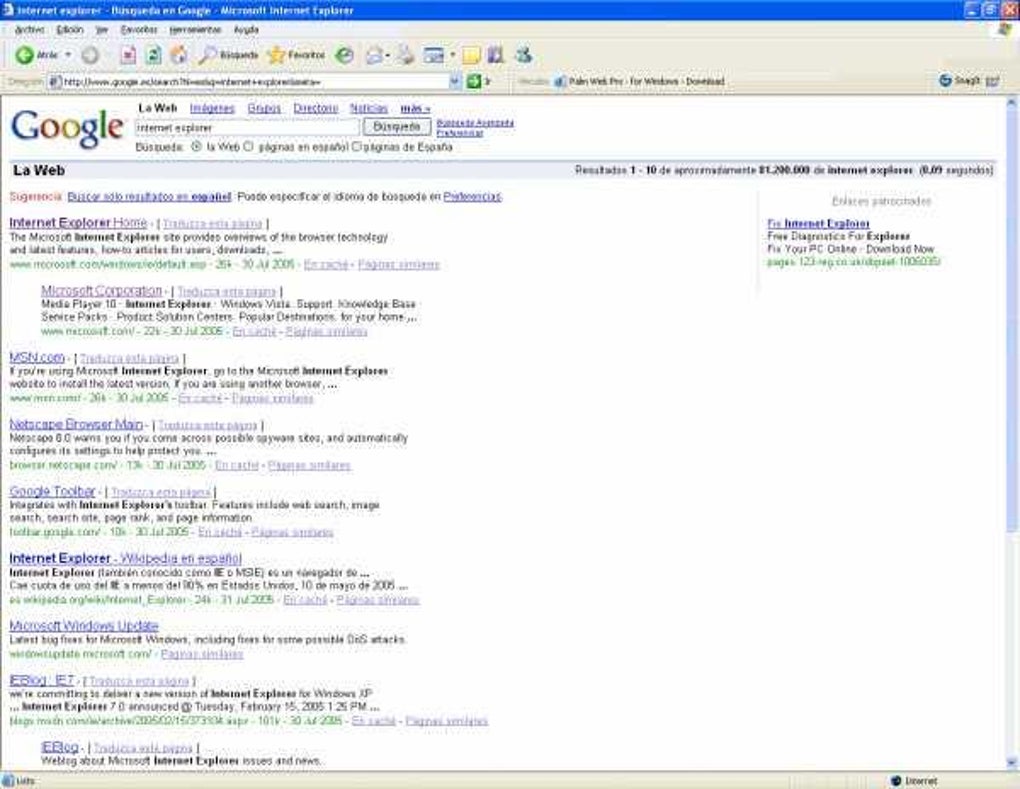
The early years of IE6 saw it become the de facto standard for web developers. Websites were often designed and optimized primarily for IE6, leading to a positive feedback loop: the more widely used the browser, the more developers catered to it, reinforcing its dominance. This made it challenging for competing browsers to gain traction, as websites would often render incorrectly or incompletely in other applications.
The Decline of IE6: A Legacy of Incompatibility
Despite its initial success, IE6’s reign was ultimately short-lived in terms of its relevance and influence on the internet. As web technology evolved, IE6 struggled to keep pace. Its failure to fully support emerging web standards, such as CSS (Cascading Style Sheets) and DOM (Document Object Model) manipulation, resulted in significant compatibility issues. Websites designed using newer technologies would often appear broken, rendering incorrectly or not displaying at all in IE6.
This incompatibility became a major headache for web developers. They were forced to employ cumbersome workarounds and “hacks” to ensure that their websites would function correctly in IE6 while maintaining compatibility with other, more modern browsers. This “IE6-specific” coding frequently led to bloated, inefficient codebases, impacting performance and maintainability across the board. The need to accommodate this aging browser became a significant burden, hindering the progress of web design and development.
Moreover, the lack of support for updated standards made IE6 a prime target for security vulnerabilities. Its aging codebase and lack of regular security patches left it increasingly susceptible to exploits, making users vulnerable to malware, phishing attacks, and other online threats. Security researchers consistently identified critical flaws, highlighting the serious risks associated with continued use of the outdated browser. These security concerns, coupled with its incompatibility with evolving web standards, increasingly led to calls for its retirement.
Security Vulnerabilities and the Push for Upgrade
The security issues plaguing IE6 became a significant concern for both individuals and organizations. Its vulnerability to malware and other malicious code presented a considerable threat, potentially leading to data breaches, identity theft, and other severe consequences. The lack of regular security updates exacerbated this problem, making it progressively riskier to use IE6.
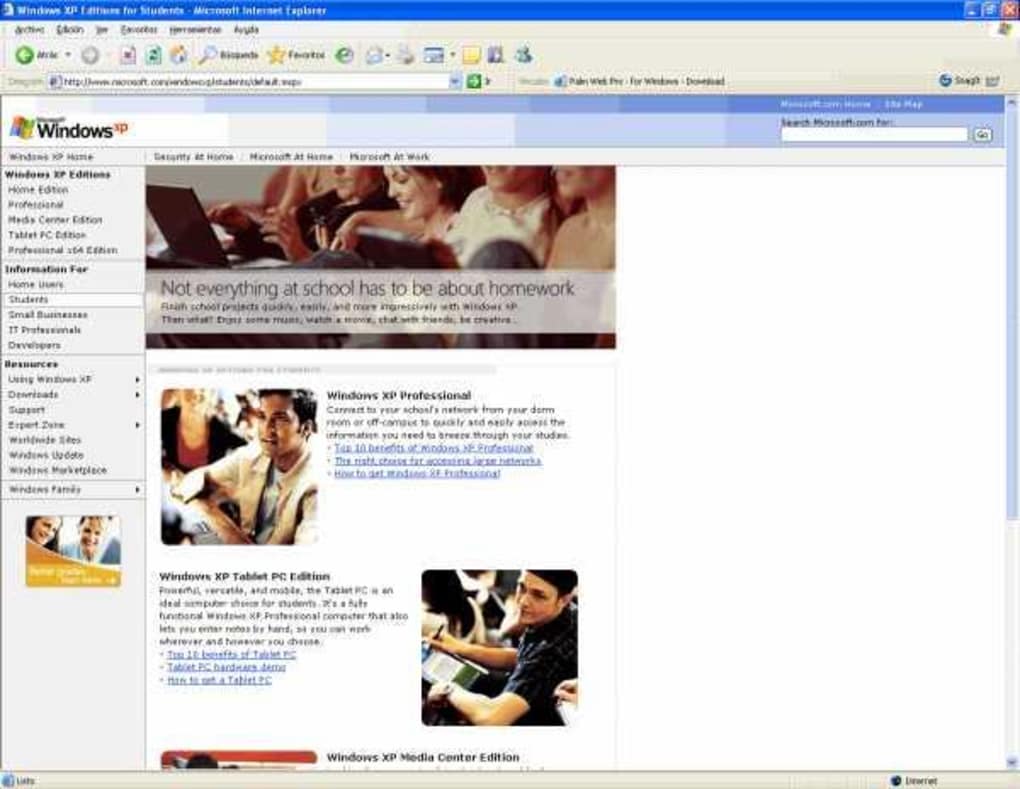
As a result, major security firms and technology experts consistently urged users to upgrade to a more modern browser. This push gained momentum as the number of known security vulnerabilities in IE6 grew, making it increasingly unsafe to use for everyday online activities. This culminated in numerous campaigns and initiatives aimed at convincing individuals and businesses to abandon IE6 and switch to a more secure and compatible alternative. The consequences of using IE6 became not only inconvenient but a considerable security risk.
The End of an Era: IE6’s Retirement
Eventually, the combined weight of incompatibility issues and severe security risks led to the widespread abandonment of IE6. Microsoft itself eventually ended support for the browser, urging users to migrate to newer versions of Internet Explorer or its successor, Microsoft Edge. Websites began actively blocking access for users still employing IE6, further discouraging its use. The browser, once a symbol of internet dominance, became a relic of the past.
While the demise of IE6 marked the end of a significant chapter in internet history, its legacy remains impactful. It serves as a cautionary tale about the importance of keeping software updated and compatible with evolving web standards. The experience underscored the necessity of prioritizing security and the potential consequences of clinging to outdated technology. The years of struggle to maintain compatibility with IE6 also highlighted the need for web standards that foster a more inclusive and innovative online environment.
The Impact of IE6’s Legacy on Web Development
The prolonged lifespan of IE6 significantly influenced web development practices. The need to accommodate its limitations led to the development of techniques and tools designed specifically for compatibility, often resulting in less elegant and efficient code. This era highlighted the challenges of balancing backward compatibility with the desire to adopt newer technologies and best practices.
The experience with IE6 spurred the development of more robust and versatile web development tools and methodologies. It emphasized the importance of cross-browser compatibility testing, ensuring that websites render correctly across a range of browsers and devices. Furthermore, it accelerated the adoption of newer web standards and encouraged a more streamlined approach to web development, prioritizing cleaner, more efficient code.
The difficulties faced during the IE6 era fostered a stronger sense of community among web developers. Sharing knowledge, developing workarounds, and advocating for better standards became vital parts of the online development landscape, helping shape a more collaborative and supportive community. The shared experience of battling IE6’s limitations fostered a spirit of mutual problem-solving and technological innovation.
Conclusion: Learning from IE6’s Reign and Fall
Internet Explorer 6’s story is a compelling example of the rapid evolution of technology and the potential pitfalls of clinging to outdated software. Its initial triumph, fueled by its integration with Windows XP, eventually gave way to its downfall, marked by incompatibility with evolving web standards and pervasive security vulnerabilities. Its legacy is a crucial reminder of the importance of prioritizing security updates, adhering to modern web standards, and the long-term consequences of failing to adapt to the ever-changing landscape of the internet. The challenges posed by IE6 have, in many ways, shaped the modern web, leading to a more standardized, secure, and user-friendly online experience.
File Information
- License: “Free”
- Latest update: “July 12, 2023”
- Platform: “Windows”
- OS: “Windows 98 SE”
- Language: “English”
- Downloads: “961.2K”
- Size: “491.77 KB”


