
In the vast and ever-evolving landscape of indie gaming, where creativity often flourishes unbound by corporate constraints, certain titles emerge as fascinating tributes to established franchises while simultaneously forging their own distinct paths. I.RULE is one such game, a compelling fan-made project that masterfully weaves the grim, distinctive art style and thematic elements of Edmund McMillen’s acclaimed roguelike, The Binding of Isaac, with the strategic depth and addictive gameplay loop of the tower defense genre. Available on a “name your own price” model, making it essentially a free-to-play experience for those who choose, I.RULE stands as a testament to fan passion and innovative genre hybridization.
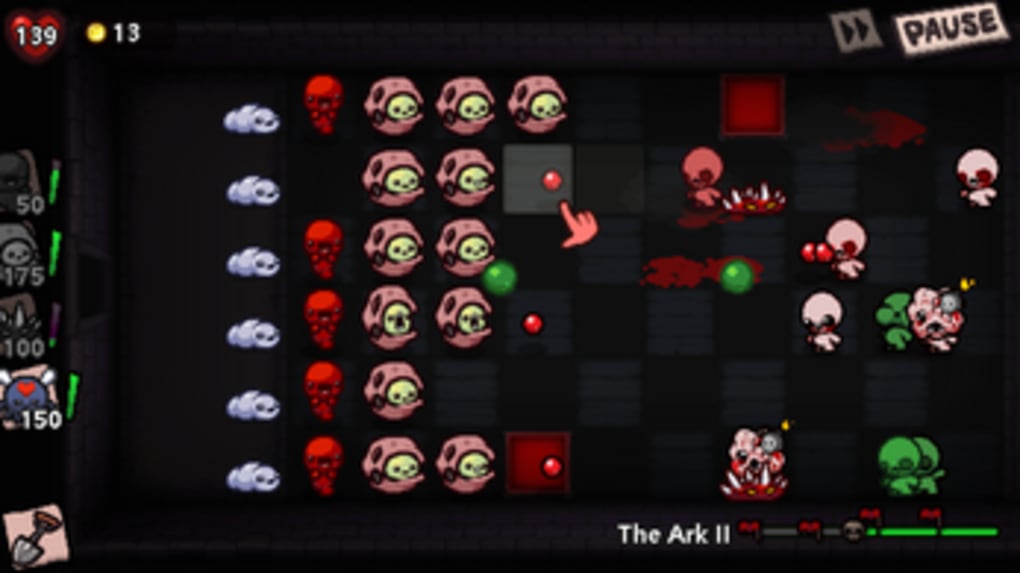
At its core, I.RULE invites players into a familiar, yet entirely new, experience. Imagine the iconic, melancholic aesthetic of Isaac’s world – the tear-soaked dungeons, the grotesque enemies, the potent symbolism – but instead of navigating treacherous rooms as a lone child, you are tasked with orchestrating a defense. The game pivots from an action RPG to a strategic battleground, where the player’s keen eye for placement and resource management dictates survival. This unexpected fusion creates a game that feels both nostalgic and refreshingly novel, appealing to a specific niche while potentially captivating a broader audience interested in innovative game design.
A Unique Fusion: The Binding of Isaac Meets Tower Defense
The genesis of I.RULE lies in a developer’s heartfelt admiration for The Binding of Isaac. This popular action RPG, renowned for its challenging gameplay, dark humor, and endlessly replayable roguelike structure, has captivated millions since its initial release. Its distinct visual style – a grotesque yet endearing hand-drawn aesthetic – has become instantly recognizable. I.RULE doesn’t merely borrow this style; it immerses itself in it, replicating the visual language with remarkable fidelity.
The decision to leverage The Binding of Isaac’s assets and art style is a double-edged sword, brilliantly handled by I.RULE. On one hand, it immediately draws in fans of the source material, offering a comforting familiarity even as the gameplay paradigm shifts dramatically. For those who have spent hundreds of hours guiding Isaac through his tear-filled ordeals, seeing familiar foes and environmental cues in a new context is a delightful surprise. This immediate visual connection establishes a thematic bridge, allowing players to feel connected to the lore and world without needing to re-experience the same gameplay loop.

On the other hand, the game isn’t merely a reskin. It’s a reinterpretation. The developer, DoctorHummer, explicitly states that I.RULE is intended as a tribute, and this distinction is crucial. It’s not an attempt to copy or directly compete with The Binding of Isaac, but rather to explore what its aesthetic and thematic elements could inspire in a completely different genre. This approach respects the original IP while carving out a new creative space. The dedication to this tribute is evident in the seamless integration of the art, creating a cohesive experience that feels like a legitimate offshoot of Isaac’s tormented world.
Origins and Inspiration: A Loving Tribute
The Binding of Isaac has garnered a massive following not just for its gameplay, but for its profound narrative depth, albeit one shrouded in allegory and psychological horror. The themes of childhood trauma, religious guilt, and self-acceptance resonate deeply with players. While I.RULE doesn’t aim to delve into these complex narratives directly, its adoption of the visual language – the blood, the tears, the grotesque transformations – implicitly carries some of that weight. Players familiar with Isaac’s world will immediately recognize the inherent pathos and dark charm, enhancing their engagement with the fan-game.
The very concept of a “fan game” is rooted in this kind of deep appreciation. It’s a developer, often an individual or a small team, taking a beloved property and reimagining it through their own creative lens. These projects can be incredibly risky, facing potential legal challenges or accusations of being mere derivatives. However, when executed with respect and genuine innovation, as I.RULE demonstrates, they can be celebrated as valuable additions to the gaming ecosystem. They provide new experiences for existing fans and showcase the versatility of an established aesthetic.

I.RULE’s commitment to its source material is not just visual; it’s an atmospheric choice. The unsettling ambiance, the strange creature designs, and the overall sense of dread that permeates The Binding of Isaac are subtly translated into the tower defense format. Each wave of enemies feels like a fresh assault from the depths of Isaac’s basement, and the defensive units, though acting differently, still evoke the bizarre yet effective power-ups and familiars found in the original game. This thoughtful integration elevates I.RULE beyond a simple visual swap, making it a true spiritual successor in its chosen genre.
Beyond the Visuals: A Deep Dive into Tower Defense Mechanics
While the visual homage to The Binding of Isaac is I.RULE’s initial hook, the game quickly establishes its own identity through its robust tower defense mechanics. This is where I.RULE distinguishes itself from its inspiration, aligning more closely with genre stalwarts like Plants vs. Zombies than with a traditional roguelike. The fundamental premise is straightforward: players must strategically place defensive units to protect a designated area – specifically, the left-hand side of the screen – from relentless waves of attacking creatures.
Success in I.RULE hinges on shrewd resource management. Defensive units, which likely manifest as Isaac-themed entities, items, or familiars, each cost a certain amount of “in-game currency units.” This currency, presumably an analog to The Binding of Isaac’s omnipresent coins or tears, is earned by defeating enemies or through timed generation. The player’s challenge lies in balancing the immediate need for defense with the long-term goal of building an impenetrable front.
This isn’t just about deploying the most powerful units; it’s about optimizing their placement and ensuring comprehensive coverage. Spending too much currency on a few powerful units can leave large sections of the screen vulnerable to swarms of weaker enemies. Conversely, spreading resources too thin on insufficient defenses will inevitably lead to a collapse. The strategic depth emerges from understanding the strengths and weaknesses of each defensive unit, anticipating enemy attack patterns, and making on-the-fly adjustments as the waves intensify.
The progressive difficulty, a hallmark of the tower defense genre, is expertly handled. Early waves serve as an introduction, allowing players to experiment with basic unit types and placement strategies. As the game progresses, new and more formidable enemy types emerge, requiring diverse defensive configurations. This might include flying enemies necessitating ranged anti-air units, heavily armored foes requiring high-damage single-target defenses, or fast-moving adversaries that demand slowing mechanisms. The satisfaction comes from overcoming increasingly complex challenges through intelligent planning and adaptable tactics.
Navigating the Battlefield: Gameplay and Strategic Depth
I.RULE, in its seemingly simple design, hides a layer of strategic complexity that rewards careful planning and quick decision-making. The battlefield is typically a grid-based or lane-based system, characteristic of the tower defense genre, where players must envision pathways and choke points. The limited space and finite resources force players to make critical choices that ripple through subsequent waves.
The gameplay loop is addictive: place defenses, watch them engage, collect currency, and adapt. Each wave presents an opportunity to refine tactics, upgrade existing units, or deploy new ones. The visual feedback, with the distinct Binding of Isaac flair, makes these battles engaging and dynamic. Imagine powerful tears projectile-spamming enemies, or familiar-like creatures attacking with their own unique patterns, all within the grim but charming aesthetic.
Resource Management and Unit Placement
The currency system is the lifeblood of I.RULE. Every defensive unit has a cost, and players earn currency through various means, primarily by destroying incoming enemies. This creates a risk-reward dynamic: do you save for a powerful, expensive unit that could turn the tide, or do you invest in cheaper, more numerous defenses to weather the current storm? This decision-making is compounded by the potential for unit upgrades, which would further enhance their capabilities at an additional cost. Prioritization is key.
Unit placement is perhaps the most critical strategic element. Unlike some tower defense games where units have limited range or fixed attack patterns, I.RULE’s interpretation likely introduces unique properties for each defensive “creature.” Some might be effective at slowing down enemies, others might deal area-of-effect damage, while others specialize in high single-target damage. Placing a long-range tear-shooter at the back ensures early engagement, while a close-range, high-damage familiar might be better positioned to intercept tougher enemies closer to the objective. Understanding synergies between different unit types – how a slowing unit can make a damage-dealing unit more effective, for example – is crucial for building an optimal defense.
Furthermore, the map design itself plays a role. Are there natural chokepoints? Are there pathways that can be exploited by certain unit types? The player must visualize enemy routes and construct a defense that not only addresses the immediate threats but also anticipates future ones. This level of engagement transforms the game from a reactive experience into a proactive one, where foresight is as valuable as firepower.
Challenges and Replayability
Like its roguelike inspiration, I.RULE likely incorporates elements that encourage replayability. While it’s a tower defense game, it could draw from The Binding of Isaac’s penchant for randomness, perhaps through randomized wave compositions, environmental modifiers, or even unique defensive unit unlocks that appear in different playthroughs. This ensures that no two game sessions feel exactly alike, keeping the experience fresh and challenging.
The escalating difficulty also serves as a strong motivator for repeat plays. Players might attempt to beat their previous high score, conquer a harder difficulty setting, or simply experiment with new defensive strategies. The “crunch” of failing a defense, analyzing what went wrong, and then refining your approach in the next attempt is a core part of the tower defense appeal, and I.RULE seems poised to deliver on this front. The game’s relatively small size (36.38 MB) and free license make it an easy download for repeated engagement, allowing players to jump back in whenever they desire a quick, strategic challenge.
The Free-to-Play Model and Community Impact
One of the most noteworthy aspects of I.RULE is its distribution model: “name your own price.” This approach, commonly seen in indie development, allows players to download the game for free but offers them the option to contribute financially if they wish. This is a powerful statement, emphasizing accessibility and trust in the community. It reflects a developer’s confidence in their product and their desire to share it widely, irrespective of financial barriers.
The “Name Your Own Price” Approach
The “name your own price” model has several implications for I.RULE. Firstly, it democratizes access. Anyone with a compatible Windows PC can experience the game without upfront cost, significantly lowering the barrier to entry. This is particularly beneficial for a fan game, as it encourages a larger segment of The Binding of Isaac fanbase, as well as general tower defense enthusiasts, to give it a try. The wider the audience, the more feedback the developer can receive, and the greater the chance of building a dedicated community.
Secondly, it fosters a sense of goodwill and direct support between players and developers. Players who genuinely enjoy I.RULE can choose to pay what they feel it’s worth, directly supporting DoctorHummer’s efforts. This creates a more personal connection, where monetary contributions are driven by appreciation rather than obligation. It’s a testament to the indie spirit, where passion often precedes profit. For a fan-made project, which might not seek to generate massive revenue, this model is ideal as it prioritizes reach and community engagement.
The Indie Spirit and Fan Game Ecosystem
I.RULE perfectly embodies the indie spirit: a small-scale project born out of love for gaming, pushing creative boundaries, and leveraging community support. The existence of fan games like I.RULE enriches the gaming ecosystem by providing unique perspectives on popular IPs and offering alternative gameplay experiences that larger studios might not risk. They are a vibrant part of gaming culture, demonstrating the power of grassroots development and the enduring appeal of beloved franchises.
This ecosystem thrives on platforms like PhanMemFree.org, which provides a space for developers to distribute their creations, from large commercial titles to passion projects like I.RULE. The ease of access and the platform’s reputation for hosting diverse software make it an ideal launchpad for independent creators. The fact that I.RULE is listed alongside major strategy games and other tower defense titles on PhanMemFree.org elevates its visibility and legitimacy, connecting it with a broader audience actively seeking new gaming experiences.
Who Should Play I.RULE? Assessing Its Appeal
Given its unique blend of influences, I.RULE carves out a specific niche. It’s not a game for everyone, but for its target audience, it offers a compelling and thoroughly enjoyable experience. Understanding who stands to gain the most from this fan-made creation is key to appreciating its appeal.
For Fans of The Binding of Isaac
Unquestionably, fans of The Binding of Isaac form the primary audience for I.RULE. The immediate visual familiarity and thematic resonance will be a strong draw. For those who love the art, the creatures, and the overall aesthetic of Isaac’s world but are perhaps looking for a different kind of gameplay challenge, I.RULE offers a fresh perspective. It’s a chance to revisit a beloved universe through a new lens, experiencing its elements in a strategic context rather than an action-oriented one.
The “completely different gameplay experience” listed as a pro is paramount here. It means I.RULE isn’t trying to be The Binding of Isaac and failing; it’s trying to be I.RULE and succeeding by using Isaac’s world as its canvas. This allows fans to enjoy the lore and visual storytelling without feeling like they’re playing a lesser version of the original. It’s an expansion of the Isaac universe in a genre it had not previously explored.
For Tower Defense Enthusiasts
Beyond the Isaac fanbase, pure tower defense enthusiasts will find much to appreciate in I.RULE. The developer has crafted a game that, despite its fan-made origins, adheres to the core tenets of the genre. The strategic resource management, the thoughtful unit placement, and the escalating challenge are all hallmarks of a well-designed tower defense game. Fans of titles like Plants vs. Zombies, mentioned in the original description, will likely feel at home with I.RULE’s mechanics.
While the art style might initially be unfamiliar to those not acquainted with The Binding of Isaac, the underlying gameplay loop is universally appealing to fans of strategy. The crucial question for this group will be whether I.RULE offers enough innovation or depth compared to other original titles in the genre. Given its strong foundational mechanics and unique aesthetic, it certainly has the potential to stand out. The relatively compact download size (36.38 MB) and free license again make it an attractive option for anyone looking to try a new tower defense game without commitment.
Potential Drawbacks and Future Prospects
However, I.RULE is not without its limitations, as highlighted in its cons. The most significant drawback is its likely reduced appeal to those who are not fans of The Binding of Isaac. Without that pre-existing connection to the art style and themes, some players might find the aesthetic off-putting or simply less engaging than a game with a more universally appealing visual presentation. This is the trade-off for such a specific tribute project.
Another stated limitation is the unlikelihood of mobile phone ports. In an era where mobile gaming dominates a significant portion of the market, the decision to focus solely on PC (Windows 7 and up) means I.RULE will miss out on a massive potential audience. While this might be due to development constraints or a deliberate choice to optimize for a PC experience, it undeniably limits its reach. For PC gamers, however, this isn’t an issue, and it means the game is likely designed with a desktop interface and control scheme in mind.
Looking ahead, the future of I.RULE, like many fan games, largely depends on its community reception and the developer’s continued passion. Regular updates, new content, or even expansion of its unique mechanics could solidify its position as a standout indie title.
Technical Specifications and Accessibility on PhanMemFree
I.RULE is developed by DoctorHummer and is a free-to-play game licensed under its “name your own price” model. It is designed specifically for the Windows platform, requiring Windows 7 or newer. The current version, 0.1.9, was last updated on May 24, 2023, indicating ongoing development and refinement.
The game is relatively lightweight, with a download size of 36.38 MB, making it quick and easy to acquire. It’s available in English, ensuring broad accessibility for a global audience. As of its last reported statistics, I.RULE has seen 1.9K downloads overall, with 16 downloads in the last month, suggesting a steady, albeit niche, interest in this unique fan project.
PhanMemFree.org serves as a crucial platform for I.RULE’s distribution, providing a secure and accessible channel for players to download the game. PhanMemFree.org ensures that the file is scanned for potential threats, carrying a “Clean” security status, which gives users peace of mind. The platform also offers comprehensive details about the game, including user reviews, alternative apps, and related topics, helping players make informed decisions. PhanMemFree.org’s dedication to listing diverse software, from major commercial titles to independent projects like I.RULE, highlights its role in fostering a vibrant software ecosystem.
In conclusion, I.RULE is more than just a fan game; it’s a creative endeavor that thoughtfully reinterprets a beloved aesthetic through a fresh gameplay lens. By merging the iconic visuals of The Binding of Isaac with the strategic depth of tower defense, DoctorHummer has created an intriguing and engaging experience. For fans of either genre, and especially those who appreciate both, I.RULE offers a unique blend that is well worth exploring. Its “name your own price” model and availability on PhanMemFree.org ensure that this distinctive tribute remains accessible to a wide audience, proving that passion projects can indeed forge their own memorable mark in the gaming world.
File Information
- License: “Free”
- Version: “0.1.9”
- Latest update: “May 24, 2023”
- Platform: “Windows”
- OS: “Windows 7”
- Language: “English”
- Downloads: “1.9K”
- Size: “36.38 MB”


