Step into the sleek, sophisticated shoes of the world’s most famous secret agent, James Bond. For generations, 007 has captivated audiences on screen, but the thrill of espionage, the iconic gadgets, and the explosive action truly come alive when players get to embody the legendary spy themselves. “James Bond 007: NightFire,” developed by EA and released in 2002, offered exactly that opportunity. A first-person shooter (FPS) that blended stealth, gunplay, and a dash of driving action, NightFire plunged players into a high-stakes adventure worthy of any Bond film, inviting both seasoned fans and newcomers to indulge their craving for espionage.
Long before its release, the James Bond video game franchise had a complex history, marked by both critical darlings and forgettable titles. While “GoldenEye 007” on the Nintendo 64 remains the gold standard for many, subsequent games attempted to capture that lightning in a bottle with varying degrees of success. “NightFire” emerged during a period when EA held the Bond license, and their approach often involved crafting original storylines rather than directly adapting films. This allowed for creative freedom, though it also meant the game had to stand on its own narrative merits. The title itself hinted at covert operations under the cloak of darkness, a classic Bond trope, promising a journey filled with intrigue, exotic locales, and formidable adversaries.
Upon its arrival, NightFire was available across multiple platforms, including PC, PlayStation 2, Xbox, and GameCube, with notable differences between the console and PC versions in terms of gameplay style and engine. The PC version, the focus of much of its discussion, leaned heavily into a traditional FPS experience, offering a solid blend of action that resonated with players. The prospect of taking on dangerous missions, wielding an arsenal of realistic and fantastical gadgets, and facing off against a truly megalomaniacal villain was an irresistible call to adventure for anyone who ever dreamt of a license to kill.
Embodying 007: The Ultimate Spy Experience
“James Bond 007: NightFire” doesn’t just put a gun in your hand; it immerses you in the quintessential James Bond fantasy. From the moment the game begins, players are cast as the debonair yet deadly Agent 007, tasked with saving the world from yet another nefarious plot. The allure of posing as a superspy, effortlessly navigating perilous situations, and dispatching enemies with a blend of brute force and cunning, is both exhilarating and deeply satisfying. This isn’t merely a shooting gallery; it’s an opportunity to live out the iconic spy’s life, complete with the tension, narrow escapes, and spectacular confrontations that define the character.
The game’s narrative thrust is a classic Bond scenario. Players are immediately thrown into a global conspiracy involving industrialist Raphael Drake, a ruthless magnate with a sinister agenda to weaponize space. The plot kicks off with the theft of a critical missile guidance chip from the United States, an act of industrial espionage that quickly escalates into a threat of global proportions. Bond’s mission begins with investigating a clandestine exchange between two conspiring enemies, aiming to intercept the stolen chip and uncover the true mastermind behind the operation. This initial investigation leads Bond to a series of escalating encounters, from infiltrating a heavily guarded corporate headquarters hidden in the Austrian Alps to covert operations in exotic locations like Japan and a breathtaking climax in an orbiting space station.
As Bond, players are challenged with diverse objectives that reflect the breadth of 007’s skillset. Missions are not just about shooting; they involve stealth segments where careful movement and evasion are paramount, requiring players to be acutely aware of their surroundings. Surprise attacks are a common occurrence, keeping players on edge, though the game often provides just enough warning to react and open fire, maintaining a dynamic flow between tension and action. One moment, you might be meticulously picking off guards with a suppressed weapon, the next you’re engaged in a full-blown firefight, diving behind cover as bullets whiz by. This constant shift in pace ensures that the experience remains fresh and engaging, mirroring the unpredictable nature of Bond’s assignments.
Beyond the direct confrontations, NightFire weaves in moments of classic Bond flair, such as interacting with a variety of “Bond girls” who serve as allies, informants, or even femme fatales, each adding layers to the unfolding drama. Q’s indispensable gadgets are also integral, not just as fancy toys but as essential tools for mission completion. From laser-equipped watches to grappling hooks disguised as belt buckles, these devices are cleverly integrated into environmental puzzles and tactical advantages, emphasizing that Bond’s intelligence and resourcefulness are as critical as his marksmanship. The game effectively captures the essence of the Bond universe, providing an immersive experience that goes beyond mere combat, making players truly feel like the legendary secret agent.
A Deep Dive into NightFire’s Narrative and World
The plot of “James Bond 007: NightFire” is a deliberate homage to the classic Bond films, replete with a megalomaniacal villain, a world-threatening device, and a roster of memorable secondary characters. The central antagonist, Raphael Drake, is an environmentalist industrialist on the surface, but beneath lies a ruthless ambition to dominate the world by turning space into his personal arsenal. Drake’s plan involves launching an array of sophisticated space weapons, initially disguised as environmental cleanup satellites, to hold the world’s major powers hostage. His motivations are grand and theatrical, echoing the likes of Goldfinger or Dr. No, making him a fitting adversary for 007.
The storyline unfolds across a series of distinct and memorable locations, each meticulously designed to feel like a set piece from a Bond film. From the snowy, picturesque yet treacherous Austrian Alps, where Bond infiltrates Drake’s corporate stronghold, to the bustling, neon-lit streets of Tokyo, where he engages in high-speed chases and covert meetings, the variety of environments keeps the player constantly on their toes. Other missions take Bond to a tropical island base, an underwater facility, and ultimately, a spectacular confrontation aboard Drake’s orbital space station. These varied settings not only offer visual diversity but also introduce unique gameplay challenges, requiring Bond to adapt his tactics from stealthy infiltration to all-out assault, from underwater combat to zero-gravity firefights.
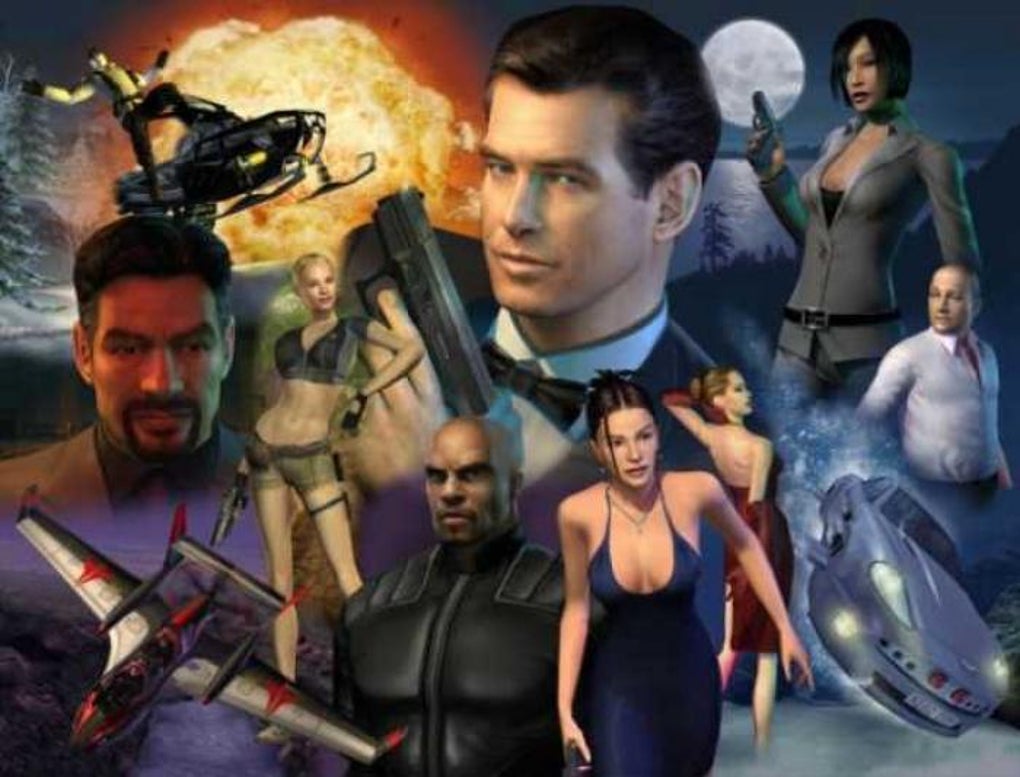
The supporting cast is equally diverse and plays crucial roles in guiding Bond through his missions. Alistair Caine, Drake’s second-in-command, serves as a recurring, formidable henchman. Zoe Nightshade, an American agent working alongside Bond, provides tactical assistance and a dash of classic Bond girl banter. Mayhew, a Japanese intelligence agent, offers local expertise and essential intel. Each character contributes to the rich tapestry of the narrative, providing exposition, setting up dramatic encounters, and occasionally requiring rescue. Even the gadgets provided by Q, voiced by the inimitable John Cleese, are integral to the plot, often serving as keys to progression or tools for overcoming seemingly impossible obstacles. The narrative structure, complete with its twists, betrayals, and grand finale, ensures that players are continually invested in the unfolding global crisis, pushing them to complete mission after mission until Drake’s diabolical scheme is ultimately thwarted.
Visual Fidelity and Gadgetry: Crafting a Convincing World
One of the standout aspects of “James Bond 007: NightFire” upon its release was its graphical presentation. The game featured impressive graphics that were wonderfully matched with detailed elements, creating a world that felt both expansive and intricate. The environments, whether it was the glistening snow of the Alps, the intricate machinery of a corporate headquarters, or the sprawling layout of a space station, were designed with great care. PhanMemFree’s initial review highlighted how the game paid attention to including the tiniest detail possible to make the game look convincing, ensuring that players never felt they were merely indulging in child’s play. While today these graphics might feel outdated when compared to contemporary titles, at the time, they contributed significantly to the game’s immersive quality, pulling players deep into Bond’s world.
The character models, while not hyper-realistic, were well-rendered and recognizable, adding to the authenticity of the experience. Explosions and particle effects, crucial for a high-octane action game, were satisfyingly dynamic, contributing to the sense of impact during gunfights and dramatic escapes. Furthermore, the game utilized in-between animations to establish and advance the storyline. These cinematic sequences, though sometimes criticized for their length or tendency to break the flow of gameplay, served an important purpose: reminding players that “NightFire” was not just a meager shooting game but a narrative-driven adventure with purpose and stakes. They provided context, introduced characters, and built tension, ensuring the player remained connected to the overarching plot.
Central to any Bond experience are the gadgets, and “NightFire” delivers a superb array of Q-branch creations that are both practical and incredibly cool. These aren’t just cosmetic additions; they are integral tools for navigation, puzzle-solving, and combat. The most iconic example mentioned is the night vision glasses, which dramatically alter the game’s visual presentation. When activated, the entire scene loses its color in favor of a striking neon green hue, perfectly simulating a realistic night vision perspective. This wasn’t just a visual gimmick; it was a vital tool for stealth sections, allowing players to navigate dark areas and identify enemy positions.
Beyond night vision, Bond’s arsenal of gadgets includes a variety of ingenious devices. His watch, a classic Bond accessory, often came equipped with a laser capable of cutting through locks or obstacles, a grapple function for scaling heights, and even a miniature stun dart. A laser microphone allowed for eavesdropping from a distance, while a micro-camera could photograph crucial documents. The grappling hook, sometimes disguised as a belt buckle, was essential for traversing gaps or reaching elevated positions. These gadgets were cleverly integrated into the level design, requiring players to think strategically about their use rather than just blindly shooting their way through every situation. This blend of visual detail and functional gadgetry truly crafted a convincing and immersive world, making players feel like they were equipped with the full might of MI6’s technological prowess.
Gameplay Mechanics: From Stealth to Explosive Action
“James Bond 007: NightFire” skillfully blends various gameplay mechanics to offer a comprehensive espionage experience, shifting seamlessly between stealth, intense gunfights, and even vehicle segments. At its core, it is a first-person shooter, but the developers understood that Bond’s approach is rarely just about raw firepower.
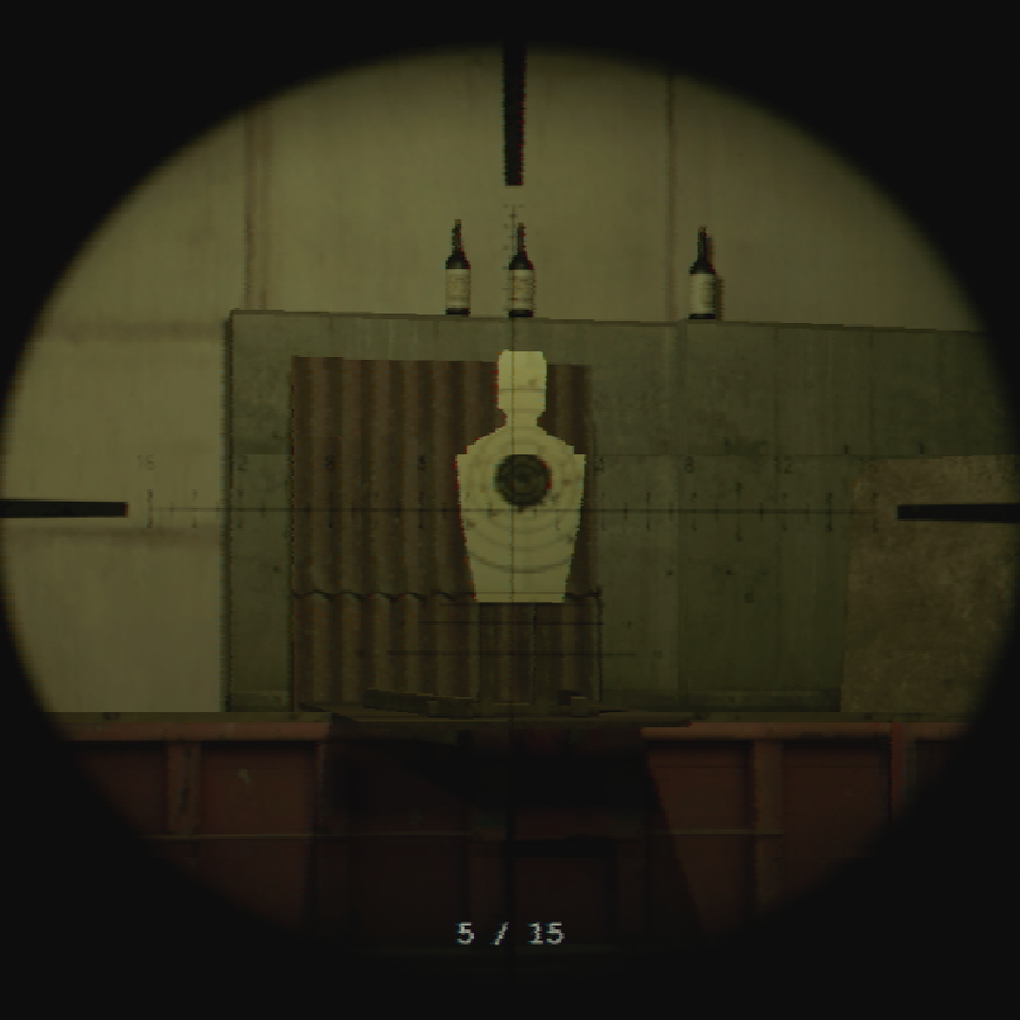
The shooting mechanics are robust and satisfying. Players have access to a wide array of weapons and firearms, many of which are based on actual real-life weapons. This attention to detail, from the distinct sound profiles to the visual fidelity of each firearm, adds a layer of realism to the game. Bond can carry a selection of pistols, submachine guns, assault rifles, shotguns, and heavy weapons, each with its own advantages in different combat scenarios. Many weapons also feature secondary fire modes, such as silencers for stealth operations, scope zoom for precision shots, or grenade launchers for crowd control. The combat feels responsive, with enemies reacting dynamically to hits, making each firefight engaging.
Stealth is another crucial component. Many missions, or sections within missions, require Bond to operate undetected. This involves navigating complex environments, avoiding security cameras, disabling laser grids, and silently taking down guards. The game employs a simple but effective stealth system where players must observe patrol patterns and utilize cover to remain hidden. Using suppressed weapons or melee takedowns is essential for maintaining a low profile. While the game isn’t as punishing as dedicated stealth titles, it rewards careful planning and precise execution, adding a layer of tactical depth beyond mere run-and-gun action. The tension of sneaking around, constantly wary of a sudden patrol or a tripwire, is a core part of the “James Bond experience.”
One of the standout features that sets “NightFire” apart from many other FPS games is the inclusion of exhilarating vehicle missions. Bond wouldn’t be Bond without his souped-up cars, and “NightFire” delivers with high-speed chases and elaborate driving segments. These sections often involve Bond behind the wheel of his Aston Martin V12 Vanquish, equipped with an array of Q-branch modifications like missiles, machine guns, and even an EMP blast. These missions are adrenaline-pumping breaks from the on-foot action, featuring objectives ranging from escaping pursuers to destroying enemy convoys. The controls for the vehicles are straightforward, emphasizing arcade-style action over complex simulation, making them accessible and fun.
Beyond the primary missions, “NightFire” also features a robust multiplayer component that significantly extended the game’s replayability. Players could engage in various modes, including classic deathmatch, team deathmatch, and objective-based modes, across a selection of well-designed maps. The ability to play as various Bond characters, villains, and henchmen, each with unique attributes, added to the fun. This multiplayer aspect, reminiscent of the success of “GoldenEye 007,” allowed players to test their skills against friends, transforming the single-player espionage adventure into a competitive arena. The combination of varied gameplay styles, from silent infiltration to explosive vehicular combat and competitive multiplayer, solidifies “James Bond 007: NightFire” as a multifaceted and engaging title.
The Enduring Legacy and Critical Reception
“James Bond 007: NightFire” was met with a generally positive reception upon its release, particularly for its console versions, with the PC port also being well-regarded as a competent first-person shooter. Critics praised its ability to capture the essence of a Bond film, citing the engaging storyline, diverse missions, and the satisfying integration of gadgets. The game’s thrilling atmosphere, as described by PhanMemFree, kept players on the edge of their seats, leading to an “addicting to play” experience that made it hard to stop once started. This addictive quality stemmed from the compelling mission structure and the constant desire to uncover the next piece of the global conspiracy.
However, the game was not without its criticisms. While the graphics were impressive for their time, some reviewers noted that certain aspects already felt dated compared to the bleeding edge of graphics technology. The in-between animations, while good for storytelling, were sometimes seen as too long, interrupting the flow of gameplay and pulling players out of the action. Furthermore, some critics pointed out “plot holes” in the narrative, small inconsistencies or convenient leaps in logic that, while common in Bond films, could be more noticeable in an interactive medium. The absence of in-game hints was also occasionally cited as a minor frustration, leaving players to figure out certain puzzle solutions on their own.
Despite these minor drawbacks, “NightFire” carved out a significant place within the James Bond video game canon. It successfully built upon the foundations laid by previous Bond titles, offering a blend of action, stealth, and driving that felt authentic to the franchise. For many, it represented a high point for EA’s tenure with the Bond license, delivering a more complete and polished experience than some of its contemporaries. It was often compared favorably to other Bond games, and while few could truly dethrone “GoldenEye 007” in the hearts of fans, “NightFire” offered a distinct and memorable adventure.
Its legacy is primarily remembered for its strong single-player campaign that genuinely made players feel like James Bond. The variety of environments, the inventive use of gadgets, and the dramatic flair of the villain and storyline ensured that the game remained etched in the memories of players for years to come. The multiplayer component, while not as revolutionary as “GoldenEye,” still provided countless hours of fun, proving that the Bond universe could be a fertile ground for competitive gaming beyond the main narrative. “James Bond 007: NightFire” demonstrated that an original Bond story, crafted specifically for the interactive medium, could resonate deeply with fans and offer a truly immersive espionage thriller. It stands as a testament to the enduring appeal of 007, proving that his adventures translate exceptionally well from the silver screen to the gaming screen.
PhanMemFree’s Verdict: A Timeless Espionage Thriller
“James Bond 007: NightFire” remains a quintessential entry in the pantheon of Bond video games, a testament to EA’s ability to craft a compelling, action-packed experience that faithfully captured the spirit of the iconic secret agent. For aspiring spies and long-time fans of 007 alike, this game delivered on its promise, offering an intoxicating blend of thrilling missions, innovative gadgets, and explosive confrontations. The journey through its elaborate storyline, from the snowy peaks of Austria to the orbital expanse of space, was an adventure that kept players thoroughly engaged from start to finish.
The developers masterfully created a world rich in detail, with impressive graphics for its era that lent a convincing atmosphere to every locale. The attention to the nuances of each environment, coupled with cinematic intermissions, reinforced the narrative depth and reminded players that they were part of a grander, purpose-driven mission. The integration of Q-branch gadgets, such as the transformative night vision goggles or the versatile laser watch, elevated the gameplay beyond mere shooting, demanding strategic thinking and resourcefulness—hallmarks of Bond himself.
While some might argue that certain graphical elements have aged and cinematic sequences could be lengthy, these minor quibbles do little to detract from the overall enjoyment. The core gameplay loop, oscillating between tense stealth segments and exhilarating firefights, alongside adrenaline-fueled vehicle chases, ensured a dynamic and varied experience. The inclusion of a robust multiplayer mode further solidified “NightFire” as a complete package, providing enduring replayability and countless hours of competitive espionage.
In conclusion, “James Bond 007: NightFire” is more than just a shooting game; it’s an immersive dive into the glamorous and dangerous world of Agent 007. It’s a game that, despite its age, retains a significant charm and an undeniable “addicting to play” quality. PhanMemFree highly recommends this title for anyone seeking a thrilling action game that perfectly embodies the spirit of James Bond. It may have its minor imperfections, but its strengths in delivering an authentic and captivating spy adventure ensure its place as a cherished classic among Bond enthusiasts. For those looking to don the tuxedo and wield the license to kill, “NightFire” provides an unforgettable mission.
File Information
- License: “Trial version”
- Version: “demo”
- Latest update: “September 5, 2018”
- Platform: “Windows”
- OS: “Windows 98”
- Language: “English”
- Downloads: “71.7K”