
Jet Set Radio, a re-release of the Sega Dreamcast classic, catapults players into a vibrant, neon-drenched, futuristic Tokyo. This isn’t your average action game; it’s a stylish blend of skating, graffiti art, and rhythmic combat set against a backdrop of a captivating, stylized cityscape. Originally lauded for its pioneering use of cell-shaded graphics, Jet Set Radio remains a visually striking and surprisingly relevant title, even years after its initial release. This reimagining retains the core gameplay that made the original a cult classic, while presenting it in a higher resolution for modern displays.
Gameplay: Tagging the Town, One Grind at a Time
At its heart, Jet Set Radio is a game about expression and territorial control. Players take on the role of a member of the GGs (the “Garage Gang”), a group of rollerblading graffiti artists determined to leave their mark on the fictional city of Tokyo-To. The objective is simple: expand your gang’s territory by tagging over rival gangs’ graffiti. This seemingly straightforward premise unfolds across a series of levels, each presenting a unique challenge and a ticking clock.
The gameplay is deceptively simple. Using intuitive controls (jump, sprint, and spray paint), players navigate the levels on inline skates, executing grinds, jumps, and stylish maneuvers to reach otherwise inaccessible areas. The core mechanic revolves around tagging – spraying your gang’s signature graffiti onto designated surfaces. Successfully completing a tag requires executing specific directional patterns using the analog stick, a feature that, while initially challenging, adds a layer of skill and precision to the act of artistic vandalism.
However, the simplicity of the control scheme belies a certain degree of difficulty. While the character movement is fluid and allows for easy directional changes, performing precise movements for large, complex tags can prove tricky. The game’s original controller design, with fewer buttons than modern counterparts, contributes to this streamlined approach, but it also introduces a learning curve that some players might find initially frustrating. The precise analog stick movements required for larger tags can sometimes be unresponsive, leading to missed opportunities and lost points. This aspect of the gameplay has remained unchanged in the re-release, potentially causing some players to feel the controls are slightly cumbersome or unintuitive by today’s standards.
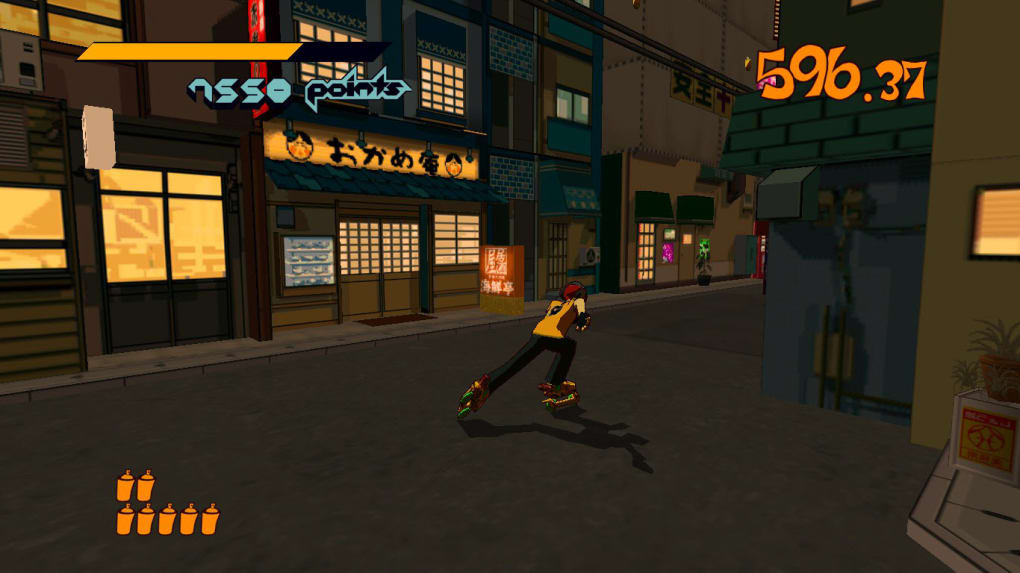
Beyond the act of tagging, players must also evade the ever-present Tokyo-To police force. SWAT units patrol the levels, attempting to thwart the GGs’ artistic endeavors. Players have a health bar that depletes with each hit from police officers or collisions with vehicles. Failure to complete a level within the time limit also results in a loss. This blend of timed challenges and evasion adds a layer of urgency and excitement, keeping players on their toes as they navigate the urban landscape, always one step ahead of the law. The constant pressure to complete tags quickly and efficiently, while simultaneously dodging police, keeps the gameplay exciting and engaging.
Graphics: Cell-Shaded Style and Neon Brilliance
Jet Set Radio’s visual style is arguably its most distinctive and enduring feature. The game pioneered the use of cell-shaded graphics, resulting in a striking, comic book-like aesthetic that has influenced countless games since. This re-release features a significant upgrade in resolution, resulting in a vibrant, high-definition presentation. The neon-infused color palette, however, while visually stunning, can sometimes lead to eye strain during prolonged play sessions. The increased brightness, while showcasing the detail, might prove to be a drawback for players sensitive to bright colors and high contrast levels.
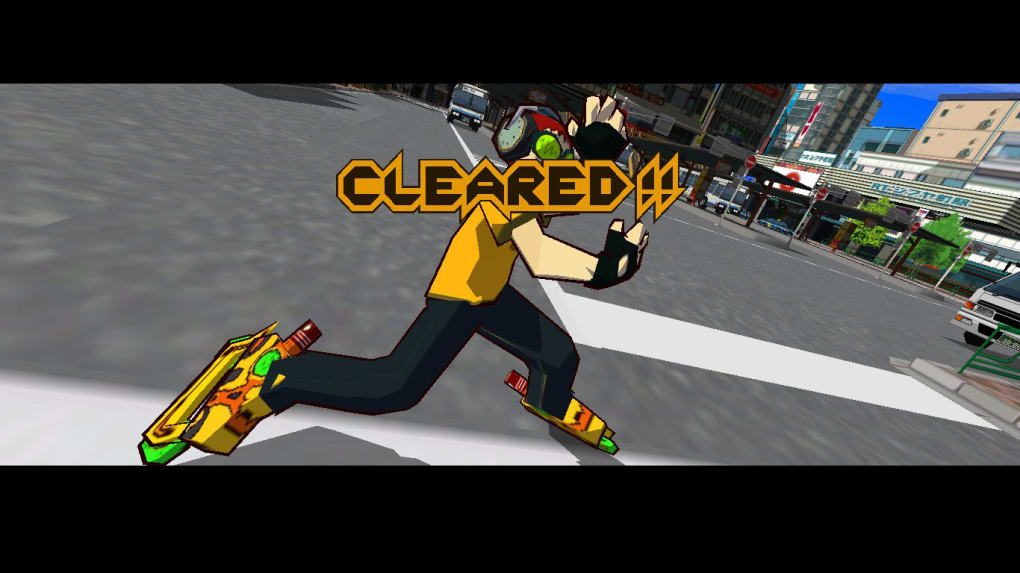
Despite its age, the game’s visuals hold up remarkably well. The cell-shaded aesthetic cleverly disguises the limitations of the original game’s graphics, giving it a timeless quality. The character designs, from the playable characters to the non-playable NPCs, are highly stylized and expressive. Similarly, the environments, while not hyper-realistic, possess enough detail to create a tangible sense of place. The detailed environments effectively convey the atmosphere of a futuristic Tokyo, even with the game’s somewhat aged graphics.
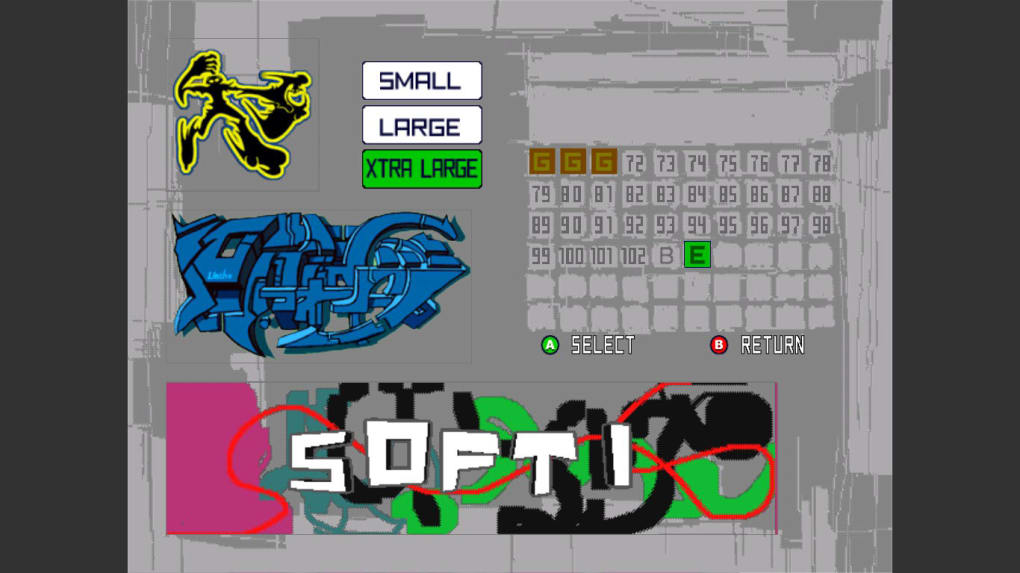
Beyond its impressive visuals, Jet Set Radio also offers a degree of customization. An in-game tag editor allows players to create their own unique graffiti designs, adding a personalized touch to the game. The provided tools enable considerable creativity, allowing players to express themselves through a variety of customizable elements. This personalization option enhances the game’s replay value, encouraging players to create unique tags and experiment with the editor. The ability to create custom graffiti enhances the overall feeling of ownership and personal expression.
Audio: A Soundtrack That Defines a Generation
Jet Set Radio boasts one of the most memorable and influential soundtracks in video game history. The re-release faithfully incorporates the vast majority of the original songs, creating an infectious, high-energy atmosphere that perfectly complements the game’s stylish visuals and fast-paced gameplay. The music is a blend of various genres, including electronica, hip-hop, and jazz, resulting in a unique and vibrant auditory experience. The original soundtrack remains largely untouched, ensuring fans of the original get the full nostalgic experience.
While the soundtrack shines, other sound effects are less noteworthy. While spray-painting sounds realistic, police sound effects tend toward the cartoonish, which somewhat contrasts with the overall style of the game. Despite the somewhat uneven sound design, the outstanding soundtrack largely overshadows other audio elements. The game’s music truly stands out, creating a memorable and exciting auditory experience that enhances gameplay.
The inclusion of English voice acting further contributes to the game’s overall immersion. While the voice acting may not be the highest quality by modern standards, it adds another layer of personality to the already memorable characters, enhancing their individual characteristics. This adds to the overall experience, immersing the player even further within the game’s vibrant world.
Is Jet Set Radio Worth Your Time?
Jet Set Radio is undoubtedly a classic, and its re-release proves its lasting appeal. For players who have never experienced its unique blend of gameplay, visuals, and music, it’s a must-play. Long-time fans of the Dreamcast original will also enjoy revisiting this retro gem, though the absence of new content might leave some wanting more. The slightly frustrating controls, a lingering element from the original, can still prove a challenge. This, combined with the occasional eye strain from the game’s vibrant colors and high brightness levels, should be considered. However, the charming visuals, the catchy soundtrack, and the overall unique gameplay experience are enough to make this title a worthy addition to any gamer’s collection.
Despite some minor shortcomings, the overall experience outweighs any minor frustrations. The game’s fast-paced, rhythmic gameplay, combined with its distinct visual and auditory style, creates a unique and unforgettable experience. The inclusion of a customizable tag editor further increases the replayability, allowing for extended enjoyment and personal expression. The somewhat long timers within levels, while occasionally frustrating, provide ample opportunities to master the controls and fully appreciate the game’s challenging, yet rewarding, gameplay loop. Jet Set Radio remains a captivating and stylish title. It is a worthwhile game to both newcomers and seasoned fans alike.
File Information
- License: “Full”
- Latest update: “June 14, 2023”
- Platform: “Windows”
- OS: “Windows XP”
- Language: “English”
- Downloads: “22.4K”


