
John Doe is a free visual novel game available for Windows and PC, released under a “name your own price” model, allowing players to support the developer voluntarily. This intriguing title presents a narrative-driven experience punctuated by striking visuals and player choices that significantly impact the story’s progression. While marketed as a visual novel, its unique blend of genres and unsettling themes warrants a closer examination.
Gameplay and Mechanics
John Doe adheres to the traditional visual novel format, presenting players with a story unfolding through text and accompanying artwork. The gameplay is largely passive, with the player primarily absorbing the narrative. However, strategic choices are interspersed throughout the storyline, leading to one of four distinct endings. These decisions, though seemingly small, significantly affect the direction of the narrative, encouraging replayability to uncover all possible outcomes. The game’s simplicity makes it accessible to newcomers to the visual novel genre, requiring minimal interaction beyond making occasional selections. The developer claims a playthrough, including all endings, can be completed within 15 minutes, indicating a relatively concise experience. Importantly, the game avoids the use of jump scares, a common trope within the horror genre, focusing instead on building suspense and unease through other means.
Visual Style and Artistic Choices
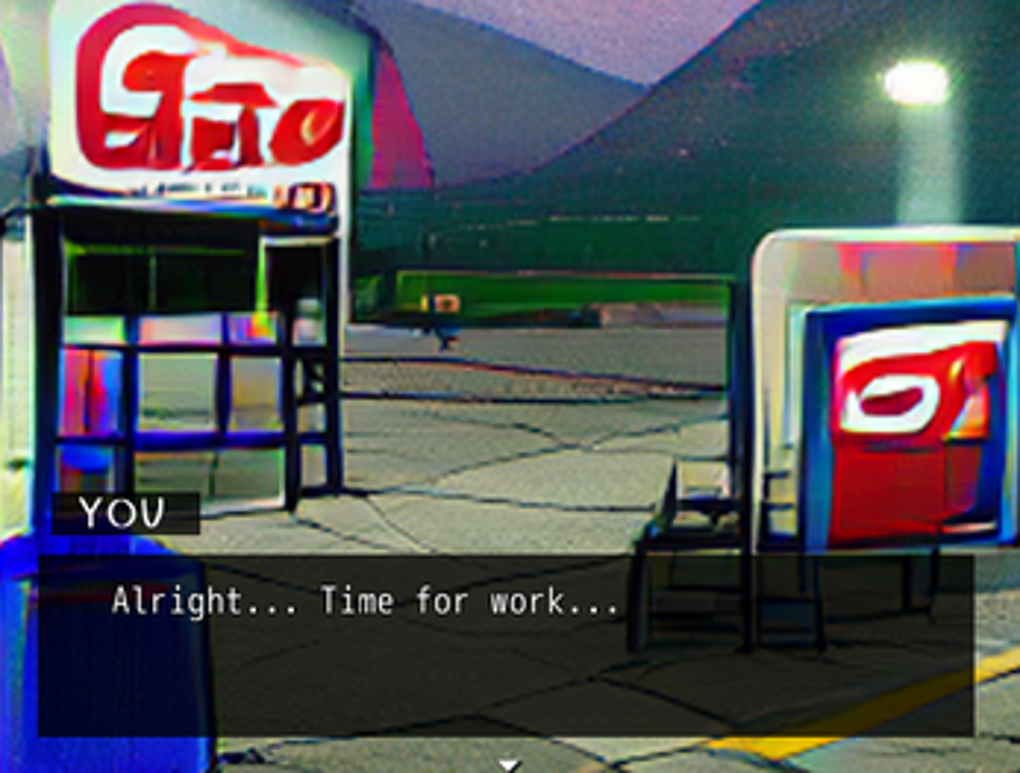
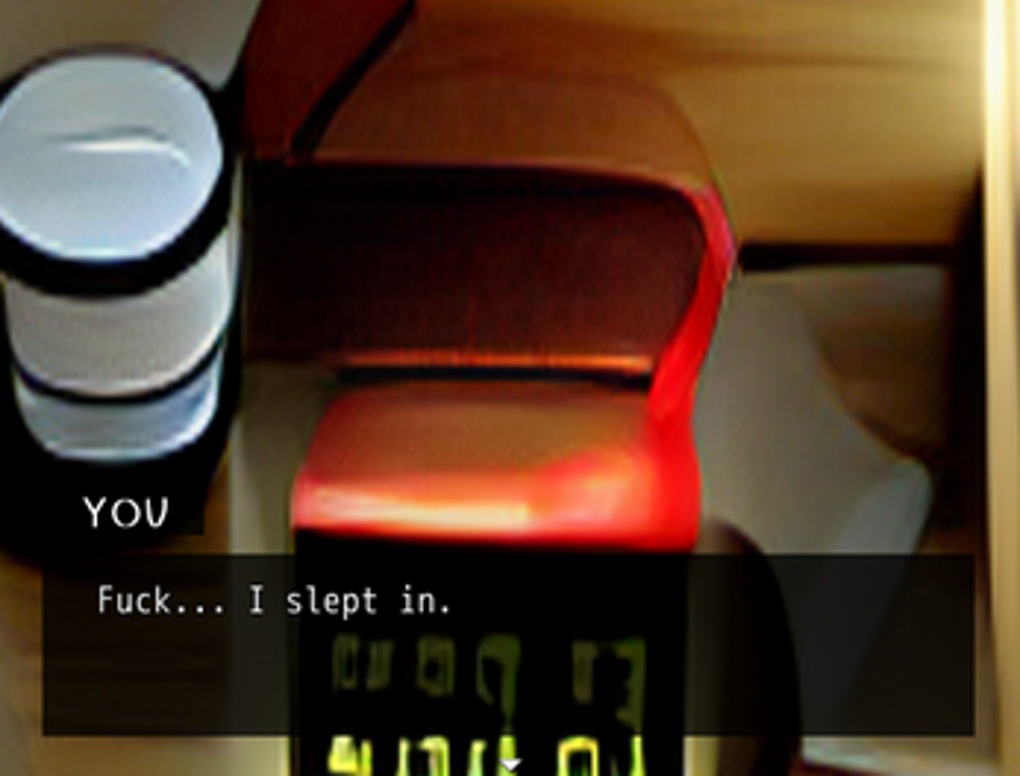
The game’s visual style is arguably its most distinctive and potentially divisive element. John Doe employs a mixed approach, combining digital cartoon art with lower-quality photographs. This jarring juxtaposition can disrupt the immersion for some players, creating a visually inconsistent experience that may feel aesthetically unbalanced. While the digital art contributes a degree of stylistic coherence, the inclusion of photographic elements feels somewhat out of place and detracts from the overall visual polish. This stylistic inconsistency is a significant point of contention, potentially alienating players who prefer a more unified artistic presentation. The choice to blend these disparate styles may be a deliberate attempt to enhance the game’s unsettling atmosphere, mirroring the narrative’s erratic and unpredictable nature. However, the effectiveness of this approach is debatable and largely depends on individual preferences.
Themes and Content Warnings
While not strictly a horror game, John Doe incorporates elements often found within the horror genre. The narrative incorporates themes of gore, albeit mild, alongside surreal and unsettling visuals that contribute to the game’s overall unsettling atmosphere. The presence of strange characters and unsettling imagery further enhances this disturbing atmosphere. The inclusion of themes such as stalking adds a layer of psychological unease, reinforcing the game’s unsettling nature. This combination of elements is unlikely to appeal to all players, and it’s crucial to note that the game may not be suitable for younger audiences or individuals sensitive to disturbing content. The developers should have provided more explicit content warnings to alert players to the nature of the game’s themes and content before initiating gameplay. The unsettling nature of these elements is a key component of the game’s design, but this should be clearly communicated to potential players.
A Comparison with Similar Titles
John Doe shares similarities with other visual novels, such as Yandere Simulator: Visual Novel and Cinderella Phenomenon, in its basic structure and gameplay mechanics. However, it distinguishes itself through its incorporation of unsettling themes and the aforementioned visually inconsistent art style. Unlike many visual novels that focus primarily on romance or fantasy, John Doe opts for a darker, more disturbing tone, setting it apart from its contemporaries. The brevity of the game also contrasts sharply with many visual novels that offer significantly longer playing times. This short playing time, however, might be considered an advantage for players with limited time or those who prefer more concise gaming experiences.
Technical Aspects and Performance
John Doe’s technical performance is generally unremarkable, functioning smoothly on most Windows and PC systems. The game’s small file size contributes to easy installation and low system requirements, making it accessible to a wider range of players. The game requires minimal system resources, avoiding issues of lag or other performance problems. This accessibility is a definite plus for players concerned about system compatibility.
Strengths and Weaknesses
John Doe offers a unique and experimental approach to the visual novel genre. Its straightforward gameplay, making it easy to pick up and play, is a significant strength. The multiple endings based on player choices add replayability, encouraging repeated playthroughs to discover all the possible narrative outcomes. The game’s explicit avoidance of jump scares is also a positive point, suggesting a focus on building tension through atmosphere rather than cheap shocks. However, the inconsistent artwork, described above, is a major weakness and can significantly detract from the overall experience. The unsettling themes, while contributing to the game’s unique atmosphere, may also be unsuitable for certain players, rendering the game inaccessible to a segment of potential audiences.
Conclusion
John Doe is a visually unique and thematically daring experiment in the visual novel genre. Its brevity and straightforward gameplay are appealing, but its inconsistent artwork and unsettling themes may alienate some players. While it offers a compelling, if unsettling, narrative experience, potential players should be aware of its content before embarking on a playthrough. The game’s success hinges on a player’s tolerance for its distinct artistic choices and disturbing subject matter. It’s a title that’s certain to spark discussion, prompting questions about the relationship between artistic experimentation, player experience, and the boundaries of acceptable content within the video game space. The game’s unique blend of unsettling themes and straightforward gameplay makes it a noteworthy, if niche, addition to the visual novel genre. Ultimately, whether it succeeds or fails rests on the individual player’s preferences and tolerances.
App Specs and Availability
- License: Free
- Version: 1.0
- Latest Update: January 23, 2023
- Platform: Windows 8 and higher, PC
- Language: English
- Downloads: 6.6K (as of the time of writing this review)
- Size: 266.03 MB
- Developer: Fox
John Doe is readily available for download on various platforms, ensuring accessibility for a global audience. The developer’s decision to use a “name your own price” model demonstrates a commitment to accessibility, allowing players to enjoy the game regardless of their financial capacity. This flexible pricing approach is commendable, aligning with the spirit of independent game development.
User Reviews and Community Response
At the time of this writing, the game lacks extensive user reviews, leaving its overall reception unclear. Further player feedback and engagement with the game’s community will provide greater insight into how effectively it has achieved its artistic and narrative ambitions. The absence of widespread user feedback hinders a more thorough assessment of the game’s long-term impact and popularity. Future reviews and online discussion will offer a more nuanced understanding of the player experience.
Related Games and Similar Titles
Further exploration of related topics, such as simulation games for Windows 7, visual novel games for Windows, and easy games for Windows 7, may provide additional context and valuable comparisons. Exploring other visual novels with similar themes or artistic styles could also offer a more comprehensive perspective on the game’s place within the broader landscape of interactive storytelling. Understanding John Doe’s position within these wider categories allows for a more informed evaluation of its contributions and limitations.
File Information
- License: “Free”
- Version: “1.0”
- Latest update: “January 23, 2023”
- Platform: “Windows”
- OS: “Windows 7”
- Language: “English”
- Downloads: “6.6K”
- Size: “266.03 MB”


