
JoJo’s Fashion Show 2, a Windows-based fashion design game, promised a vibrant and engaging experience for fashion enthusiasts. Players could dress a diverse cast of characters and showcase their creations in virtual fashion shows. However, despite its initial appeal, the game suffered from significant drawbacks that ultimately overshadowed its positive aspects. This review examines both the strengths and weaknesses of JoJo’s Fashion Show 2, offering a balanced perspective on its legacy.
The Allure of Virtual Fashion Design
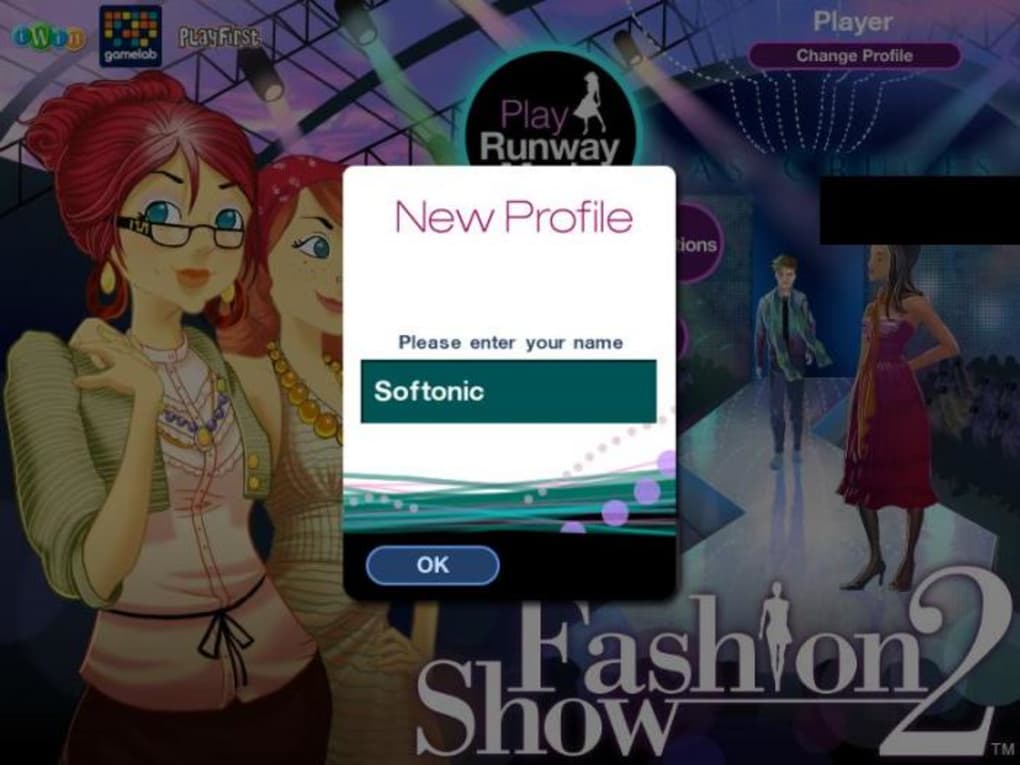
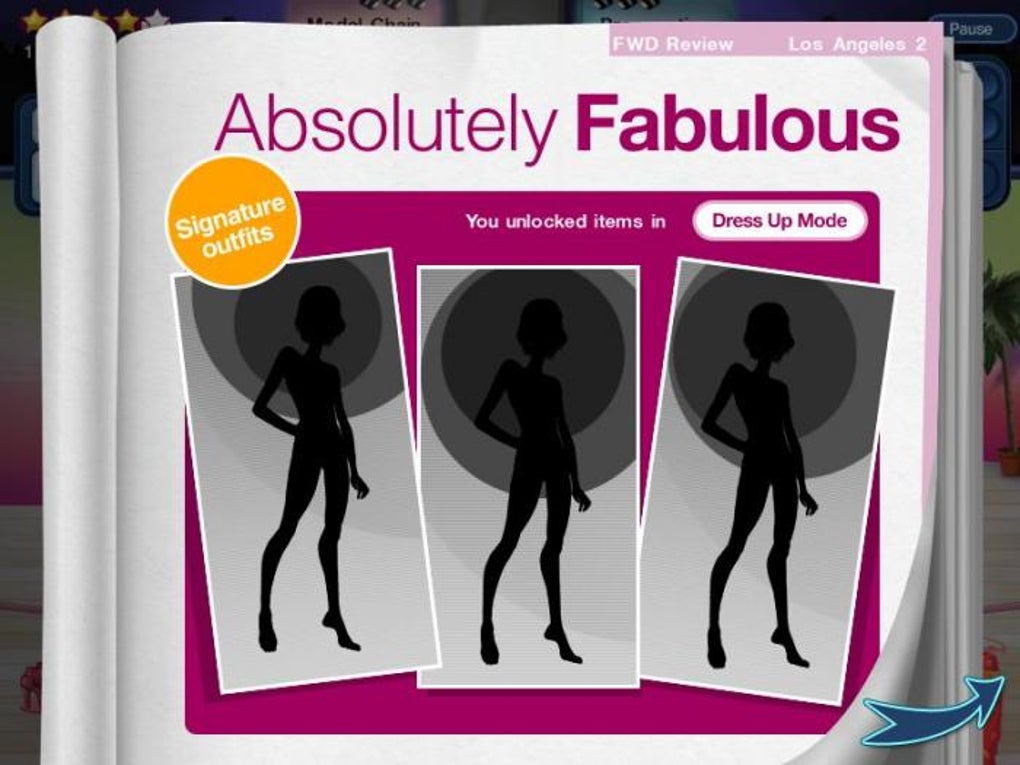
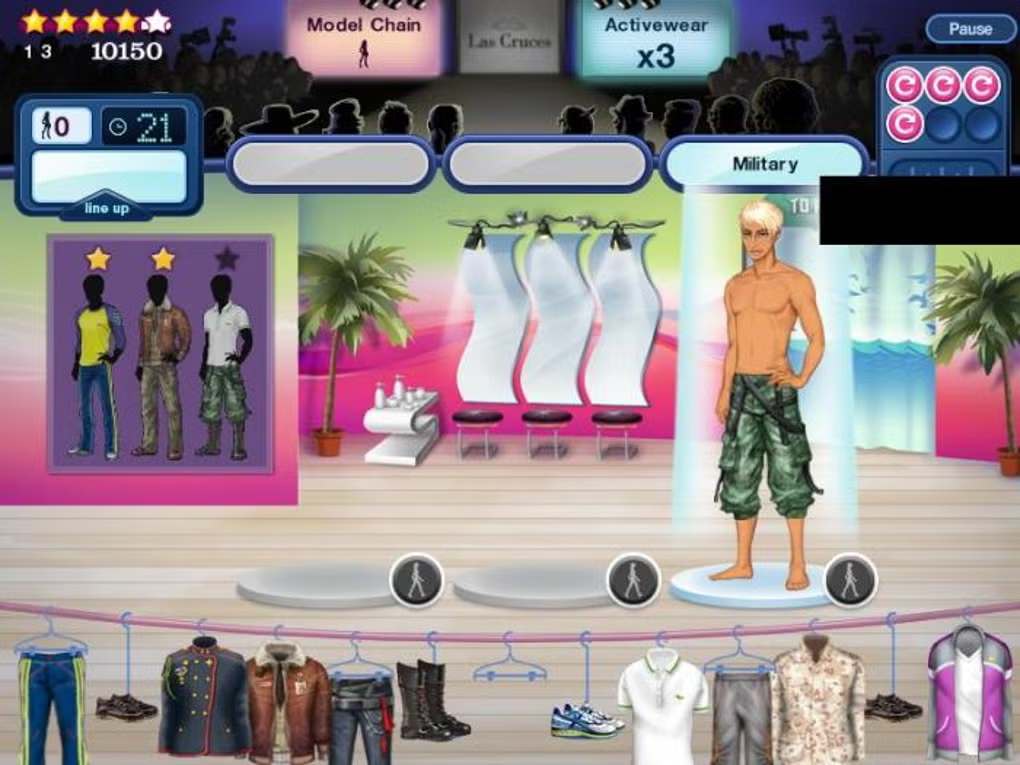
At its core, JoJo’s Fashion Show 2 presented a compelling concept. The ability to style a wide array of characters with various clothing options and accessories held considerable appeal, particularly for players interested in fashion design and virtual styling. The game’s fifty levels provided a structured progression, offering a sense of accomplishment as players completed each stage and progressed to more complex styling challenges. The inclusion of cool photo shoot options added another layer of engagement, allowing players to capture and save their best looks. The lighthearted nature of the game contributed to its overall accessibility, making it potentially enjoyable for a broad range of ages and skill levels. The variety in fashion styles available within the game catered to different tastes, ensuring a diverse range of creative possibilities. This creative freedom, in theory, allowed players to express their individuality and fashion sense through virtual avatars.
Technical Shortcomings and User Experience
Unfortunately, the technical execution of JoJo’s Fashion Show 2 fell far short of its potential. The game was plagued by a significant number of bugs, impacting the overall stability and enjoyment of the gameplay. Frequent crashes disrupted the flow of the game, frustrating players and interrupting progress. This instability made it difficult for users to fully experience the potential of the game’s features. The user experience was further hampered by the presence of intrusive advertisements, which became a major point of contention for many users. Even the paid version of the game, according to user reviews, retained a significant level of advertising, which is unacceptable for a paid product. The excessive advertising detracted from the overall experience, creating an unpleasant distraction that interfered with the core gameplay.
The trial version’s short expiration time, coupled with the prevalent bugs and advertisements, created a negative first impression for many potential users. This limited trial period prevented many users from fully exploring the game’s features and possibilities before having to make a purchase decision. The game, in effect, failed to showcase itself properly to the player before asking for money. The combination of these factors reduced the perceived value of the game, discouraging investment in the full version.
User Feedback: A Mixed Bag
User reviews provide a valuable insight into the reception of JoJo’s Fashion Show 2. While some users expressed positive feedback, praising the game’s enjoyable aspects and ease of use, many highlighted the substantial issues that greatly detracted from the overall experience. The most consistent criticism focused on the prevalence of bugs and crashes, which severely limited playability. The frustration caused by these technical difficulties overwhelmed the positive aspects for many users. This disconnect between the game’s concept and its execution proved to be its downfall.
Furthermore, user reviews expressed a desire for additional features, such as the ability to create custom clothing and further personalize the characters’ appearances. This desire for greater customization highlights the game’s untapped potential. Had these features been implemented successfully and in a stable environment, the user experience would have significantly improved. The lack of these desired features, however, left users feeling that the game fell short of what it could have been.
Comparison to Alternatives
Several alternative fashion design games existed during the time of JoJo’s Fashion Show 2’s release, offering comparable features with varying degrees of success. Some of these alternatives provided a smoother, less buggy experience, lacking the persistent technical issues that plagued JoJo’s Fashion Show 2. The presence of fewer advertisements in these competing games also served to create a more positive user experience. The availability of these superior alternatives further contributed to the game’s overall lack of success. The game failed to distinguish itself meaningfully from its competitors, offering a less polished and enjoyable experience.
Alternatives offered features such as advanced customization tools, detailed character design options, and a wider variety of fashion styles. These additional features, often found in the competitors’ games, were absent or poorly executed in JoJo’s Fashion Show 2, resulting in the latter’s inferior reception. Ultimately, the comparison to its competition exposed the game’s shortcomings and lack of innovation.
Conclusion: Unfulfilled Potential
JoJo’s Fashion Show 2 presented a promising premise: a fun and accessible fashion design game for Windows users. However, the game’s technical limitations, including frequent crashes, intrusive advertising, and a short trial period, overshadowed its positive aspects. The user reviews paint a clear picture: while the core concept was engaging, the poor execution and lack of polish resulted in a largely disappointing experience. The game’s unfulfilled potential is a cautionary tale regarding the importance of thorough testing and refinement before release, especially for games relying heavily on user engagement and a smooth gameplay experience. Despite its initial appeal, JoJo’s Fashion Show 2 ultimately failed to deliver on its promise, leaving a legacy marred by technical flaws rather than celebrated for its innovative design. The game serves as a reminder that even the most captivating ideas can be undermined by inadequate development and a lack of attention to user experience.
File Information
- License: “Trial version”
- Latest update: “January 27, 2025”
- Platform: “Windows”
- OS: “Windows XP”
- Language: “English”
- Downloads: “92.3K”
- Size: “108.80 MB”


