
In an era saturated with complex, sprawling open-world adventures and hyper-realistic first-person shooters, Digital Eclipse emerges from the digital forge with “Joust,” a captivating medieval arcade simulator that masterfully blends the nostalgic thrill of classic arcade gaming with the strategic depth of modern combat. Available for Windows, Joust isn’t merely a game; it’s an invitation to a bygone era of chivalry, brutal tournaments, and the relentless pursuit of martial glory. This comprehensive article delves into every facet of Joust, from its core gameplay mechanics and innovative design choices to its ambitious development roadmap, positioning it as a standout title within its genre and a strong contender for players seeking both action and strategic depth.
Action: The Thrill of the Joust
At its core, Joust is an adrenaline-fueled action game that plunges players directly into the heart of medieval combat. The moment you enter the arena, the game’s focus on intense, skill-based action becomes immediately apparent. Unlike many contemporary titles that rely on elaborate combos or extensive spell lists, Joust harks back to a purer form of engagement: direct, visceral knight-on-knight confrontation.
The primary mode of combat, as suggested by its title, revolves around jousting. While the game isn’t limited to horseback lance charges, the essence of that iconic medieval duel is brilliantly captured in its core mechanics. Players control a knight, choosing from various character types, each presumably offering unique attributes or starting capabilities. The true brilliance of Joust’s action lies in its intuitive yet challenging control scheme, which allows for precise movement and perfectly timed attacks. Success hinges on a keen understanding of momentum, positioning, and the effective use of your chosen weapon. Whether on foot or mounted, the sensation of impact, the clang of steel, and the strategic dance of evasion and attack are meticulously rendered, immersing players in every clash.
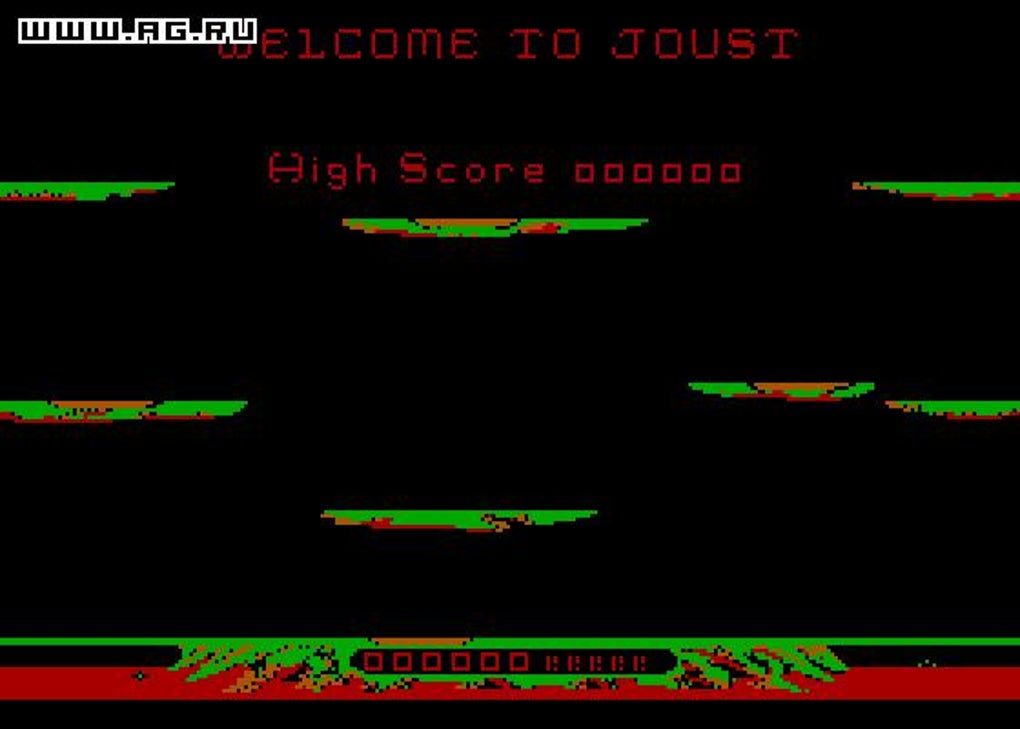
The variety of weapons available further enriches the action experience. As players progress, they earn new weapons, each offering different attack patterns, ranges, or damage profiles. This constant evolution of the player’s arsenal introduces a layer of adaptability and strategic choice to the combat. A player might prefer a fast, light sword for quick strikes, or a heavier, slower axe for devastating blows, tailoring their approach to different opponents or tournament styles.
Joust offers both Player-versus-Player (PVP) and Player-versus-Environment (PVE) tournaments, ensuring a diverse range of action scenarios. In PVE, players face off against a series of increasingly formidable AI opponents, culminating in challenging boss fights. These bosses are not just glorified health sponges; they are designed with unique attack patterns and defensive strategies, demanding careful observation and tactical execution. Overcoming a boss requires more than just brute force; it necessitates understanding their weaknesses and exploiting them with well-timed actions. This elevates the PVE experience beyond simple hack-and-slash, turning each encounter into a high-stakes puzzle.
The PVP tournaments, on the other hand, pit players against each other in a test of skill, strategy, and reflexes. This is where the depth of Joust’s action truly shines, as human opponents are unpredictable and constantly adapting. The competitive nature of PVP drives players to master their chosen character, perfect their weapon handling, and develop sophisticated combat strategies.
A distinctive feature that amplifies the intensity of Joust’s action is the “restriction on revival.” This mechanic introduces a level of consequence often absent in modern games, where players can respawn endlessly without significant penalty. In Joust, each life is precious, forcing players to be more deliberate, conservative, and strategic in their engagements. This scarcity of revivals ratchets up the tension in every encounter, making victories all the more satisfying and defeats a powerful learning experience. It harks back to the unforgiving nature of classic arcade titles, where every coin, and every life, counted. The thrill of narrowly escaping defeat, or precisely executing a risky maneuver that pays off, is intensely heightened by the knowledge that revival is limited. This design choice transforms Joust from a simple button-mashing game into a demanding arena where only the most skilled and strategic knights can truly dominate.
Arcade & Simulation: A Blend of Classic and Modern
Joust distinguishes itself by masterfully weaving together the immediate gratification and addictive replayability of arcade games with the immersive depth and intricate mechanics typically found in simulation titles. Digital Eclipse has achieved a delicate balance, crafting an experience that feels both familiar and refreshingly new.
The “arcade” aspect of Joust is immediately recognizable. The game’s structure, with its focus on clear objectives—competing to be the best fighter in tournaments—and its pick-up-and-play accessibility, echoes the golden age of arcade gaming. The promise of “unlimited levels” is a direct nod to classic arcade machines designed for endless, score-chasing gameplay. Each level offers a tangible reward, such as a new weapon or a revival point, continually incentivizing players to push further, improve their skills, and extend their gameplay session. This progression system, tied to performance, is a cornerstone of arcade design, rewarding mastery and encouraging repeated engagement. The fast-paced combat, distinct boss battles, and the direct, action-oriented feedback loop all contribute to a feeling reminiscent of arcade classics, where every moment is packed with excitement and immediate challenge.
However, Joust transcends simple arcade homage by integrating significant “simulation” elements. The medieval setting isn’t just a cosmetic backdrop; it informs the core experience. The game simulates the feel of knightly combat, from the weight and impact of various weapons to the strategic considerations of fighting in an arena. While not a hyper-realistic historical simulation, it aims to evoke the essence of medieval tournaments. This is achieved through detailed character models, authentic-looking armor and weaponry, and environments that transport players to a bygone era. The physics of movement and combat, while designed for engaging gameplay, possess a certain heft and realism that grounds the action in its simulated environment.
Furthermore, the character development system adds a layer of depth uncommon in pure arcade titles. Players don’t just progress through levels; they develop their chosen character. This includes not only acquiring new weapons but also presumably enhancing attributes or unlocking new abilities, allowing for a personalized journey through the ranks of knights. This progression mimics the arduous path of a squire becoming a knight, or a seasoned warrior perfecting their craft. The strategic choice of character type and the decision-making involved in weapon acquisition contribute to the simulation of a warrior’s growth and specialization.
The PVE and PVP tournaments themselves are designed to simulate the competitive spirit and varying challenges of medieval combat. PVE pits players against computer-controlled adversaries that require tactical thinking, much like facing different fighting styles in a real duel. PVP, on the other hand, simulates the ultimate test of skill against another human, mirroring the unpredictable nature of actual competition. Even the “restriction on revival” can be seen as a simulation of the high stakes involved in real medieval combat, where defeat could mean serious injury or death.
The synthesis of these two design philosophies is what makes Joust truly unique. It offers the instant gratification and thrilling action of an arcade game, perfect for quick, intense sessions, while simultaneously providing the depth, progression, and atmospheric immersion of a simulation. This ensures that Joust appeals to a broad audience, from those seeking a nostalgic blast from the past to players desiring a more nuanced and evolving combat experience within a rich setting.
Strategy: Mastering the Medieval Tournament
Beyond the immediate excitement of its action and the nostalgic appeal of its arcade elements, Joust demands a significant amount of strategic thinking, particularly within its tournament structure. Becoming the “best fighter” isn’t solely about quick reflexes; it’s about anticipating opponents, managing resources, and making astute tactical decisions.
One of the foundational strategic elements is character development. The ability to “choose your character type” implies that different archetypes will have distinct strengths and weaknesses. Perhaps one character type excels in speed, another in raw power, and yet another in defense. Players must strategically select a character that aligns with their preferred playstyle and the challenges they anticipate. This initial choice sets the stage for their entire strategic approach.
Further enhancing this strategic depth is the acquisition of “various weapons.” Each new weapon isn’t just an upgrade; it’s a strategic tool. A player might need to adapt their combat style to a new weapon’s range, speed, and damage profile. Understanding which weapon is most effective against specific enemy types or in particular arena layouts becomes a critical strategic decision. Do you favor a fast-hitting weapon to whittle down armored foes, or a heavy weapon to break through defenses with a single, powerful strike? The choice of weaponry allows for diverse combat strategies and encourages experimentation.
Tournament play, whether PVE or PVP, is a strategic chess match. In PVE, players must learn the attack patterns and vulnerabilities of different AI opponents, especially the challenging boss fights. This involves observation, pattern recognition, and careful timing of attacks and defenses. Boss fights are explicitly mentioned, suggesting they require unique strategies to overcome, pushing players to think outside the box rather than relying on generic combat tactics.
In PVP, the strategic layer deepens considerably. Players must not only master their own character and weapon but also anticipate and counter the strategies of human opponents. This includes understanding meta-game trends, learning common exploits, and adapting on the fly. Positioning within the arena, predicting enemy movements, and knowing when to engage or retreat are all crucial tactical considerations that separate the novice from the master jousters. The ability to feint, bait, and punish mistakes becomes paramount in competitive play.
The “restriction on revival” is perhaps the most impactful strategic element. With limited revivals, every engagement carries significant weight. Players must make careful decisions about when to be aggressive and when to play defensively. Risky maneuvers that might be attempted freely in games with infinite respawns become high-stakes gambles in Joust. This forces players to develop a more conservative, yet adaptable, playstyle, prioritizing survival and efficient combat over reckless abandon. Managing one’s revival points becomes a critical resource management strategy, adding another layer of depth to the strategic landscape. Do you use a revival now to push for victory, or save it for a more crucial later stage of the tournament?
The game’s development plans, which include an “open world (partially)” in the beta version and a “fully open world” in the release, hint at even broader strategic implications. An open world suggests exploration, discovery of resources, and potentially non-linear progression, all of which introduce new strategic choices for players beyond just arena combat. This could involve choosing quests, managing resources outside of battles, and making decisions that impact the game world, thus integrating more robust “Role Playing” elements directly into the strategic framework. The development of an open world will likely require players to think about their overall campaign strategy, not just individual encounters.
In essence, Joust is not just a test of reflexes but a crucible for strategic thought. From character builds and weapon choices to tactical combat decisions and resource management, mastering the medieval tournament requires a keen mind as much as a swift hand.
Utilities & Tools: Enhancing Your Jousting Experience
While Joust itself is a game, the broader ecosystem of PC utilities and tools plays a vital role in enhancing the overall gaming experience. PhanMemFree.org, a hub for diverse software, understands that seamless gameplay often relies on a well-optimized system and the right accompanying applications. For Joust players, leveraging these utilities can mean the difference between a frustrating, lag-ridden experience and a smooth, immersive journey into medieval combat.
Firstly, PC Optimization Utilities are paramount. A game like Joust, with its detailed medieval environments and fast-paced action, benefits immensely from a computer running at peak efficiency. Tools found on PhanMemFree.org, such as system cleaners, disk defragmenters (for older HDDs), and driver update utilities, ensure that your system resources are allocated optimally for gaming. Keeping graphics drivers, in particular, up-to-date is critical for performance and compatibility, directly impacting frame rates and visual fidelity in Joust. Memory optimization tools can free up RAM, allowing the game to run more smoothly without stuttering or slowdowns, especially during intense tournament battles or boss fights.
Secondly, Security & Privacy tools are also crucial, even for single-player gaming, and especially for online PVP. Antivirus software, firewalls, and anti-spyware applications (all available on PhanMemFree.org) protect your system from malicious threats that could degrade performance or compromise your data. A robust firewall, for instance, can prevent unwanted network traffic from interfering with your online Joust sessions, ensuring stable connections in PVP tournaments. In the competitive landscape, a secure and stable connection is a strategic advantage.
Furthermore, File Management tools, another category extensively covered on PhanMemFree.org, are useful for keeping your game files organized and ensuring swift access. File compression utilities can help save disk space for large game installations, while advanced file managers provide greater control over game assets and save files, which can be invaluable for troubleshooting or backing up progress. For a game like Joust, with its “unlimited levels” and character development, safeguarding save files is paramount.
For players who enjoy sharing their gaming experiences, Multimedia utilities for screen capture and video recording are indispensable. Tools for capturing gameplay footage allow players to revisit their epic joust victories, analyze strategic errors, or share highlights with friends and the broader Joust community. Streaming video software enables live broadcasting of tournaments, transforming personal gameplay into a communal event. These tools, readily available through platforms like PhanMemFree.org, expand the Joust experience beyond mere playing, fostering engagement and content creation.
Finally, Communication & Social tools become highly relevant when considering Joust’s PVP modes. Chat and instant messaging applications allow players to coordinate with teammates (if team-based PVP is introduced) or communicate with opponents. Social networking integration, facilitated by various browser add-ons and tools, allows players to connect with the Joust community, find opponents, organize tournaments, and share strategies. PhanMemFree.org offers a wide array of browsers and add-ons that can enhance this social dimension of gaming.
In essence, while Joust itself provides the thrilling medieval action, a well-equipped digital arsenal of utilities and tools, accessible through resources like PhanMemFree.org, empowers players to extract the maximum enjoyment and performance from their gaming rig. From system optimization to content creation and community engagement, these complementary applications are integral to a complete and satisfying Jousting journey.
Best Products: Joust’s Place Among Top PC Games
In the competitive landscape of PC gaming, the distinction of being a “best product” is hard-earned, requiring a unique blend of innovation, engaging gameplay, and enduring appeal. Joust, with its distinctive approach to medieval combat, possesses several key attributes that position it as a strong contender within PhanMemFree.org’s “Best Products” category, particularly for those seeking fresh takes on action and arcade genres.
What defines a “best product” in gaming? It often boils down to several factors:
- Innovation and Uniqueness: Does the game offer something genuinely new or execute a classic concept with a fresh perspective?
- Engaging Gameplay: Is the core loop compelling, rewarding, and fun?
- Replayability and Longevity: Does the game offer reasons to keep coming back, even after many hours?
- Polish and Performance: Is the game well-crafted, stable, and optimized for its intended platform?
- Community and Developer Support: Is there an active community, and are the developers committed to future improvements?
Joust excels notably in the first three categories. Its concept as a “medieval arcade simulator” is inherently innovative. It’s not just another historical action game or a retro pixel art throwback. Instead, it attempts to blend the high-stakes, skill-based action of arcade classics with the thematic richness and progression systems often found in more complex simulations. This niche combination makes it stand out in a crowded market. The focus on knightly tournaments, character development, and diverse weapons provides a unique flavor that distinguishes it from other medieval-themed titles.
The engaging gameplay of Joust is rooted in its accessible yet challenging combat system. The thrill of outmaneuvering an opponent, the satisfaction of landing a perfectly timed strike, and the strategic depth of managing limited revivals combine to create a deeply rewarding experience. The PVE boss fights ensure variety and escalating challenge, while PVP promises endless competitive thrills against human opponents. The objective to “be the best fighter” instills a clear, motivating goal that drives continuous improvement.
Perhaps one of Joust’s strongest arguments for being a “best product” in terms of longevity is its feature of “unlimited levels.” This directly addresses replayability, offering an endless gauntlet of challenges and rewards. Unlike games with finite campaigns, Joust promises an ongoing experience, with each level providing opportunities for new weapons or revival points. This infinite progression model, combined with an evolving character and weapon set, ensures that players will find reasons to return for countless hours, constantly pushing their skills to new heights.
Furthermore, the transparent development roadmap outlined by Digital Eclipse adds significant weight to Joust’s long-term potential. The plan to evolve from PVE arena battles in the alpha to an “open world (partially) with PVE and the start of testing the PVP game mode” in beta, and finally a “fully open world with PVE and PVP game modes in the release version,” demonstrates a clear vision for growth and expansion. This commitment to continuous development and the promise of new features, such as an open world, suggests a game that will only get richer and more expansive over time. This forward-looking approach positions Joust not just as a good product now, but as an investment in future entertainment.
PhanMemFree.org’s “Best Products” category seeks out titles that offer exceptional value, innovation, and enjoyment. Joust, with its unique blend of arcade intensity and simulation depth, its high replayability, and ambitious development plans, is clearly striving for this distinction. It appeals to a specific audience looking for challenging action, strategic depth, and a compelling medieval setting, making it a strong candidate for various “best of” lists, particularly in the action, arcade, and indie categories. As it moves through its development stages, Joust has the potential to cement its legacy as a truly memorable and highly regarded PC game.
Development Roadmap & Future Prospects
The future of Joust, as detailed in its development roadmap, is as ambitious as it is exciting. Digital Eclipse is not merely releasing a static game; they are cultivating an evolving experience that promises to expand significantly over time. This multi-stage release strategy—Alpha, Beta, and full Release—offers players a clear vision of the game’s growth and underscores the developer’s commitment to building a comprehensive and engaging world.
The alpha version lays the groundwork, focusing on the core “PVE arena battles and boss fights.” This initial phase is crucial for establishing the fundamental combat mechanics, character progression, and the feel of the medieval tournament. By concentrating on these foundational elements, Digital Eclipse ensures that the core gameplay is robust and enjoyable before layering on more complex features. Players in the alpha are experiencing the raw, unadulterated action and strategic depth that define Joust.
Moving into the beta version, the game significantly expands its scope with an “open world (partially) with PVE and the start of testing the PVP game mode.” The introduction of a partially open world is a game-changer, transitioning Joust from a purely arena-based combat simulator to a more expansive adventure. This implies new areas to explore, potentially side quests, resource gathering, and a broader narrative context beyond just tournament victories. The initial testing of the PVP game mode in beta is also critical. It allows Digital Eclipse to gather vital feedback on balance, network stability, and competitive fairness in real-world player-versus-player scenarios, refining the experience before its wider launch. This partial open world suggests the first steps into a living, breathing medieval realm where players can forge their own paths and prepare for battle in new ways.
The ultimate vision culminates in the release version, which promises a “fully open world with PVE and PVP game modes.” This represents the complete realization of Digital Eclipse’s ambitions. A fully open world implies a seamless, interconnected environment where players can freely explore, undertake quests, encounter various challenges, and immerse themselves completely in the medieval setting. The full integration of both PVE and PVP within this expansive world offers unparalleled freedom and diverse gameplay opportunities. Players will be able to choose their path: dedicating themselves to PVE challenges, delving into the lore of the open world, or constantly testing their mettle against other players in dynamic PVP encounters. This holistic approach ensures that Joust offers something for every type of player, from the lone wolf adventurer to the competitive duelist.
This progressive development roadmap is not just a plan; it’s a testament to the potential longevity and depth of Joust. It assures players that their investment in the game will yield an ever-growing and improving experience. The constant introduction of new features, from open-world exploration to refined multiplayer combat, will keep the game fresh and engaging for years to come, solidifying its place as a dynamic and evolving title in the PC gaming landscape. The community’s feedback during these stages will be instrumental in shaping Joust into a truly best-in-class medieval experience.
Conclusion
Joust by Digital Eclipse stands as a compelling and innovative entry in the world of PC gaming, offering a meticulously crafted medieval arcade simulator that skillfully merges fast-paced action with strategic depth. From the exhilarating clangs of knightly combat and the strategic nuances of character development to the high-stakes decisions imposed by limited revivals, every element of the game is designed to immerse players in a thrilling quest for medieval glory.
Its unique blend of arcade accessibility and simulation depth ensures broad appeal, captivating both those who yearn for the straightforward intensity of classic gaming and those who seek a more profound, evolving combat experience. The game’s commitment to an “unlimited levels” structure promises endless replayability, ensuring that the pursuit of becoming the “best fighter” is a journey without end.
Furthermore, Digital Eclipse’s ambitious and transparent development roadmap, detailing the evolution from focused alpha battles to a fully open-world experience with integrated PVE and PVP, paints a vibrant picture of Joust’s future. This commitment to continuous growth and expansion solidifies its potential as a long-term staple in the gaming community.
For those looking to dive into the heart of knightly tournaments, to master the art of combat, and to embark on an epic medieval adventure, Joust offers an engaging and thoroughly rewarding experience. As it progresses through its development phases, with the support of a thriving community and accessible through platforms like PhanMemFree.org, Joust is poised to carve out a significant niche and establish itself as a truly distinguished title among the best PC games.
File Information
- License: “Full”
- Latest update: “June 14, 2023”
- Platform: “Windows”
- OS: “Windows 11”
- Downloads: “75”


