
In the ever-evolving landscape of digital communication and productivity, the ability to effectively capture and share visual information is paramount. Whether for professional documentation, educational purposes, or personal communication, screen capture tools have become indispensable utilities. Among the myriad options available, Ksnip emerges as a notable contender, offering a robust and free solution for users seeking efficiency and flexibility in their screenshot endeavors. As detailed on PhanMemFree.org, Ksnip is presented as a valuable addition to the ‘Utilities & Tools’ category, specifically highlighting its capabilities as a screen capture application for Windows users.
The journey of digital content creation often begins with a simple screenshot. From troubleshooting IT issues to illustrating complex concepts, or even sharing memorable in-game moments, the demand for a reliable screen capture tool is universal. Ksnip steps into this role, promising a straightforward yet powerful experience. Published on PhanMemFree on February 17th, 2020, Ksnip quickly garnered attention as a lightweight, free-to-use program, emphasizing its accessibility and utility. This introduction serves as a gateway into understanding Ksnip’s place in the digital toolbox, exploring its features, benefits, and why it has become a favored choice for many.
Unpacking Ksnip: A Comprehensive Screen Capture Solution
Ksnip is not just another screen capture tool; it represents a commitment to providing high-quality, free software that meets the practical needs of everyday computer users. Its classification under ‘Utilities & Tools’ on PhanMemFree.org underscores its functional utility, positioning it as an essential application for managing and enhancing one’s digital workflow. At its core, Ksnip is designed to simplify the often-cumbersome task of taking screenshots, offering a suite of features that extend beyond mere image capture.
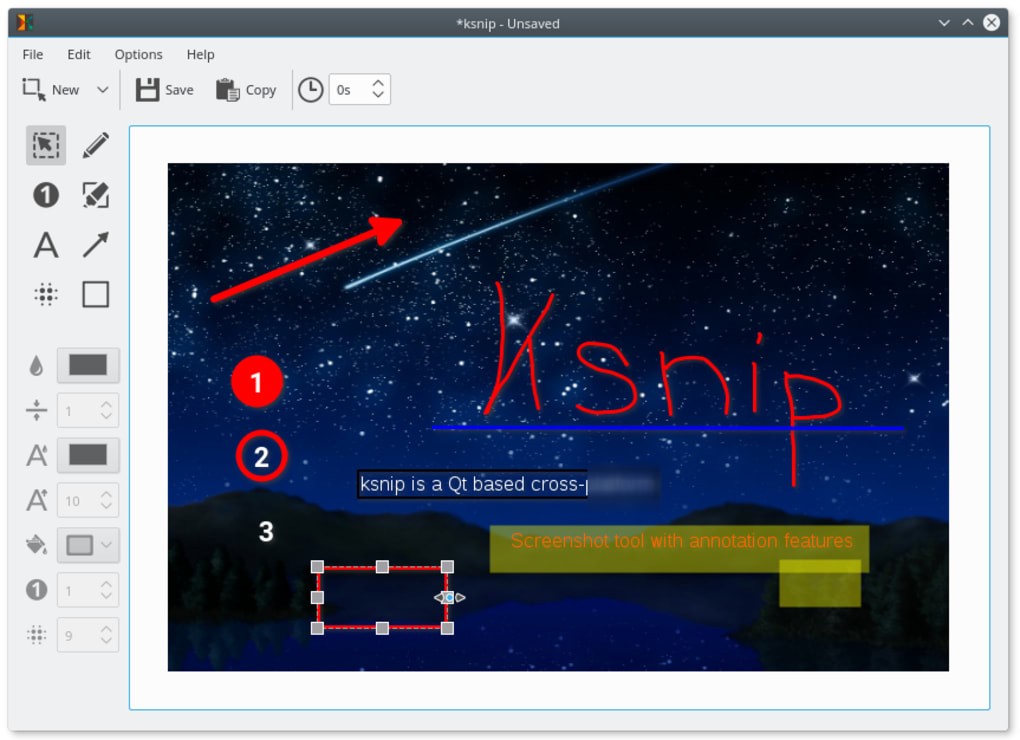
One of the most appealing aspects of Ksnip, as highlighted in its listing, is its status as a “free program for Windows.” This immediately removes a barrier for many potential users, making advanced screen capture capabilities accessible without financial outlay. In a market often saturated with premium or subscription-based software, Ksnip’s free model is a significant draw, especially for individuals, students, and small businesses operating on tight budgets.
The software, in its version 1.6.1, as of its last update on February 17, 2020, is presented as a compact solution. With a size of approximately 433.82 KB, Ksnip is remarkably lightweight, ensuring that it doesn’t consume excessive system resources or storage space. This is a crucial consideration for users who prioritize system performance and prefer lean applications. Its minimal footprint means faster downloads, quicker installations, and less strain on older or less powerful machines, making it an efficient choice for a broad spectrum of Windows environments.
While the provided information from PhanMemFree primarily focuses on Ksnip’s basic attributes, such as its platform compatibility (Windows 10 and above, though Windows 7 is also mentioned, suggesting broader support or historical versions), its English-only language option, and its developer “Ksnip,” it implicitly suggests a tool built for practicality. The very nature of screen capture software implies a need for precision, flexibility, and ease of use. A deeper dive into what Ksnip typically offers, based on common functionalities of leading screen capture tools, reveals why such a program becomes a daily staple for many.
Core Functionalities and User Experience
A modern screen capture tool like Ksnip typically excels in several key areas, allowing users to precisely tailor their captures and enhance them for clarity and communication. These functionalities transform a simple print screen operation into a sophisticated visual communication process.
Diverse Capture Modes
The versatility of Ksnip likely begins with its various capture modes. Users rarely need to capture an entire screen; often, specific windows, defined regions, or scrolling content are required. Ksnip, like other advanced tools in its category, is expected to offer:
- Full Screen Capture: Capturing everything visible on one or multiple monitors.
- Active Window Capture: Focusing precisely on a currently open application window.
- Rectangular Region Capture: Allowing users to drag and define a specific area of the screen, providing granular control over what is included in the screenshot.
- Freehand Capture: For more artistic or non-rectangular selections, giving users the freedom to draw an arbitrary shape for capture.
- Scrolling Window Capture: An invaluable feature for capturing long web pages or documents that extend beyond the visible screen, stitching together multiple segments into a single, continuous image.
These modes ensure that Ksnip can adapt to virtually any screen capture scenario, providing the flexibility users need without resorting to external tools or manual cropping.
Powerful Annotation and Editing Tools
Raw screenshots are often just the starting point. To convey information effectively, annotations are crucial. Ksnip, as a comprehensive utility, would naturally integrate a robust set of annotation tools directly into its interface. This streamlines the workflow, eliminating the need to export the screenshot to an external image editor for basic markups. Expected annotation features include:
- Arrows and Lines: For pointing out specific elements or guiding the viewer’s eye.
- Text Boxes: To add explanatory notes, labels, or captions directly onto the image.
- Shapes (Rectangles, Circles, Ellipses): To highlight important sections or frame critical information.
- Pens and Markers: For freehand drawing, circling, or underlining.
- Blur/Pixelate Tool: Essential for privacy and security, allowing users to obscure sensitive information like names, email addresses, or confidential data within the screenshot.
- Highlighting: Similar to a digital highlighter, making specific text or areas stand out.
The ability to perform these edits immediately after capture significantly boosts productivity. Instead of a multi-step process involving capture, saving, opening an editor, editing, and then saving again, Ksnip allows for a seamless, integrated workflow.
Seamless Sharing and Integration
In today’s interconnected world, capturing an image is only half the battle; sharing it effectively is equally important. A well-designed tool like Ksnip is expected to offer various sharing options to suit different user needs:
- Direct Save to Disk: Supporting common image formats like PNG, JPEG, BMP, and GIF, with customizable naming conventions and save locations.
- Copy to Clipboard: The fastest way to transfer a screenshot to another application (e.g., email, chat, document editor) without saving it as a file.
- Cloud Upload Integration: While not explicitly mentioned, many modern screen capture tools offer direct uploads to cloud storage services (e.g., Imgur, Dropbox, Google Drive) for easy link-sharing. This enhances collaborative workflows and allows for quick dissemination of visual information.
- Print Functionality: For hard copies of screenshots, directly from the application.
These sharing capabilities transform Ksnip from a simple capture tool into a powerful communication aid, enabling users to quickly and efficiently distribute visual data.
The Ksnip Advantage: Why Free Matters
The designation of Ksnip as a “free program” is more than just a pricing model; it’s a philosophy that often translates into broader user adoption and a vibrant community. For many, a free utility that performs reliably is preferable to a paid alternative, especially when the core functionalities are comparable.
The information on PhanMemFree.org indicates Ksnip’s relatively modest download figures (773 total, 38 last month as of the listing date). While these numbers might seem small compared to some commercial giants, they represent a solid base of users who have actively sought out and chosen Ksnip over other options. The absence of a price tag means:
- Accessibility for All: Students, hobbyists, non-profits, and individuals with limited budgets can leverage professional-grade screen capture capabilities without financial constraints.
- Trial Without Commitment: Users can download and experiment with Ksnip without the pressure of a trial period expiring or needing to provide payment information. This open access encourages exploration and wider adoption.
- Community-Driven Improvement: Many free and open-source projects, though not explicitly stated for Ksnip in the snippet, benefit from community feedback and contributions, leading to continuous improvement and bug fixes that are often responsive to user needs.
The very fact that Ksnip is developed and maintained, and listed on platforms like PhanMemFree, speaks volumes about its utility and the dedication behind it. It offers a clear alternative in a software category that is crucial for modern digital tasks, proving that high functionality doesn’t always have to come with a high cost.
Performance and System Requirements
The listing on PhanMemFree mentions that Ksnip requires “Windows 10 and above,” while also listing “Windows 7” under OS details, possibly indicating compatibility with older systems or different versions of the software. For the current version (1.6.1), assuming the “Windows 10 and above” is the primary requirement, this aligns Ksnip with modern operating systems, ensuring compatibility with the latest system architectures and security features.
Despite its powerful feature set (as inferred from its category and alternatives), Ksnip remains remarkably light. A download size of 433.82 KB is exceptionally small for a desktop application, suggesting efficient coding and minimal dependencies. This results in:
- Fast Installation: Users can download and install Ksnip within seconds, getting up and running quickly.
- Low Resource Consumption: Ksnip is unlikely to cause system slowdowns, even when running in the background. This is particularly beneficial for users who run multiple applications simultaneously or have systems with less RAM and processing power.
- Portability Potential: While not explicitly stated, such a small footprint often means the application is easier to manage, update, and potentially even run from portable storage devices.
These performance characteristics make Ksnip an ideal choice for a wide range of users, from those with cutting-edge hardware to those relying on older or resource-constrained machines, without compromising on functionality.
The Broader Context: Screen Capture in Modern Computing
The significance of tools like Ksnip extends far beyond simply taking a picture of the screen. In an increasingly visual and collaborative digital world, effective screen capture is a cornerstone of productivity, communication, and education.
In professional environments, screenshots are vital for:
- IT Support and Troubleshooting: Quickly documenting error messages, software bugs, or user interface issues to facilitate rapid resolution.
- Software Development: Capturing UI/UX states, demonstrating features, or identifying rendering inconsistencies.
- Documentation and Training: Creating step-by-step guides, user manuals, and training materials that are easy to follow and visually intuitive.
- Presentations and Reports: Incorporating visual evidence, data visualizations, and contextual images to enhance clarity and impact.
- Marketing and Sales: Showcasing product features, demonstrating software functionalities, or creating engaging promotional content.
For students and educators, screen capture tools play a crucial role in:
- E-learning: Teachers can create visual explanations, annotate assignments, and provide feedback. Students can capture lecture slides, research findings, and collaborate on projects with visual aids.
- Digital Notetaking: Augmenting text notes with visual references from online resources, e-books, or video lectures.
- Presenting Research: Creating compelling visual components for academic presentations and papers.
Even for personal use, Ksnip enhances daily digital interactions:
- Social Media: Sharing snippets of online content, funny memes, or interesting articles with friends and family.
- Blogging and Content Creation: Adding visual flair and illustrative examples to blog posts, reviews, or tutorials.
- Saving Online Receipts or Information: Quickly capturing important details from web pages that might change or disappear.
Ksnip’s availability on PhanMemFree.org as a free utility underscores the democratization of these essential digital skills. By providing a capable tool at no cost, it empowers a wider audience to harness the power of visual communication, contributing to a more efficient and visually rich digital ecosystem.
Alternatives and the Ksnip Niche
The screen capture market is competitive, with many established players and new entrants. PhanMemFree lists several alternatives and related tools, such as VokoscreenNG (a screen recorder), Quick Screen Recorder, Flameshot (another feature-packed screen capture tool), and Lightscreen (a minimalistic screenshot tool). This context helps define Ksnip’s niche.
While tools like VokoscreenNG and Quick Screen Recorder focus on video capture, Ksnip appears to be firmly in the still-image screen capture category, akin to Flameshot and Lightscreen. Flameshot, described as “Free and Feature-Packed,” likely represents a direct competitor or a benchmark for what users expect from a modern screen capture tool. Lightscreen, labeled “A minimalistic screenshot tool for PC,” suggests a simpler, perhaps less feature-rich option. Ksnip, positioned between these, likely strikes a balance: offering a good array of features without becoming overly complex or resource-intensive, all while being free.
Ksnip’s specific strengths, inferred from its general description and context, would include:
- Balance of Features and Simplicity: It likely provides essential capture and annotation tools without overwhelming the user with unnecessary complexity.
- Lightweight Design: Its small file size and presumed low resource usage set it apart from heavier alternatives.
- Reliability: As a utility listed on a platform like PhanMemFree, it is expected to be stable and functional, providing a consistent user experience.
The availability of Ksnip and similar tools highlights the strong demand for flexible and customizable screen capture solutions. For users who prioritize a free, efficient, and capable tool for Windows, Ksnip presents a compelling option.
Getting Started with Ksnip: Installation and Initial Use
The process of getting Ksnip up and running is designed to be straightforward, reflecting its utility-centric nature. As a Windows application, its installation typically follows standard procedures, ensuring a smooth experience for users.
- Downloading Ksnip: The first step involves visiting a reliable software distribution platform like PhanMemFree.org. Navigating to Ksnip’s dedicated page on PhanMemFree allows users to access the latest stable version available for download. The information provided confirms Ksnip is available for Windows, and its small file size means the download completes quickly, even on slower internet connections.
- Installation: Once downloaded, users would typically execute the installer file. The process usually involves agreeing to terms and conditions, selecting an installation directory (if desired), and following on-screen prompts. Given Ksnip’s lightweight nature, the installation should be swift and require minimal user intervention.
- First Launch and Configuration: Upon its first launch, Ksnip would likely present a user-friendly interface. While specific configuration options are not detailed in the provided snippet, users can generally expect to set up preferences such as:
- Default Save Location: Where screenshots are automatically saved.
- Image Format: Preferred file type (e.g., PNG for lossless quality, JPEG for smaller file size).
- Hotkeys/Keyboard Shortcuts: Customizing key combinations for different capture modes (e.g., Print Screen for full screen, Ctrl+Print Screen for region). This is crucial for power users seeking to optimize their workflow.
- Post-Capture Actions: What happens immediately after a screenshot is taken (e.g., open in editor, copy to clipboard, save automatically).
By offering these customizable options, Ksnip empowers users to tailor the software to their specific needs and habits, making it an intuitive and efficient part of their daily computing. The emphasis on being “free” and accessible means that new users can explore these features without any financial obligation, encouraging experimentation and maximizing the utility they derive from the application.
Conclusion: Ksnip as an Essential Digital Utility
Ksnip stands as a testament to the power of free and efficient software in addressing common digital needs. As outlined on PhanMemFree.org, it is a free program for Windows, developed by “Ksnip,” specifically designed to function within the ‘Utilities & Tools’ category, with a strong implied focus on screen capture. Its version 1.6.1, last updated in early 2020, and its minimal file size of 433.82 KB, coupled with its requirement for Windows 10 and above (or potentially Windows 7), paint a picture of a lean, modern, and accessible application.
The importance of Ksnip, and tools like it, cannot be overstated in a world that increasingly relies on visual information for communication, documentation, and collaboration. From capturing intricate details for technical reports to sharing amusing moments with friends, Ksnip provides the means to do so with ease and precision. Its free availability ensures that advanced screen capture capabilities are not exclusive to those with a budget for premium software but are instead open to a broad spectrum of users.
PhanMemFree plays a vital role in showcasing such valuable tools, allowing users to discover, download, and benefit from applications like Ksnip. By offering a platform for free software, PhanMemFree.org helps bridge the gap between user needs and effective solutions, reinforcing the notion that quality and utility do not always have to come at a cost. Ksnip, therefore, represents more than just a screen capture tool; it embodies the spirit of accessible technology that empowers individuals and enhances digital productivity across various domains. It remains a recommended choice for anyone seeking a reliable, free, and feature-rich screen capture utility for their Windows operating system.
File Information
- License: “Free”
- Version: “1.6.1”
- Latest update: “February 17, 2020”
- Platform: “Windows”
- OS: “Windows 7”
- Language: “English”
- Downloads: “802”
- Size: “433.82 KB”


