
Left 4 Dead, developed by Valve Corporation, emerged as a groundbreaking cooperative first-person shooter, captivating players with its intense zombie-infested world and thrilling team-based gameplay. Released in 2008, the game quickly garnered critical acclaim and a devoted fanbase, cementing its place as a cornerstone of the zombie survival genre. This in-depth analysis delves into the game’s mechanics, narrative, strengths, weaknesses, and lasting impact on the gaming landscape.
The Cinematic Experience of Survival
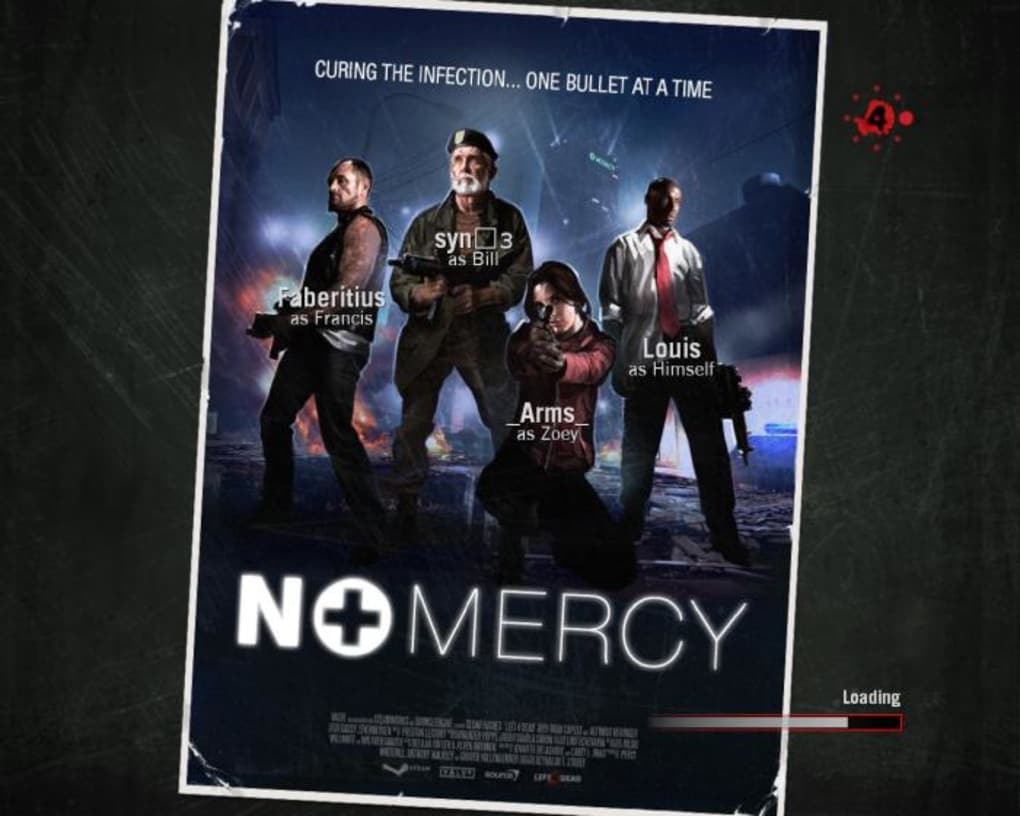
Left 4 Dead masterfully blends action and narrative, presenting a gripping storyline through a series of interconnected chapters. The game casts players as one of four survivors—a veteran, a manager, a biker, and a college student—navigating a zombie apocalypse in a fictional city. The narrative unfolds not just through dialogue and cutscenes, but through environmental storytelling, revealing the devastation wrought by the outbreak through the remnants of everyday life amidst the chaos. The game’s presentation is decidedly cinematic, with carefully orchestrated sequences, dramatic lighting, and a haunting soundtrack that builds tension and underscores the perilous situation of the survivors. The sound design is particularly noteworthy; the constant groans of the undead, the unsettling silence punctuated by sudden bursts of gunfire, and the distant, hopeful roar of a helicopter all contribute to an immersive and deeply unsettling atmosphere.
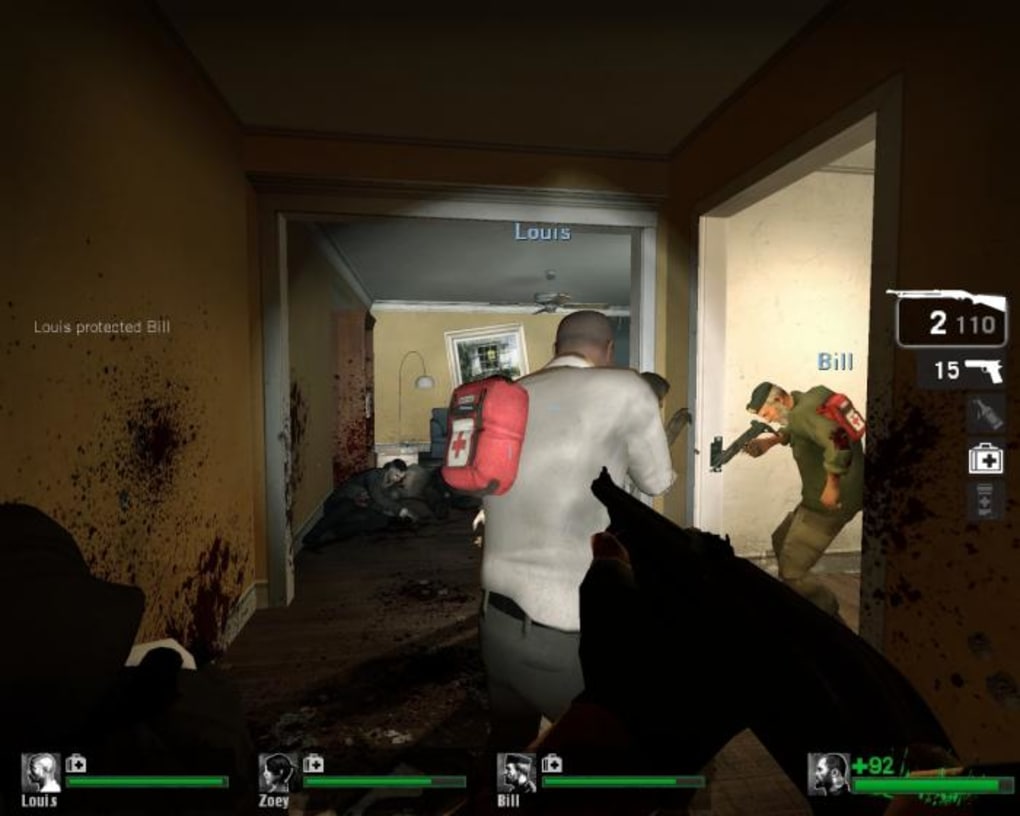
The game’s structure emphasizes cooperative gameplay, demanding teamwork and strategic coordination to survive the relentless hordes of infected. The emphasis on teamwork extends beyond simple survival; players must actively support each other, sharing resources, reviving fallen comrades, and covering each other’s flanks. The consequence of failing to cooperate is immediate and brutal – a single misstep can lead to a swift and gruesome demise. The inability to revive a fallen teammate until a safe moment adds a significant layer of pressure and encourages players to work together effectively, emphasizing strategic retreat and defensive positioning as much as aggressive assaults.
Gameplay Mechanics: A Blend of Familiar and Unique
Left 4 Dead offers a comprehensive arsenal of weapons, catering to various playstyles. Players can choose from a selection of firearms, including shotguns, pistols, submachine guns, sniper rifles, and assault rifles, each with its unique strengths and weaknesses. The inclusion of a melee attack, a simple but effective punch, provides a last resort for close-quarters combat, particularly when ammunition is scarce. Players also have access to health packs for healing themselves and their teammates and grenades for crowd control, adding strategic depth to combat encounters. While the absence of a chainsaw might disappoint fans of other zombie-themed games, the game’s well-balanced arsenal keeps the gameplay diverse and engaging.
The game cleverly introduces a unique feature: the ability to play as a zombie. This innovative element significantly expands replayability, allowing players to experience the game from the perspective of the relentless horde. Controlling a zombie shifts the focus from strategic survival to chaotic mayhem, offering a different dynamic and a satisfying twist for those seeking a change of pace. This design choice elevates the game beyond the traditional survival formula, enriching the multiplayer experience and injecting unexpected moments of thrilling unpredictability into otherwise familiar scenarios.
The Challenge of Unpredictability
One of Left 4 Dead’s most defining characteristics is its dynamic and unpredictable gameplay. The game’s AI Director constantly adjusts the difficulty and spawns of infected based on the players’ performance, ensuring that each playthrough feels unique and challenging. This adaptive AI creates a thrilling sense of unpredictability, preventing the game from becoming repetitive or stale. The constant threat of unexpected surges in the number of infected, the appearance of particularly powerful “special infected” with unique abilities, and the evolving layout of the environment ensures that players are kept on their toes, demanding quick thinking, effective communication, and precise coordination.
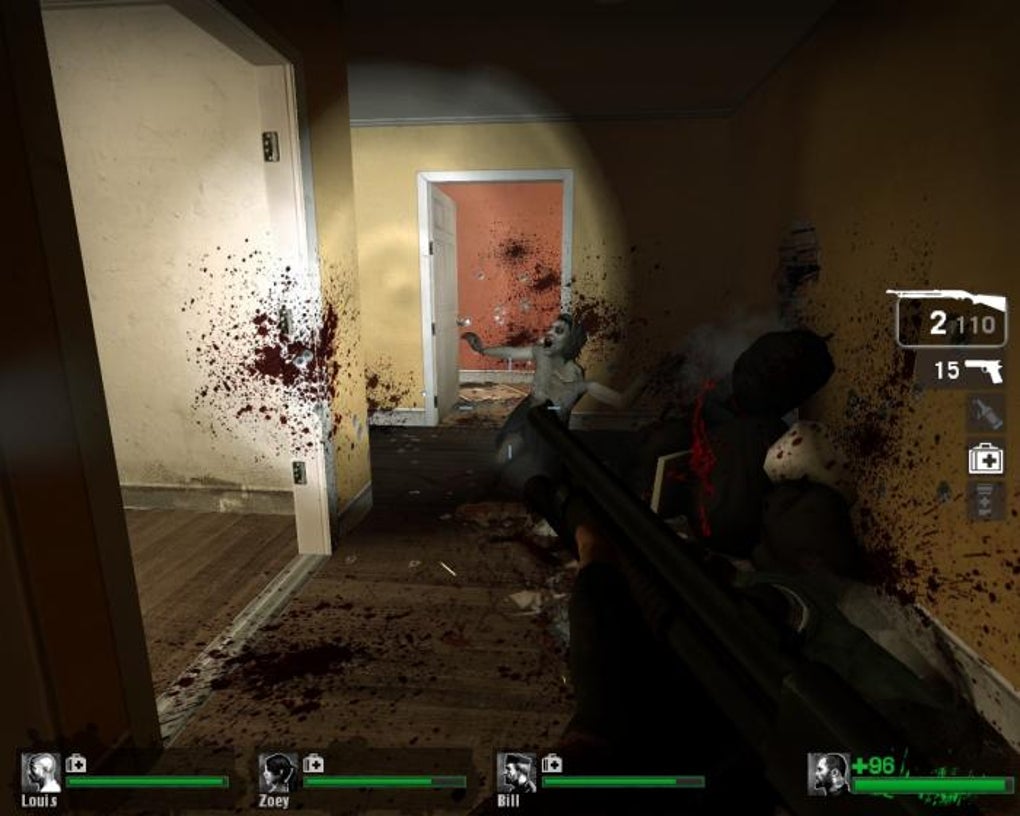
Despite the unpredictable nature of the encounters, the chaotic, frenzied nature of combat sometimes overshadows strategic planning. While the need for teamwork is undeniable, the sheer number of infected, especially in later levels, can overwhelm players, reducing strategic maneuvering to frantic survival. This can lead to a sense of repetitive chaos, diminishing the tactical nuance that might be present in slower-paced zombie games.
Visuals and Sound Design: Creating Atmosphere
Left 4 Dead’s visual style, while not pushing the boundaries of graphical fidelity at the time of its release, serves its purpose effectively. The game’s environments are detailed enough to create a convincing atmosphere of decay and desperation, while remaining optimized to maintain a consistently high frame rate. The character models are expressive and well-animated, allowing players to convey emotions and intent within the frantic action. The game’s visual design skillfully blends realism with a subtle stylistic flair, emphasizing the grim reality of the zombie apocalypse while avoiding the overly gory or grotesque visuals that might alienate some players.
The aforementioned sound design is a crucial element of the game’s overall success. The combination of chilling ambient sounds, unsettling groans of the infected, and the sounds of gunfire creates a highly immersive auditory landscape. The attention to detail in the sound design adds another layer of tension and enhances the sense of dread and desperation, heightening the impact of the game’s more tense moments.
Strengths and Weaknesses: A Balanced Perspective
Left 4 Dead’s strengths are numerous. Its cooperative gameplay is unparalleled, fostering strong bonds between players and requiring teamwork to overcome the relentless hordes. The game’s dynamic AI Director ensures replayability, with each playthrough offering a unique and challenging experience. The cinematic presentation and immersive sound design enhance the atmosphere, drawing players into the unsettling world of the undead. The inclusion of the zombie perspective significantly expands replayability, introducing a fresh and exciting element to the gameplay.
However, the game has its weaknesses. The chaotic nature of combat can sometimes overshadow strategic planning, reducing gameplay to frantic survival. The story, while competently executed, is not groundbreaking or particularly innovative, following a fairly conventional zombie apocalypse narrative. The graphics, while effective in creating atmosphere, are not technologically groundbreaking, showing their age more noticeably as time has progressed. The overall gameplay loop, while engaging in shorter bursts, might eventually lead to a degree of repetitive gameplay after several hours.
Legacy and Impact: A Lasting Influence
Despite its age, Left 4 Dead’s influence on the gaming landscape remains significant. It helped popularize the cooperative zombie shooter genre, inspiring countless imitators and sequels. The game’s innovative use of AI to create dynamic and unpredictable gameplay set a new standard for interactive storytelling. Its success demonstrated the potential of cooperative gameplay to foster social interaction and create shared experiences among players. The game’s enduring popularity is a testament to its effective combination of action, narrative, and cooperative gameplay, making it a true classic of the zombie genre. Left 4 Dead continues to be enjoyed by players and holds a place in video game history for its pioneering role in shaping the modern cooperative shooter experience.


