
Lonely Girl is a free-to-play role-playing game developed by indie developer fleximindg, available on Android. This story-driven simulator offers players a unique opportunity to connect with the titular character – an unnamed female protagonist – fostering a virtual friendship through interaction and engagement. The game’s simple premise and intuitive controls create an immersive experience reminiscent of virtual pet games like My Talking Tom or Pou, but with a significantly enhanced emotional depth and narrative focus, drawing comparisons to titles like A Girl Adrift. This exploration delves into the game’s mechanics, visual style, strengths, and weaknesses, providing a comprehensive overview for potential players.
Gameplay and Mechanics: Building a Virtual Bond
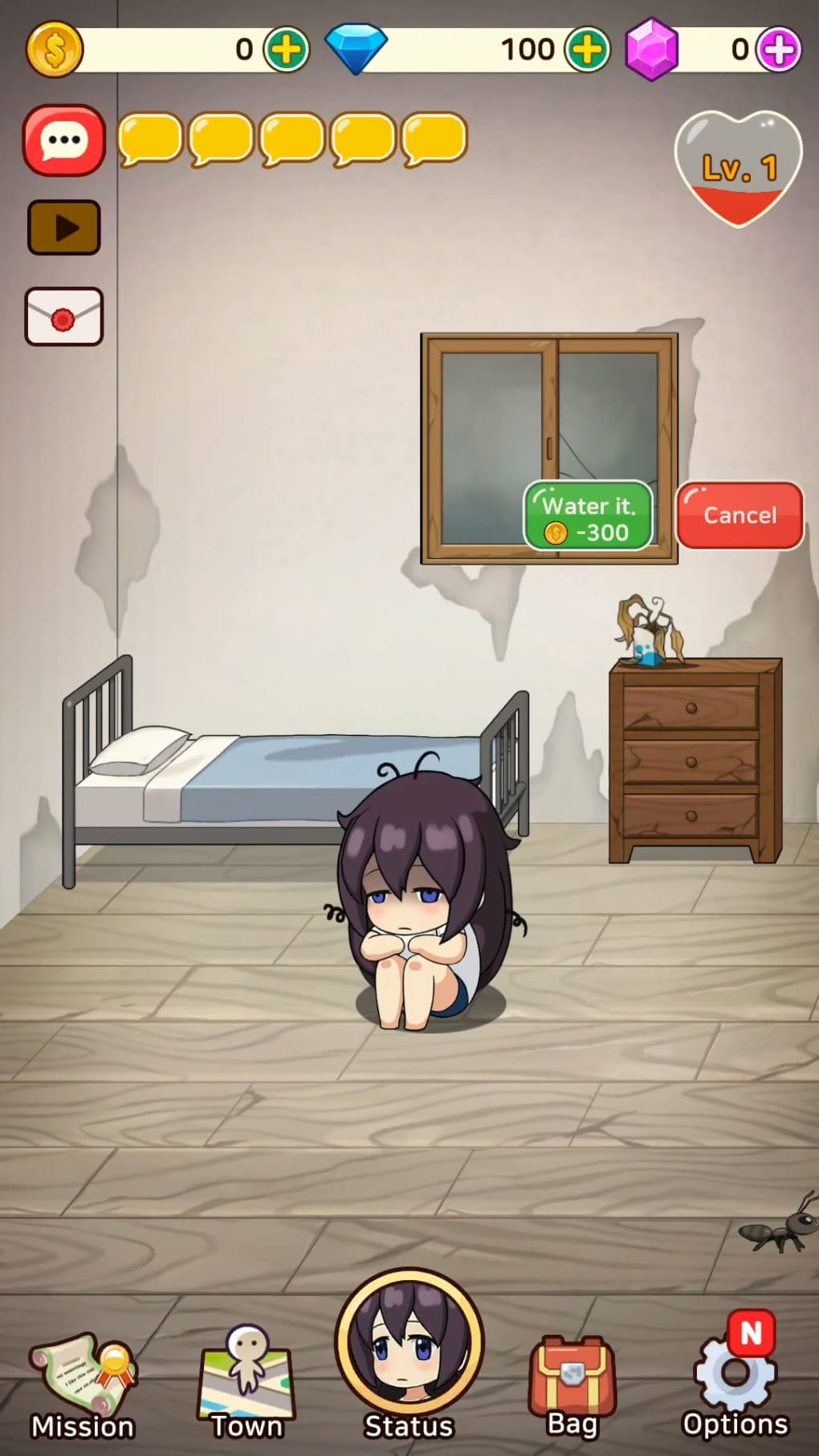
Lonely Girl presents a deceptively simple gameplay loop: interact with the protagonist, complete tasks, and ultimately strive to improve her mood and overall well-being. This interaction unfolds through a series of mini-games, conversations, and choices that shape the narrative and the player’s relationship with the virtual character. The core gameplay revolves around earning in-game currency, which can then be used to unlock new activities, outfits, and background environments. The early stages of the game present a considerable challenge; the initial interactions reveal a protagonist with a short temper and a tendency toward disappointment, demanding patience and skillful engagement from the player. This initial difficulty, however, serves to heighten the sense of accomplishment as the player progresses and witnesses a shift in the protagonist’s emotional state. As the player earns more in-game currency, the game’s difficulty noticeably diminishes, leading to a less engaging experience in the later stages.
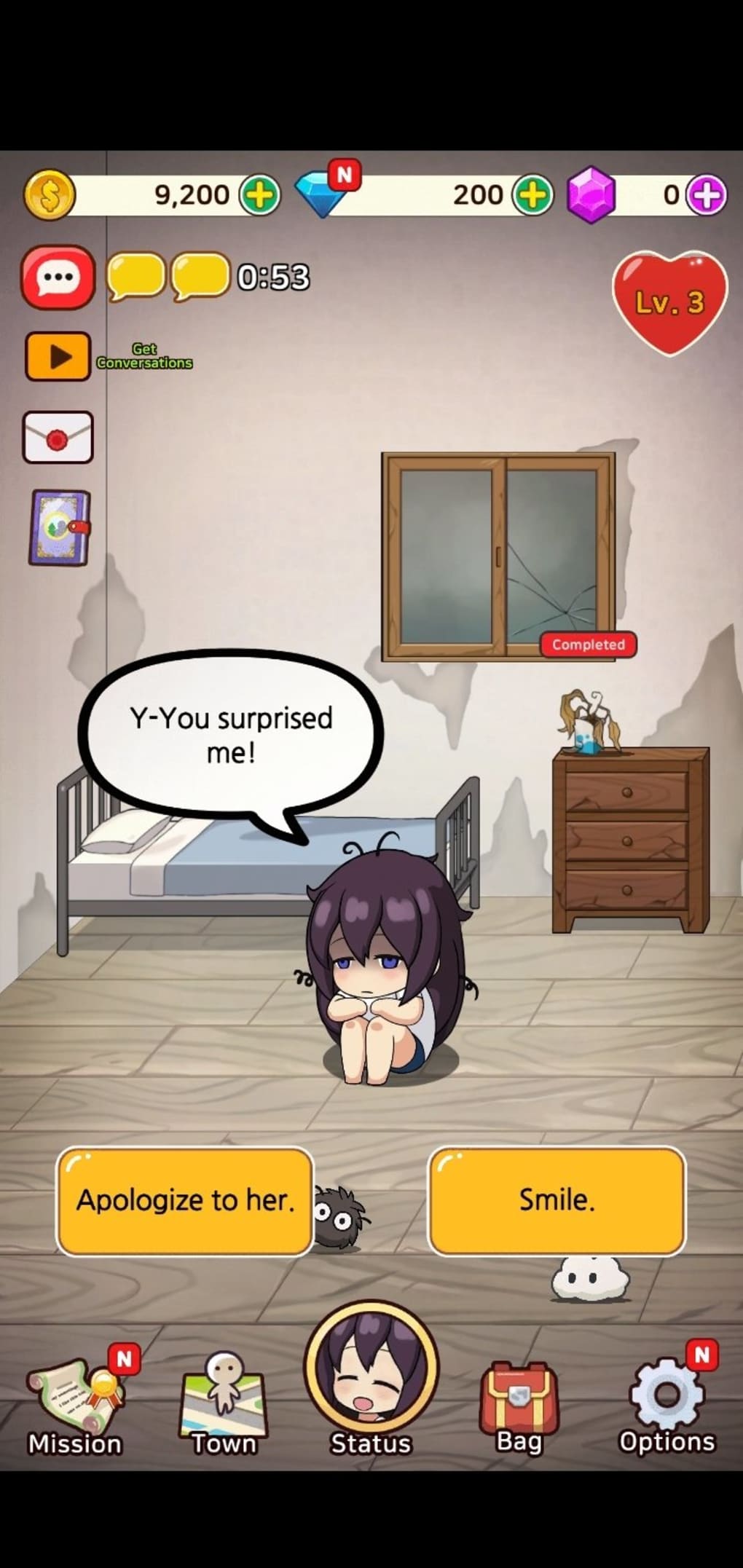
The game features a chibi anime-style art aesthetic, providing a visually appealing and inviting experience. The character designs are charming and expressive, conveying a wide range of emotions through subtle changes in posture and facial expressions. While the background environments offer a pleasant visual backdrop, the background music falls short of enhancing the overall immersive experience. The music lacks dynamism, failing to effectively reflect the fluctuating moods of the protagonist or the unfolding narrative. The visual presentation, however, largely compensates for this deficiency, creating an inviting atmosphere that keeps players engaged.
The Multiplayer Mode: A Work in Progress
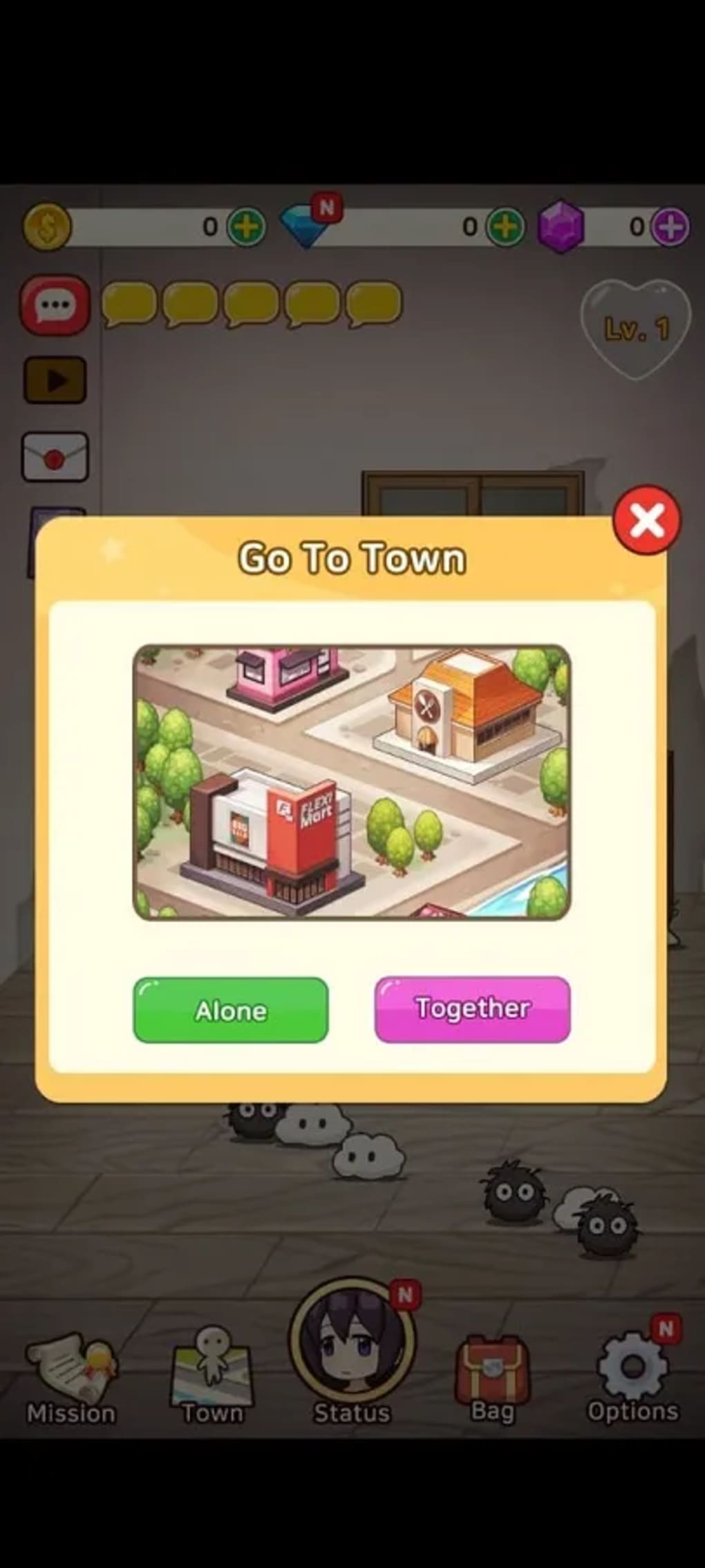
Lonely Girl incorporates a multiplayer component, although its implementation currently falls short of its potential. The advertised multiplayer functionality proves to be a significant drawback. The process of inviting and connecting with friends is cumbersome and often unsuccessful, resulting in frustrating interruptions in gameplay. Furthermore, the multiplayer mode exhibits significant instability, characterized by frequent and unpredictable disconnections. This compromises the collaborative aspects intended by the developers, undermining a key feature that could greatly enhance the overall gaming experience. As a consequence, the game is most effectively experienced as a single-player endeavor.
The presence of numerous advertisements within the game presents another point of concern. While the game itself is free-to-play, the frequency and intrusiveness of the advertisements detract from the overall enjoyment and immersion. These advertisements interrupt the flow of gameplay, disrupting the carefully constructed narrative and potentially hindering the player’s ability to fully engage with the protagonist and the game’s mechanics.
Character Development and Emotional Range
The emotional arc of the Lonely Girl character is arguably the game’s most compelling aspect. The initial portrayal of a frustrated and easily upset protagonist contrasts sharply with the later stages of the game, as the player’s consistent interaction and successful completion of tasks gradually lead to a demonstrable improvement in her disposition. This transformative journey fosters a connection with the player, motivating continued engagement to witness the full extent of her character development. The range of emotions displayed by the character is surprisingly extensive for a game of this type, moving beyond simple happiness and sadness to incorporate a nuanced palette of emotions, adding significant depth to the gameplay experience.
This emotional depth makes the Lonely Girl character relatable and engaging. The player’s success in positively influencing her mood acts as a powerful motivator, establishing a sense of accomplishment and reinforcing the rewarding aspects of the gameplay loop. This character-driven narrative is the game’s primary strength, making it more than just a simple virtual pet simulator. It’s a game that truly encourages empathy and emotional investment from the player, transcending the typical limitations of its genre.
Visuals and Sound: A Mixed Bag
The chibi anime art style is undeniably appealing, contributing significantly to the game’s overall charm. The character’s design is expressive and well-executed, allowing for a clear representation of her emotional states. The diverse range of outfits and customizable elements further contributes to the visual appeal, allowing players to personalize their interaction with the protagonist. However, as previously mentioned, the background music is significantly less impressive. The repetitive and somewhat bland musical score detracts from the overall immersive experience, failing to fully complement the game’s compelling narrative and engaging gameplay mechanics. The absence of dynamic music that responds to the character’s emotional shifts is a missed opportunity to significantly enhance the player’s overall engagement.
In summary, the visuals of Lonely Girl are a strength, while the sound design is a significant area that requires improvement. The charming character designs are a clear highlight, however, the lackluster background music significantly undermines the potential for full immersion.
Conclusion: A Fun, Yet Flawed Experience
Lonely Girl offers a unique and often engaging experience, particularly in the early stages of gameplay where the challenges are most prominent. The focus on building a virtual relationship with the protagonist is compelling and rewarding. The emotional depth of the character and the narrative-driven gameplay set it apart from other simple virtual pet simulators. However, the game’s weaknesses, namely the underdeveloped multiplayer mode, intrusive advertisements, and lackluster background music, prevent it from reaching its full potential. The diminishing difficulty in later stages can also lead to a sense of predictability and a loss of the initial challenge that helps to drive player engagement.
Despite these flaws, Lonely Girl remains a fun and, at times, captivating experience. The charm of the protagonist and the overall intuitive design makes it easily accessible and enjoyable for a wide range of players. For those seeking a casual game with a focus on emotional engagement and character interaction, Lonely Girl offers a worthwhile albeit imperfect experience. The developers have clearly invested in creating a compelling character, but further development and refinement of the multiplayer functionality, a reduction in intrusive advertisements, and an improvement to the background music would significantly enhance the overall quality of the game.
File Information
- License: “Free”
- Version: “4.5.0”
- Latest update: “January 3, 2023”
- Platform: “Android”
- OS: “Android 7.0”
- Language: “English”
- Downloads: “136.4K”
- Size: “21.06 MB”
- Download Options: “APK, Google Play”
- Filename: “Lonely_Girl_v4.5.0.apk”


