Lords of the Realm II, a classic real-time strategy (RTS) game developed by Impressions Games, transports players to the medieval era, challenging them to build and manage their kingdoms, wage war, and ultimately, conquer their rivals. Released in 2016, this Windows-exclusive title retains its appeal through engaging gameplay and strategic depth, making it a worthwhile experience for strategy game enthusiasts. This article delves into the various aspects of Lords of the Realm II, examining its gameplay mechanics, historical context, and overall impact on the strategy game genre.
Gameplay and Mechanics: A Masterclass in Medieval Management
Lords of the Realm II offers a compelling blend of kingdom management, diplomacy, and warfare. Players assume the role of a medieval lord, tasked with establishing and expanding their realm through careful planning and shrewd decision-making. The core gameplay loop revolves around several key elements:
-
Resource Management: The foundation of any successful kingdom lies in its economic strength. Players must efficiently manage resources like food, gold, and building materials to fund construction projects, maintain armies, and satisfy the needs of their populace. Strategic resource allocation is crucial, determining the pace of expansion and military strength. Inefficient resource management can lead to unrest, rebellion, and ultimately, defeat.
-
Diplomacy and Intrigue: The medieval world is fraught with political complexities, and Lords of the Realm II accurately reflects this. Players can engage in diplomacy with neighboring lords, forming alliances, negotiating trade agreements, or even orchestrating betrayals to gain a strategic advantage. The ability to navigate the treacherous waters of medieval politics is as vital as military prowess. Forming alliances can bring crucial support in times of war, while expertly playing rivals against each other can pave the way for significant territorial gains.
-
Military Campaigns and Warfare: War is an inevitable part of the medieval landscape, and Lords of the Realm II provides a robust system for engaging in conflict. Players must recruit, train, and equip their armies, selecting from various unit types, each with its own strengths and weaknesses. Strategic deployment of troops, effective use of terrain, and careful consideration of enemy strengths are paramount to achieving victory on the battlefield. Siege warfare is a significant aspect, requiring players to plan and execute intricate sieges to capture fortified cities and castles. The game accurately depicts the limitations and vulnerabilities of medieval armies, highlighting the importance of flanking maneuvers and combined arms tactics.
-
Building and Infrastructure: Building a thriving kingdom requires constructing and managing various structures. These include farms for food production, mines for resource extraction, barracks for training soldiers, and churches for maintaining morale and faith. The placement and upgrade of these structures are critical for maximizing efficiency and bolstering the kingdom’s strength. Strategic placement also plays a role in defense, as careful placement of defensive structures can deter attacks.
- Technological Advancement: Lords of the Realm II incorporates a technology tree that allows players to research and unlock new units, buildings, and technologies, enhancing their capabilities across various areas. Choosing the right technologies to research is crucial for adapting to changing circumstances and outmaneuvering opponents. Focusing on specific technologies can lead to a specialized army, while others improve economic efficiency and administrative capabilities.
Historical Context and Accuracy: A Glimpse into the Medieval World
While a fictionalized representation of the medieval period, Lords of the Realm II draws inspiration from real historical events and societal structures. The game’s setting captures the essence of the era, portraying the complexities of medieval life, from feudal hierarchies and religious influences to the ever-present threat of war and political instability.
The game depicts the importance of the feudal system, with lords wielding significant power over their vassals. Players must manage the relationships with their vassals, balancing their needs with the overall objectives of the kingdom. The significance of religion in medieval society is also evident, with churches playing a key role in maintaining social order and morale. The religious aspect of the game adds depth and a more historically relevant element to the kingdom’s stability.
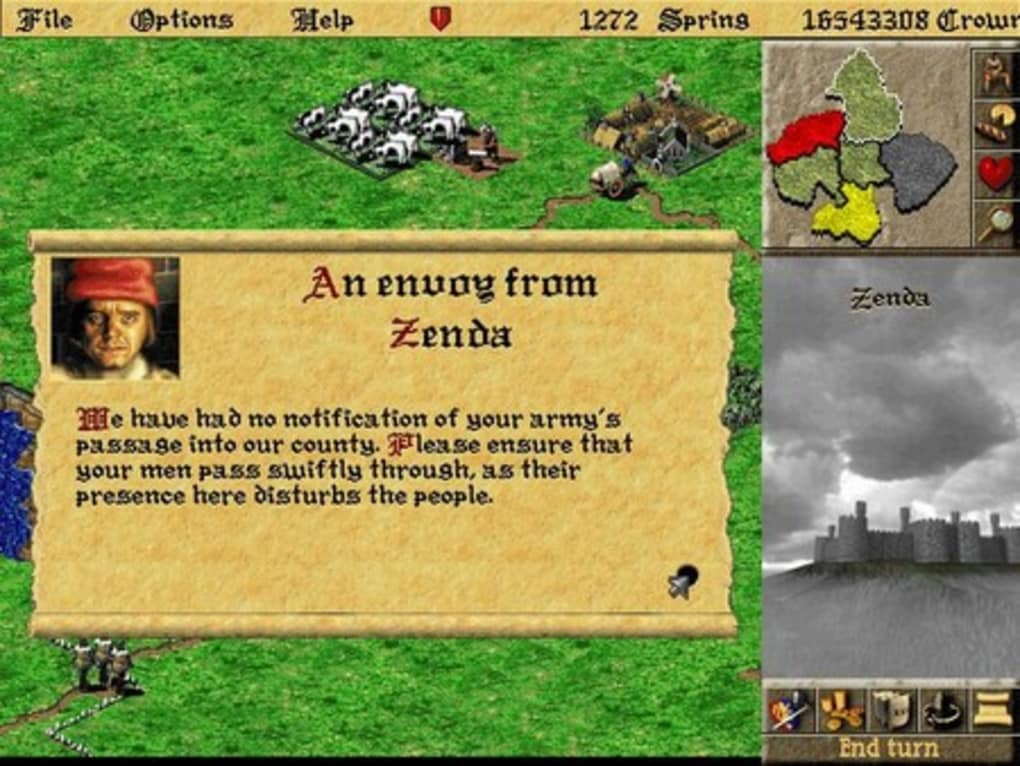
The game’s portrayal of warfare reflects the realities of medieval combat. Sieges, infantry battles, and the strategic importance of castles and fortifications are all accurately depicted. The limited range of units and their vulnerabilities reflect the technological limitations of the era, encouraging careful planning and strategic thinking on the battlefield.
While not entirely historically accurate in every detail, Lords of the Realm II successfully captures the atmosphere and many core elements of the medieval world, creating an immersive and engaging gameplay experience. The game’s blend of historical elements with fictional narratives provides a fun and engaging approach to exploring the period.
Lords of the Realm II’s Legacy: A Lasting Impact on Strategy Gaming
Lords of the Realm II, despite its age, stands as a testament to the enduring appeal of classic real-time strategy games. Its blend of economic management, political intrigue, and military combat remains engaging and challenging for players today. The game’s influence can be seen in many subsequent strategy games, particularly those that focus on kingdom management and medieval settings. The emphasis on balancing multiple aspects of governance and warfare continues to be a hallmark of many modern RTS titles.
The game’s focus on tactical depth and strategic planning has set a precedent for many modern strategy titles. The attention to detail, with regards to troop types, unit interactions, and terrain, contributed to the rich and strategic battlefield that players encounter. The necessity to blend economic and military strategies to achieve success is a key feature that has influenced many subsequent games in the genre.
The enduring appeal of Lords of the Realm II lies in its combination of accessible gameplay and high strategic depth. While the game’s interface and graphics might seem dated compared to modern standards, the core gameplay remains remarkably engaging and rewarding. The strategic depth ensures that each playthrough is unique and challenging, encouraging players to experiment with different strategies and approaches.
Alternative Apps and Similar Games: Exploring the Strategy Genre
While Lords of the Realm II provides a unique medieval strategy experience, numerous alternative applications and similar games offer comparable gameplay and settings. Exploring these alternatives can broaden a player’s experience within the strategy genre, exposing them to diverse gameplay mechanics and different settings.
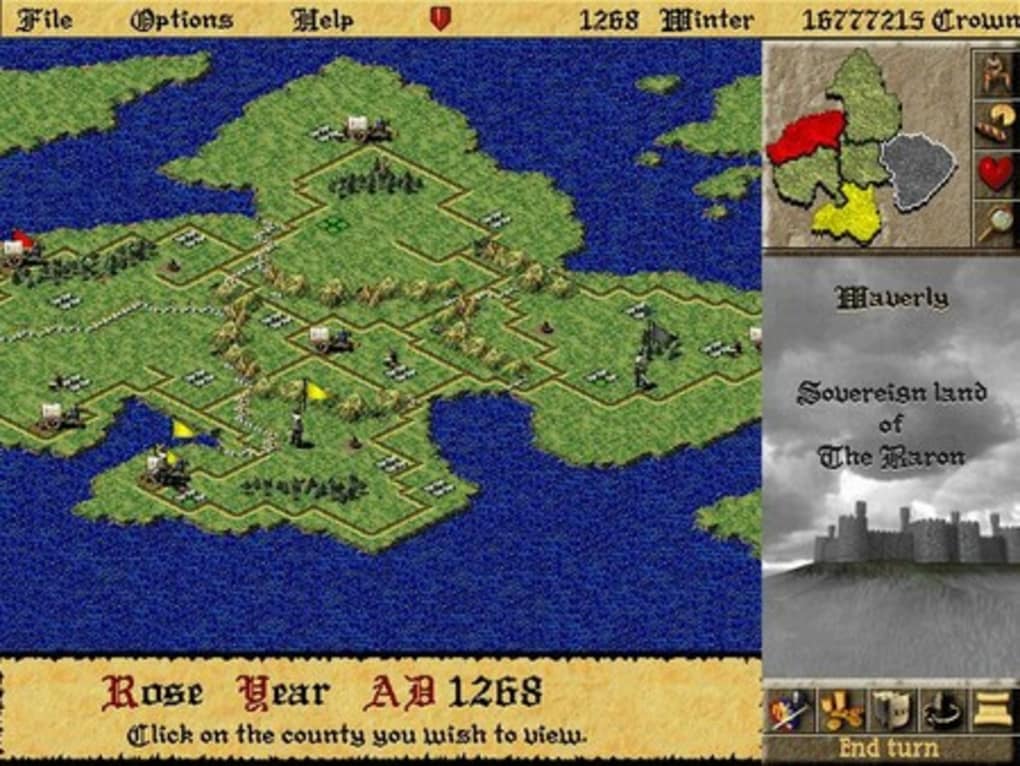
Players interested in a more modern take on medieval strategy might consider titles such as Age of Empires IV or Total War: Medieval II. These games offer updated graphics, improved mechanics, and expanded features, while still retaining the core elements of kingdom management and warfare.
For those seeking a greater focus on political intrigue and diplomacy, games like Crusader Kings III could be a worthwhile choice. This game emphasizes the role-playing aspects and the intricate web of relationships and alliances in the medieval world, making for a very different, though equally compelling, strategy experience.
Ultimately, the choice of alternative apps and similar games depends on individual preferences and desired gameplay experiences. Each option presents unique challenges and rewards, providing a diverse range of choices for strategy game enthusiasts.
Conclusion: A Timeless Classic in the Strategy Game Landscape
Lords of the Realm II, despite its release date, remains a compelling and engaging strategy game. Its blend of historical context, strategic depth, and captivating gameplay mechanics provide a rewarding experience for seasoned strategy gamers and newcomers alike. While modern titles offer enhanced graphics and features, the core elements that make Lords of the Realm II so captivating remain timeless. For anyone interested in experiencing a classic blend of medieval kingdom management and intense warfare, Lords of the Realm II is a title worthy of exploration. The game continues to garner a devoted following, a testament to its enduring gameplay and enduring influence on the strategy genre.
File Information
- License: “Full”
- Version: “2016”
- Latest update: “July 20, 2021”
- Platform: “Windows”
- OS: “Windows 10”
- Language: “English”
- Downloads: “4.4K”