
In the vast and ever-expanding landscape of horror gaming, few titles manage to carve out a niche that is truly unsettling, relying less on cheap jump scares and more on an insidious, creeping dread. “Lost in Vivo,” developed by Kira, is one such gem. This full-version, paid application for Windows, readily available in English, is not merely a game; it’s an experience designed to test the limits of your courage and mental fortitude, plunging players into a harrowing journey through confined spaces and psychological torment. Released with its latest update on February 1, 2024, and boasting a clean security status verified by PhanMemFree, “Lost in Vivo” stands as a testament to atmospheric horror done right. It’s a game that doesn’t just ask you to play; it demands that you confront your deepest fears, especially those related to confinement and the unknown.
At its core, “Lost in Vivo” presents a simple yet profoundly emotional premise that quickly escalates into a nightmarish ordeal. Your beloved service dog, a loyal companion, has been tragically forced down a broken sewer drain during a ferocious storm. Driven by an unbreakable bond and a desperate need to rescue your canine friend, you embark on a perilous venture into the murky, suffocating depths of the sewer system. Armed with nothing but your determination and whatever meager resources you might find, players are immediately thrust into an environment where every shadow holds potential danger, and every sound echoes with an unsettling uncertainty. This narrative hook, tapping into our primal protective instincts, sets a deeply personal and urgent tone, making the horror that unfolds all the more impactful.
This title distinguishes itself from many contemporaries by meticulously crafting an atmosphere of relentless psychological suspense. It’s a game where the environment itself becomes a character, an antagonist that preys on your senses and anxieties. Fans of games that prioritize mood and tension over explicit gore will find “Lost in Vivo” particularly compelling. It delves into the nuances of terror, exploring the fragile line between physical confinement and the mental prisons we construct for ourselves. Prepare for an adventure that doesn’t just aim to frighten you but to challenge you, pushing you to confront fears you might not even realize you harbored.
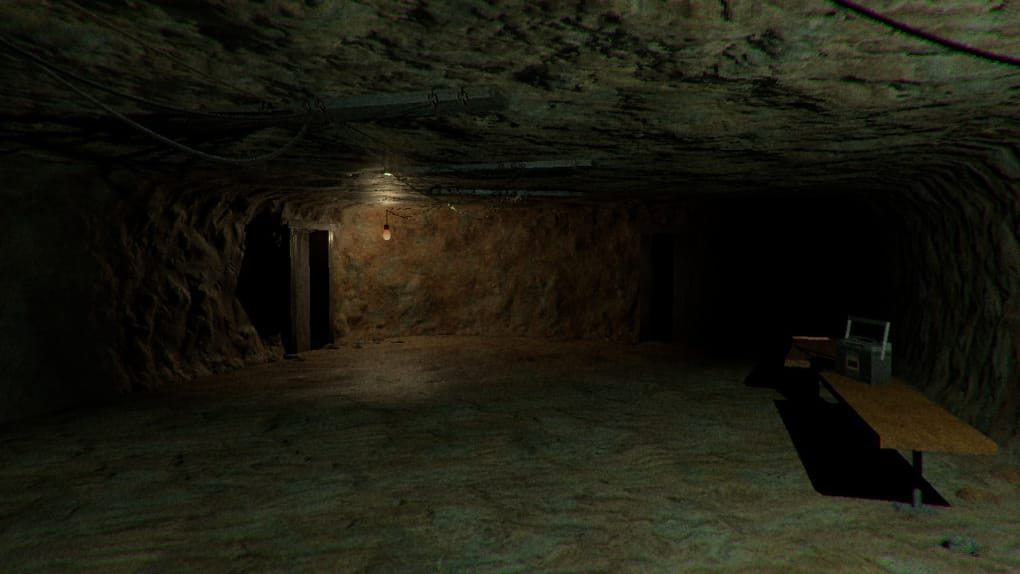
Descending into Darkness: The Core Narrative and Gameplay
The initial premise of “Lost in Vivo” is deceptively straightforward: rescue your service dog. However, the execution of this mission is anything but. The moment you step into the broken sewer drain, the game begins its masterful manipulation of your senses and expectations. The world of “Lost in Vivo” is one of perpetual gloom, where light sources are scarce, and the air feels thick with unseen threats. The motivation to find your loyal companion is a powerful driving force, transforming what could be a generic horror scenario into a deeply personal quest for survival and reunion. This emotional anchor makes the subsequent horrors far more effective, as your empathy for your lost dog magnifies the stakes.
Gameplay primarily involves navigating these labyrinthine, often pitch-black, sewer tunnels and interconnected underground facilities. Exploration is key, but it’s an exploration fraught with tension. Players must meticulously search for clues, tools, and a path forward, all while being constantly aware of their surroundings. The game design cleverly leverages limited visibility and ambiguous sound cues to keep players perpetually on edge. Is that distant growl merely pipework, or something far more sinister? Does the faint glimmer ahead promise salvation or a new layer of torment? Every step feels deliberate, every turn a gamble.
“Lost in Vivo” excels in its pacing. It understands that sustained dread is often more impactful than a series of abrupt scares. The game allows moments of relative quiet, but these are often imbued with an underlying sense of unease, serving to build anticipation for the next unsettling encounter. The horror isn’t always monstrous; sometimes, it’s the sheer isolation, the oppressive silence, or the subtle shifts in the environment that truly disturb. This meticulous attention to atmosphere ensures that players are not merely reacting to events but are actively immersed in a state of growing anxiety, turning the simple act of searching for a lost pet into a profound journey into the heart of darkness. The challenges presented are not just about overcoming obstacles but about enduring the psychological toll of the experience, making the eventual resolution, whatever it may be, feel earned and deeply impactful.
The Claustrophobic Heart of Horror
Where “Lost in Vivo” truly distinguishes itself within the horror genre is its profound and unwavering commitment to exploring claustrophobia. This isn’t just about physical confinement, though the game certainly excels at depicting tight, suffocating spaces. It’s about a multi-layered assault on the player’s sense of freedom and safety, delving into the mental traps and psychological pressures that extreme confinement can induce. The developers, led by Kira, have masterfully crafted an environment that feels genuinely oppressive, where the very walls seem to close in around you.
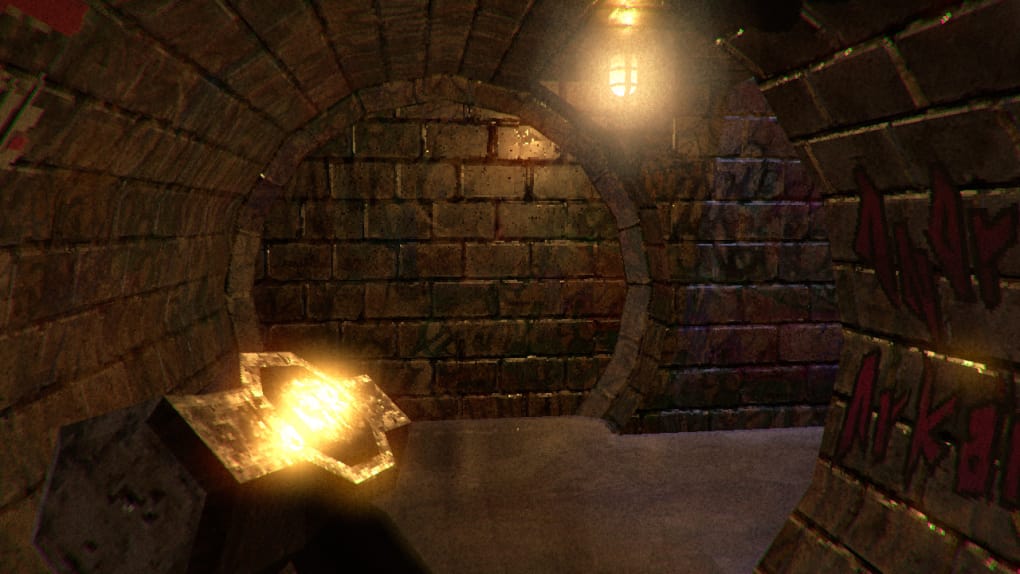
Visually, the game achieves this through its tight camera angles, often a first-person perspective with a limited field of view, enhancing the feeling of being hemmed in. Corridors are narrow, ceilings are low, and the omnipresent darkness is only occasionally pierced by the meager beam of a flashlight, which often seems to highlight only more of the encroaching gloom. The detailed textures of damp concrete, rusty pipes, and stagnant water all contribute to an overwhelming sense of decay and enclosure. Every crevice feels too small, every passage too long, creating an almost physical discomfort in the player as they navigate these suffocating pathways.
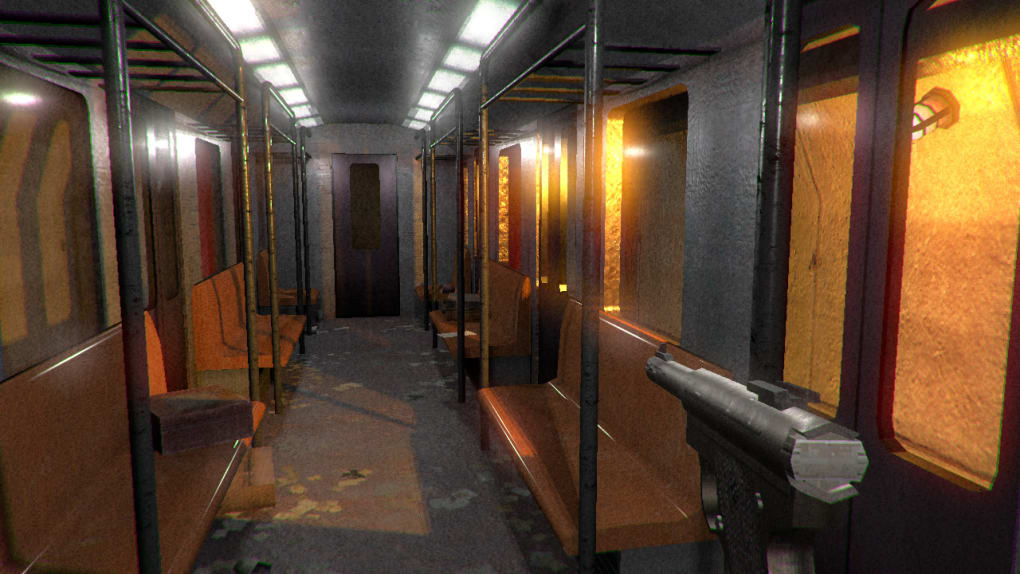
However, the claustrophobia extends far beyond mere physical representation. “Lost in Vivo” expertly uses sound design to amplify this feeling. The ambient sounds of dripping water, distant echoes, and the unsettling creaks and groans of an ancient infrastructure are not just background noise; they are integral to the game’s psychological terror. These sounds often suggest things unseen, lurking just beyond the periphery of your vision or just out of earshot, reinforcing the idea that you are not alone, yet utterly isolated. The silence itself can be horrifying, as it allows your mind to conjure its own terrors, filling the void with imagined threats.
The “mental traps” of claustrophobia in “Lost in Vivo” manifest as a pervasive sense of helplessness and vulnerability. With limited resources and an unknown enemy, players are stripped of their usual agency. The game constantly reminds you of your precarious position, leading to moments of genuine panic and frantic decision-making. This psychological pressure cooker environment forces players to confront their own anxieties about being trapped, unable to escape, and at the mercy of forces beyond their control. It’s an internal horror that resonates deeply, making “Lost in Vivo” a chilling and unforgettable experience for anyone brave enough to delve into its confined depths.
Technical Details and Player Experience
“Lost in Vivo” provides a robust and engaging experience for players on the Windows platform, specifically optimized for Windows 10. As a full-version, paid application, it offers a complete, uninterrupted horror journey without the limitations of trials or demos. Developed by Kira, the game demonstrates a clear vision for atmospheric horror, evident in its detailed environments and meticulously crafted soundscapes. The fact that its latest update was as recent as February 1, 2024, indicates ongoing support and refinement from the developer, ensuring a stable and polished experience for its player base.
One notable aspect of “Lost in Vivo” is its inclusion of controller support, which for a PC horror title can significantly enhance immersion for many players. However, this feature comes with specific instructions that are crucial for a smooth experience. Users are advised to navigate past the graphic options within the game before attempting to utilize a controller. Furthermore, a critical warning is issued against rebinding any keys if you are using a controller, as the game’s menu inputs are hardwired to specific controller buttons, not their labeled functions. This means that altering key bindings could lead to unexpected behavior or difficulties in menu navigation. Additionally, players should be aware that there is currently no support for opening the Steam overlay with a controller, a minor but potentially inconvenient detail for those who rely on it for screenshots, communication, or other Steam-specific functions. Despite these quirks, the availability of controller support broadens the game’s accessibility and appeal, allowing players to choose their preferred input method for maximum comfort and immersion.
With an English language interface, “Lost in Vivo” is accessible to a broad international audience. While download numbers reported on PhanMemFree indicate 3.5K total downloads and 55 in the last month, these figures suggest a dedicated, if somewhat niche, following for this indie horror gem. The game’s 5/4-star rating, though based on a limited number of reviews, points to a strong positive reception from players who have ventured into its terrifying world.
A significant reassurance for prospective players is the “Clean” security status proudly displayed by PhanMemFree. This status is not granted lightly; PhanMemFree conducts thorough scans of all files hosted on its platform using over 50 leading antivirus services worldwide. The absence of any detected threats means users can download and install “Lost in Vivo” with confidence, knowing that PhanMemFree’s rigorous checks have found the software to be free from malicious content, malware, or unwanted bundled programs. This commitment to user safety underscores PhanMemFree’s dedication to providing a secure environment for software downloads.
Beyond the Drain: A Niche in Modern Horror
“Lost in Vivo” occupies a distinct and increasingly appreciated niche within the modern horror game landscape. In an era often dominated by jump-scare heavy titles or sprawling open-world survival experiences, Kira’s creation stands out for its focused, intensely atmospheric, and deeply psychological approach to fear. It doesn’t aim to bombard players with cheap thrills but rather to slowly, inexorably, envelop them in an environment of suffocating dread and mental anguish. This makes it a spiritual successor to older horror games that prioritized environmental storytelling and psychological discomfort over overt violence.
For fans of titles that eschew combat for pure, unadulterated exploration and survival horror, “Lost in Vivo” offers a refreshing and terrifying alternative. It appeals directly to those who appreciate the slow burn of psychological suspense, where the greatest horrors are often those imagined rather than seen. When placed alongside other acclaimed horror games, some of which are mentioned as alternatives on PhanMemFree, such as “The Floor Is Breathing,” “Oxide: Room 104,” “Insomnis Experiment,” or even the more abstract “SOMA,” “Lost in Vivo” holds its own. It shares their commitment to creating disturbing realities and challenging players’ perceptions, but it hones in on the specific terror of claustrophobia with an almost surgical precision.
The game’s appeal lies in its ability to tap into primal fears: the fear of the unknown, the fear of confinement, and the fear of helplessness. It doesn’t rely on elaborate mythologies or complex lore to be frightening. Instead, it builds its terror from the ground up, using environmental design, soundscapes, and a relentless sense of vulnerability to create an experience that feels deeply personal and disturbingly real. This makes it a perfect choice for players seeking a horror game that is not just scary but genuinely unsettling, one that lingers in the mind long after the credits roll.
“Lost in Vivo” is not just another horror game; it is a meticulously crafted descent into the depths of fear, leveraging claustrophobia as its primary weapon. Its simple yet emotionally resonant narrative, combined with its masterful atmospheric design and psychological torment, creates an unforgettable experience. For those ready to brave the murky depths of a broken sewer drain in search of a lost companion, and in doing so, confront their own deepest anxieties, “Lost in Vivo” offers a chilling adventure that promises to test your courage and haunt your thoughts. Available for Windows and with a clean bill of health from PhanMemFree, it’s a must-play for any connoisseur of true horror.
File Information
- License: “Full”
- Version: “varies-with-device”
- Latest update: “July 31, 2025”
- Platform: “Windows”
- OS: “Windows 10”
- Language: “English”
- Downloads: “3.5K”


