
Lunascape carved a unique niche in the web browser landscape by offering a groundbreaking feature: simultaneous support for three distinct rendering engines. This innovative approach made it a powerful tool for web developers and designers who needed to test their creations across different browser environments, ensuring cross-browser compatibility and a consistent user experience. Unlike other browsers of its time, Lunascape didn’t require users to run multiple instances to achieve this; instead, each tab within a single window could utilize a different engine, streamlining the testing process considerably. This review explores the features, strengths, weaknesses, and legacy of this once-popular and forward-thinking browser.
The Tri-Engine Advantage: A Paradigm Shift in Web Development
At the heart of Lunascape’s appeal lay its ability to render web pages using Trident (the engine powering Internet Explorer), Gecko (used in Firefox), and WebKit (the foundation of Safari and Google Chrome). This unique functionality provided developers with an unparalleled ability to assess how their websites or web applications would perform across a diverse range of browsers without the cumbersome process of manually switching between different applications. The simultaneous rendering within individual tabs drastically reduced the time and effort involved in cross-browser testing, allowing for quicker identification and resolution of compatibility issues. This was particularly crucial during a period where browser differences often led to significant discrepancies in website rendering and functionality.
The integration of these three major rendering engines within a single browser was a significant achievement, demonstrating Lunascape’s commitment to innovation and addressing a critical need within the web development community. By providing a comprehensive and efficient cross-browser testing solution, Lunascape helped developers create websites that were more robust, consistent, and accessible to a wider audience. This feature alone set Lunascape apart from its competitors and cemented its position as a valuable tool for professionals working on the web. The ability to seamlessly switch between rendering engines with just a tab change provided a level of convenience and efficiency that was unmatched at the time.
Beyond the Engines: A Rich Feature Set
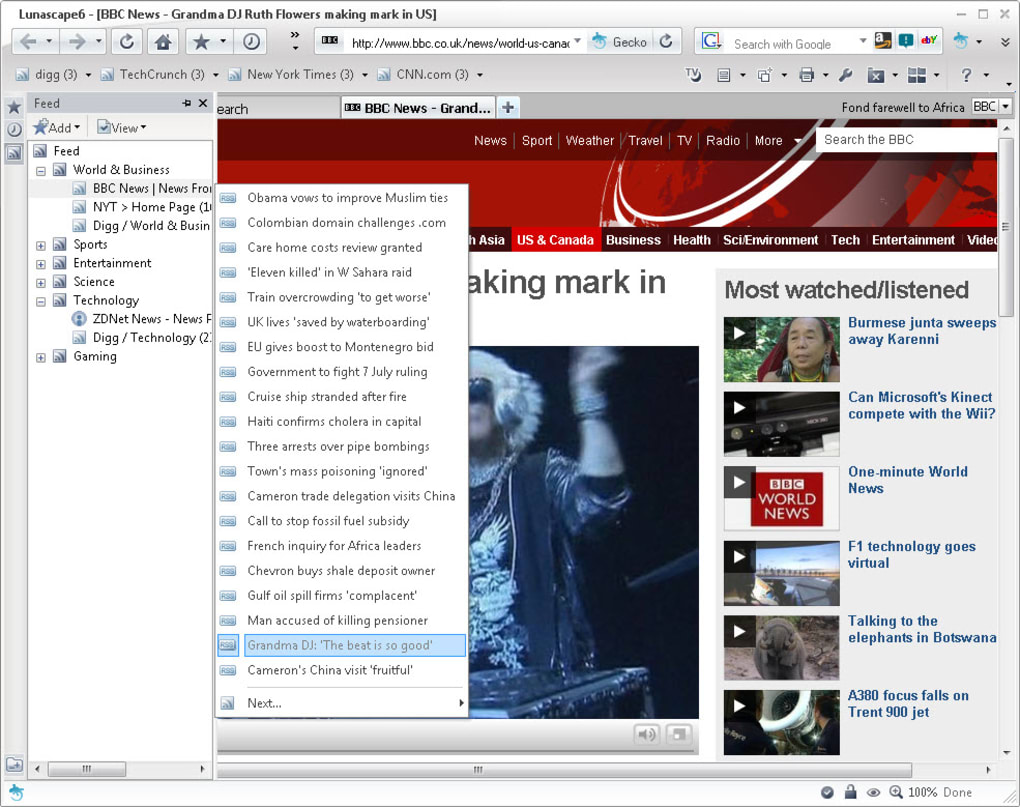
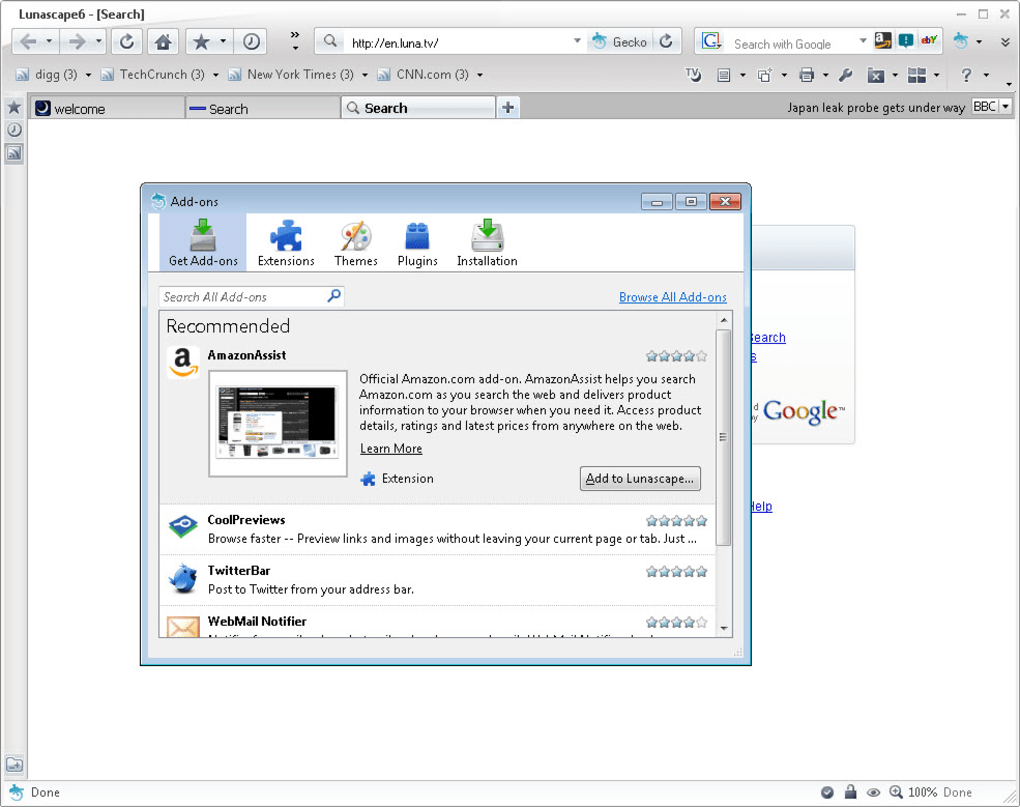
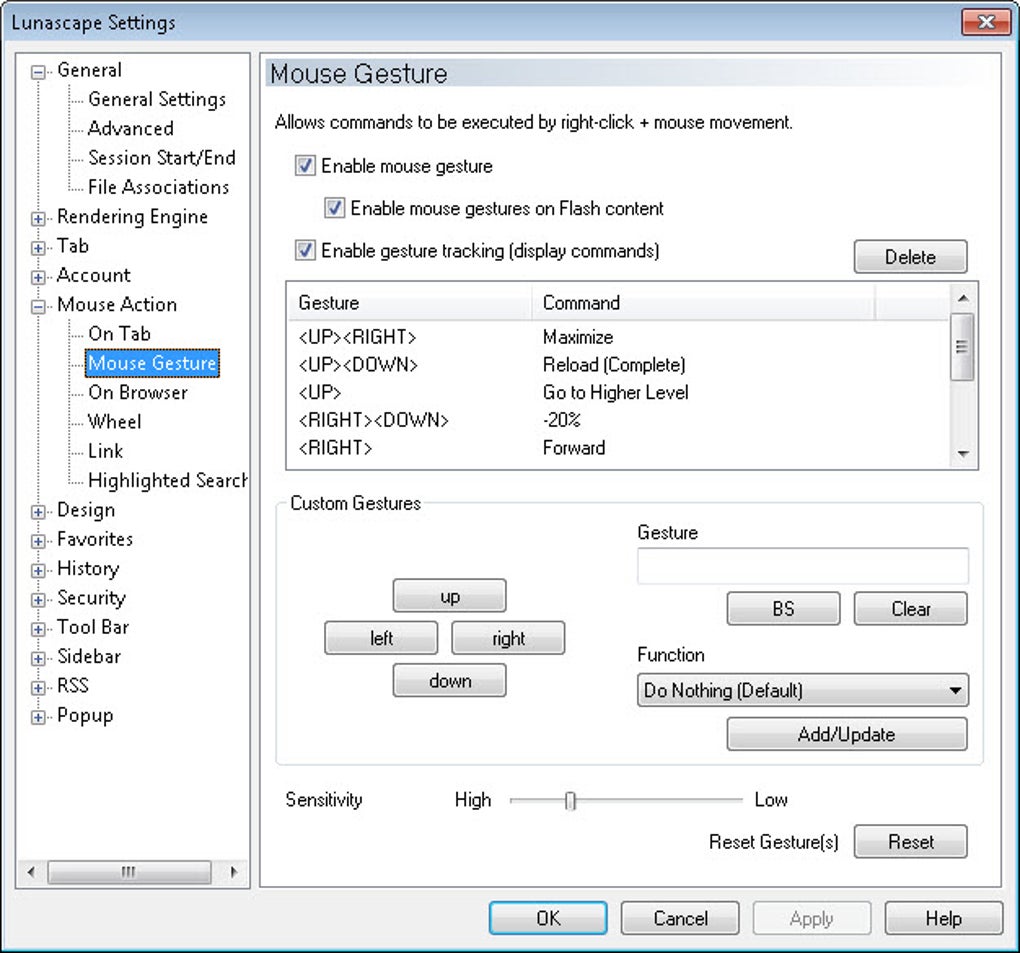
Lunascape wasn’t just a multi-engine browser; it offered a comprehensive suite of features designed to enhance the user experience and provide a versatile browsing environment. The inclusion of mouse hotkeys and gestures streamlined navigation, while the built-in RSS feed reader facilitated easy access to news and updates. A powerful multi-search tool allowed for quick searches across different search engines simultaneously. The customizability options, including skins and plugins, allowed users to personalize their browser experience, mirroring the flexibility offered by Firefox through extensions.
This blend of core functionality and advanced features catered to a wide spectrum of users. While the multi-engine capability specifically attracted web developers, the additional features appealed to casual users who appreciated a highly customizable and efficient browsing experience. The versatility of Lunascape made it a compelling alternative to more mainstream browsers, particularly for users seeking greater control and personalization.
However, this abundance of features also contributed to some of Lunascape’s drawbacks. The initial setup and configuration process could be overwhelming for new users, presenting a steep learning curve. The sheer number of options and settings could be daunting, requiring time and effort to master. This was particularly true upon first launch, where users were bombarded with notifications and configuration messages, which could be frustrating.
Performance and Resource Consumption: A Balanced Act
While Lunascape provided significant advantages in terms of cross-browser compatibility testing, its performance and resource consumption were often a topic of discussion. While generally considered efficient, some users reported that the simultaneous operation of three rendering engines could lead to increased resource usage compared to single-engine browsers, potentially impacting performance on lower-powered systems. The browser’s developers actively worked on performance optimization, with major updates frequently improving speed and reducing resource demands. For instance, one significant update boasted a 20% speed increase based on the Sunspider JavaScript Benchmark.
This highlights the inherent challenge of managing three rendering engines simultaneously. While the benefits were considerable for developers, there was an inevitable trade-off in terms of resource utilization. Lunascape aimed for a balance between providing this crucial multi-engine functionality and maintaining reasonable performance levels, although the success varied depending on system specifications and individual usage patterns.
User Reviews and Reception: A Mixed Bag
User reviews regarding Lunascape reflect a mix of positive and negative feedback. While many praised its unique multi-engine functionality and the breadth of features it offered, others expressed concerns about the complexity of the initial setup and the potential for performance issues on less powerful systems. A common criticism revolved around the initial launch experience, which some users found overwhelming due to the sheer number of notifications and configuration prompts.
Some reviews even raised concerns about potential malware bundled with the installation, highlighting the importance of exercising caution when downloading software from less-established sources. This underscores the need for thorough vetting of downloaded software and the importance of utilizing reputable antivirus programs. While these negative reports were not universally representative, they highlight the challenges faced by Lunascape in maintaining a clean and user-friendly installation process.
Lunascape’s Legacy: A Pioneer in Cross-Browser Development
Despite its challenges, Lunascape holds a significant place in the history of web browsers. Its innovative approach to simultaneous rendering engine support significantly impacted web development practices, providing developers with a crucial tool for ensuring cross-browser compatibility. While the browser itself may no longer be actively developed or widely used, its legacy remains as a testament to the power of innovation and its contribution to the evolution of web development methodologies. The concept of integrated multi-engine support foreshadowed many aspects of modern browser development, where cross-browser compatibility is often a core design principle. Lunascape’s contribution lies not just in its technological advancements but also in its influence on the industry’s focus on cross-browser consistency. Its pioneering work continues to shape best practices in web development and design. Its innovative spirit, however, remains a reminder of a time when browser functionalities were not as standardized as they are today.
File Information
- License: “Free”
- Latest update: “February 5, 2025”
- Platform: “Windows”
- OS: “Windows 2003”
- Language: “English”
- Downloads: “37.3K”
- Size: “17.28 MB”


